Best Winter Charters for Cod in Connecticut
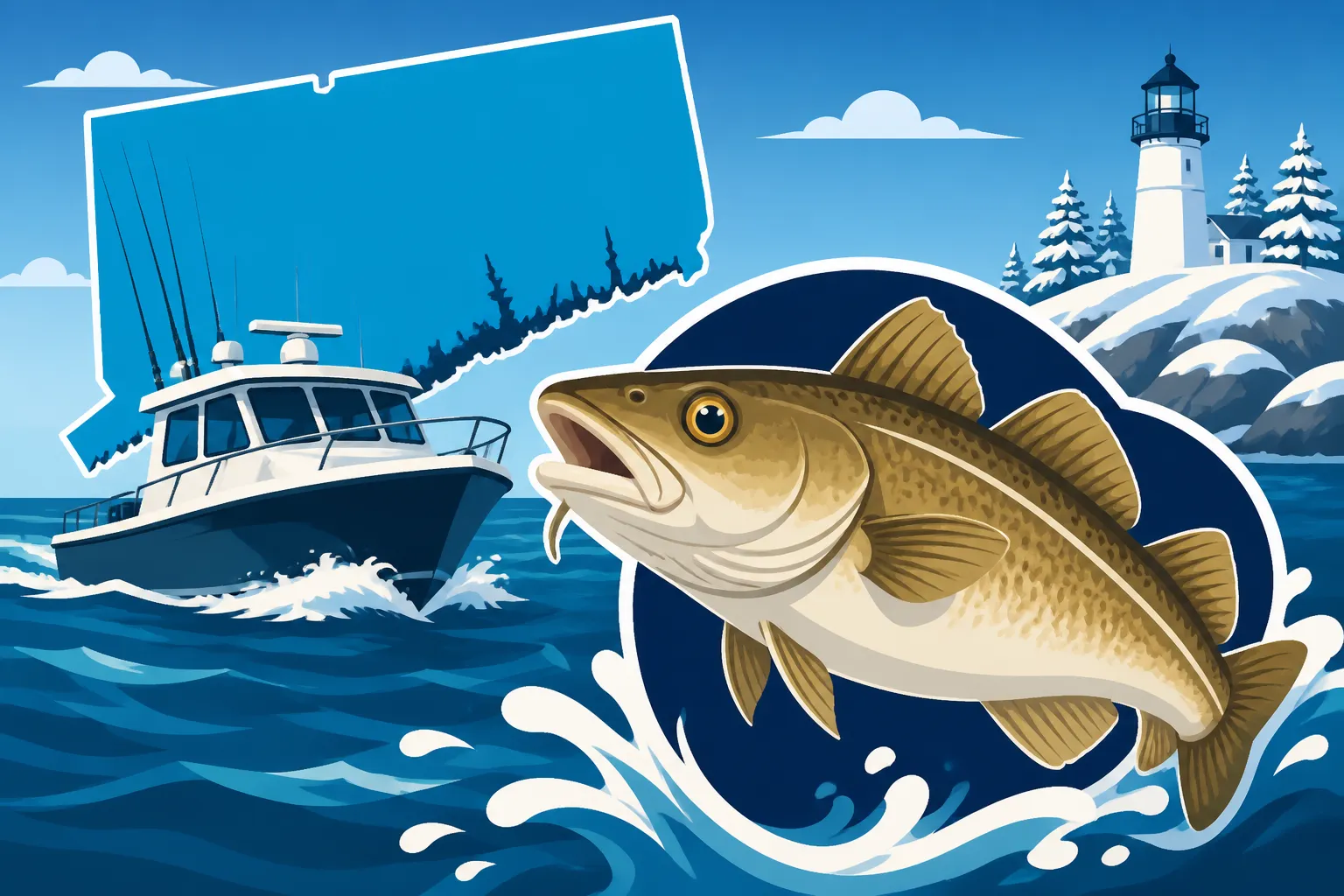
Many anglers in Connecticut pack away their rods and reels once the leaves fall, thinking the fishing season is well and truly over. But for those in the know, winter unlocks a truly exhilarating opportunity: cod fishing! If you're tired of staring at the icy landscape and longing for the tug of a big fish, this comprehensive guide will walk you through everything you need to understand about embarking on the best winter charters for cod right here in Connecticut, from understanding the fish to choosing the perfect boat.
Why Winter Cod Fishing in Connecticut?
Winter fishing isn't for the faint of heart, but it offers a unique blend of challenge and reward that dedicated anglers truly appreciate. When it comes to cod in particular, the colder months can be incredibly productive, bringing these robust fish closer to where charter boats can reach them.
The Unique Appeal of Cold-Water Cod
There's something incredibly satisfying about reeling in a hefty cod on a crisp winter day. Unlike the hustle and bustle of summer fishing, winter cod trips often feel more serene, offering a chance to connect with the raw beauty of the ocean. Cod are known for their firm, white flesh, making them a highly prized catch for the dinner table. Plus, the sheer size of some of the cod caught in the deeper, colder waters can be truly impressive, providing a fight that’s both challenging and memorable. It’s a completely different experience than chasing bluefish or striped bass in the warmer months; the ocean transforms, and so does the fishing.
Beyond the culinary and sporting aspects, the environment itself is part of the appeal. Imagine the stark beauty of the Long Island Sound in winter, the quiet calm broken only by the lapping waves and the whirring of a reel. It’s a much more intimate encounter with the sea, free from crowded summer beaches and busy boating lanes. The air is clear, the views are expansive, and the focus is purely on the hunt for these deep-dwelling giants.
Challenges and Rewards of Winter Angling
Let's be real: winter fishing isn't always glamorous. You'll face colder temperatures, potentially choppier seas, and shorter daylight hours. Preparing for these conditions is paramount, from bundling up in multiple layers to ensuring your charter boat is well-equipped for comfort and safety. However, the rewards often far outweigh these challenges. Fewer boats mean less competition on the prime fishing grounds, and the cold water often concentrates baitfish, which in turn draws in larger, hungrier cod.
The reward isn't just about the fish in the cooler. It's about proving your mettle against the elements, sharing camaraderie with fellow hardy anglers, and experiencing a side of Connecticut's marine environment that most people never see. The quiet focus required for deep-water jigging or bait fishing for cod, combined with the anticipation of a strong bite in cold conditions, creates an unforgettable adventure. It's a testament to your passion for fishing, and a truly earned experience.
Understanding Cod Behavior in Connecticut Waters
Cod are typically bottom-dwellers, preferring cooler waters, which makes them an excellent target in the winter months when the entire water column cools down. They tend to congregate around underwater structures like wrecks, rock piles, ledges, and deep channels where they can find an abundance of their favorite prey, such as crabs, clams, and smaller fish. Knowing this behavior is crucial for charter captains who are constantly tracking these patterns to put you on the fish.
As winter deepens, cod often move into deeper offshore areas of Long Island Sound and beyond, seeking stable temperatures and reliable food sources. This is why a dedicated charter is so important; they have the vessels and navigation equipment to safely reach these productive grounds. Understanding these migratory and feeding patterns is a captain's bread and butter, ensuring that your winter trip has the best possible chance of success. They also know that while cod are opportunistic feeders, presentation in cold water can make a big difference.
Finding the Right Winter Cod Charter
Choosing the right charter for a winter cod trip is more critical than in summer. You need a boat and crew that are prepared for the unique demands of cold-weather, deep-water fishing.
Key Features to Look for in a Charter
When you're sifting through potential charters, especially for winter cod, prioritize safety and comfort. Look for boats that are well-maintained, equipped with modern electronics for navigation and fish-finding, and have a strong reputation for customer satisfaction. A captain with extensive experience fishing for cod in Connecticut waters during the winter is non-negotiable. They understand the nuances of the season, from reading the weather to knowing the best deep-water spots. You can often find detailed listings and reviews on platforms like FishingBooker, which allows you to filter by location, species, and even boat amenities, giving you a good starting point to compare options.
Don't be shy about asking direct questions before booking. Inquire about the boat's heating system, enclosed cabin space, and emergency equipment. A good charter service will be transparent about their operations and eager to put your mind at ease. Also, consider the crew's experience beyond just the captain. A skilled mate can make a huge difference in your fishing experience, helping with baiting, rigging, and landing those big cod, especially when dealing with cold hands and heavy gear. This detailed approach is part of how to choose a Connecticut fishing charter that truly fits your needs.
Boat Amenities for Winter Comfort
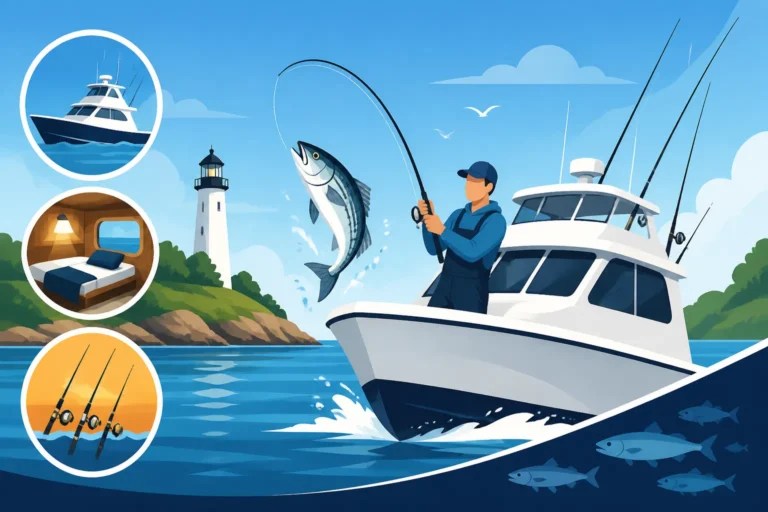
Being out on the water in winter can be brutal without the right amenities. A truly great winter cod charter will boast a heated cabin where you can warm up between drifts or when moving between fishing spots. An enclosed head (marine toilet) is also a huge plus, offering privacy and a break from the cold. Ample deck space is important too, even if it's chilly, to ensure everyone has enough room to fish comfortably without bumping elbows. Look for charters that specifically mention these comfort features in their descriptions.
Some boats go above and beyond, offering complimentary hot coffee or cocoa, which can be a real game-changer on a frigid morning. Think about where you'll store your personal gear – a dry, protected area is essential to prevent your extra layers or snacks from getting wet or frozen. These seemingly small details contribute significantly to your overall enjoyment and safety on a winter trip, turning what could be a miserable experience into a truly enjoyable one.
Experience and Expertise of the Captain
A seasoned captain is your most valuable asset on a winter cod trip. They'll have years of experience navigating the specific challenges of Long Island Sound and offshore Connecticut waters in the cold, from predicting weather patterns to understanding the subtle shifts in cod behavior. They'll know the deep channels, the wrecks, and the rocky bottoms where cod congregate, sometimes with uncanny precision. Their knowledge of Connecticut Saltwater Fishing Regulations by Species will also be critical, ensuring you're fishing legally and sustainably.
Beyond just finding fish, an experienced captain prioritizes safety above all else. They'll know when it's safe to go out and, more importantly, when it's not. They'll have a keen eye for changing conditions and won't hesitate to alter plans for the well-being of their passengers. Many reputable captains have built their careers on consistently putting clients on fish and doing so safely, making them highly sought after. Reviews on sites like FishingBooker can offer great insights into a captain's reputation and expertise.
Top Departure Ports for Connecticut Cod Charters
Connecticut's coastline offers several excellent departure points for winter cod charters, each with its own advantages in terms of access to prime fishing grounds.
Eastern Connecticut Coastal Towns
Towns like Niantic, Waterford, and Stonington are fantastic hubs for eastern Connecticut fishing. They provide relatively quick access to deeper sections of Long Island Sound and the approaches to Block Island and Montauk, which are often rich with cod in the colder months. Charters operating out of these ports often specialize in bottom fishing and can quickly get you to productive offshore wrecks and ledges. Best Charters Out of Niantic Connecticut are particularly well-known for their expertise in these deeper waters.
The proximity to deeper, more open waters often means these charters have larger, more robust vessels capable of handling the choppier conditions sometimes found further offshore in winter. This can translate to a more comfortable ride and better access to a wider range of fishing spots. Many captains in this region have decades of experience specifically targeting groundfish like cod and black sea bass, making them excellent choices for your winter adventure.
Central Connecticut's Gateway to the Sound
Moving west, ports like Old Saybrook and Clinton also offer excellent opportunities. Situated near the mouth of the Connecticut River, these towns serve as a gateway to both the central and eastern parts of Long Island Sound. While perhaps not as direct to the extreme offshore grounds as the easternmost ports, they still offer great access to a variety of deep-water structures and winter cod migrations.
Charters from this area often have a strong local following, and their captains possess intimate knowledge of the Sound's varied bottom contours. They are adept at navigating the dynamic environment where the river meets the Sound, often finding transitional areas that hold schooling baitfish and, consequently, hungry cod. These ports strike a good balance, offering convenience for many central Connecticut residents while still providing access to quality winter fishing.
Western Long Island Sound Access
While less common for dedicated offshore cod trips due to the greater distance to prime grounds, some charters operating out of western Long Island Sound ports like Norwalk or Stamford might offer specialized trips, particularly if cod move into specific deeper pockets within the Sound. However, these are generally better known for Long Island Sound Striped Bass Spots or Long Island Sound Fluke Fishing Spots in warmer months.
For winter cod, most serious charters will prefer to launch from further east to minimize travel time to the most productive deep-water areas. If you are considering a western Sound departure, it's especially important to confirm with the captain that they intend to target cod and have a realistic plan for reaching the fish, as the travel time to true cod grounds might be extensive. Always ask about the typical fishing grounds for their winter trips.
Gear and Techniques for Winter Cod
You can't just show up with your summer striped bass rod and expect success when targeting winter cod. The right gear and techniques are crucial for handling the conditions and effectively catching these deep-water fish.
Essential Tackle Provided by Charters
Most reputable winter cod charters will provide all the necessary fishing gear, which is a huge benefit, especially given the specialized nature of the tackle. You'll typically be using heavy-duty rods and reels spooled with strong braided line, designed to handle heavy sinkers and the powerful pull of a large cod from considerable depths. Expect to use jigs weighing anywhere from 8 to 20 ounces, or even more, depending on the current and depth. These are often paired with bait, like clam or squid, to entice strikes.
The charter will also supply fresh bait and all the terminal tackle – hooks, leaders, sinkers, and sometimes specialized cod jigs. This means you don't need to invest in expensive heavy gear yourself, and the crew will be experts at rigging everything correctly for the conditions. Don't hesitate to ask for help or advice on how to properly work the rod; the crew is there to assist and ensure you have the best chance of success. This included gear is a significant advantage, particularly for those new to deep-sea bottom fishing.
Recommended Personal Gear for Anglers
While the boat provides fishing gear, you're responsible for your personal comfort and safety. Dressing in layers is absolutely essential. Start with a moisture-wicking base layer, add insulating layers like fleece or wool, and top it off with waterproof and windproof outerwear. Thermal socks, waterproof boots, a warm hat that covers your ears, and waterproof gloves are non-negotiable. Remember, it's always easier to remove a layer than to wish you had brought one.
Beyond clothing, consider a pair of polarized sunglasses to reduce glare, and sunscreen, even in winter, as the sun reflecting off the water or snow can still cause burns. A small, waterproof bag for personal items like your phone, wallet, and any medications is also a good idea. Staying warm and dry directly impacts your ability to focus and enjoy the fishing, so prioritize preparation in this area. Connecticut Cold Water Life Jacket Rule (October to May) is a good reminder about overall safety in cold water; while charters provide life jackets, dressing appropriately for cold exposure is your responsibility.
Effective Cod Fishing Techniques
The primary techniques for winter cod fishing involve bottom fishing, either with bait or jigs. For bait fishing, a standard two-hook high-low rig (also known as a "hi-lo rig") baited with clam or squid is very effective. The goal is to keep your bait on or very near the bottom, where the cod are feeding. This requires constant attention to your line, feeling for bites and adjusting for current and depth.
Jigging is another popular and often more active method. Heavy metal jigs are dropped to the bottom and then worked with a series of lifts and drops, mimicking an injured baitfish. Sometimes, tipping the jig with a piece of clam or squid can increase its appeal. The key to both techniques is being able to feel the bottom and detect subtle bites, which can be challenging in deep water. Don't be afraid to experiment with your retrieve or ask the crew for tips; they've seen it all and can offer valuable insights.
What to Expect on a Winter Cod Charter
Embarking on a winter cod charter is a bit different from a summer fluke trip. Understanding the general flow, regulations, and potential contingencies will help you manage your expectations and have a more enjoyable experience.
Typical Trip Duration and Structure
Most winter cod charters are full-day trips, often running between 8 to 10 hours from dock to dock. This extended duration accounts for the longer travel times to offshore fishing grounds and allows ample time for multiple drifts or moves to different spots. Expect an early morning departure, often before sunrise, to maximize fishing time during daylight hours. The journey to the fishing grounds can take an hour or two, giving you time to settle in, enjoy some coffee, and prepare your gear.
Once on the fishing grounds, the captain will position the boat for drifts over productive structure. You'll spend most of your time actively fishing, with breaks for moving between spots or for lunch. The trip back to the dock will usually be in the late afternoon, often just as the sun is setting, offering a beautiful end to a productive day. It's a long day, but the action and the fresh air make it fly by. If you are curious about typical trip structures, you can read more in What to Expect on a Connecticut Fishing Charter.
Catch Limits and Regulations for Cod
Regulations for cod, like many other species, are subject to change and can vary by season and jurisdiction. While fishing in Connecticut waters, you'll be subject to state regulations, but if the charter ventures further offshore into federal waters, different rules may apply. Your captain will be fully aware of all current catch limits, minimum sizes, and possession rules, and it is their responsibility to ensure everyone abides by them.
It's always a good idea to familiarize yourself with the general Connecticut Fishing Regulations Explained before your trip, though the captain will provide the specifics for cod on the day of the trip. The goal is responsible angling, ensuring that we preserve fish stocks for future generations while still enjoying the bounty the ocean provides. If there's a particular size you're hoping for, remember that fishing is never a guarantee, but the crew will do their best to help you achieve your goals within the legal framework.
Dealing with Inclement Weather and Cancellations
Winter weather on Long Island Sound can be unpredictable. While captains always aim to get out, safety is their top priority. Charters will typically have a clear weather policy, and it's essential to understand it when you book. If the forecast calls for dangerously high winds, heavy seas, or severe precipitation, the captain will cancel the trip, sometimes even at the last minute. This is for everyone's safety and comfort.
In the event of a cancellation, reputable charters will offer to reschedule your trip or provide a full refund. Communication is key here, so ensure the charter has your best contact information. Don't try to pressure a captain into going out in unsafe conditions; their experience and judgment are crucial. Think of it as an opportunity to plan another adventure rather than a missed one. Booking a Last-Minute Fishing Charter in Connecticut might be difficult if you have a tight schedule, given winter's weather unpredictability.
Preparing for Your Winter Cod Adventure
Proper preparation is the difference between a miserable, cold day and a fantastic, memorable fishing trip. Don't underestimate the winter elements.
Dressing for Success in Cold Weather
Layering is your best friend when preparing for a winter cod trip. Start with a good quality moisture-wicking base layer (synthetics or wool, not cotton) that pulls sweat away from your skin. Next, add insulating layers, like a thick fleece jacket or a down vest. For your outer layer, you need something completely waterproof and windproof, such as a high-quality fishing bib and jacket combination. This shell will protect you from sea spray, rain, and cutting winds.
Don't forget your extremities. A warm hat that covers your ears is essential, as a significant amount of body heat can be lost through your head. Waterproof, insulated gloves or mittens are a must for handling wet lines and cold fish. Finally, waterproof, insulated boots with good traction will keep your feet warm and dry, and prevent slips on a potentially icy or wet deck. Remember, staying warm and dry will allow you to focus on the fishing, not the chill.
Essential Items to Bring Aboard
Beyond your warm clothing, there are a few other items that will enhance your winter cod fishing experience. A small cooler with ice for your lunch, snacks, and non-alcoholic beverages is always a good idea. Consider bringing a thermos filled with hot coffee, tea, or soup to help warm you from the inside out. Don't forget any personal medications you might need. If you're prone to seasickness, take preventive measures before you even step on the boat.
A towel for drying your hands, a camera to capture your catch (and the beautiful winter scenery!), and a pair of pliers or a multi-tool can also be handy. While charters usually provide sunscreen, a small bottle of hand lotion can combat dry, chapped skin from the cold and wind. And, of course, your valid Connecticut fishing license if the charter doesn't cover that for you (though many do, always confirm!). Here's a quick checklist:
| Item Type | Specific Items | Importance for Winter |
|---|---|---|
| Clothing | Moisture-wicking base layer, Fleece/wool mid-layers | Crucial |
| Waterproof/windproof outer shell (bibs/jacket) | Essential | |
| Warm hat (ear-covering), Waterproof insulated gloves | High | |
| Waterproof insulated boots, Thermal socks | High | |
| Comfort | Thermos with hot beverage/soup | Enhances warmth |
| Small cooler with lunch & snacks | Sustenance | |
| Personal medications, Seasickness remedies | Health & comfort | |
| Safety/Misc | Sunscreen, Lip balm, Hand warmers | Protection |
| Small waterproof bag (phone, wallet) | Keeps valuables dry | |
| Valid fishing license (if not provided by charter) | Legal requirement |
This checklist goes a long way to ensure you have a comfortable trip. You can also refer to What to Bring on a Connecticut Fishing Charter for general tips, but remember to tailor it to winter conditions.
Booking and Communication Tips
Booking your winter cod charter in advance is always a good idea, especially for popular boats and prime weekend dates. While winter fishing isn't as crowded as summer, the number of charters specifically targeting cod in the cold months can be more limited. Use platforms like FishingBooker to browse options, read reviews, and compare availability. Don't hesitate to call the captain directly to discuss your expectations and ask any lingering questions.
Clear communication with the charter company is vital, particularly regarding their weather policy, what's included in the price, and any specific requests you might have. Confirm whether your fishing license is covered or if you need to purchase one beforehand. Make sure they have your best contact number in case of last-minute changes due to weather. A little proactive communication can prevent misunderstandings and ensure a smooth, enjoyable trip from start to finish. You should also be clear on Tipping Etiquette for Connecticut Fishing Charters so you can show appreciation for a hard-working crew.
Disclaimer
This article is for general informational purposes only and does not constitute professional advice. Laws, prices and regulations vary by location and change over time. Consult a qualified professional for guidance on your specific situation.