How many hours a typical Connecticut charter trip runs
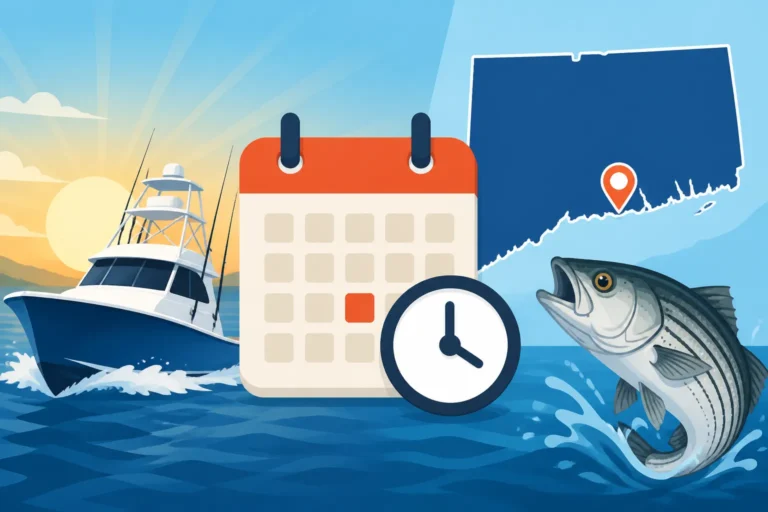
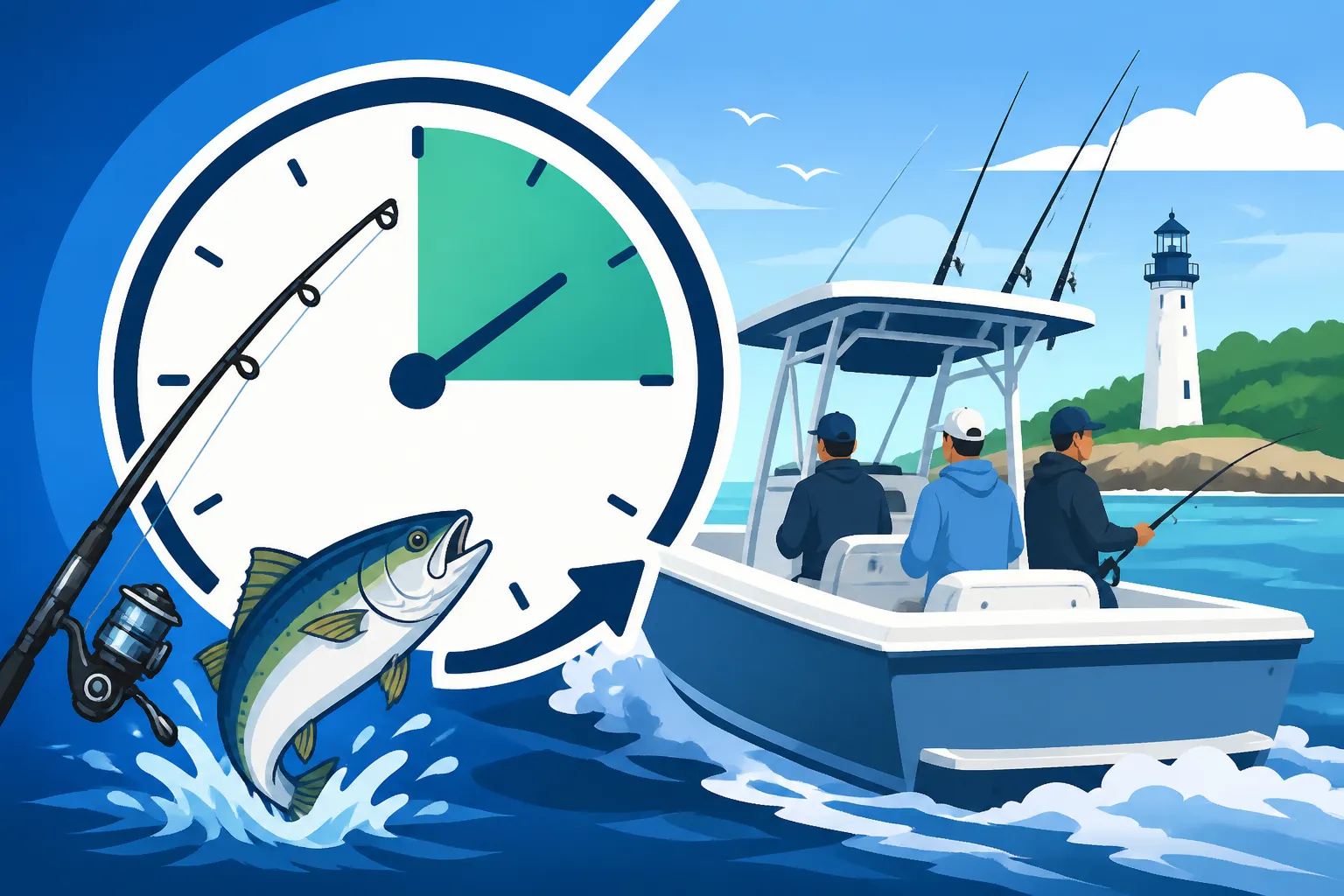
One of the first things prospective anglers wonder when they’re planning a fishing trip in Connecticut is, "How long is this going to take?" It's a completely fair question. After all, you’re not just booking a boat ride; you're carving out a chunk of your day – or even your entire day – for an experience, and you need to coordinate schedules, travel time, and sometimes even childcare. This guide will walk you through the typical durations of Connecticut fishing charters, helping you understand what each timeframe offers and how to pick the perfect trip length for your specific adventure.
Understanding the Standard Charter Trip Durations in Connecticut
When you start browsing for fishing charters here in Connecticut, you'll quickly notice a few common trip lengths popping up again and again. These durations aren't arbitrary; they’ve been fine-tuned over years by captains to balance travel time, fishing action, and angler endurance. Knowing the ins and outs of each can really help you set your expectations and make the most of your time on the water. Many platforms like FishingBooker make it easy to filter and compare these options, giving you a clear picture of what's available.
The Popular Half-Day Charter: Usually 4 Hours
The half-day charter, typically running for about four hours, is a fantastic option for many anglers, especially those just dipping their toes into the charter world or families with younger children. It's often the most accessible in terms of both time commitment and cost, making it a popular choice.
Imagine this: You meet your captain at a local marina, maybe in Milford or Old Saybrook, bright and early or in the early afternoon. After a brief safety talk and a quick run out to a productive fishing spot, you're dropping lines within 30-45 minutes. These trips usually stick to nearshore waters, meaning less travel time and more actual fishing time. For example, if you’re targeting fluke or scup in Long Island Sound, a captain knows several excellent spots relatively close to shore that can offer quick action. It's enough time to catch a good number of fish, get a feel for the rhythm of the ocean, and enjoy the thrill of the bite without committing to a full day. It’s perfect for creating those lasting memories without anyone getting tired or seasick.
The Versatile 3/4 Day Charter: Often 6 Hours
Stepping up from the half-day, the 3/4 day charter, usually lasting around six hours, offers a wonderful middle ground. This duration gives you significantly more flexibility than a shorter trip, allowing for a wider range of possibilities on the water. It’s often considered the sweet spot for many serious recreational anglers.
With two extra hours compared to a half-day, your captain can take you further offshore, explore multiple fishing grounds, or spend more time targeting a specific species. For instance, if the striped bass bite is hot a bit further out, or if you want to try for some black sea bass on a deeper wreck, a six-hour trip gives you that leeway. You might start by jigging for bluefish at one spot, then move to another area to drift for fluke, covering more ground and increasing your chances of a diverse catch. This extended time also allows for a more relaxed pace, giving you more opportunity to learn from your captain, perfect your technique, and simply soak in the experience without feeling rushed. It's a fantastic option for groups who want a bit more adventure but aren't quite ready for an all-day commitment.
The Dedicated Full-Day Charter: Typically 8 Hours or More
For the dedicated angler, the trophy hunter, or anyone looking for a truly immersive fishing experience, the full-day charter is where it’s at. These trips typically run for eight hours, but some specialized trips, especially those targeting offshore species or distant grounds, can extend to 10 or even 12 hours.
A full-day trip means maximizing your time on the water. Your captain can run to distant reefs, deep-water structures, or even head towards Block Island or Montauk if the conditions are right and the fish are there. This is where you might truly chase that personal best striped bass or test your skills against robust blackfish. You'll have ample time to try different techniques, explore various depths, and adapt to changing conditions throughout the day. For instance, you might spend the morning trolling for Striped Bass Fishing in Long Island Sound, then switch to bottom fishing for Black Sea Bass Fishing in Connecticut in the afternoon. These longer excursions demand more stamina but often yield the most rewarding experiences and the biggest fish. If you’re serious about your fishing and want to maximize every minute, this is usually the way to go.
Here's a quick comparison of these common trip durations:
| Charter Duration | Typical Hours | Ideal For | Pros | Cons |
|---|---|---|---|---|
| Half-Day | 4 hours | Families, beginners, quick trips | Less time commitment, often more affordable, good for quick action | Limited range, less time for multiple spots/species |
| 3/4 Day | 6 hours | Mixed groups, serious recreational anglers | More flexibility, wider range, balance of cost/time | Still might not reach distant grounds |
| Full-Day | 8+ hours | Avid anglers, trophy hunters, offshore trips | Maximum fishing time, access to distant grounds, diverse fishing | Longer commitment, higher cost, can be tiring |
Factors Influencing Charter Trip Length
While the standard durations give you a good starting point, several factors can influence which trip length is truly ideal for your Connecticut fishing adventure. It’s not just about how much time you have, but how you want to spend that time. When you're thinking about How to Choose a Connecticut Fishing Charter, considering these elements is key.
Target Species and Fishing Location
The type of fish you're hoping to catch and where those fish typically reside will heavily dictate the necessary trip length. If you're looking for common panfish in a local pond or even some smaller striped bass close to the harbor, a half-day trip might be perfectly sufficient. These species often school in accessible areas, providing plenty of action without extensive travel.
However, if your sights are set on species that prefer deeper, offshore waters, or if they require a significant run to reach their prime habitat, you’ll need more time. For instance, chasing trophy striped bass in the rips off Block Island, or venturing out for robust black sea bass on a distant wreck, will require a full-day commitment, sometimes even longer. The boat needs time to get there, and then you need ample fishing time once you arrive. You can’t rush Mother Nature or the fish! Similarly, certain types of fishing, like trolling for pelagic species, inherently take more time and cover more ground than anchoring for bottom fish.
Angler Goals and Experience Level
Your personal fishing goals and experience play a huge role in choosing the right trip length. Are you simply looking for a fun day out with the family, hoping to get a few bites and enjoy the scenery? Or are you a seasoned angler on a quest for a personal best, willing to put in the hours for that one special fish?
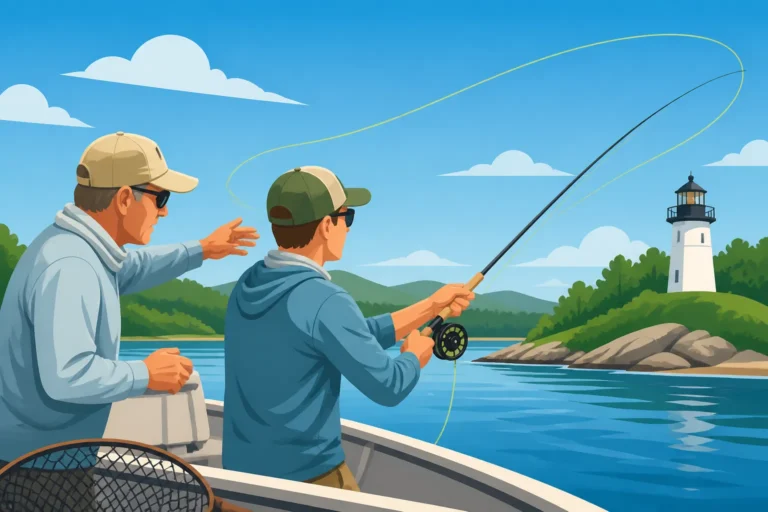
For families or beginners, a shorter half-day trip is often ideal. It prevents fatigue, minimizes potential seasickness, and keeps the excitement levels high with more immediate action closer to shore. It’s all about the experience and making fishing fun and accessible. On the other hand, experienced anglers with specific targets in mind often prefer full-day trips. They understand the dedication required for challenging species or distant locations and appreciate the extended time to refine techniques and maximize their chances. Someone looking to learn intricate Fly Fishing for Trout in Connecticut techniques might benefit from a longer, more instructional trip with a guide, even if it's on a river rather than the open Sound.
Weather Conditions and Tides
Even the best-laid plans can be influenced by the unpredictable nature of weather and tides. While captains always prioritize safety and will reschedule if conditions are truly unfavorable, subtle changes can still impact your trip's effective length. A strong outgoing tide might make certain spots unfishable for a few hours, or a sudden change in wind could necessitate moving to a more protected area.
Experienced captains are masters at adapting to these conditions, but having more time on a 3/4 or full-day trip gives them a larger window to work with. If a morning bite is slow due to a slack tide, those extra hours mean you can wait for the tide to turn or move to a different location that fishes better under those specific circumstances. Conversely, if an unexpected squall rolls in, a shorter trip might mean cutting your day a bit short, whereas a full-day trip might allow the captain to wait it out or move to a calmer area and still get some quality fishing in. Always discuss potential weather impacts with your captain when planning, and trust their judgment on the water.
Choosing the Right Trip Length for Your Crew
Now that we’ve covered the standard durations and the factors that influence them, let’s talk about how to make the best choice for you and your group. Every fishing crew is different, and what works for one might not work for another. Thinking through these scenarios will help you land on the perfect Connecticut fishing charter.
The Family Fun Outing and First-Time Anglers
If you're planning a trip with children, beginners, or anyone prone to seasickness, a half-day charter is often your best bet. The goal here isn't necessarily to fill a cooler to the brim, but to create a positive, enjoyable experience that encourages a love for fishing.
Think about it: four hours is enough time for kids to get excited about catching their first fish, learn a few basics, and enjoy being on the water, but not so long that they get bored, restless, or uncomfortable. Many charter boats that cater to families focus on abundant, easier-to-catch species like scup, snapper blues, or small fluke, which usually congregate closer to shore. This means less travel time and more lines in the water. Plus, a shorter trip means you still have the afternoon free for other activities, or simply to relax and recount the day’s adventures. When searching for charters, especially on platforms like FishingBooker, you can often filter for "family-friendly" options, which commonly highlight shorter trip durations.
The Avid Angler and Trophy Hunter Expedition
For those who eat, sleep, and breathe fishing, and who are specifically targeting larger, more elusive species, a full-day or even extended full-day charter is highly recommended. These trips are designed for maximum fishing effort and opportunity.
Imagine wanting to land a true cow striped bass, a massive bluefish, or to rigorously explore a complex piece of structure for blackfish. You need time to travel to those prime locations, experiment with different baits and lures, and patiently wait for the bite. A full-day trip allows the captain to utilize their extensive knowledge of tides, currents, and fish movements throughout the day, increasing your chances of success. It provides the flexibility to move if a spot isn't producing, or to stay longer if the bite heats up. It's an investment in the pursuit of that ultimate catch, and most serious anglers agree that the extra hours are well worth it. Before you head out, make sure you know What to bring on a Connecticut fishing charter for a longer day, including plenty of water and snacks!
Group Dynamics and Budget Considerations
The size and makeup of your group, as well as your collective budget, will also play a crucial role in deciding trip length. Charters are typically priced by the trip, not by the person, though some "open boat" or shared charters might charge per spot.
If you have a larger group, splitting the cost of a full-day charter might be more economical per person than booking two half-day trips. However, if some members of your party have limited fishing experience or stamina, a shorter trip might be better for everyone’s enjoyment, even if it means a slightly higher per-person cost. Consider what the entire group wants out of the experience. Is it a bonding trip where the main goal is just to be together on the water, or is everyone equally passionate about hardcore fishing? Discuss these expectations openly with your group before booking to ensure everyone is on the same page. You can often find great deals and compare options for Best Private Fishing Charters in Connecticut versus Best Shared Fishing Charters in Connecticut on booking sites, which can significantly impact your budget for different trip lengths.
In the end, while typical Connecticut charter trips run 4, 6, or 8+ hours, the right duration for you is the one that aligns best with your goals, your crew's comfort, and the type of fishing adventure you're dreaming of. Whether it's a quick family outing or an all-day trophy hunt, Connecticut's waters have a charter trip length perfect for you.
Disclaimer
This article is for general informational purposes only and does not constitute professional advice. Laws, prices and regulations vary by location and change over time. Consult a qualified professional for guidance on your specific situation.