Best Shared Fishing Charters in Connecticut
Let's be real, the idea of getting out on the open water, feeling the spray on your face, and battling a fish on the end of your line in Connecticut is a dream for many of us. But what if you don't have a whole crew to fill a private charter, or the budget for a solo expedition? That's where shared fishing charters come in, offering an accessible and often surprisingly social way to experience Connecticut's fantastic fishing grounds without breaking the bank or needing a large group. This guide is all about demystifying shared charters, helping you understand if they're the right fit for your next angling adventure, and how to find the very best ones out there.
What Exactly is a Shared Fishing Charter?
When most people think of a "fishing charter," they picture a private boat, maybe six friends, and a captain dedicated solely to their group. And while private charters are fantastic, they're not the only game in town. Shared fishing charters offer a completely different, and often more approachable, experience. Imagine a larger vessel, often referred to as a "party boat" or "head boat," where you pay for your spot individually. You're sharing the deck with other anglers, all hoping to hook into some of Connecticut's abundant fish species. It's a bit like a bus service for fishing, rather than a private car service. You get the benefit of a professional crew, a well-equipped boat, and access to prime fishing spots, all at a fraction of the cost of a private trip.
Understanding the "Head Boat" or "Party Boat" Concept
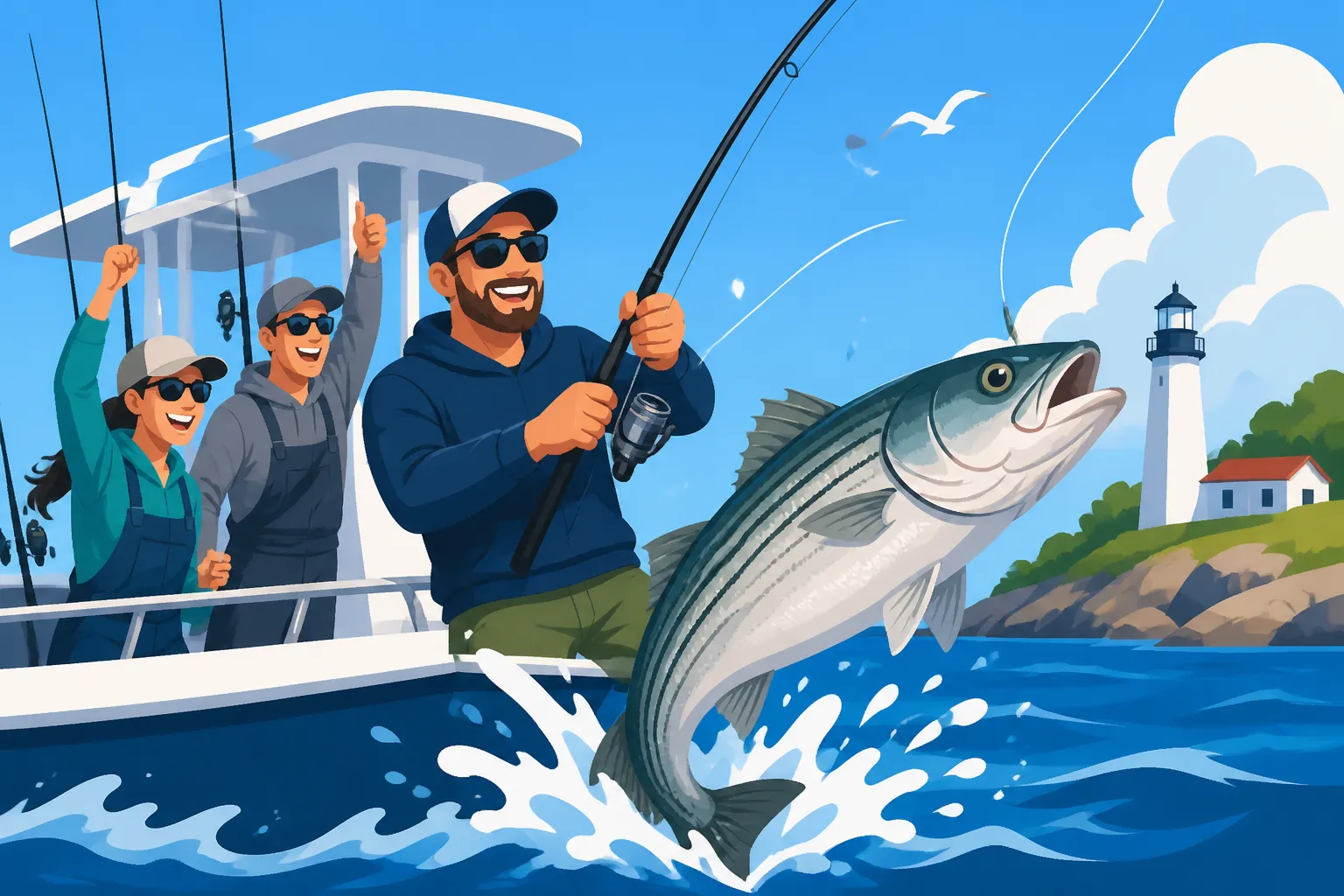
The terms "head boat" and "party boat" are used interchangeably to describe these shared charters, and they pretty much tell you what to expect. You pay per "head" (person), and while it's not always a party in the raucous sense, there's definitely a social aspect to it. These boats are typically much larger than the six-pack private charters you might see, often capable of carrying dozens of anglers. This means more deck space, sometimes multiple levels, and usually a more stable ride, which can be a huge plus for those prone to seasickness. The captain and crew work tirelessly to put everyone on fish, often moving from spot to spot, anchoring up, or drift fishing depending on the target species and conditions. It's a collective effort, and the excitement is palpable when someone hooks a big one, echoing through the crowd.
The Benefits of Going Shared
There are some truly compelling reasons to opt for a shared charter, especially if you're new to the charter scene or looking to fish on a budget. First and foremost, the cost is significantly lower. Instead of splitting the full cost of a private boat among a few people, you're paying a much smaller, individual fare. This makes it incredibly accessible. Second, you don't need a group. If you're a solo angler, or just a pair, a shared charter means you can still get out on the water without having to recruit a whole team. Many experienced anglers actually prefer shared charters for the sheer convenience. Third, the equipment is often provided. Most shared charters include rods, reels, and bait, which is a huge relief if you don't own saltwater gear or just don't want to haul it around. The crew is also usually more than happy to offer advice, bait your hook, or help you land a fish. And finally, there's a fantastic social dynamic. You get to meet other passionate anglers, share stories, and sometimes even make new fishing buddies. It's a unique camaraderie that's hard to replicate on a private trip.
Potential Downsides to Consider
While shared charters offer many advantages, it's also important to go in with realistic expectations. They're not for everyone, and there are a few potential downsides. The biggest one is often the lack of personalized attention. With many anglers on board, the crew's time is divided, and while they're helpful, they can't offer one-on-one coaching like on a private trip. You might also find yourself with less elbow room, especially on popular trips. While boats are designed to accommodate many, it can feel a bit crowded when the bite is hot. Another factor is the "democratic" nature of the fishing. The captain will choose the spots and target species based on what's biting and what will satisfy the majority, not necessarily your personal preference for catching a specific trophy fish. If you have a very particular species in mind or want to try advanced techniques, a private charter might be a better fit. Finally, for those who prefer a quiet, intimate fishing experience, the hustle and bustle of a party boat might be a bit much. However, for most, these minor trade-offs are well worth the accessibility and affordability.
Who Are Shared Charters Best For?
Shared fishing charters cast a wide net, appealing to a diverse range of anglers in Connecticut. They offer a fantastic entry point into the world of saltwater fishing for many, and a reliable, enjoyable option for others. It's not just about saving money; it's about the unique experience they provide. Whether you're a seasoned veteran or have never held a fishing rod, there's likely a shared charter out there for you.
Solo Anglers and Small Groups
This is perhaps the most obvious and impactful benefit of shared charters. For the angler who loves to fish but finds it hard to rally a full crew of friends, a shared charter is a godsend. You can simply book your spot, show up, and enjoy the day on the water without any organizational stress. The same goes for small groups, like a couple, a parent and child, or just two friends. Instead of paying for an entire private boat, which can be quite an investment for just a few people, you can enjoy a full day of fishing for a fraction of the cost. It really opens up the opportunity for many more individuals to experience the thrill of Long Island Sound Fishing Guide without the commitment of a full private booking. Imagine wanting to get out for some fluke but your usual fishing buddies are busy—a shared charter means you don't have to miss out.
Budget-Conscious Fishermen
Let's face it, fishing can be an expensive hobby, and charter trips are often seen as a luxury. Shared charters shatter that perception, making a day on the water with a professional crew much more attainable. When you look at the Connecticut Fishing Charter Cost Guide, you'll quickly see that the per-person price for a shared trip is significantly lower than a private one. This affordability means you can fish more often, or perhaps even bring along family members who might not otherwise have the chance. It's an excellent value proposition, especially when you consider that bait, tackle, and expert guidance are typically included. For many, this makes the difference between dreaming about a charter trip and actually experiencing one.
Beginners and Casual Anglers
If you're new to fishing, especially saltwater fishing, the idea of a private charter can feel intimidating. Will you know what to do? What if you mess up? Shared charters offer a more relaxed and forgiving environment. The crew is experienced with beginners and can offer basic instruction without the pressure of a dedicated private audience. You can observe other anglers, learn by doing, and ask questions as they arise. It's a fantastic learning experience, often with less pressure than a private trip where you might feel more obligated to perform. Similarly, for casual anglers who just want a fun day out, perhaps to relax or catch some dinner, shared charters are perfect. There's no expectation to be a pro, just to enjoy the process. Plus, the sheer excitement of a fish being caught somewhere on the boat keeps everyone engaged, even if your line isn't currently bending. You also get to experience the thrill of different techniques like bottom fishing or light tackle jigging, all under the guidance of experienced deckhands.
Finding the Right Shared Charter in Connecticut
Connecticut's coastline and major rivers offer some incredible fishing opportunities, and with that comes a good selection of shared fishing charters. But just like anything else, not all charters are created equal. Finding the right one involves a bit of research and knowing what to look for. You want an operator that's reputable, targets the fish you're interested in, and departs from a convenient location.
Key Harbors and Departure Points
Connecticut boasts several fantastic harbors that serve as departure points for shared fishing charters, primarily targeting Long Island Sound Fishing Guide species. When you're thinking about booking, consider which harbor is most convenient for you.
- Western Connecticut: Harbors like Norwalk and Bridgeport are popular for those coming from Fairfield County or even New York. Charters from these areas will often target fluke, black sea bass, and striped bass in the western sound.
- Central Connecticut: Milford, Stratford, and New Haven offer central access. These ports provide a good balance for reaching various fishing grounds, from inshore reefs to deeper wrecks, and are great for species like scup, blackfish, and of course, striped bass.
- Eastern Connecticut: Niantic, Old Saybrook, Stonington, and Mystic are prime locations, especially for those interested in the robust fishing that the eastern Sound is famous for. You'll find excellent options here for Best Striped Bass Charters on Long Island Sound, Best Fluke Charters on Long Island Sound, and Best Black Sea Bass Charters in Connecticut, along with trips for bluefish and tautog. These areas also tend to have a higher concentration of larger party boats.
Each harbor offers a slightly different flavor of fishing, so researching what species are most commonly targeted from a particular port can help narrow down your choices.
Researching Reputable Operators
Once you have an idea of your preferred departure area, it's time to dig into the operators. This is where online resources become your best friend. Websites like FishingBooker are invaluable because they aggregate listings from many different charter captains and allow for genuine customer reviews. Look for charters with a high number of positive reviews, paying attention to comments about the crew's helpfulness, the condition of the boat, and the overall fishing success. Are people praising the captain's knowledge? Is the deckhand getting kudos for being attentive? These details matter.
Beyond aggregate sites, visit the individual charter boat's website or social media pages. A professional online presence often indicates a professional operation. Look for recent fishing reports, clear pricing structures, and contact information. Word-of-mouth is also huge in the fishing community, so don't hesitate to ask local tackle shops or fellow anglers for their recommendations. You'll want to ensure the charter carries the proper licenses and insurance, though reputable companies will always have this in order.
What to Look for in a Shared Charter Listing
When you're sifting through charter listings, whether on FishingBooker or elsewhere, there are several key pieces of information to home in on to ensure you're picking the right trip for you:
- Target Species: This is crucial. Some shared charters specialize in bottom fishing for fluke, scup, and black sea bass, while others might focus on trolling for bluefish or striped bass. Make sure the trip aligns with what you want to catch. Connecticut Saltwater Fishing Regulations by Species will give you an idea of what's in season.
- Trip Duration: Shared charters typically offer half-day (4-5 hours) or full-day (6-8 hours, sometimes longer) options. A half-day is great for beginners or if you're short on time, while a full-day gives you more fishing action and often takes you to more distant, productive spots.
- Capacity: While it's a "shared" boat, some are truly massive, accommodating 50+ anglers, while others might cap out at 15-20. The smaller the capacity, the more elbow room you'll generally have.
- Inclusions: Confirm what's included in the price. Rods, reels, bait, and tackle are standard for most shared trips, but sometimes there are extra charges for things like specialty bait or if you lose a rig. Ask about fish cleaning services—some offer it for a small fee, others don't.
- Departure Time: Pay attention to the sailing schedule. Many charters offer both morning and afternoon trips, and sometimes evening trips, especially during peak season for certain species.
- Amenities: Does the boat have a heated cabin for cooler days? A clean restroom? A galley with snacks and drinks available for purchase? These aren't deal-breakers for everyone, but they can definitely enhance the comfort of your trip.
- Pricing Structure: While we can't list specific costs, understand if the price is all-inclusive or if there are any hidden fees. This falls under Connecticut Fishing Charter Cost Guide.
By carefully reviewing these details, you can make an informed decision and pick a shared charter that promises a great day on the water.
Types of Fishing Experiences on Shared Charters
Shared charters in Connecticut aren't just a one-size-fits-all experience. While the core concept remains the same – sharing a larger boat with other anglers – the types of fishing you'll do and the species you'll target can vary widely. It’s important to understand these distinctions so you can pick a trip that aligns with your angling goals. Are you looking for fast action, or hoping for a specific trophy? This choice will dictate the best charter for you.
Targeting Specific Species: Striped Bass, Fluke, Black Sea Bass
The beauty of Connecticut's marine environment is its diverse fishery, and shared charters capitalize on this by often specializing in what's biting best at a particular time of year.
- Striped Bass (Stripers): These are perhaps the most sought-after game fish in Long Island Sound. Shared charters targeting striped bass often employ various methods, from live baiting with bunker or eels (when legal and available) to trolling with umbrella rigs or spoons. During a strong run, the action can be incredible, with multiple fish hooked simultaneously across the boat. While a shared charter might not get you into the most exclusive trophy spots that a private Best Striped Bass Charters on Long Island Sound might, they consistently put anglers on good numbers of schoolie to mid-sized stripers, with the chance of a bigger fish always present. They typically focus on structure like reefs, rips, and rock piles where bait congregates.
- Fluke (Summer Flounder): Fluke fishing is incredibly popular, especially during the warmer months. Shared charters designed for fluke often involve drift fishing over sandy bottoms, using bait like spearing, squid, or Gulp! soft plastics tipped with a strip of natural bait. The crew will set up drifts, and anglers drop their rigs to the bottom, jigging them slowly. It's a very active form of fishing that beginners can pick up quickly, and these trips are almost always a fun experience, providing a good shot at catching dinner. You'll find many shared Best Fluke Charters on Long Island Sound during peak season.
- Black Sea Bass: These hard-fighting, delicious fish are another favorite. Charters targeting black sea bass typically head to rocky bottoms, wrecks, and reefs, often in deeper water. Jigging with small metal jigs or fishing bait like squid and clams on a two-hook rig are common tactics. Sea bass can offer non-stop action, and their willingness to bite makes them a great target for all skill levels. They're also excellent table fare. Many shared Best Black Sea Bass Charters in Connecticut will combine these trips with fluke or scup fishing depending on the season and regulations.
Charters will usually advertise their primary target species, so always check the listing to ensure it aligns with what you want to catch.
Bottom Fishing vs. Trolling on Shared Boats
Understanding the primary fishing technique employed by a shared charter can significantly impact your experience and enjoyment.
- Bottom Fishing (Anchored or Drifting): This is arguably the most common method on shared charters. The boat will either anchor up over a productive reef, wreck, or rock pile, or drift slowly over these structures. Anglers drop their lines straight down to the bottom, often using weighted rigs with multiple hooks baited with clam, squid, or worms. This technique is fantastic for catching a variety of species like black sea bass, scup (porgies), blackfish (tautog), and sometimes fluke. It's generally a more relaxed style of fishing, requiring less casting, but still demands attention to feel those subtle bites. The camaraderie of a bottom fishing trip is often high, with anglers sharing tips and celebrating each other's catches. For blackfish, specifically, this method is almost always used around structure.
- Trolling: While less common on true "party boats," some larger shared charters, especially those focusing on striped bass or bluefish, will engage in trolling. This involves dragging multiple lines with lures or baits behind the moving boat. It's a very effective way to cover a lot of water and locate schools of fish. On a shared trolling charter, you might be assigned a specific rod, or the crew might manage the spread and pass off rods when a fish hits. It's an exciting method, but it can be less interactive for individual anglers as they aren't actively casting or jigging their own line for extended periods. When a fish hits, however, it's usually a strong take and a real fight.
Half-Day vs. Full-Day Options
The duration of your shared charter trip is another important consideration, impacting everything from the fishing grounds you'll visit to your overall comfort level and how much you need to bring.
- Half-Day Trips: Typically lasting 4 to 5 hours, half-day trips are perfect for beginners, families with younger children, or those with limited time. They are generally more affordable and stay closer to shore, targeting readily available species. You might not venture to the most distant or "secret" spots, but you'll still get a solid few hours of fishing action. These trips are great for an introduction to saltwater fishing or a quick escape. When planning for a half-day trip, remember that while it's shorter, you'll still want to check What to Bring on a Connecticut Fishing Charter to ensure you have essentials like sunscreen and appropriate clothing.
- Full-Day Trips: Ranging from 6 to 8 hours or sometimes even longer, full-day charters offer a more immersive experience. The extended time allows the captain to travel further, explore more varied fishing grounds, and target a wider range of species or larger, more elusive fish. You'll have more time to learn techniques, try different baits, and simply enjoy being out on the water. While more expensive, the extra hours often translate to more fishing opportunities and potentially a larger or more diverse catch. For serious anglers or those who want to maximize their chances, a full-day trip is usually the preferred option. It's also where you'll get a more comprehensive What to Expect on a Connecticut Fishing Charter.
Think about your stamina, your group's patience, and your fishing goals when deciding between a half-day and full-day adventure.
Preparing for Your Shared Charter Adventure
You've done your research, picked your charter, and now the day is almost here! Getting ready for a shared fishing charter is a little different than preparing for a solo trip or even a private charter. Since you'll be sharing the boat with others, a bit of foresight and an understanding of etiquette can go a long way in ensuring you have a fantastic experience and are a good shipmate.
What to Bring and What's Provided
While most shared charters in Connecticut are quite comprehensive in what they offer, knowing what to bring (and what to leave behind) is key to comfort and success.
Typically Provided by the Charter:
- Fishing Gear: Rods, reels, and basic tackle (sinkers, hooks, leader material) are almost always included. Don't worry about bringing your own unless you have specific gear you prefer and have cleared it with the captain.
- Bait: Live, fresh, or frozen bait (squid, clams, bunker, worms, spearing) will be supplied by the crew.
- Fishing License: This is a crucial point! While the boat is licensed, you will still need your own Connecticut Fishing License Guide for 2026 for saltwater fishing in Connecticut if you are 16 or older. It's your responsibility to purchase this beforehand. Many charters will check for it.
- Expert Guidance: The captain and deckhands are there to help, advise, and ensure a safe and productive trip.
What You Should Bring:
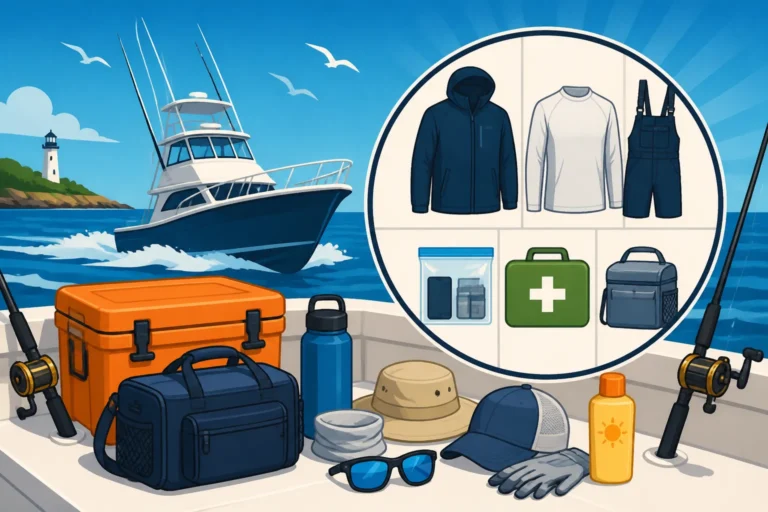
- Appropriate Clothing: Dress in layers! Connecticut weather, especially on the water, can change quickly. Even on a warm day, it can be cooler out on the sound. Bring a rain jacket, even if the forecast looks clear. A hat and polarized sunglasses are highly recommended for sun protection and seeing into the water.
- Sun Protection: Sunscreen is non-negotiable. The sun's reflection off the water can be intense.
- Food and Drink: Most boats will have a cooler with ice, but you'll want to pack your own snacks, sandwiches, and non-alcoholic beverages. Some larger party boats might have a small galley selling drinks and snacks, but it's best to be prepared.
- Cooler for Your Catch: If you plan on keeping fish, bring a separate cooler filled with ice to store your fillets on the way home. The boat will have general coolers, but your personal one ensures your catch stays fresh.
- Cash for Tips: Tipping the deckhand and captain is customary and greatly appreciated. Refer to Tipping Etiquette for Connecticut Fishing Charters for guidance.
- Seasickness Medication: If you're at all prone to motion sickness, take medication before you board. It's much less effective once you start feeling ill.
- Small Personal Bag: A small backpack or waterproof bag to keep your essentials organized.
- Camera: To capture those memorable catches and beautiful Connecticut coastal scenery!
For a more comprehensive checklist, definitely consult What to Bring on a Connecticut Fishing Charter.
Etiquette and Expectations on a Party Boat
Shared charters thrive on good sportsmanship and mutual respect among anglers. Here are some unwritten rules to ensure a smooth trip for everyone:
- Respect Your Space: While it's a shared boat, try to maintain your designated fishing area. Be mindful of casting lines and avoid tangling with your neighbors. If you do get tangled, a polite "excuse me, line tangle!" and a calm approach to untangle is always appreciated.
- Listen to the Crew: The captain and deckhands are professionals. They'll give instructions on when to drop lines, when to reel in, and how to handle fish. Pay attention and follow their guidance. They're working to make sure everyone has a good time and stays safe.
- Be Patient: Fishing can be feast or famine. There will be times when the bite is slow. Don't get discouraged. Enjoy the scenery, the company, and the anticipation.
- Be Mindful of Others' Catches: Congratulate fellow anglers on their catches. If someone hooks into a big fish, give them space to fight it.
- Cleanliness: Pack out what you pack in. Use the provided trash receptacles for any waste. Keep your fishing station tidy.
- Alcohol Policy: Some shared charters are BYOB, others are not. Always check their specific policy beforehand. If allowed, drink responsibly and in moderation. This is a fishing trip, not just a party.
A good shared charter is a team effort, and your positive attitude contributes to a great experience for everyone on board.
Maximizing Your Catch and Experience
Even though you're on a shared boat, there are definitely ways to increase your chances of success and make the most of your day.
- Arrive Early: Getting to the dock a bit early often means you can pick a good spot on the rail, get your gear set up without a rush, and chat with the crew.
- Watch and Learn: Observe how the experienced anglers around you are fishing. What baits are they using? What retrieve technique? How are they jigging their line? The crew is also a wealth of knowledge; don't be afraid to ask for tips.
- Stay Engaged: Don't just set your rod in a holder and walk away. Pay attention to your line, feel for bites, and be ready to react. Even subtle taps can be a fish.
- Ask for Help: This is especially true for beginners. If you're struggling to tie a knot, bait a hook, or need help landing a fish, ask a deckhand. That's what they're there for. They also know exactly how to handle fish safely and release them properly if you choose to.
- Know the Regulations: Before you even step on board, familiarize yourself with Connecticut Saltwater Fishing Regulations by Species for the fish you'll be targeting. This includes size limits, bag limits, and any special seasonal rules. The crew will certainly enforce these, but knowing them yourself helps.
- Be Ready for Anything: The captain might move the boat frequently to find the bite. Be prepared to reel in your line quickly when instructed, and be ready to drop it back down when you arrive at a new spot.
By being prepared, respectful, and engaged, your shared fishing charter experience in Connecticut is bound to be a memorable one, filled with good company and hopefully, a cooler full of fresh fish!
Here's a quick comparison of shared vs. private charters to help you visualize the differences:
| Feature | Shared Fishing Charter | Private Fishing Charter |
|---|---|---|
| Cost | Per person, significantly lower | Full boat fee, higher per person for small groups |
| Group Size | Solo anglers, couples, small families | Typically 4-6 people, often a specific group |
| Boat Size | Larger "party boat" or "head boat" | Smaller "six-pack" or custom fishing vessel |
| Attention | General guidance from crew | Personalized instruction, one-on-one coaching |
| Flexibility | Captain dictates spots & species for the group's best chance | You can discuss target species & locations with captain |
| Social Aspect | Meet other anglers, lively atmosphere | Intimate experience with your chosen group |
| Equipment | Rods, reels, bait often included | Often included, sometimes premium gear |
| Best For | Beginners, budget-conscious, solo travelers, casual fun | Experienced anglers, specific targets, privacy, custom trips |
Remember that planning and a good attitude are your best assets for any fishing trip, and shared charters offer a unique, communal way to enjoy the bounties of Connecticut's waters. Websites like FishingBooker make it easier than ever to explore options and book your spot.
Disclaimer
This article is for general informational purposes only and does not constitute professional advice. Laws, prices and regulations vary by location and change over time. Consult a qualified professional for guidance on your specific situation.