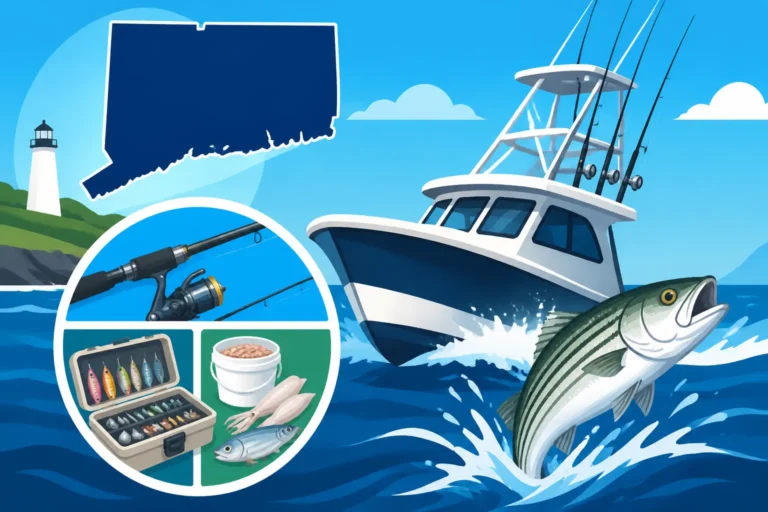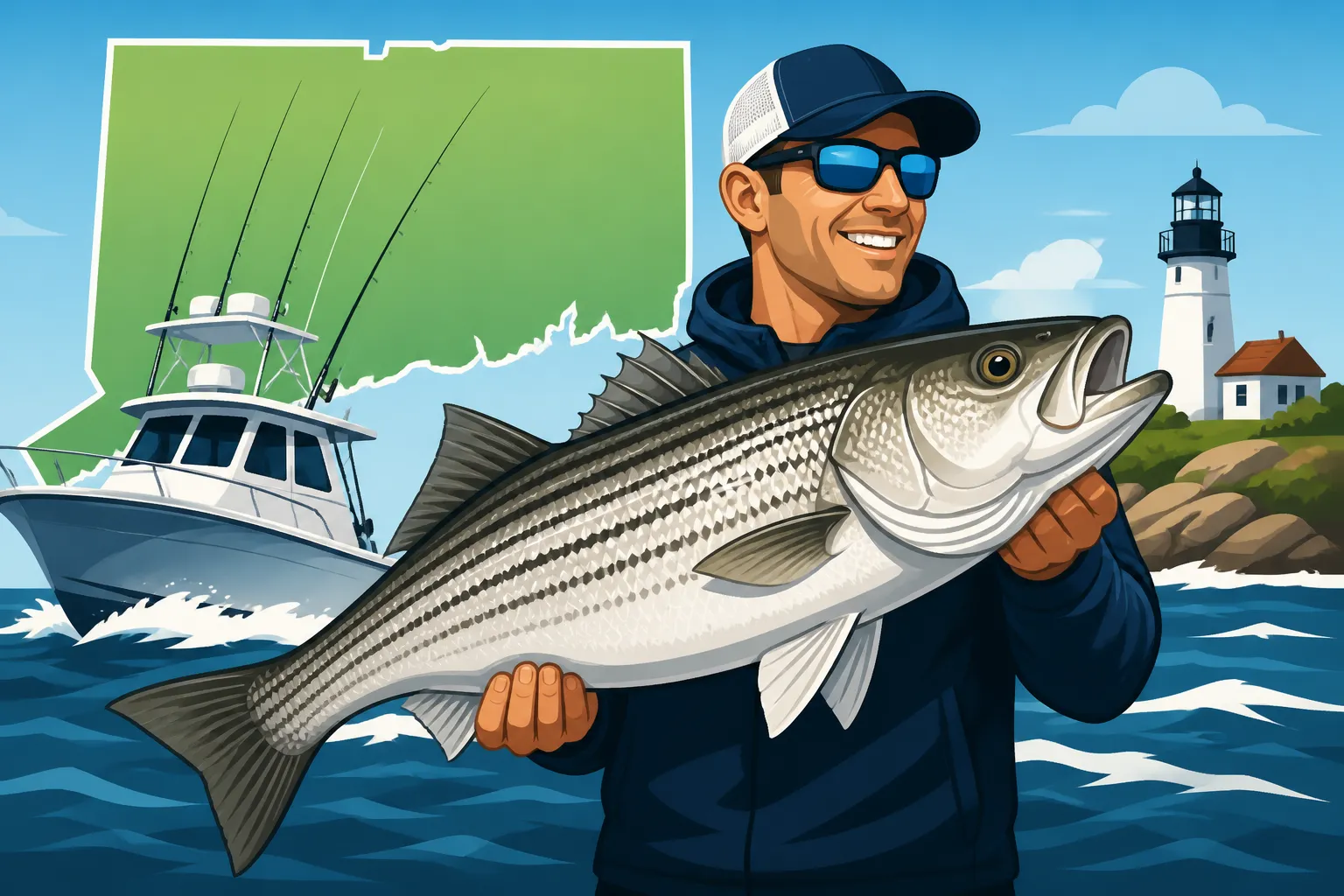
Best charters that target trophy striped bass over 40 inches
There's a special kind of thrill that comes with chasing trophy striped bass, those magnificent fish pushing past the 40-inch mark. Many anglers dream of landing such a behemoth, but the truth is, these larger-than-life stripers don't just jump onto any line. They're wary, smart, and often demand a specialized approach that goes beyond casual fishing. This guide is dedicated to helping you understand how to find and choose the best fishing charters in Connecticut that are specifically geared towards targeting these impressive, oversized striped bass.
The Thrill of the Chase: Why Target Trophy Stripers in Connecticut?
For many, the appeal of fishing for striped bass in Connecticut's waters is undeniable, but it's the pursuit of a true "cow" striper – often defined as anything over 40 inches – that elevates the experience to an entirely different level. These aren't just bigger fish; they are often older, wiser, and present a significant challenge, making their capture a truly memorable achievement.
The Allure of a 40-Inch Striper
Imagine the bend in your rod, the scream of the drag, and the sheer power of a fish that could easily weigh 30, 40, or even 50 pounds. That's the reality when you hook into a 40-inch striped bass. These fish represent the pinnacle of the species in our local waters. They've survived countless seasons, evaded untold numbers of anglers, and grown to an impressive size, making them a worthy adversary for any serious fisherman. It’s not just about the size on the tape measure; it’s about the raw power, the strategic battle, and the sheer elation of bringing such a magnificent creature boat-side. Many anglers spend a lifetime chasing that one truly monumental fish, and a 40-inch striper certainly qualifies.
Beyond the fight, there's an aesthetic appeal. These large stripers are often scarred, majestic, and tell a story of survival. Catching one is a badge of honor, a testament to patience and skill, and often results in an incredible photograph before a responsible release. It’s a moment that resonates, solidifying your place among those who have truly tested their mettle against the ocean's giants. The opportunity to witness such an apex predator up close is an experience that stays with you long after the line is reeled in.
Connecticut's Trophy Striper Hotbeds
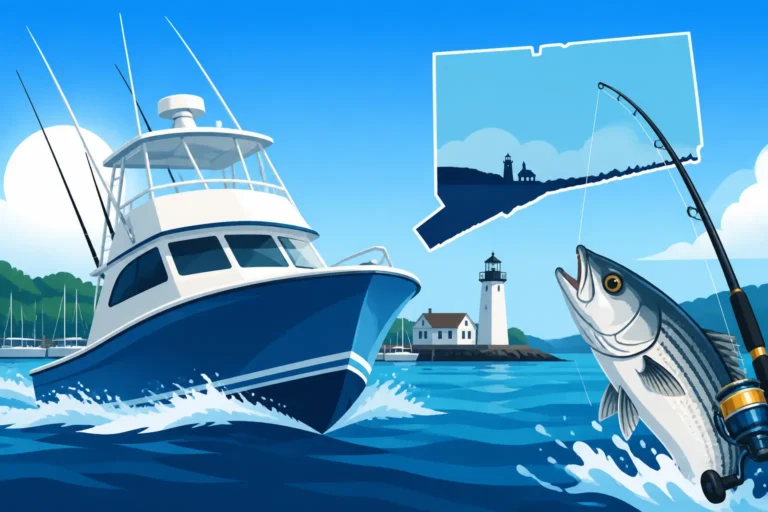
Connecticut offers fantastic opportunities for Striped Bass Fishing in Long Island Sound, particularly for those targeting trophy-sized fish. Our stretch of the Sound is a prime feeding ground, especially during the spring and fall migrations when massive schools of baitfish, like bunker (Atlantic menhaden), move through. These abundant bait sources draw in the biggest stripers looking to feed heavily. Key areas include the rips and reefs around the mouth of the Connecticut River, particularly off Old Saybrook and Old Lyme.
Other productive locations can be found near major tidal flows and deeper channels around rocky structures. Think about areas like the Race, Plum Gut, and other notorious rips further east towards Fishers Island. These spots create natural ambush points where big stripers lie in wait for an easy meal. Even the western Sound has its moments, especially during the fall run when fish stage up before heading south. A knowledgeable captain will have an intimate understanding of these nuanced feeding patterns and specific locations, allowing them to put you right in the zone where these monsters roam. They monitor water temperatures, bait movements, and current patterns to predict where the biggest fish will be.
How Charters Zero In on Giant Stripers
Catching a 40-inch striped bass isn't about luck; it's about strategy, experience, and often, specialized gear. Charters that consistently target these leviathans employ specific tactics and possess deep local knowledge that sets them apart from more general fishing trips. It's a focused effort, not a casual outing.
Specialized Tactics for Trophy Fish
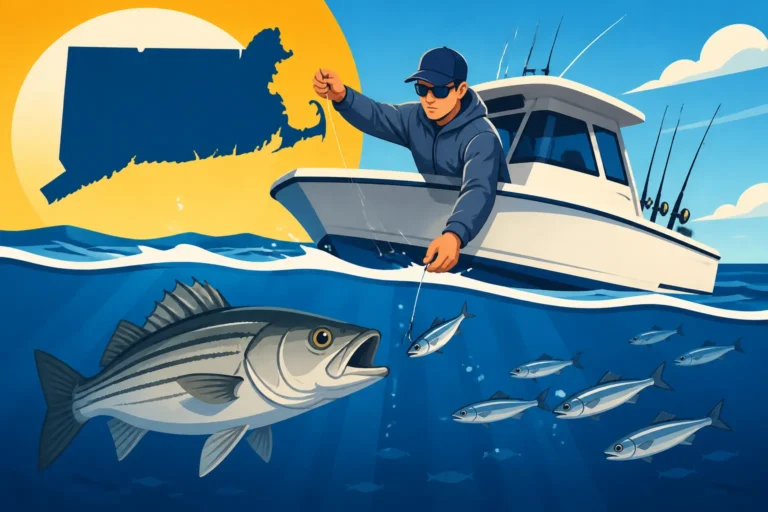
Trophy striped bass are often solitary hunters or move in smaller, more exclusive schools than their smaller counterparts. This means that charter captains aiming for these giants use methods designed to entice the biggest, most cautious fish. One of the most effective strategies is live-lining large baitfish like bunker or eels. A frisky 12-inch bunker, presented perfectly near structure, is an irresistible meal for a big striper. This technique requires skill in handling live bait, knowing where to find it, and how to present it naturally. It's a game of patience, waiting for that tell-tale "thump" that signifies a massive fish has inhaled your offering.
Another potent method is chunking. This involves anchoring upcurrent of a prime feeding area and deploying a steady chum slick of cut bait (often bunker). The scent trail draws stripers in, and carefully presented chunks on circle hooks become irresistible. This can be particularly effective during the darker hours, making Best Night Fishing Charters for Striped Bass a popular choice for trophy hunters. Heavy artificial lures, like large swimbaits, poppers, or jigs, also come into play, especially when stripers are actively feeding on large bait schools. These lures need to mimic the local forage accurately and be worked with a specific retrieve to trigger a strike from a seasoned predator.
Captain's Knowledge: Reading the Tides, Structure, and Bait
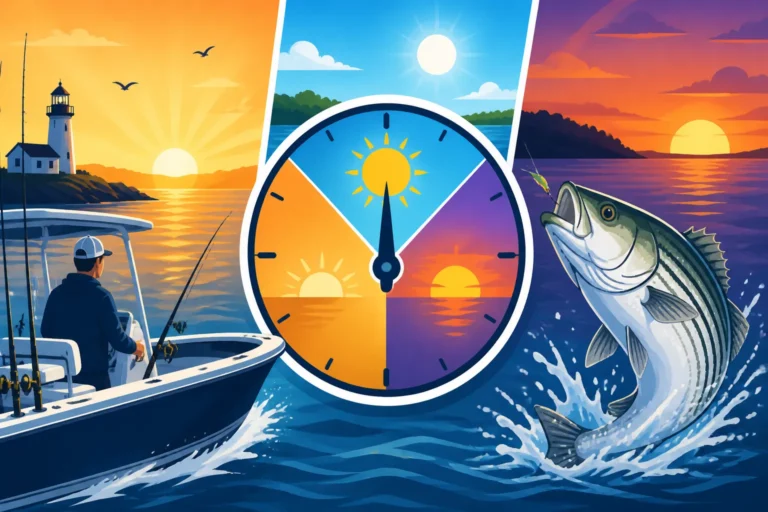
The true secret weapon of a successful trophy striper charter captain is their encyclopedic knowledge of the local waters. They understand that Best Time of Day to Catch Striped Bass often correlates with specific tide stages, moon phases, and even the direction of the current. They know which rips and channels hold bait during different parts of the tide cycle and where the stripers will be positioned to ambush them. It's not just about being on the water; it's about being on the right water at the right time.
Captains spend countless hours on the Sound, learning every rock pile, every depth change, every drop-off, and every anomaly that could hold a big fish. They use advanced sonar and GPS to map out these structures and mark bait schools, building a mental library of prime fishing spots that can take a lifetime to acquire. Furthermore, they are constantly monitoring the movements of baitfish, understanding that where the bait goes, the big fish will follow. This might involve tracking schools of bunker or deciphering subtle bird activity that indicates a subsurface feed. Their ability to put all these pieces of the puzzle together is what makes the difference between a good day and a truly epic day on the water.
Choosing the Right Charter for a 40-Inch Striper
Finding the perfect charter for trophy striped bass isn't always straightforward. You're not just looking for a fishing trip; you're seeking a guide with a proven track record, specific expertise, and the right equipment to make your dream catch a reality.
Experience and Reputation: Looking for a Proven Track Record
When it comes to targeting elusive 40-inch stripers, experience trumps all. You need a captain who has not only caught these fish themselves but has consistently put their clients on them. Look for charters that openly promote their success with large striped bass, often sharing photos with big fish caught by clients. Online reviews and testimonials are invaluable here. Sites like FishingBooker can be a great resource to read what past clients say about their experience, focusing on mentions of larger fish, captain's knowledge, and overall professionalism. A captain who has been navigating Long Island Sound for decades will have an intuitive understanding of fish movements and patterns that newer operators might lack.
Don't be afraid to ask direct questions before booking: "How often do you target stripers over 40 inches?" "What's your biggest fish caught this season?" "What tactics do you typically employ for big stripers?" A reputable captain will be transparent and confident in their abilities. They should also be well-versed in Connecticut Fishing Regulations Explained, particularly regarding species like striped bass, to ensure all fishing is done legally and ethically. Their reputation within the local fishing community often speaks volumes, so if you can, talk to other anglers or local tackle shops for recommendations.
Boat and Gear Considerations: Heavy Tackle, Appropriate Vessel
Targeting trophy stripers requires robust equipment that can handle the immense power of these fish. The charter boat itself should be stable, seaworthy, and capable of navigating various conditions in Long Island Sound safely. For the fishing gear, you'll need heavy-duty conventional or spinning rods paired with reels spooled with strong braided line, typically 50-80 lb test. The drag system on these reels must be smooth and reliable, able to withstand prolonged runs from a powerful fish. Hooks should be razor-sharp and strong enough not to straighten under pressure.
Ask about the specific tackle the charter provides. Are they using gear appropriate for trophy fish, or general-purpose rods? Charters specializing in big stripers will have a selection of dedicated rods and reels, often matched to specific techniques like live-lining or jigging heavy lures. They should also have an adequate supply of leader material (fluorocarbon is common) in appropriate breaking strengths to prevent break-offs. A good charter will also prioritize safety, carrying all required safety equipment as outlined by Connecticut Boating Laws for Anglers. It’s about being prepared for a monster bite and having the tools to land it.
The Importance of Communication: Setting Expectations
Before you even step on the boat, clear communication with your charter captain is vital. Make sure they understand your primary goal is to target trophy striped bass over 40 inches. This sets the expectation for the trip, allowing the captain to dedicate the time and effort required for such a focused pursuit. Sometimes, targeting giants means fewer bites overall, but potentially larger fish. It's important to be realistic and patient.
A good captain will discuss their strategy, what conditions they are looking for, and what challenges might arise. They should also communicate the importance of Striped Bass Catch and Release Survival Tips for these larger, more valuable breeding fish, as many trophy anglers practice catch-and-release to preserve the fishery. Discussing things like the Average cost of a half-day striped bass charter in Connecticut or a full-day trip, what’s included (bait, tackle, licensing), and any other logistical details will ensure everyone is on the same page. Using a platform like FishingBooker allows for easy communication with captains before booking, so you can clearly outline your trophy aspirations and find a match.
Preparing for Your Trophy Striper Expedition
A successful trophy striped bass trip isn't just about the captain and their boat; it's also about you, the angler, being prepared for the challenge. Understanding what to bring, what to wear, and having the right mindset can make all the difference.
Essential Gear and What to Bring
While your charter captain will provide specialized fishing tackle, there are still some essential items you should bring to ensure a comfortable and productive day on the water. Layered clothing is paramount, as temperatures can change rapidly on Long Island Sound, especially from early morning to afternoon. Even on warm days, a light waterproof jacket is a good idea for spray or unexpected showers. Comfortable, non-slip footwear is a must for safety on a wet deck.
Don't forget sun protection: a wide-brimmed hat, sunglasses, and high-SPF sunscreen. Even on cloudy days, UV rays can be intense over the water. Bring enough water and snacks, or a packed lunch, especially for a full-day trip, as chasing trophy fish can be physically demanding. A small cooler with drinks and food is usually welcome. If you have a preferred camera, make sure it's fully charged to capture that epic trophy photo. Remember, What to Bring on a Connecticut Fishing Charter goes beyond just your enthusiasm.
Mindset for the Hunt: Patience and Persistence
Targeting trophy-sized striped bass is not a numbers game. Unlike a trip where you might expect to catch many smaller fish, the pursuit of a 40-inch striper often involves long periods of waiting, punctuated by moments of intense action. It requires a significant amount of patience. There will be times when the bite is slow, and you might not get many strikes, or even any at all. This is perfectly normal when you're hunting for a fish that is both rare and elusive.
The key is to remain persistent, stay focused, and trust your captain's expertise. Big fish are often caught by anglers who remain vigilant, ready for that one powerful bite, even after hours of quiet. Celebrate every hook-up, but keep your eye on the prize. The reward for this patience and persistence, when that massive striper finally takes the bait, is absolutely unforgettable. Remember that even when the fish aren't biting, you're out on the beautiful waters of Connecticut, experiencing nature – and that's a reward in itself.
Here's a quick comparison of common charter types and their focus on trophy striped bass:
| Charter Type | Primary Target | Typical Tackle Used | Focus on 40"+ Stripers | Average Trip Duration |
|---|---|---|---|---|
| Trophy Striper Charter | Large Striped Bass (30-50lb+) | Heavy Conventional/Spinning (50-80lb braid) | High | Full Day / Night Trip |
| Inshore General Charter | Mixed Species (Stripers, Fluke, Blues) | Medium Conventional/Spinning (30-50lb braid) | Moderate | Half Day / Full Day |
| Recreational Charter | Family Fun, Many Fish | Light/Medium Spinning (20-30lb mono) | Low | Half Day |
| Deep Sea Offshore | Tuna, Shark, Cod | Very Heavy Offshore Tackle (80lb+ braid) | N/A | Full Day / Multi-Day |
Remember, booking through reputable platforms like FishingBooker can help you filter for charters specifically advertising trophy striped bass trips, making it easier to connect with captains who share your passion for chasing giants. Before you commit, be sure to ask the captain about their specific approach to targeting larger fish.
Ultimately, finding the Best Striped Bass Charters on Long Island Sound that specifically target trophy-sized fish means doing your homework and communicating your goals clearly. A dedicated captain, specialized gear, and your own patience will dramatically increase your chances of landing that coveted 40-inch striper and creating a fishing memory that will last a lifetime.
Disclaimer
This article is for general informational purposes only and does not constitute professional advice. Laws, prices and regulations vary by location and change over time. Consult a qualified professional for guidance on your specific situation.