Best guide services for the Farmington River West Branch
Trying to navigate the renowned, yet often challenging, waters of the Farmington River West Branch on your own can feel like trying to solve a complex puzzle with half the pieces missing. From its tricky currents to its notoriously selective trout, this river demands a certain level of finesse and local know-how that many of us simply don't possess, especially if it's not our home water. This guide is here to shed light on why a dedicated guide service can be your absolute game-changer on the Farmington, helping you maximize your time, learn invaluable skills, and truly enjoy one of Connecticut's premier trout fisheries.
Understanding the Farmington River West Branch Challenge
The Farmington River West Branch isn't just any trout stream; it's a celebrated, often complex, ecosystem that draws anglers from all over. But its reputation for fantastic fishing comes with a flip side: it can be incredibly demanding. If you've ever spent a day on the Farmington, felt overwhelmed by the sheer size or the swift currents, or watched countless drifts go by without a single take, you're not alone. This river can humble even experienced anglers, and that's precisely where the value of a guide truly shines.
The Technical Waters of the Farmington
Let's be real, the Farmington isn't your average babbling brook. It's a significant river with varying flows, deep pools, intricate riffles, and long, slow runs that demand precision. The trout here, particularly the holdovers and wild fish, are often highly educated. They've seen every fly, every nymph, and every drift imaginable. Presenting your offering naturally, understanding the subtle currents that can make or break your drift, and knowing where fish hold in different water levels are all skills that take years to master on this specific river. A guide has spent those years on the water, mapping out the seams, identifying feeding lanes, and understanding how the river changes with the seasons and flows. They can put you in the right spot with the right technique, bypassing much of the frustrating trial and error.
Moreover, the sheer volume of water in certain sections, especially after a good rain or during higher releases from the reservoirs, can make wading treacherous or even impossible in places. Knowing safe access points and productive sections when the river is up is critical, and that knowledge is hard-won. A good guide isn't just about putting you on fish; it's about putting you on fish safely and efficiently. If you're looking for more insight into the specific conditions, our guide on Farmington River West Branch Trout Fishing is a great resource.
Navigating Regulations and Seasons
Connecticut has specific and often intricate regulations that vary not just by water body, but sometimes by section of the same river. The Farmington River West Branch is a prime example, with several designated Trout Management Areas (TMAs) that have their own unique rules regarding gear, catch limits, and even seasonal closures. Imagine showing up with your spinning rod only to find you're in a fly-fishing-only section, or realizing too late that the stretch you're fishing is catch-and-release only. It happens, and it can quickly derail a day of fishing.
A guide lives and breathes these regulations. They'll ensure you're fishing legally and ethically, adhering to all the specific rules for the section you're on, whether it's a catch-and-release area or one with specific harvest guidelines. This isn't just about avoiding a fine; it's about being a responsible steward of the fishery. Plus, they'll know the best times to fish different sections, factoring in stocking schedules, insect hatches, and Connecticut Trout Season and Stocking Rules. This local intelligence is invaluable and frees you up to focus on the fishing itself, rather than constantly consulting a rulebook or app.
What Makes a Great Farmington River West Branch Guide?
Choosing a guide isn't like picking a name out of a phone book. It's about finding someone who not only knows the river inside and out but also aligns with your personal fishing goals and teaching style. A truly great guide is more than just a boatman or someone who points out fish; they're an educator, a coach, and a companion who enhances your entire experience.
Experience and Local Knowledge
The absolute cornerstone of a great Farmington River West Branch guide is their intimate knowledge of the river. We're talking about someone who has spent countless hours on these particular waters, in all seasons, and under all conditions. They know where the fish hold when the water is high, where they move when it's low and clear, and which flies are most effective during specific hatches. This isn't generic trout fishing advice; it's hyper-local intelligence that only comes from dedicated time on this river.
Look for guides who actively fish the Farmington year-round, not just during peak season. They'll be familiar with the nuances of each pool, riffle, and run, often having names for specific rocks or submerged logs that hold trophy fish. This deep understanding allows them to adapt quickly to changing conditions, whether it's a sudden rain shower or a switch in insect activity. They can predict where the trout will be and what they'll be feeding on, drastically increasing your chances of success. Furthermore, a guide with extensive local knowledge can also recommend nearby accommodations, dining options, and even other local attractions, making your entire trip more enjoyable. For more on the specific areas they might fish, check out our Farmington River Trophy Trout Stream Rules guide.
Teaching Skills and Patience
While catching fish is always a thrill, a truly excellent guide views their role as an educator first and foremost. Many anglers seek a guide not just to catch fish, but to learn how to fish better. Whether you're a complete beginner struggling with your cast or an experienced angler looking to refine your nymphing technique, a great guide has the patience and teaching skills to help you improve.
They won't just tell you where to cast; they'll explain why that spot is productive, how to present your fly or lure effectively, and what to look for in terms of fish behavior. They'll break down complex techniques into manageable steps, offer constructive feedback, and celebrate your successes, no matter how small. A patient guide understands that everyone learns at their own pace and will tailor their instruction to your individual needs and skill level. This personalized attention is a huge benefit, as it means you're not just fishing; you're actively developing your angling abilities.
Equipment and Logistics Provided
One of the biggest conveniences of booking a guide service is the all-inclusive nature of the experience. Good guides typically provide all the necessary gear – rods, reels, lines, leaders, and an array of flies or lures specifically chosen for the day's conditions on the Farmington River West Branch. This eliminates the stress and expense of acquiring specialized equipment, especially if you're traveling or just starting out. They'll know exactly what fly patterns are working, saving you from guessing at the local fly shop.
Beyond the tackle, a guide handles all the logistical headaches. This includes transportation to and from the best fishing spots, often in comfortable drift boats or rafts, which allow access to areas you might not reach by wading alone. They'll pack lunch, snacks, and drinks, ensuring you stay fueled and hydrated throughout the day. Some even offer photography services to capture those memorable moments. Before you book, it's always a good idea to confirm exactly what's included so you know what to expect and what you might still need to bring, like appropriate clothing or personal items. When considering a trip, you might also be curious about general charter information, which can be found in our What to Expect on a Connecticut Fishing Charter article, even though guides often offer a more intimate experience.
Finding and Choosing Your Farmington River Guide
With several excellent guides operating on the Farmington River, how do you go about finding the one that's right for you? It's a combination of research, asking the right questions, and understanding your own preferences.
Online Resources and Recommendations
The internet is your friend here. Start by searching for "Farmington River fly fishing guides" or "Connecticut trout fishing guides." Many guides have professional websites showcasing their services, experience, and contact information. You'll often find testimonials from previous clients, which can give you a good feel for their style and effectiveness.
Another fantastic resource is platforms like FishingBooker. These sites act as a hub for guides and charters, allowing you to browse profiles, read reviews, and often even book directly. It’s a convenient way to see multiple options side-by-side and get a sense of what different services offer. Many guides specializing in the Farmington River West Branch will be listed on such platforms, providing detailed descriptions of their trips, what's included, and sometimes even photo galleries of past catches. Pay close attention to reviews, as they often highlight a guide's strengths, whether it's their patience, teaching ability, or knack for finding trophy fish. Word-of-mouth recommendations from fellow anglers can also be incredibly valuable. Ask around at local fly shops, online forums, or fishing clubs for personal referrals.
Direct Contact and Interviewing Potential Guides
Once you've narrowed down a few potential guides, don't hesitate to reach out directly. A phone call or email allows you to gauge their responsiveness and personality. Here are some key questions to ask:
- Experience: "How long have you been guiding on the Farmington River West Branch specifically?" "What's your preferred style of fishing (e.g., nymphing, dry fly, streamer) and do you adapt to client preferences?"
- Availability: "What dates are you available, especially during the time I'm looking to fish?"
- Inclusions: "What exactly is included in the trip price (e.g., tackle, flies, lunch, waders)?" "Are licenses required, and do I need to purchase one beforehand?" (The answer is almost always yes, you need your own license!)
- Target Species/Goals: "I'm hoping to learn more about [specific technique] or catch [specific fish, e.g., trophy brown trout]. Is that something you can help with?"
- Flexibility: "What's your cancellation or rescheduling policy in case of bad weather or unforeseen circumstances?"
This conversation isn't just about practicalities; it's about seeing if you "click" with the guide. You'll be spending a full day with this person, so a good rapport is essential for a truly enjoyable experience. A reputable guide will be happy to answer all your questions thoroughly and honestly.
Considering Your Personal Goals
Before you even start looking for a guide, take a moment to consider what you want out of the trip. Are you a complete novice looking for an introduction to fly fishing? Are you an experienced angler hoping to target trophy brown trout with specific techniques? Do you want to learn advanced casting, or are you just interested in a relaxing day on the water with a high chance of catching fish?
Your goals will significantly influence which guide is the best fit. Some guides specialize in teaching beginners, while others are geared towards experienced anglers seeking specific challenges. Some focus primarily on catch-and-release, while others are happy to help you keep a legal limit for dinner. Be honest with yourself and with the guide about your expectations. This ensures that both parties are on the same page, leading to a much more satisfying and productive day on the Farmington. If you're hoping for trophy trout, you might want to specifically ask about their success with trophy trout fishing in Connecticut.
Here’s a quick overview of what to consider when evaluating guides:
| Feature | Beginner-Friendly Guide | Experienced Angler Guide |
|---|---|---|
| Teaching Focus | Emphasis on basic casting, knot tying, river reading. | Advanced techniques, specific hatches, big fish tactics. |
| Patience | High patience for repetition and explaining fundamentals. | Focus on refining skills, less basic instruction. |
| Gear Provided | All necessary gear, often waders/boots. | High-quality, specialized gear for specific targets. |
| River Knowledge Depth | Good knowledge of accessible, productive beginner spots. | Deep, nuanced understanding of challenging sections. |
| Goals | Catching first fish, learning fundamentals. | Targeting trophy fish, mastering specific methods. |
| Pace | Relaxed, instructional, many breaks. | More intensive fishing, less downtime. |
What to Expect on a Guided Trip
Once you've booked your guide and the day arrives, what does a typical trip on the Farmington River West Branch look like? Knowing what to anticipate can help you prepare and get the most out of your experience.
A Typical Day on the Water
Your day will usually start bright and early. You'll meet your guide at a pre-arranged spot, often near a popular access point like the Hogback Dam or a local fly shop in a town like New Hartford or Riverton. After a quick greeting and possibly some coffee, your guide will go over the plan for the day, including current river conditions, target species, and the techniques they anticipate using. They’ll also ensure you have your Connecticut Fishing License Guide for 2026 and any necessary stamps.
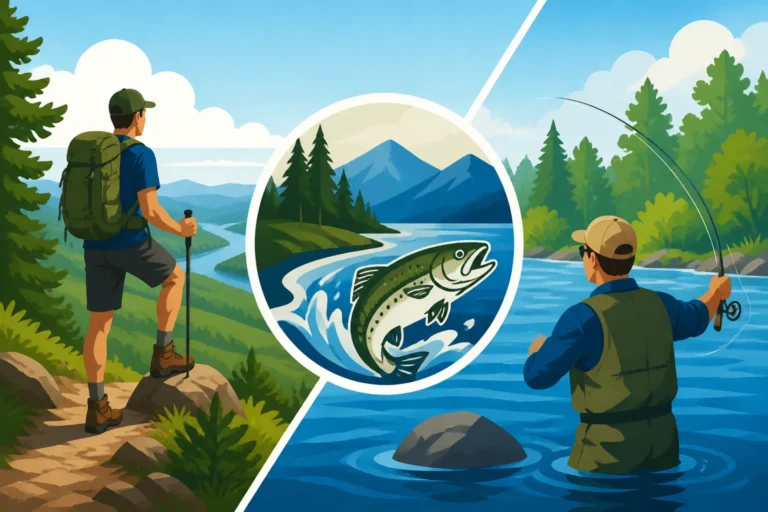
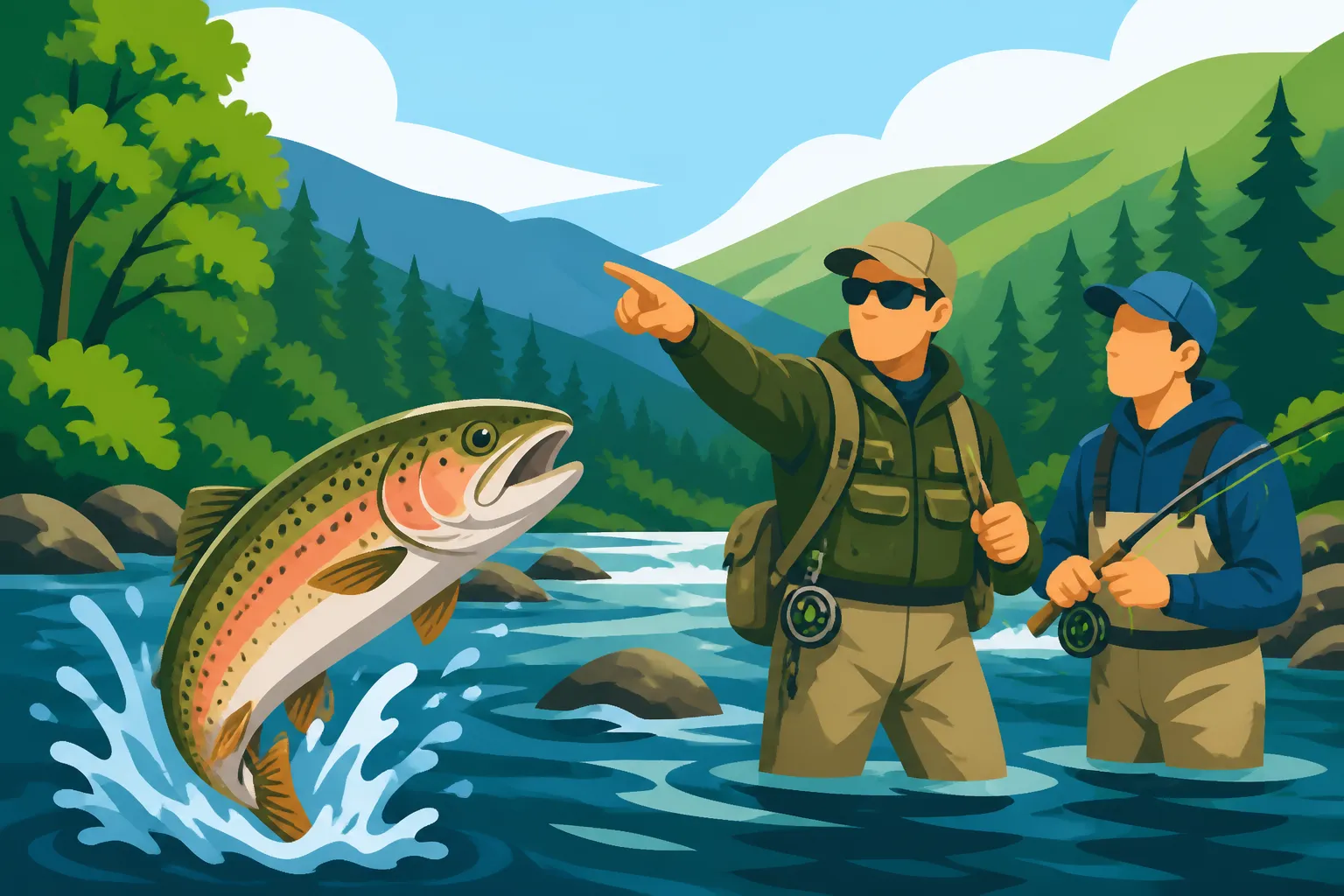
If you're using their equipment, they'll get you set up with the right rod, reel, and waders. Then it's off to the river! Depending on the guide and your preferences, you might spend the day wading different sections of the river, or if you've opted for a float trip, you'll be in a drift boat or raft, moving along the current. Your guide will constantly be assessing the water, pointing out likely fish-holding spots, and helping you present your flies or lures correctly. They'll adjust tactics as needed, switching fly patterns, changing leader setups, or moving to different sections of the river to find active fish. Lunch is typically a riverside affair, a chance to refuel, share stories, and take a breather before the afternoon's fishing.
Learning and Improving Your Skills
The beauty of a guided trip on the Farmington isn't just catching fish; it's the accelerated learning curve. Your guide will be a wealth of information, from reading the water and identifying seams and currents to perfecting your casting stroke or understanding entomology. They’ll teach you subtle tricks like mending your line to achieve a drag-free drift, or how to properly fight a strong trout in swift current.
Don't be afraid to ask questions! That's what they're there for. Ask them to explain why they chose a particular fly, or how to identify rising fish. Take notes if you want to remember specific techniques or patterns. Many anglers find that one guided trip provides more practical knowledge than weeks or even months of trial-and-error fishing on their own. This foundational learning is invaluable and will improve your fishing long after the trip is over, giving you the confidence to explore other Best Trout Streams in Connecticut on your own.
Responsible Angling Practices
A good guide doesn't just teach you how to catch fish; they instill a strong sense of ethical angling. They'll demonstrate proper catch-and-release techniques, emphasizing the importance of minimizing stress on the fish. This includes handling fish gently with wet hands, using barbless hooks, and quickly releasing them back into the water, especially in the sensitive TMA sections of the Farmington.
They'll also educate you on respecting the river environment, packing out all trash, and being mindful of other anglers. The Farmington River West Branch is a popular fishery, and maintaining good etiquette is crucial for everyone to enjoy the resource. Learning these responsible practices from a professional ensures that you become a part of the solution in preserving this incredible fishery for future generations. Understanding these best practices ties into the broader Connecticut Fishing Regulations Explained and ensures a sustainable fishing future for all.
Disclaimer
This article is for general informational purposes only and does not constitute professional advice. Laws, prices and regulations vary by location and change over time. Consult a qualified professional for guidance on your specific situation.