What safety equipment Connecticut charters are required to carry
Heading out on a fishing charter in Connecticut is supposed to be a fun, relaxing, and hopefully, fish-filled experience. But let's be honest, for many of us, there's always a little voice in the back of our heads wondering about safety, especially when you're on the open water. You're putting your trust in a captain and their vessel, and it's absolutely natural to want to know that they're prepared for anything. This guide is all about helping you understand the essential safety equipment that Connecticut fishing charters are legally required to carry, and what truly professional captains will have onboard to ensure everyone gets home safe and sound.
The Absolute Importance of Safety Gear on the Water
When you book a fishing charter, whether it's for striped bass out of Old Saybrook or fluke in Long Island Sound, you're stepping onto someone else's boat, often with unfamiliar waters ahead. The ocean, or even a large inland lake like Candlewood, can be unpredictable. Weather can shift in an instant, mechanical issues can arise, or an unexpected emergency might occur. That's why safety equipment isn't just a suggestion; it's a legal and ethical imperative. A captain's primary responsibility isn't just to put you on fish, but to ensure your well-being from the moment you step aboard until you're safely back on land. Understanding these requirements can give you peace of mind and even help you choose a reputable charter through platforms like FishingBooker.
Why Regulations Exist for Your Protection
Imagine going out on a boat with no life jackets, no way to signal for help, or no fire extinguisher. It's a terrifying thought, right? Maritime regulations, set by the U.S. Coast Guard (USCG) at the federal level and supplemented by the Connecticut Department of Energy and Environmental Protection (CT DEEP), are specifically designed to prevent these kinds of catastrophic situations. These rules aren't just bureaucratic red tape; they are the result of countless lessons learned, often the hard way. They represent a baseline of preparedness that every commercial vessel, including your fishing charter, must meet. When a charter adheres to these standards, it means they've taken the necessary steps to mitigate risks and protect everyone onboard, from the seasoned angler to the first-time fisher.
The Captain's Unwavering Commitment to Safety
A good captain isn't just checking off boxes on a compliance list; they genuinely understand that safety is paramount. They know that a well-maintained boat with all the required safety gear isn't just about avoiding fines; it's about getting their clients home to their families. This commitment often extends beyond the minimum legal requirements, showing a dedication to passenger safety that goes above and beyond. It’s part of what makes a Best Fishing Charters in Connecticut truly stand out. They'll not only have the gear but also know how to use it, and hopefully, have a crew member who is also well-versed in emergency procedures.
Core Federal and State Safety Equipment Requirements
When it comes to fishing charters in Connecticut, the requirements are primarily driven by U.S. Coast Guard regulations for uninspected passenger vessels, combined with state-specific boating laws. These rules dictate a range of equipment based on the size of the vessel and the number of passengers it carries. Let's break down the essential items you should expect to find.
Personal Flotation Devices (PFDs or Life Jackets)
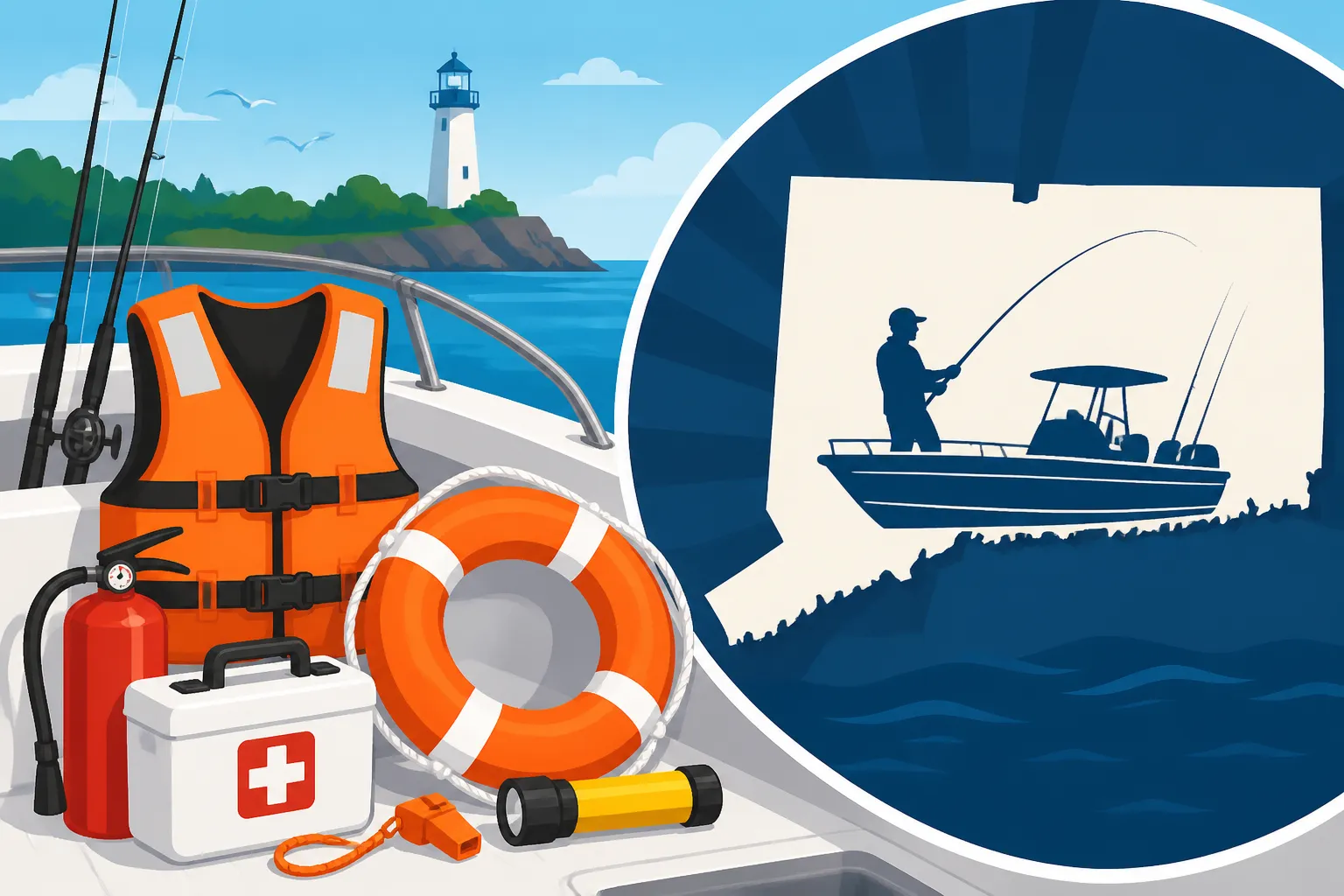
This is perhaps the most critical piece of safety equipment, and one that absolutely must be on board. Every single person on a charter boat – captain, crew, and all passengers – must have access to a properly sized and U.S. Coast Guard-approved Personal Flotation Device (PFD).
- Quantity and Sizing: There needs to be one readily accessible PFD for every person on board. This isn't just about having them; it's about having the right sizes. Children require specific sizes, and larger adults need PFDs that fit them properly. A reputable charter will have a selection of sizes on hand. Don't be shy about asking where they are stored and even trying one on, especially for kids, before you depart.
- Types of PFDs: Most charters will carry Type I or Type II PFDs, which are designed to turn an unconscious person face-up in the water. Some might have Type III (often worn for watersports) or even inflatable PFDs, but the key is that they are USCG-approved and in good, serviceable condition.
- Wearing Requirements: While you're not usually required to wear a PFD at all times on a larger charter boat in fair weather, certain conditions mandate it. Connecticut Cold Water Life Jacket Rule (October to May) requires anyone on a boat 16 feet or less to wear a PFD from October 1st through May 31st. While most charters are larger, captains will always have the discretion to require everyone to wear a PFD if conditions warrant, such as rough seas or bad weather. It's also critical for children; usually, those under a certain age (often 12 or 13, check Life Jacket Requirements for Connecticut Boaters for specifics) must wear one whenever the boat is underway.
Visual Distress Signals (VDS)
If you're out on the water and need help, you need a way to signal for it. Visual Distress Signals are vital for attracting attention in an emergency, especially from other boats or aircraft.
- Types of VDS: For vessels operating in coastal waters, which includes Long Island Sound and the lower Connecticut River, both day and night signals are required.
- Day Signals: These might include an orange distress flag (a square flag with a black square and circle) or orange smoke signals.
- Night Signals: Flares (red hand-held or aerial meteor flares) are common. Electronic visual distress signals (eVDs) are also gaining popularity as a safe and reusable alternative to traditional flares.
- Condition and Accessibility: All VDS must be unexpired and readily accessible. Old, expired flares are useless and dangerous, so a good captain will keep them up to date.
Sound Producing Devices
Visibility isn't always enough, especially in fog or low-light conditions. A sound-producing device is crucial for signaling intent or warning other vessels.
- Whistles and Horns: All vessels must carry a sound-producing device capable of producing an efficient sound signal audible for at least half a nautical mile. This could be a horn, whistle, or bell. Larger vessels often have an air horn, while smaller ones might rely on a powerful hand-held air horn or even a mouth whistle. These are essential for navigating in fog or for general collision avoidance.
Fire Extinguishers
Engines, fuel, and electrical systems all pose a fire risk on a boat. A U.S. Coast Guard-approved fire extinguisher is a non-negotiable item.
- Type and Quantity: The type and number of fire extinguishers depend on the size of the boat and whether it has an enclosed engine compartment. Most charters will carry at least one, often two, B-I or B-II type extinguishers, suitable for gasoline, oil, and electrical fires.
- Accessibility and Condition: They must be easily accessible and properly charged. A quick glance at the pressure gauge on an extinguisher can tell you if it's ready for use.
Navigation Lights
Operating at night or in low visibility requires proper lighting to be seen by other vessels and to signal your boat's orientation.
- Legal Requirements: Charters must have navigation lights that meet federal standards, including red and green sidelights, an all-around white stern light, and/or masthead light, depending on the vessel type and size. These lights must be functional and displayed from sunset to sunrise, and during periods of restricted visibility.
Anchor and Rode
While not strictly a "safety device" in the same way a life jacket is, a properly sized anchor with sufficient rode (anchor line) is critical for safety in many situations.
- Emergency Braking/Holding: If an engine fails near shore or in a strong current, an anchor can prevent grounding or drifting into danger. It's a fundamental piece of equipment for controlling the boat in an emergency.
- Holding Position: Beyond emergencies, an anchor is essential for holding position over a fishing spot or waiting out a passing squall.
Marine Sanitation Devices (MSD)
If the charter vessel has a head (toilet), it must be equipped with a U.S. Coast Guard-approved Marine Sanitation Device to prevent pollution. While this is an environmental regulation, it indirectly impacts safety by ensuring clean waterways and responsible operation.
Navigation and Communication Equipment
While the exact requirements vary, most commercial charters will have robust navigation and communication systems.
- VHF Radio: A working VHF marine radio is critical for communicating with other vessels, the Coast Guard, and shore stations. It's often the primary means of calling for assistance. This is distinct from a cell phone, which can lose signal or battery, and isn't monitored by the Coast Guard in the same way Channel 16 on a VHF is.
- GPS/Chartplotter: While not explicitly a "safety device" per se, reliable navigation equipment like a GPS and electronic chartplotter are crucial for safe passage, especially in unfamiliar waters or at night. It helps the captain avoid shoals, rocks, and ensures they know their precise location if they need to call for help.
Here’s a quick summary table of common safety equipment categories:
| Equipment Category | Key Items Expected | Purpose |
|---|---|---|
| Personal Flotation Devices | USCG-approved PFDs (life jackets) for all on board | Prevent drowning; keep individuals afloat |
| Visual Distress Signals | Flares (day/night), distress flag, eVDs | Signal for help in emergencies |
| Sound Producing Devices | Whistle, horn, bell | Signal intent, warn other vessels, navigate in low visibility |
| Fire Extinguishers | USCG-approved (B-I or B-II class) | Extinguish onboard fires |
| Navigation Lights | Sidelights, stern light, masthead light | Ensure visibility and indicate boat orientation at night |
| Anchoring Equipment | Anchor, sufficient rode | Hold position, prevent drifting in emergencies |
| Communication Gear | VHF Marine Radio | Call for assistance, communicate with other vessels |
| Navigation Aids | GPS, Chartplotter (often integrated) | Determine location, plot course, avoid hazards |
It's a lot to keep track of, but knowing that a charter listed on FishingBooker meets these federal and state standards, as outlined in Connecticut Boating Laws for Anglers, can help you feel confident about your choice.
Beyond the Basics: What Reputable Charters Often Carry
While meeting the legal minimum is essential, truly top-notch Connecticut fishing charters often go above and beyond. These captains understand that safety is a continuous commitment, not just a checklist, and they invest in additional gear and practices that enhance the security and comfort of their passengers.
Enhanced Medical Preparedness
Emergencies aren't always about sinking ships. A slipped hook, a sudden cut, or even a pre-existing medical condition can become serious on the water.
- Advanced First-Aid Kits: Beyond the basic band-aids and antiseptic wipes, many professional charters will carry a more comprehensive first-aid kit. This might include trauma dressings, splints, pain medication, allergy medication, and even specialized items like an EpiPen (if the crew is trained to administer it) or a defibrillator (AED).
- Medical Training: A truly prepared captain or crew member might have advanced first aid, CPR, or even wilderness first responder training. Don't hesitate to ask if they have such certifications. It speaks volumes about their commitment.
Auxiliary Power and Redundancy
What happens if the main engine fails or the primary electrical system goes down? Good captains plan for these contingencies.
- Backup Batteries/Power: Beyond the primary battery system, many boats will have dedicated backup batteries for critical electronics like the VHF radio and navigation lights. Some might even carry portable jump-starter packs.
- Auxiliary Engines: While not always feasible for every boat, some larger vessels or those venturing further offshore might have a small "kicker" motor as a secondary propulsion system in case of main engine failure.
- Extra Fuel: Carrying an emergency reserve of fuel can prevent being stranded if calculations go awry or conditions change unexpectedly.
Environmental Monitoring and Contingency Planning
The weather in Connecticut, especially on Long Island Sound, can change rapidly. Good captains are always monitoring conditions.
- Weather Radar and Satellite Systems: Many modern charters integrate advanced weather radar or satellite weather overlay systems into their navigation displays. This allows them to see developing storms and make proactive decisions about routes or returning to port.
- Emergency Position Indicating Radio Beacon (EPIRB) or Personal Locator Beacon (PLB): These devices are invaluable for offshore excursions. An EPIRB, once activated, transmits a distress signal to satellites, pinpointing the vessel's location to rescue authorities. PLBs offer a similar function for individuals. While not strictly required for all uninspected passenger vessels, many captains opt to carry them for added peace of mind.
- Drogues/Sea Anchors: In extremely rough seas, a drogue or sea anchor can be deployed to slow the boat's drift and keep its bow pointed into the waves, providing more stability and comfort, and preventing capsizing.
- De-watering Devices: Besides the standard bilge pump, some boats carry additional portable pumps or buckets specifically for de-watering in case of a significant hull breach.
Navigational Tools and Redundancy
Even with a fancy GPS, old-school navigation still has a place.
- Paper Charts and Compasses: A prudent captain will always have up-to-date paper charts for the area of operation and a reliable magnetic compass as a backup in case of electronic failure.
- Binoculars: Useful for spotting distant markers, other vessels, or even debris in the water that could pose a hazard.
Booking through a platform like FishingBooker can sometimes offer insights into a charter's safety record or features, but always verify directly with the captain. How to Choose a Connecticut Fishing Charter can help you formulate specific questions.
Your Role as an Angler: What You Should Know and Ask
As a passenger, you also have a role to play in ensuring your safety. Don't be afraid to ask questions, observe your surroundings, and speak up if you have concerns. A good captain will appreciate your engagement.
Before You Book: Essential Questions
Before you even step foot on the boat, a quick conversation can tell you a lot.
- "What safety equipment do you carry?": A straightforward question. A confident captain will be able to rattle off their gear quickly and assure you they meet all USCG requirements.
- "Are you USCG licensed?": This is fundamental. All commercial charter captains in Connecticut must hold a valid U.S. Coast Guard Merchant Mariner Credential. This ensures they've passed exams on navigation, rules of the road, and emergency procedures. You can delve deeper into Licensing Requirements for Connecticut Charter Captains for more details.
- "Do you provide PFDs for all sizes, especially children?": If you're bringing kids, this is crucial. Make sure they have PFDs that fit.
- "What is your policy regarding weather and cancellations?": A responsible captain will prioritize safety over a booked trip. They should have a clear policy for bad weather. This is a good sign that they put safety first.
Platforms like FishingBooker can sometimes indicate a charter's safety features, but confirming directly is always best.
Onboard the Charter: Observations and Actions
Once you're on the boat, take a moment to orient yourself.
- Life Jacket Location: Pay attention during the captain's pre-trip safety briefing (which all good captains will do). Know where the PFDs are stored and how to access them. For kids, ensure their PFD is fitted correctly from the start.
- Emergency Exits/Procedures: Understand how to exit the cabin, or what to do in a "man overboard" situation. The captain will typically explain this.
- Communication: If you see something concerning, or if you feel unwell, immediately communicate with the captain or crew. Don't hesitate.
- Listen to the Captain: Always, always follow the captain's instructions, especially regarding movement on the boat, handling fish, or during changing weather conditions. Their experience is invaluable.
- Pack Appropriately: While the charter provides safety gear, your personal preparedness helps. What to Bring on a Connecticut Fishing Charter covers essentials like appropriate clothing for varying weather, seasickness remedies, and sun protection, all of which contribute to a safer and more comfortable trip. Even small things, like having good grip on your shoes, prevent falls.
Knowing what safety equipment Connecticut fishing charters are required to carry, and what additional gear to look for, empowers you as an angler. It's about more than just rules; it's about ensuring that your adventure on the water is not only memorable but also as safe as possible.
Disclaimer
This article is for general informational purposes only and does not constitute professional advice. Laws, prices and regulations vary by location and change over time. Consult a qualified professional for guidance on your specific situation.