Best charters with flexible weather reschedule policies
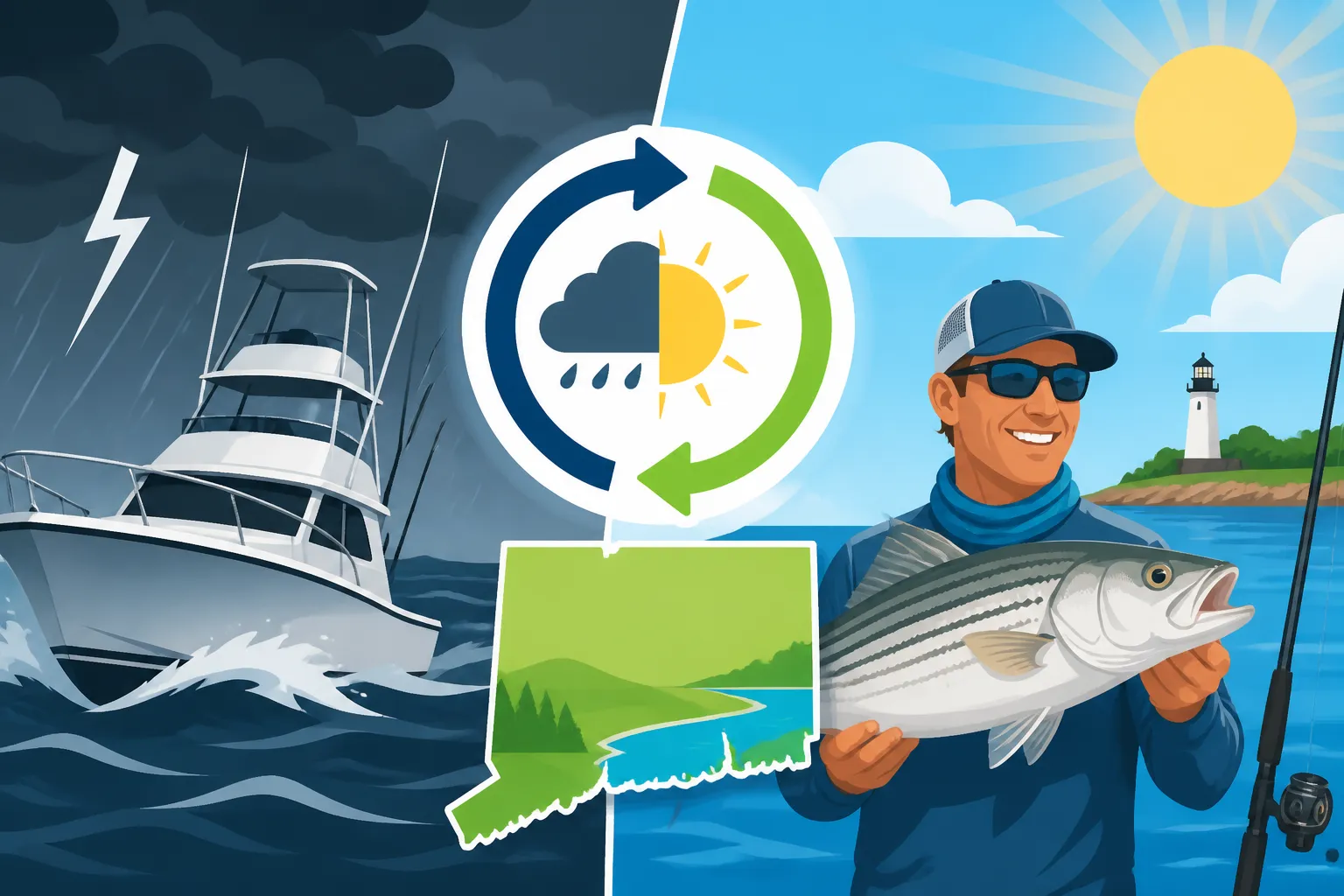
There’s nothing quite as frustrating as planning the perfect Connecticut fishing trip, getting all your gear ready, waking up before dawn, only to have the weather gods decide otherwise. A sudden squall, heavy fog, or even just persistently drizzly, uncomfortable conditions can derail your dreams of reeling in that trophy striped bass or filling a cooler with fluke. This guide is all about helping you navigate the unpredictable nature of New England weather by showing you how to find fishing charters with flexible weather reschedule policies, ensuring your hard-earned day on the water isn't lost to Mother Nature's whims.
The Unpredictable Nature of Connecticut Weather and Its Impact on Fishing Trips
Anyone who's spent time on the water in Connecticut knows that the weather can change in a heartbeat. One moment it's sunny and calm, the next you're dodging rain showers or battling choppy seas. This isn't just an inconvenience; it can genuinely impact your safety, comfort, and ultimately, your fishing success.
Sudden Storms and Unsafe Conditions
Imagine you’ve booked a full-day trip out on Long Island Sound, dreaming of big bluefish and striped bass. You wake up, and the forecast has shifted dramatically. A severe thunderstorm warning is now in effect, or the wind is predicted to gust well over what's safe for comfortable fishing. No experienced captain is going to risk their vessel or your safety in such conditions. It’s not just about the rain; high winds can whip up waves quickly, making for a miserable and dangerous ride, especially in a smaller boat. Fog can also be a huge concern, severely limiting visibility and making navigation treacherous in busy waterways.
It’s easy to feel disappointed when a trip gets canceled due to weather, but it’s always for the best. Responsible captains prioritize safety above all else. They know the local waters and weather patterns intimately. If they call off a trip, it’s not a personal slight; it’s a professional judgment call to keep everyone safe. You'll often find that the decision comes down from the Coast Guard or local marine patrol advisories, which reputable captains will always adhere to.
Why Flexibility Matters More Than You Think
When you’re investing time and money into a fishing charter, flexibility in case of bad weather isn't just a nice-to-have; it's absolutely essential. Without a clear and fair reschedule policy, you could be left out of pocket, with no fishing trip to show for it, and the difficult task of trying to rebook or get a refund. For families planning a special outing or groups traveling from out of state, the stakes are even higher. You might have limited windows to fish, and losing a day due to weather without a good reschedule option can mean missing your chance entirely.
A charter's willingness to work with you on weather-related issues speaks volumes about their customer service and understanding of the angler's experience. It acknowledges that fishing is an outdoor activity subject to natural elements beyond anyone's control. It’s a sign of a captain who values their clients and wants to ensure they eventually get that fantastic fishing experience they booked. This is particularly important for those looking into something like a Connecticut Fishing License Guide for 2026 and planning a long trip, as you don't want your license to go to waste.
What to Look For in a Charter's Weather Policy
Before you hand over any deposit, it's critical to understand the charter's stance on weather. Don't assume anything; always ask for specifics.
Understanding Different Rescheduling Options
A truly flexible weather policy will typically offer a few options if the captain deems conditions unsafe or unfishable. The gold standard is usually a straightforward reschedule. This means you can pick another date that works for both you and the captain, often within the same fishing season or even extending into the next, depending on the charter's specific terms. Some charters might offer a "rain check" credit for a future trip, which is also a good option.
Less common, but sometimes available, is a full refund if rescheduling isn't possible, or if there are no suitable alternative dates. Be wary of policies that only offer a partial refund or apply a hefty cancellation fee even when the captain initiates the cancellation due to weather. A good policy will clearly state who makes the call on weather cancellations (always the captain, for safety reasons) and what your options are. Make sure you understand the difference between a "bad weather day" and a "rainy day." A light drizzle might not warrant a cancellation, but heavy seas or lightning certainly would. This is especially relevant if you are planning on Trolling Techniques for Long Island Sound Striped Bass where safety in rough waters is paramount.
Red Flags in Weather Policies to Avoid
Unfortunately, not all charter policies are created equal, and some can leave anglers feeling frustrated and out of pocket. Here are some red flags to watch out for:
- Captain's Discretion Only, No Options: If the policy states the captain makes the call, but doesn't offer any clear alternatives like rescheduling or a refund, it's a red flag. You don't want to be in a position where your trip is canceled, and your money is simply held with no clear path forward.
- "Rain or Shine" Policy (with no safety clause): While a charter might run in light rain, if they insist on "rain or shine" even in severe weather without a safety clause that allows the captain to cancel, that's a huge concern. Your safety should always be the priority.
- Last-Minute Cancellation Fees: Charging a cancellation fee when the captain cancels due to weather is unacceptable. This is different from your canceling for personal reasons. A good charter won't penalize you for conditions beyond anyone's control.
- Unclear Communication: A policy written in vague terms, or one that requires you to jump through hoops to understand your options, is a sign of potential trouble. Clarity and transparency are key. Always ask if you can receive the policy in writing before booking, which helps avoid any misunderstandings down the line. This is one of the important Red flags to watch for when booking a Connecticut charter.
Communication is Key: Before, During, and After Booking
The best charters aren't just about their written policies; they're also about clear, proactive communication. Before you even book, ask direct questions about their weather policy. Don't be shy! A good captain will be happy to explain it. During the booking process, confirm that you've received and understood the policy.
As your trip date approaches, especially if the forecast looks iffy, a proactive captain will often reach out a day or two in advance to discuss the outlook. They might offer an earlier start, a later start, or suggest rescheduling if it looks truly bad. If you have concerns, don't hesitate to call the captain yourself. Open communication ensures everyone is on the same page, minimizes stress, and builds trust. If a trip is canceled, expect clear instructions on how to reschedule or what your next steps are. For example, if you were planning to use specific techniques, like those detailed in Jigging for Fluke in Long Island Sound, you'd want to know if conditions are still viable.
Finding Charters with Angler-Friendly Weather Policies
So, how do you find these gems that prioritize your experience and offer sensible weather policies? It takes a bit of research, but it's well worth the effort.
Researching Captains and Their Reputations
Word of mouth is powerful in the fishing community. Ask fellow anglers, check local fishing forums, and browse social media groups specific to Connecticut fishing. Often, you'll hear stories – both good and bad – about how captains handle cancellations. A captain with a stellar reputation will frequently be praised for their flexibility and fairness when weather throws a wrench in the plans.
When looking at a captain's website or booking page, actively seek out their "Terms and Conditions" or "Cancellation Policy." If it's not readily available, that's a sign you need to ask for it directly. A responsible business will have this information clearly stated. Don't just skim it; read it carefully, paying close attention to sections on "weather cancellations," "captain's discretion," and "rescheduling." Look for language that suggests a willingness to work with you. You'll want to choose a charter that understands the local nuances, whether you're interested in Striped Bass Fishing in Long Island Sound or chasing trout in inland rivers.
Leveraging Booking Platforms and Reviews
Online booking platforms can be incredibly helpful in this search. Websites like FishingBooker often feature dedicated sections for cancellation policies on each charter's profile. More importantly, they aggregate reviews from past clients, which are invaluable. Pay close attention to reviews that specifically mention weather-related cancellations or rescheduling experiences. Did the charter handle it professionally? Were clients offered fair options? A common thread of positive feedback regarding weather flexibility is a strong indicator you're on the right track.
When using such platforms, filter your search by location, target species, and even specific types of trips, but always dive into the details of the cancellation policy. Many platforms make it easy to compare policies side-by-side, which can save you a lot of time. If you see a charter consistently rated highly for being accommodating, that’s a great sign. Remember, a good review isn't just about catching fish; it's about the entire customer experience, including how unforeseen circumstances are managed. Booking through reputable sites can also offer an added layer of customer support if any issues arise, which can be a huge relief when trying to figure out What happens if weather cancels a Connecticut charter.
Here's a quick comparison of what to look for:
| Feature | Angler-Friendly Policy | Red Flag Policy |
|---|---|---|
| Cancellation Decision | Captain's discretion, purely for safety. | Captain's discretion, often vague on specifics. |
| Rescheduling Options | Flexible date changes, credit for future trips. | Limited dates, short expiration for credits. |
| Refunds | Full refund if reschedule is impossible. | No refunds, or only partial with fees. |
| Communication | Proactive captain contact for iffy forecasts. | Angler must initiate contact, reactive only. |
| Fees (Capt. Cancel) | No fees for weather cancellations. | Charges cancellation fees even for captain's call. |
| Policy Clarity | Clearly written, easy to find on website/platform. | Vague language, hidden in fine print. |
| Review Mentions | Positive comments on flexibility with weather. | Complaints about rigidity, lost deposits. |
This table helps you quickly assess a charter's policy. Always prioritize those that clearly outline their commitment to safety and customer satisfaction, particularly when dealing with the unpredictable conditions you might encounter during Connecticut Fishing Seasons by Month.
Preparing for the Unexpected: Angler's Checklist
Even with the most flexible charter policy, it’s smart to have a personal plan. Being prepared can reduce stress and ensure you make the most of your trip, no matter what happens.
Proactive Steps Before Your Trip
Long before your trip date, ideally when you're first booking, make sure you understand the charter's exact policy regarding weather cancellations. Don't just read it, ask questions if anything is unclear. Confirm who makes the decision (always the captain), what your options are (reschedule, credit, refund), and any time limits for rescheduling. Keep a copy of the policy, either printed or digitally.
Leading up to your trip, keep a close eye on the weather forecast. Websites like the National Weather Service, NOAA Marine Forecast, or even local news channels can give you a good heads-up. If you see a significant change or potential for severe weather, consider reaching out to your captain a day or two in advance. This shows you're engaged and helps them manage their schedule. Remember, they're often juggling multiple trips, so being proactive is helpful. Having this information helps you pack appropriately, considering things like a Connecticut Cold Water Life Jacket Rule (October to May) if you're fishing during those colder months.
What to Do if Your Trip is Called Off
If the captain calls to cancel your trip due to weather, don't despair! Your first step should be to confirm your options based on their policy. If rescheduling, have a few alternative dates in mind that work for you. Be flexible yourself if possible; captains often have limited availability, especially during peak seasons for species like those found during Striped Bass Migration Along the Connecticut Coast.
If rescheduling isn't an option and you're due a refund, confirm the process and expected timeline for receiving your money back. Keep any communication with the captain or booking agent (e.g., FishingBooker customer service) in writing, if possible. This creates a record of your interactions and agreed-upon resolutions. A good charter wants you to have a positive experience, even if it means waiting for the weather to clear, and they'll work with you to make it right. Remember, the goal is always to get you out on the water eventually, so approach the situation with patience and understanding.
Disclaimer
This article is for general informational purposes only and does not constitute professional advice. Laws, prices and regulations vary by location and change over time. Consult a qualified professional for guidance on your specific situation.