Connecticut trout season opening day for 2026
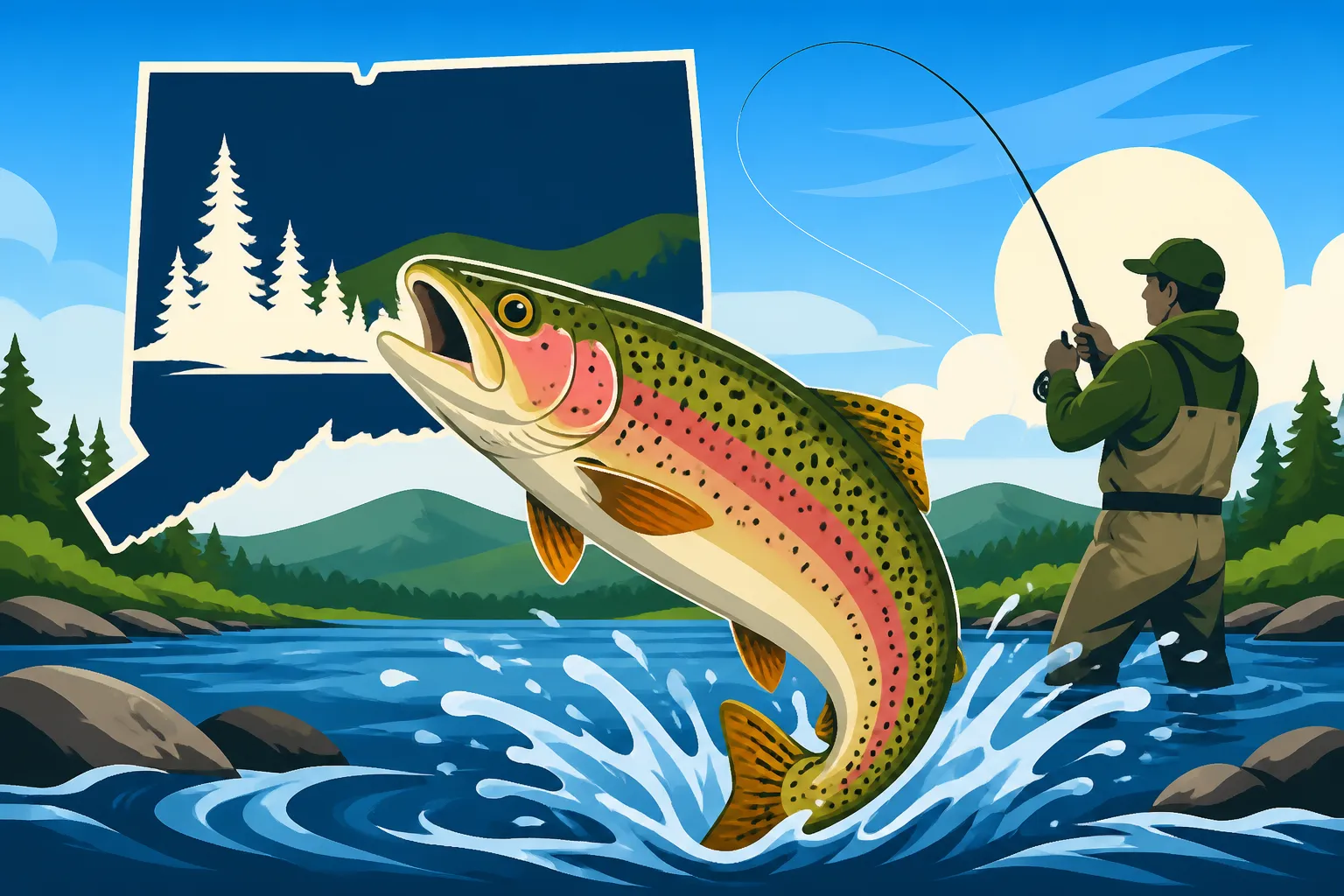
For many of us who call Connecticut home, or even those who travel here to wet a line, there's a particular day on the calendar that stands out like a beacon of hope after a long winter: trout season opening day. The anticipation, the planning, the sheer joy of that first cast into freshly stocked waters – it's a feeling every angler knows well. This guide is dedicated to helping you navigate everything you need to know about the Connecticut trout season opening day for 2026, from understanding its significance to ensuring you're fully prepared for a fantastic start to the fishing year.
Understanding Connecticut's Trout Opening Day Tradition
The opening day of trout season in Connecticut isn't just another date on the calendar; it's a revered tradition, a rite of spring that signals the end of winter's chill and the rebirth of outdoor activity. For generations, families and friends have gathered along riverbanks and pond shores, united by the shared excitement of pursuing freshly stocked trout. This isn't just about catching fish; it's about community, connecting with nature, and passing down a love for angling.
The Historical Significance and Angler Excitement
Think about it: after months of cold weather, maybe some ice fishing if you're lucky, the idea of open water and active fish is incredibly appealing. Historically, trout season opening day marked the official start of "fishing season" for many freshwater anglers, even though other species are available year-round. The Connecticut Department of Energy and Environmental Protection (DEEP) plays a huge role here, working tirelessly to stock thousands upon thousands of trout into our streams, rivers, and ponds in the weeks leading up to this highly anticipated day. This massive stocking effort ensures that there are plenty of eager fish for everyone, from seasoned veterans to excited newcomers. The sheer volume of fish released transforms many waterways into hotspots, creating an atmosphere of friendly competition and shared camaraderie. It’s a day when old fishing stories are retold, and new ones are made, solidifying its place in the heart of Connecticut's angling culture.
Why Opening Day is Different from Other Fishing Days
What makes opening day so unique? It's more than just the abundance of fish. There’s a palpable energy that fills the air – the buzzing excitement of anglers huddled together, the smell of fresh coffee and damp earth, the hopeful splashes as lines hit the water right at the crack of dawn. Unlike a quiet Tuesday morning in July, opening day brings a crowd, a festive gathering of like-minded individuals. The fish, having just been introduced to their new homes, are often less wary, making for a fantastic opportunity to teach kids how to fish or to guarantee some action for yourself. The DEEP deliberately holds back on stocking certain waters until close to opening day, further concentrating fish and amplifying the experience. It's a sprint, not a marathon, with many anglers aiming to catch their limit early in the day, then spending the rest of their time soaking in the atmosphere or exploring new spots.
Key Dates and Regulations for 2026 Trout Season Opening Day
Getting the date right and understanding the rules is paramount to a successful and legal opening day experience. While the Connecticut DEEP officially announces the exact dates closer to the year, the tradition of opening day has a very strong pattern that anglers can rely on. Being prepared means knowing not just when to go, but how to ensure you're compliant with all state regulations.
Anticipated Opening Day for 2026
Historically, Connecticut's trout season opening day falls on the second Saturday in April. Following this long-standing tradition, the anticipated opening day for trout season in Connecticut for 2026 would be Saturday, April 11th, 2026. While this is the traditional date, always be sure to double-check the official Connecticut DEEP fishing guide when it's released for 2026 to confirm. This guide is usually available online and at tackle shops, and it's your definitive source for all regulations. Keep an eye out for any special announcements or potential changes, though the second Saturday in April has been a consistent fixture for many years. Missing this date would mean missing out on some of the hottest action of the year! You can learn more about general dates in our comprehensive guide to Connecticut Fishing Season Dates and Closures.
Essential Regulations to Keep in Mind
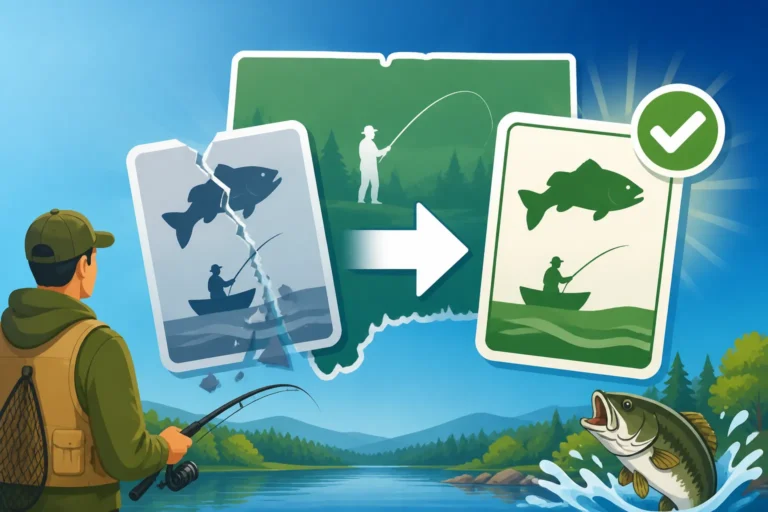
Beyond just showing up on the right day, you absolutely need to be familiar with the regulations. Fishing without a valid license is a definite no-go, so make sure you have your Connecticut Fishing License Guide for 2026 in order. For the specific date of opening day, it's particularly crucial to understand the rules regarding trout management areas and daily limits. Many waters have specific regulations that might differ from general statewide rules, especially those designated as Wild Trout Management Areas or Trout Management Areas. These areas often have different season dates, tackle restrictions, or catch-and-release only rules. For general stocked waters, the daily creel limit for trout is usually five fish, with a minimum length of nine inches, but this can vary. It’s also vital to remember that a Trout & Salmon Stamp is often required in addition to your regular fishing license if you plan to keep trout from designated trout waters. You can find detailed information about the Connecticut Trout and Salmon Stamp, Explained in our other articles.
Here’s a quick overview of what you'll typically need to be aware of:
| Regulation Aspect | General Rule (Anticipated for 2026 Opening Day) | Important Note |
|---|---|---|
| Opening Day | Second Saturday in April (Anticipated: April 11, 2026) | Always confirm with official CT DEEP 2026 Fishing Guide. |
| Fishing License | Required for ages 16 and older. | Purchase online or from a vendor. Don't forget your Connecticut Fishing License Age Requirements. |
| Trout & Salmon Stamp | Required if you intend to harvest (keep) trout or salmon. | An extra stamp purchased in addition to your fishing license. |
| Daily Creel Limit | Typically 5 trout per person. | Check specific waterbody regulations! Some waters have different limits. |
| Minimum Length | Typically 9 inches for trout. | Some waters, like Trophy Trout Streams, have different minimums. |
| Designated Trout Waters | Stocked heavily. Subject to specific seasonal closures and regulations. | Many are closed to fishing prior to opening day. Consult the Reading the Connecticut Fishing Guide for maps. |
| Gear Restrictions | Generally, all legal methods (bait, lure, fly) are allowed in general areas. | Special Regulation Waters may have fly-fishing only or artificial lure restrictions. |
Remember, ignorance of the law is no excuse. Always consult the official Connecticut Fishing Guide, which provides the most current regulations.
Preparing for Opening Day: Tips and Common Pitfalls
Opening day can be a whirlwind of excitement, but a little preparation goes a long way. You don't want to be fumbling with gear or realizing you forgot something crucial when the fish are biting. Being ready means having the right equipment, knowing your chosen spot, and understanding the conditions.
Essential Gear and Bait Recommendations
For opening day trout, you don't necessarily need the most expensive gear, but reliability is key. A light to medium-light action spinning rod, around 5'6" to 6'6" long, paired with a small spinning reel spooled with 4-6 lb test monofilament or fluorocarbon line is a perfect all-around setup. If you're looking for new gear, you can often find great deals on reliable brands on Amazon. A good tackle box, something like a Plano or similar, filled with a variety of offerings is essential.
For bait, powerbait in various colors (chartreuse, rainbow, pink) is a classic for newly stocked trout, as are small worms like mealworms or red wigglers. Small spinners (Mepps, Panther Martin, Rooster Tail) in sizes 0-2, or tiny spoons (Kastmaster, Little Cleo) are also highly effective. For fly anglers, don't overthink it; Woolly Buggers, Squirmy Wormies, or an assortment of nymphs (Pheasant Tail, Hare's Ear) can be incredibly productive. Make sure you have a landing net – it makes handling fish so much easier and safer for both you and the fish. And, of course, a comfortable pair of waders if you plan on getting into the stream, which you can also easily pick up on Amazon.
Choosing Your Spot and Arriving Early
Connecticut boasts an incredible array of trout waters. From the tranquil ponds of the eastern part of the state to the roaring rivers like the Farmington and Housatonic, there's a spot for everyone. Popular choices for opening day include the designated "Trout Management Areas" or rivers that receive significant stockings, such as the Farmington River, the Saugatuck River, or many of the state's trout parks. Our guides on Best Trout Streams in Connecticut and Connecticut Interactive Trout Stocking Map, Explained can help you scout locations.
The key to a good spot on opening day? Arrive early. And by early, I mean early. Parking lots often fill up before dawn, especially at prime locations. Getting there an hour or two before sunrise not only secures you a good fishing spot but also allows you to set up your gear, enjoy a hot coffee, and soak in the pre-dawn atmosphere before the mad rush. Consider scouting your spot a week or two beforehand, if possible, to check access points, water levels, and potential hazards.
Managing Crowds and Fishing Etiquette
Opening day often means crowds, particularly at easily accessible and heavily stocked locations. This is where patience and good fishing etiquette come into play. Give fellow anglers space, especially if they’re already set up. Avoid casting over someone’s line, and be mindful of your backcast if you’re fly fishing. If a spot is packed, consider exploring a bit further upstream or downstream – often, just a short walk away from the main access points can yield more solitude and equally good fishing. A friendly nod or a quick chat with your neighbors can make the experience more enjoyable for everyone. Remember, we’re all out there to enjoy the day, and a little courtesy goes a long way.
Beyond Opening Day: What to Expect Post-Stocking
While opening day gets all the fanfare, the trout season is far from over once that first Saturday passes. The DEEP continues its stocking program, and the fish, while perhaps a bit more educated, continue to provide excellent angling opportunities throughout the spring and into early summer. Understanding the post-opening day dynamics can help you extend your trout fishing success.
Follow-Up Stockings and Water Conditions
Connecticut's trout stocking program is quite extensive, with thousands of trout released not just for opening day, but in continuous "maintenance stockings" throughout April, May, and sometimes into June, depending on water temperatures. This means that if you miss opening day, or if the crowds were too much, you still have ample opportunities to catch fish. The Connecticut Trout Season and Stocking Rules provides a great overview of this process. As the spring progresses, water temperatures will gradually rise. This can change where trout hold in the streams and what baits or lures they prefer. In cooler early spring, trout might be more spread out, but as water warms, they'll seek out cooler, oxygenated water in deeper pools or faster riffles. Being observant of these changes can significantly improve your success.
Adapting Your Techniques for Wary Trout
Those fresh, naive trout that were so easy to catch on opening day? They get smart quickly. After a few days or weeks of angler pressure, they become more wary and selective. This is when you need to adapt your techniques. Instead of bright, flashy powerbait, try more natural presentations with live worms or subtle artificial flies. For spinners and spoons, consider smaller sizes or more natural colors. Lightening your line to 2-4 lb test can make a big difference, as can using longer leaders, especially in clear water. Approaching the water quietly and making longer casts to avoid spooking fish become much more important. This is where the challenge and true satisfaction of trout fishing often begin – figuring out what the fish want and how to present it effectively. For more advanced tactics, check out our piece on Spring Trout Fishing Techniques for Connecticut Streams.
Exploring Special Regulation Waters and Wild Trout Streams
If you're looking for a different kind of challenge, or simply wish to avoid the crowds associated with heavily stocked waters, Connecticut offers some fantastic special regulation waters and wild trout streams. These areas, often designated as "Trout Management Areas" (TMAs) or "Wild Trout Management Areas" (WTMAs), often have catch-and-release only rules, fly fishing only restrictions, or different length and creel limits. Places like the West Branch of the Farmington River or portions of the Housatonic River are renowned for their holdover and wild trout populations, offering a truly unique angling experience. Fishing these waters requires a different approach, often favoring technical fly fishing or ultralight spin fishing with artificial lures. Our guide to Connecticut Trout Management Area Regulations delves into these specific rules and locations, providing a pathway to some of the state's most rewarding trout fishing experiences. These spots often stay productive long after the initial opening day frenzy, providing sustained action for dedicated anglers.
Disclaimer
Please note that fishing regulations, season dates, and stocking schedules are subject to change by the Connecticut Department of Energy and Environmental Protection (DEEP). While every effort has been made to provide accurate and up-to-date information, anglers are always advised to consult the official Connecticut Fishing Guide, typically published annually by the DEEP, for the most current and authoritative rules and regulations before heading out to fish.