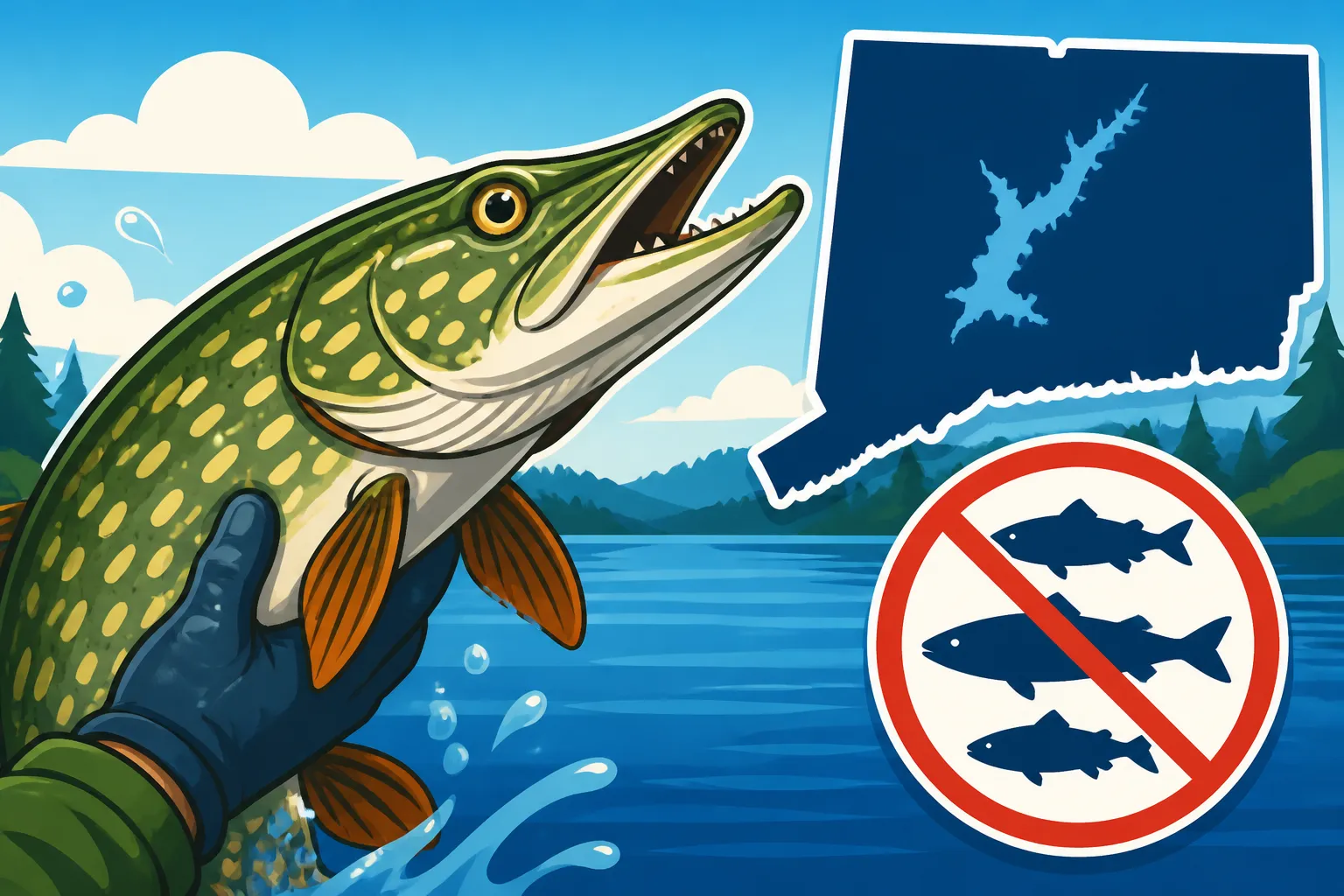
Connecticut northern pike limit on Bantam Lake
It's a common frustration among anglers: you've planned your trip, you know the general state fishing laws, but then you hear whispers of "special regulations" for specific bodies of water. This is exactly the case when it comes to northern pike on Connecticut's Bantam Lake. Suddenly, the statewide rules you meticulously memorized might not apply, leaving you scratching your head and worried about staying legal. This guide is here to clear up any confusion, providing a detailed look at the northern pike limits on Bantam Lake and offering insights into why these rules are in place, so you can fish with confidence and respect for this unique fishery.
Navigating Connecticut's Northern Pike Regulations on Bantam Lake
Connecticut's Department of Energy and Environmental Protection (DEEP) manages our fisheries with a close eye on individual water bodies, and Bantam Lake is a prime example of a place that gets special attention. While many species fall under a general statewide regulation, northern pike in Bantam Lake have their own specific rules designed to protect and enhance this magnificent predator fishery. Ignoring these nuanced regulations can lead to a less than ideal day on the water, or worse, a costly citation.
The Specifics: Length and Creel Limits
When you're out on Bantam Lake targeting northern pike, you absolutely need to remember two key numbers: the minimum length and the daily creel limit. These are not just suggestions; they are legally binding requirements for every angler. It's easy to get them mixed up with other species or general rules, so let's break it down explicitly.
For northern pike in Bantam Lake, the minimum length limit is 26 inches, and the daily creel limit is 1 fish. This means any northern pike you catch that measures less than 26 inches from the tip of its snout to the end of its tail must be immediately and carefully released back into the water. Furthermore, you are only permitted to keep one northern pike of legal size per day. This is a significant departure from the standard statewide northern pike regulations, which typically allow for a 24-inch minimum length and a 2-fish daily creel limit. This stricter approach for Bantam Lake is a deliberate choice by the DEEP, aimed at cultivating and sustaining a population known for its larger, more impressive specimens. Imagine hooking into a true trophy pike, only to realize you kept it but already had one in the cooler, violating the creel limit. That's a mistake no one wants to make.
Why These Regulations Differ from Statewide Rules
It's natural to wonder why a particular lake would have different rules. The answer lies in the unique ecological characteristics of Bantam Lake itself and the DEEP's management goals for this specific fishery. Bantam Lake is not just any body of water; it's the largest natural lake in Connecticut, spanning over 947 acres, and it boasts an exceptional habitat for northern pike.
The DEEP's objective for Bantam Lake's northern pike population is to foster a trophy fishery. This means they are actively managing for bigger, older fish that provide a more exciting and challenging angling experience. By increasing the minimum length limit to 26 inches, more pike are allowed to survive longer, grow larger, and reach sexual maturity, contributing to a robust breeding population. The reduced daily creel limit of one fish further lessens the harvest pressure on these larger individuals. This allows those truly massive pike, the ones that make your heart pound when they hit your lure, to stay in the system for longer. These regulations are a long-term investment in the quality of fishing on Bantam Lake, ensuring it remains one of the premier destinations for pike anglers in the region. Without these specific rules, the lake's population could easily be overfished, diminishing its reputation as a haven for big pike. You can find more details on how these rules fit into the bigger picture in our comprehensive guide on Connecticut Fishing Regulations Explained.
Here's a quick comparison of the regulations for clarity:
| Regulation Type | Statewide Northern Pike Regulations | Bantam Lake Northern Pike Regulations |
|---|---|---|
| Minimum Length | 24 inches | 26 inches |
| Daily Creel Limit | 2 fish | 1 fish |
Remember, these Bantam Lake specific regulations supersede any general statewide rules for northern pike. Always check the most current Connecticut Fishing Guide published by the DEEP before heading out, as regulations can occasionally be updated. Knowing this ahead of time will save you a lot of headache and ensure your fishing adventure is both enjoyable and compliant. And of course, don't forget to secure your Connecticut Fishing License Guide for 2026 before casting a line.
The Rationale Behind Bantam Lake's Special Pike Management
Understanding why certain regulations are put in place can significantly enhance your appreciation for a fishery and encourage responsible angling. For Bantam Lake, the specific northern pike limits aren't arbitrary; they are the result of careful scientific study and a deliberate conservation strategy by the Connecticut DEEP. This isn't just about limiting your catch; it's about protecting a valuable resource and ensuring quality fishing for years to come.
Fostering a Trophy Fishery
Connecticut DEEP's primary goal for northern pike in Bantam Lake is to cultivate and maintain a trophy fishery. What does this mean, exactly? It means they want anglers to have a reasonable chance of catching truly large pike, the kind that command respect and make for incredible stories (and photos!). Pike are predatory fish, and they need time to grow to impressive sizes. A 26-inch minimum length ensures that more pike survive their early years and have the opportunity to reach that larger, more desirable size class. If the minimum were lower, many medium-sized pike, still far from their full growth potential, might be harvested.
Consider the lifecycle of a northern pike: they grow relatively quickly in their first few years but then their growth rate slows. The biggest pike are often the oldest and most successful breeders. By protecting these fish through stricter length limits, the DEEP allows them to not only become larger and more challenging to catch, but also to contribute more robustly to the lake's genetics, potentially passing on traits for fast growth and large size to future generations. The one-fish creel limit further reduces the overall harvest pressure, especially on these prized, larger individuals, allowing more of them to remain in the lake and continue to grow. This is a stark contrast to a put-and-take fishery, where the goal might be simply to provide lots of catchable fish for immediate harvest. Bantam Lake is managed for quality, not just quantity.
Ecological Balance and Sustainable Angling Pressure
Beyond just growing bigger fish, these regulations play a crucial role in maintaining the overall ecological balance of Bantam Lake. Northern pike are apex predators in many freshwater systems. They help control populations of panfish and other smaller species, contributing to a healthier and more balanced ecosystem. Unregulated or excessive harvest of pike, especially larger individuals, could disrupt this delicate balance, leading to overpopulation of other species or even a decline in the pike population itself.
The DEEP continuously monitors fish populations through surveys and angler reports. They assess factors like growth rates, age structure, and spawning success to understand the health of the pike fishery. The special regulations for Bantam Lake are a dynamic tool, adjusted as needed to ensure that the angling pressure on northern pike remains sustainable. This means ensuring there are enough adult fish to reproduce successfully each year and that the population can withstand the pressures of fishing without declining. It's a testament to the DEEP's commitment to long-term sustainability that they invest this kind of detailed management into specific water bodies like Bantam Lake, ensuring that future generations of anglers will also have the chance to experience its excellent pike fishing. For broader context on how different species are managed, check out our guide on Northern Pike Waters in Connecticut.
Effective and Ethical Angling for Northern Pike on Bantam Lake
Catching a northern pike from Bantam Lake is an exhilarating experience, but doing it effectively and ethically, especially with the special regulations in place, requires some thoughtful preparation and practice. These fish are powerful predators, and treating them with respect—both when hooked and when released—is paramount to preserving this incredible fishery.
Gear and Lure Selection for Success
Northern pike are known for their aggressive strikes and powerful fights, so your gear needs to be up to the task. You'll want a medium-heavy to heavy action rod, typically 6'6" to 7'6" long, paired with a stout baitcasting or spinning reel spooled with at least 20-30 pound braided line. Braid offers excellent sensitivity and strength, crucial for setting hooks into a pike's bony mouth and battling them out of weed beds. A strong fluorocarbon or wire leader of 60-80 pound test is absolutely essential to prevent their razor-sharp teeth from cutting your line. Don't skimp on the leader; it's the weak link in the chain if you do. You can find robust leader material and other essential tackle on platforms like Amazon.
When it comes to lures, northern pike are attracted to anything that mimics their natural prey, which often includes large shiners, suckers, and various panfish. Large spoons, like those from Johnson Silver Minnow or Daredevil, are classic pike producers. Big spinnerbaits (1/2 oz or more), swimbaits, and jerkbaits that can be twitched and paused over submerged vegetation are also incredibly effective. For those who prefer live bait, large shiners or suckers fished under a bobber or on a quick-strike rig can be deadly, especially during colder months or through the ice. The key is to present something sizable and enticing. Remember, when you’re out on the ice, specific tips for Ice Fishing in Connecticut can really make a difference.
Proper Handling and Release Techniques
Given the 26-inch minimum length and 1-fish creel limit, it's highly likely you'll be releasing many of the pike you catch. Proper handling is not just good practice; it's vital for the survival of the released fish. Pike are hardy, but mishandling can cause severe injury.
- Use a Net: A large, rubberized landing net is invaluable. It protects the fish's slime coat and scales, and helps you control a thrashing pike, preventing it from flopping on the boat deck or shore.
- Minimize Air Exposure: Pike can tolerate some air exposure, but keep it brief, especially in warm weather. Get your measurements, photos, and release done swiftly.
- Handle with Care: Never grip a pike by its eye sockets or gills. The best way to handle a pike for a quick photo or hook removal is by firmly grasping it just behind the head, supporting its belly with your other hand. Alternatively, use a lip gripper tool (often found on Amazon) specifically designed for toothy fish, but always support the body.
- Unhooking: Use long-nosed pliers or a jaw spreader and specialized hook removers (another great Amazon find) to safely extract hooks. Pike have sharp teeth, and reaching in without proper tools is dangerous for both you and the fish. If the hook is deeply swallowed, cut the line as close to the hook as possible; the hook will often rust out.
- Revive if Necessary: If the fish seems sluggish upon release, hold it gently in the water, facing into any current, and move it back and forth to force water over its gills until it swims away under its own power.
- Barbless Hooks: Consider using barbless hooks or crimping down the barbs on your lures. This makes hook removal much easier and quicker, reducing stress and injury to the fish.
Practicing these techniques not only ensures a high survival rate for released fish but also makes your angling experience safer and more enjoyable. It's about being a responsible steward of the fishery, especially when targeting a species like northern pike under special regulations. For general guidance on managing your catch, be sure to consult Connecticut Fishing Season Dates and Closures.
Finding Northern Pike in Bantam Lake: Hotspots and Seasonal Strategies
Bantam Lake is a fantastic fishery, and understanding where northern pike tend to congregate and how their behavior changes with the seasons will dramatically improve your chances of success. These fish are ambush predators, so finding their preferred hiding spots is key.
Prime Locations and Structure
Northern pike in Bantam Lake are typically found around structure and vegetation. As a relatively shallow lake (with an average depth of 14 feet and a maximum of 23 feet), Bantam has extensive weed beds, which are absolute magnets for pike. These weeds provide cover for them to ambush prey, and they also attract baitfish. Look for:
- Weed Edges and Pockets: Focus on the transitions where dense weed beds meet open water. Pike will often patrol these edges or lurk in pockets within the weeds, waiting for an unsuspecting meal. Trolling or casting along these edges with large spinnerbaits or weedless spoons can be very effective.
- Drop-offs: Areas where the lake bottom drops sharply from shallow to deeper water are excellent ambush points. Pike will sit on the deeper side of the drop-off, looking up into the shallower water for prey. Pay attention to your fishfinder for these contours.
- Submerged Timber and Docks: Any form of hard structure can hold pike. Fallen trees, old dock pilings, and submerged brush offer both cover and shade. Cast your lures close to these features, but be prepared for snags.
- Inlets and Outlets: Areas around stream inlets or the lake's outlet can concentrate baitfish and provide current, attracting pike. The Bantam River flows into and out of the lake, creating some dynamic fishing opportunities.
- Coves and Bays: The numerous coves and bays around Bantam Lake, such as Cranberry Pond, provide sheltered, often shallower water with abundant vegetation, perfect for pike. These areas warm up faster in spring and can hold active fish. For a deeper dive into the lake itself, check out our Bantam Lake Fishing Guide.
Seasonal Approaches to Pike Fishing
Northern pike behavior shifts throughout the year, and adapting your tactics to the season will be crucial for consistent catches on Bantam Lake.
Spring (Post-Ice Out to Early Summer)
After the ice melts, pike become incredibly active. They've just finished spawning or are preparing to, and they're hungry. They'll often be found in shallower, warming waters, especially in weedy bays and coves where they spawn. This is a prime time for casting large jerkbaits, swimbaits, and spoons. As the water warms further into late spring, they might start moving towards weed lines and submerged structures. This period generally offers some of the most aggressive pike fishing of the year.
Summer (Warmest Months)
As summer progresses and water temperatures rise, pike in Bantam Lake tend to move to deeper, cooler water. They'll often hug the deeper edges of extensive weed beds, around drop-offs, or near any available submerged cover that offers cooler temperatures and ambush opportunities. Early mornings and late evenings will be the most productive times, as pike can become lethargic in the midday heat. Trolling large crankbaits or deep-diving spoons along weed lines or vertically jigging around structure can be effective. Live bait, like large shiners or suckers, can also be particularly enticing to heat-stressed pike.
Fall (Cooling Waters to Ice-Up)
Fall is arguably one of the best times to target trophy northern pike on Bantam Lake. As water temperatures begin to cool, pike become highly active again, feeding aggressively to build up fat reserves for the winter. They will move back into shallower areas, patrolling weed beds and points. Large spinnerbaits, spoons, and soft plastic swimbaits retrieved with a slower, more deliberate action can trigger strikes. This is also a fantastic time for casting large bucktails or other muskie-style lures, as the biggest pike are on the hunt for substantial meals.
Winter (Ice Fishing Season)
Bantam Lake is a very popular destination for Ice Fishing in Connecticut, and northern pike are a primary target. Once safe ice forms, pike can be found cruising under the ice, often near the same weed beds and drop-offs they inhabit during open water seasons. Tip-ups rigged with large live shiners or suckers are the go-to method. Set your baits at varying depths, from just under the ice to a few feet off the bottom, covering different parts of the water column. Jigging with large spoons or lipless crankbaits can also elicit strikes. The colder water often means a slower fight, but the fish are still powerful. Remember to bundle up, bring plenty of hot coffee, and always check ice thickness for safety.
By understanding these seasonal patterns and focusing on productive structures, you can increase your chances of finding and catching northern pike on Bantam Lake, all while adhering to the special 26-inch minimum length and 1-fish daily limit. Remember, patience and persistence are key when chasing these toothy predators! You can also cross-reference with our guide to Best Fishing Lakes in Connecticut to see how Bantam compares to other prime spots.
Disclaimer
Fishing regulations can change. While every effort has been made to provide accurate and up-to-date information, it is the angler's responsibility to consult the official Connecticut Department of Energy and Environmental Protection (DEEP) fishing guide or website for the most current and precise regulations before engaging in any fishing activity. This guide is for informational purposes only and should not be considered a substitute for official DEEP publications.