Ice Fishing in Connecticut
The crisp, still air of a Connecticut winter often brings with it a sense of quiet solitude, but for many intrepid anglers, it signals an exciting new frontier: ice fishing. It’s a pursuit that might seem daunting at first glance, given the cold temperatures and the unique gear involved, but with the right knowledge and preparation, it opens up a world of frosty adventure and some truly excellent catches. This comprehensive guide will walk you through everything you need to know to safely and successfully enjoy ice fishing across Connecticut’s beautiful frozen landscapes, turning those winter blues into thrilling fishing experiences.
Understanding Connecticut's Ice Fishing Scene
When the ponds and lakes of Connecticut finally succumb to winter's icy grip, a unique angling opportunity emerges. It's not just about enduring the cold; it's about embracing a different rhythm of fishing, one that requires patience, strategy, and a hearty spirit. Many of us hesitate to venture out onto the frozen water, intimidated by the sheer thought of the cold, the unfamiliar gear, or, most critically, the very real concerns about safety. But once you understand the appeal and the common species you'll encounter, those hesitations often melt away, replaced by anticipation for that first flag to fly.
The Allure of Hard Water Fishing
There's something incredibly special about ice fishing that sets it apart from open-water pursuits. The landscape takes on a stark, beautiful quality, often blanketed in pristine snow, and the world seems to slow down. You're out there, in what feels like a remote wilderness, even if you're just a few hundred yards from shore. It’s an incredibly social activity, too, with shanties dotting the ice, neighbors sharing tips, and the collective excitement whenever someone shouts "Flag!" It’s a chance to connect with friends and family, share a thermos of hot cocoa, and enjoy the simple pleasure of being outdoors in a season often spent indoors.
Beyond the camaraderie, ice fishing often offers incredible access to parts of lakes and ponds that are unreachable by boat during the warmer months, allowing you to target fish holding in obscure deepwater haunts or weed lines that were previously impenetrable. The colder water also means fish metabolism slows, making them less prone to long, aggressive fights, which can be a welcome change for some anglers. Plus, there's the pure satisfaction of catching a fish through a small hole in the ice – a primal connection to the environment that's hard to replicate.
Key Species You'll Target
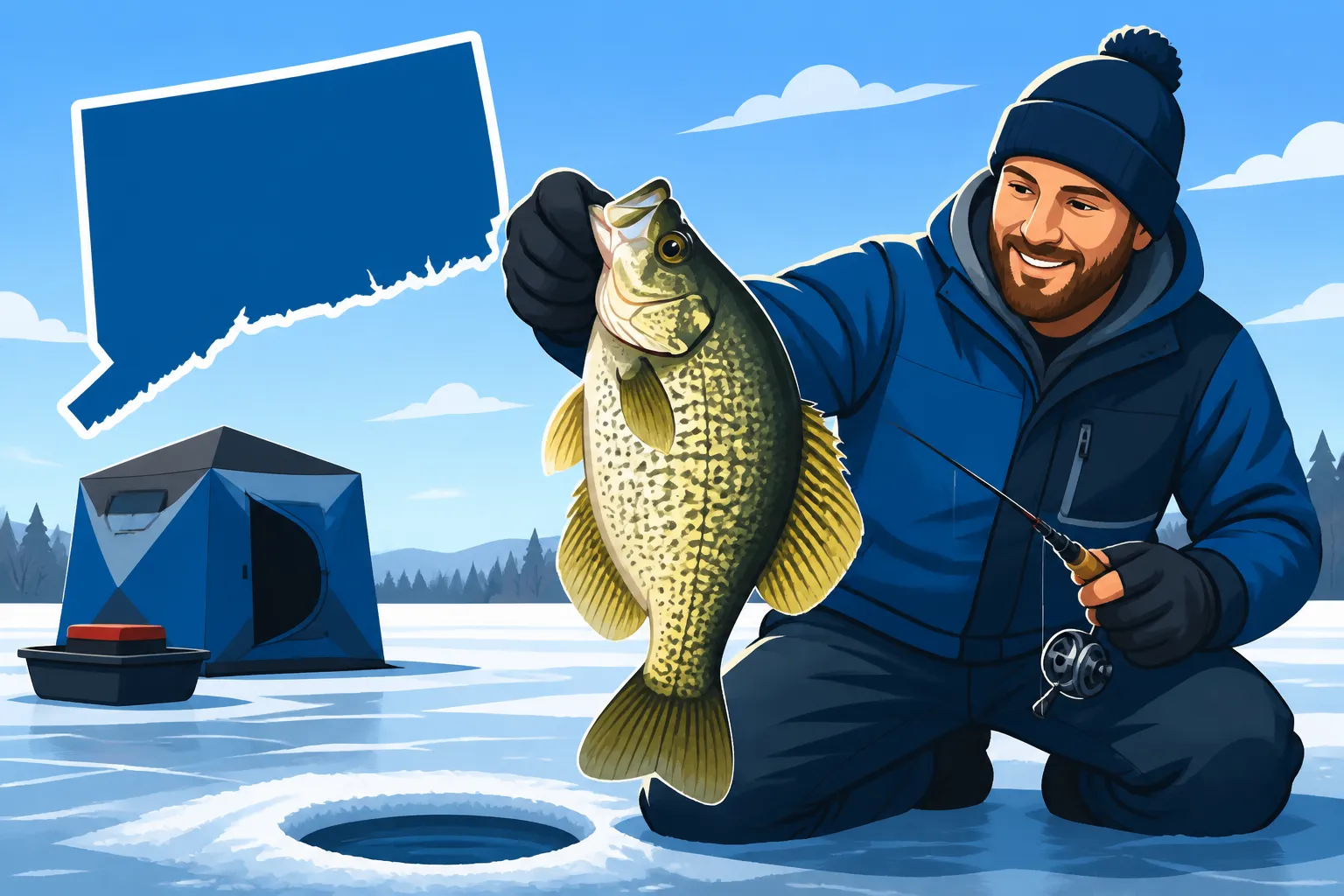
Connecticut's diverse waterways offer a fantastic array of fish species that can be successfully targeted through the ice. Knowing what you're likely to encounter can help you tailor your gear and techniques. Panfish, like yellow perch, bluegill, and crappie, are often the bread and butter of ice fishing, providing consistent action and being relatively easy for beginners to catch. They're typically found in shallower areas, near weed lines or drop-offs, and are fantastic table fare.
Beyond panfish, anglers can pursue larger, more challenging species. Trout, including rainbow, brown, and brook trout, are stocked in many Connecticut lakes and ponds and remain active under the ice. These hard-fighting fish can provide exciting battles, especially on light ice fishing tackle. You'll often find them suspended in the water column or near bottom structure. For those seeking a real challenge, northern pike and chain pickerel lurk in many of the state's larger water bodies. These predatory fish require heavier gear and can offer truly memorable fights, often pulling flags right out of their holders with their explosive strikes. Even largemouth and smallmouth bass can be caught through the ice, though they tend to be less active and require more finesse.
Essential Safety Considerations
Before you even think about drilling that first hole, safety has to be your absolute top priority when venturing onto the ice. Unlike open-water fishing, where a fall typically means a wet dunk, falling through the ice can be life-threatening due to hypothermia and the difficulty of self-rescue. It’s crucial to never assume the ice is safe, even if others are out there. Ice conditions can vary dramatically across a single body of water, and factors like springs, currents, and even waterfowl can create thin spots.
Always check local conditions and follow official advisories from the Connecticut Department of Energy and Environmental Protection (DEEP). It’s also vital to go with a buddy, inform someone of your plans and expected return time, and carry essential safety gear like ice picks, a spud bar, and a flotation device. While it might seem overkill, understanding How thick ice needs to be to fish safely in Connecticut is non-negotiable, and we'll dive deeper into these critical safety measures later in this guide. Remember, a fish is never worth risking your life over.
Gear Up for the Cold: Essential Ice Fishing Equipment
Getting started with ice fishing can feel like a significant investment, but much of the gear is designed for both safety and comfort in sub-zero temperatures. You don't need the most expensive equipment right away, but having the right tools for the job will make your experience far more enjoyable and productive. Think about what you'll need to stay warm, drill holes efficiently, and actually catch fish. A common mistake is underestimating the cold, so prioritize insulation and wind protection.
Rods, Reels, and Line Choices
Ice fishing rods are typically much shorter than their open-water counterparts, usually ranging from 24 to 36 inches in length. This shorter length is ideal for fishing in a small hole while sitting on a bucket or in a portable shelter, giving you better control and feel for subtle bites. The action of these rods can vary, from ultra-light for panfish to medium-heavy for pike and bass, so consider your target species. Many ice fishing rods come in combos with small spinning reels. Look for reels with smooth drags that can handle freezing temperatures, as cheaper models might seize up.
When it comes to line, fluorocarbon is a popular choice for its low visibility and minimal stretch, which helps detect light bites. A general guideline for panfish might be 2-4 pound test, while trout and bass might call for 4-8 pound test. For large predators like northern pike, you’ll want to bump that up to 10-20 pound test monofilament or braid, often with a fluorocarbon or even steel leader to prevent bite-offs. It's smart to have a few different setups rigged with various line weights and lure types so you can adapt to changing conditions and target multiple species. You can find a good selection of specialized ice fishing rods and reels on Amazon, often in affordable combo packs.
Shelters and Warmth Solutions
Staying warm is paramount for an enjoyable ice fishing experience, and shelters play a huge role in this. For minimalist anglers, a simple five-gallon bucket or a specialized ice fishing chair might suffice for short trips in milder weather. However, for longer sessions or truly cold days, a portable ice fishing shelter is a game-changer. These range from lightweight flip-over shanties, which are great for quick moves and single anglers, to larger hub-style shelters that can comfortably fit multiple people and their gear.
Inside your shelter, a portable propane heater, like those from Mr. Heater, becomes your best friend. Always ensure proper ventilation when using any propane heater to avoid carbon monoxide buildup. Layered clothing is also critical, starting with moisture-wicking base layers, insulating mid-layers like fleece, and a waterproof/windproof outer shell. Don't forget insulated boots, gloves or mittens, and a warm hat. Many experienced anglers invest in ice fishing specific outerwear that is not only warm but also provides flotation in case of an accidental plunge. For registered structures, you might also need to be aware of Connecticut Ice Shanty Registration Rules to ensure you're compliant.
Crucial Safety Gear Beyond the Basics
We briefly touched on safety, but it bears repeating: proper safety gear is non-negotiable. Beyond the basics like ice picks (worn around your neck for easy access to pull yourself out if you fall in) and a spud bar (to test ice thickness as you walk), there are other items that can save your life or make an emergency manageable. A throw rope or rescue rope is essential for helping others or being helped yourself; make sure it's at least 50 feet long and easily accessible. A whistle can help you signal for help if you're in distress.
Navigation is another key aspect. A GPS device or a reliable smartphone app with downloaded maps can prevent you from getting disoriented, especially on large, unfamiliar lakes or during whiteout conditions. Headlamps or portable lanterns are vital, as many anglers fish at dawn or dusk, or even into the night. A first-aid kit, a fully charged cell phone in a waterproof case, and extra dry clothes are also smart additions to your safety checklist. Remember that cold water can quickly lead to hypothermia, so having a plan and the right tools for self-rescue or assisting others is vital. Consider carrying a personal flotation device or wearing an ice fishing suit with built-in flotation, especially during early or late ice conditions, as outlined by Life Jacket Requirements for Connecticut Boaters.
Scouting and Setting Up Your Ice Fishing Spot
One of the biggest challenges in ice fishing is finding where the fish are hiding beneath a thick layer of ice. You can't just drive a boat around and use your sonar. This makes scouting and strategic hole drilling incredibly important. A little bit of homework before you even leave home, combined with some on-ice detective work, will greatly increase your chances of success. It's not just about drilling holes; it's about understanding the underwater topography and how fish relate to it during winter.
Reading the Ice and Finding Structure
Before you step foot on the ice, utilize resources like topographical maps of the lake or pond you plan to fish. These maps, often available online or at bait shops, show contours, drop-offs, humps, and submerged structure – all prime locations for fish. Look for points extending into deeper water, sudden depth changes, areas near submerged weed beds (if visible), and channels. Fish tend to congregate around these features, seeking food or refuge during the colder months.
Once on the ice, especially if you don't have a portable fish finder, your spud bar becomes your primary scouting tool. Use it to check ice thickness as you move, but also to listen to the bottom. A soft thud indicates mud, a sharper clink could mean rock or gravel, and a dull crunch might be weeds. Pay attention to areas where other anglers are congregated, as they're likely onto something, but don't be afraid to venture out on your own (safely!) to find unpressured fish. Remember, fish behavior changes throughout the winter; early ice might find them shallower, while mid-winter could push them deeper.
Drilling Holes and Best Practices
An ice auger is your indispensable tool for creating access to the water below. Augers come in manual, cordless electric, and gas-powered varieties. Manual augers are the most affordable and lightest, great for panfish and thinner ice, but can be quite a workout. Cordless electric augers, often powered by robust lithium-ion batteries, are quiet, efficient, and increasingly popular, making quick work of even thicker ice. Gas augers are the workhorses for heavy-duty drilling and deep ice, but they are loud, heavy, and require fuel.
Drill several holes in a pattern, rather than just one. This allows you to "swiss cheese" an area and find active fish without having to move all your gear constantly. Start shallower and work your way deeper, or target distinct structural elements. For instance, if you're fishing a point, drill holes along the spine of the point and then a few on each side at varying depths. Keep your holes clear of slush by scooping it out regularly with an ice skimmer. And when drilling multiple holes, leave enough space between them to safely fight a fish and avoid compromising the ice, especially if you plan to use multiple lines (where allowed by regulations).
Setting Up Your Fishing Station
Once you've drilled your holes and identified a promising spot, it's time to set up your fishing station. This involves getting comfortable, staying warm, and having all your gear within easy reach. If you're using a portable shelter, deploy it and get your heater going. Arrange your bucket or chair so you're comfortable sitting for extended periods. Keep your rods rigged and ready, and your bait bucket or tackle box easily accessible.
Many anglers use a small piece of dark material, like a dark bucket lid or a mat, placed over the hole to reduce glare and help them see bites more clearly, especially when sight fishing in clear water. Keep extra bait, snacks, and a thermos of a hot beverage close at hand. Organization is key in the confined space of an ice shanty. Consider a small sled to transport all your gear from your vehicle to your fishing spot; this makes moving much easier if the fish aren't biting where you first set up. Being prepared and organized means more time fishing and less time fumbling in the cold.
Effective Ice Fishing Techniques and Baits
Ice fishing isn't just about dropping a line down a hole and hoping for the best; it involves specific techniques tailored to how fish behave in cold water. Fish metabolism slows, and they often become less active, requiring more subtle presentations. Mastering a few key techniques and knowing which baits to use can make all the difference between a slow day and a banner day on the ice.
Jigging for Active Bites
Jigging is arguably the most common and effective ice fishing technique, especially for panfish and trout. It involves using small, often brightly colored, jigs tipped with bait. The idea is to impart action to the lure, mimicking a struggling insect or baitfish, which triggers a strike. The presentation is typically vertical, right below your hole. Vary your retrieve:
- Lift and Drop: A simple lift of the rod tip, then letting the jig fall back down.
- Pulsing: Small, subtle twitches of the wrist that make the jig "dance" in place.
- Dead Sticking: Holding the jig perfectly still for a few seconds after a jigging motion; often, strikes occur on the pause.
Experiment with different jigging cadences and depths until you find what the fish are responding to. Sometimes a rapid jigging motion is key, other times a slow, methodical rise and fall is all it takes. Often, the bites are incredibly subtle – just a slight tic on your rod tip, a momentary slackening of the line, or the feeling of extra weight. Watch your line closely for any unnatural movement. Pairing a sensitive rod with a good fish finder (flasher or sonar) can help you see fish approach and react to your presentation, allowing you to fine-tune your technique in real-time. You can find excellent selections of ice jigs and plastics from brands like Johnson or Rapala on Amazon.
The Art of Using Tip-Ups
Tip-ups are a fantastic hands-off approach to ice fishing, allowing you to cover more water and target larger, less active fish, particularly northern pike, pickerel, and sometimes larger trout or bass. A tip-up consists of a spool of line submerged under the ice (to prevent freezing), a trigger mechanism, and a flag that "tips up" when a fish takes the bait and pulls the line. This allows you to monitor multiple holes simultaneously without needing to hold a rod.
Setting up a tip-up involves carefully baiting the hook, usually with live bait like shiners or golden shiners, and then setting the trip mechanism. The depth you set your bait is critical. For pike and pickerel, suspend baitfish just above weed beds or structure. For trout, try suspending it a few feet off the bottom or midway through the water column. Once a flag goes up, approach the hole slowly and carefully, being mindful not to spook the fish. When you feel the fish actively running with the bait, give it a moment to fully swallow the hook before setting it with a firm pull by hand. This technique is often responsible for some of the biggest fish caught through the ice, and it's exhilarating when a flag suddenly springs up, signaling a bite!
Best Baits and Lures for Connecticut Ice
The choice of bait and lure can significantly impact your success. Live bait is often king, especially for tip-ups and for tempting less aggressive fish.
- Live Minnows (Shiners): These are perhaps the most popular ice fishing bait, particularly for pike, pickerel, and larger bass or trout. Golden shiners or emerald shiners are common.
- Worms (Mealworms, Waxworms, Red Worms): Excellent for panfish like perch, bluegill, and crappie. Tip a small jig with a few worms for irresistible scent and action.
- Maggots (Spikes): Similar to worms, these small, lively baits are deadly for panfish.
When it comes to artificial lures, a diverse tackle box is your best bet:
- Small Jigs: Teardrop jigs, horizontally sitting jigs (like a VMC Tungsten Series), or small plastic grubs are perfect for panfish, often tipped with a maggot or piece of worm.
- Spoons: Jigging spoons, like the Swedish Pimple or Kastmaster, flash and flutter, attracting a variety of species. Tip them with a minnow head or grub for added appeal.
- Blade Baits: These lures vibrate aggressively when jigged, creating a lot of commotion that can call in fish from a distance.
- Lipless Crankbaits: Smaller versions can be effective for bass and even larger trout, especially when fished aggressively.
Remember to match the size of your lure to the size of your target species and the forage available in the lake. Sometimes a tiny jig is all it takes, other times a larger, flashier spoon will entice a bigger bite. Experimentation is key on any given day. If you're specifically targeting those toothy critters, consider reviewing Best Ice Fishing Techniques for Pike for more specialized bait and lure recommendations.
Navigating Connecticut's Ice Fishing Regulations
Just like any other form of fishing, ice fishing in Connecticut comes with its own set of rules and regulations. Failing to understand and adhere to these can lead to fines and a ruined day on the ice. These rules are in place to manage fish populations, ensure fair chase, and protect the state's natural resources for everyone. It's not just about getting a license; it's about knowing the specifics for each species and location.
Essential License Requirements
The first and most critical step before heading out onto the ice is to ensure you have a valid Connecticut fishing license. This applies to most individuals 16 years of age and older. Residents and non-residents have different license types and costs, so make sure you purchase the correct one. You can easily obtain a license online through the Connecticut DEEP website, or from various outdoor retailers and town clerks throughout the state. It's a straightforward process, but it's one you absolutely cannot skip. For a complete overview of what you'll need, check out our guide on the Connecticut Fishing License Guide for 2026.
Your license usually covers both inland and marine waters, but some specific activities or areas might require additional permits or stamps, though this is less common for general ice fishing. Always carry your license with you when fishing, either a physical copy or a digital version on your phone, as wardens do patrol the ice. Not having a valid license is one of the most common reasons anglers face penalties, so double-check before you leave home! You can learn more about Printing or Carrying a Digital Fishing License in Connecticut to make sure you're compliant.
Daily Limits and Species-Specific Rules
Connecticut DEEP establishes daily creel limits (the number of fish you can keep) and minimum length limits for various species to ensure sustainable fishing. These limits can vary significantly from species to species and sometimes even between different bodies of water. For example, the Connecticut Trout Limit and Possession Rules will dictate how many trout you can harvest, and these can differ for stocked trout versus wild trout in special regulation areas.
Before you go, it's vital to consult the current Connecticut Angler's Guide, which is published annually by the DEEP and available online. This guide details all the specific regulations, including:
- Panfish: Often have generous limits, but it's good practice to take only what you'll eat and release the rest.
- Trout: Specific daily limits and sometimes length limits apply, varying by water body type (e.g., lake vs. trout park).
- Northern Pike/Chain Pickerel: Often have minimum length limits and daily creel limits to protect these valuable predators.
- Bass: Length and creel limits are typically in place to manage bass populations.
Always verify the regulations for the specific lake or pond you plan to fish, as there can be nuances. These rules are strictly enforced, and ignorance is not considered an excuse. You can find a comprehensive overview of general statewide rules in our Connecticut Fishing Regulations Explained.
Special Regulations for Specific Waters
While statewide regulations provide a baseline, many specific lakes, ponds, and even sections of rivers in Connecticut have their own unique rules. These "special regulation waters" are often designated to protect sensitive populations, manage trophy fisheries, or provide unique angling opportunities. For ice fishing, this could mean different length or creel limits, tackle restrictions, or even seasonal closures.
For instance, certain lakes might have specific rules regarding the use of live bait, especially where there's a risk of introducing invasive species. Some waters might be designated as "catch-and-release only" for certain species, or have reduced daily limits compared to the statewide standard. It’s also important to note that specific areas might have unique restrictions regarding ice shanties or power augers. Always check the Connecticut Angler's Guide for the most up-to-date information on any special regulations for your chosen destination. A quick check of the guide can save you a lot of trouble and ensure you're fishing responsibly and legally.
| Species | Daily Creel Limit | Minimum Length (inches) | Common Baits/Lures |
|---|---|---|---|
| Yellow Perch | 25 | None | Mealworms, Maggots, Small Jigs |
| Bluegill | 25 | None | Waxworms, Maggots, Small Jigs |
| Crappie | 25 | None | Small Minnows, Jigs, Small Spoons |
| Rainbow Trout | 5 | 9 (varies by water) | Worms, PowerBait, Small Spoons |
| Brown Trout | 5 | 9 (varies by water) | Minnows, Worms, Small Spoons |
| Chain Pickerel | 6 | 15 | Live Minnows, Large Spoons |
| Northern Pike | 2 | 26 | Live Minnows (large), Pike Lures |
| Largemouth Bass | 6 | 12 | Minnows, Jigs, Blade Baits |
| Smallmouth Bass | 6 | 12 | Minnows, Jigs, Blade Baits |
Note: Always consult the current Connecticut Angler's Guide for the most up-to-date and specific regulations for the waterbody you are fishing, as these can change annually and vary by location.
Top Ice Fishing Destinations in Connecticut
Connecticut boasts a fantastic array of lakes and ponds that offer superb ice fishing opportunities once the ice is safe. From sprawling reservoirs to quiet community ponds, there's a spot for every angler and every target species. Knowing where to go is half the battle, and exploring these proven locations can significantly boost your success and enjoyment. Many of these spots are regularly stocked by the DEEP, ensuring a healthy fish population through the winter.
Popular Spots for Panfish and Pickerel
For reliable action and a great introduction to ice fishing, panfish and pickerel are often the easiest and most plentiful targets. Many smaller, shallower ponds and the coves of larger lakes hold excellent populations.
- Mansfield Hollow Lake (Mansfield): This large lake offers diverse fishing opportunities. Its shallower coves and feeder creeks are prime spots for yellow perch, bluegill, and crappie. You'll also find plenty of chain pickerel lurking in the weeds. The lake is regularly stocked with trout, too, so don't be surprised if you hook into one.
- Bantam Lake (Litchfield): As Connecticut's largest natural lake, Bantam offers expansive ice fishing. The lake’s shallower, weedy areas are fantastic for panfish and pickerel. Known for its strong populations of yellow perch and crappie, it’s a favorite among local ice anglers. Check out our detailed guide on Bantam Lake Ice Fishing Access Guide for specific entry points.
- Coventry Lake (Coventry): Another popular spot known for its good numbers of yellow perch, calico bass (crappie), and pickerel. It's generally a safe bet for consistent action, particularly for those looking to fill a bucket with panfish for a delicious winter fry.
These locations typically have good public access and are often where you’ll see the most activity during prime ice fishing conditions. They’re excellent choices for family outings or for beginners honing their skills.
Lakes for Larger Game Fish
If you're looking to tangle with something a bit bigger through the ice, Connecticut has several lakes known for their trophy-sized trout, bass, and especially northern pike.
- Candlewood Lake (Danbury/New Fairfield): This is Connecticut's largest lake and a premier destination for a variety of species, including impressive numbers of smallmouth and largemouth bass, and sometimes even trout. While the sheer size can be daunting, focusing on major structural elements like humps, deep points, and submerged roadbeds can yield fantastic results. It's a challenging but rewarding lake. Our guide on Candlewood Lake Ice Fishing Access Guide provides detailed information on how to best approach this behemoth during winter.
- Lake Lillinonah (Newtown/Southbury): Part of the Housatonic River system, Lillinonah is a deep, fertile lake known for its excellent populations of largemouth and smallmouth bass, as well as northern pike. Its complex structure, including deep channels and submerged timber, holds big fish. This lake requires more effort to find fish but can produce some true giants.
- Pamecha Pond (Middletown): Often overlooked, this pond is a fantastic producer of northern pike and also holds a good number of large yellow perch. It's a shallower, weedy lake, making it ideal pike habitat. For those pursuing pike, this is a must-visit. You can also consult our Northern Pike Waters in Connecticut for more information on where to find these impressive predators.
These larger bodies of water often require a bit more mobility and perhaps specialized gear, like tip-ups with heavy line and larger bait, but the potential for a trophy catch is very real.
Hidden Gems and Accessible Locations
Beyond the well-known hotspots, Connecticut has countless smaller ponds and lakes that offer excellent, often less crowded, ice fishing. These spots can be true hidden gems for anglers willing to do a little research.
- State Park Ponds: Many state parks manage ponds that are stocked with trout and hold resident populations of panfish and pickerel. Examples include Hopeville Pond State Park, Black Rock State Park, and Squantz Pond State Park. These often provide easy access and well-maintained facilities.
- Local Town Ponds: Don't overlook smaller, lesser-known ponds in your local town or neighboring communities. These can provide surprisingly good fishing, especially for panfish, and often see less pressure than the major lakes. A quick check with the town hall or local bait shop can reveal these secret spots.
- Trout Stocked Ponds: The Connecticut DEEP maintains an Connecticut Interactive Trout Stocking Map, Explained that shows which ponds receive trout stockings throughout the fall and spring. Many of these stocked fish remain active under the ice, providing a great target species, especially in the early ice season. These ponds are often easily accessible and can be great for a productive day.
Always remember to respect private property around these smaller waters and only access areas that are clearly public or have designated fishing access. Exploring these smaller waters can lead to some truly memorable and peaceful ice fishing experiences, often with less competition.
Ice Fishing Safety: Staying Safe on the Ice
Safety is not just a suggestion; it's the foundation of any successful and enjoyable ice fishing trip. The allure of a flag flying high or the promise of a big catch can sometimes overshadow common sense, but the dangers of unsafe ice are very real. You are directly interacting with a natural element that can be unpredictable, and understanding its behavior is crucial.
Understanding Ice Thickness and Conditions
The single most important safety factor is ice thickness. There is no such thing as "100% safe ice," but there are widely accepted guidelines for minimum safe thickness:
- 2 inches or less: STAY OFF! This ice is highly dangerous.
- 4 inches: Suitable for ice fishing on foot. Always use caution and test frequently.
- 5-7 inches: Good for small groups on foot or snowmobiles.
- 8-12 inches: Can support a small car or light truck.
- 12-15 inches: Suitable for medium-sized trucks.
These are general guidelines for clear, solid, black ice. White or "snow ice" is only about half as strong. Ice strength is also affected by temperature fluctuations, currents, springs, underwater structure, and even recent snowfall (which insulates the ice and slows further thickening). Always assume ice near flowing water (inlets/outlets), coves with warm springs, or bridges is weaker. Constantly use a spud bar or auger to check thickness as you move across the ice. Never go out alone on early or late ice. For a deep dive into this crucial topic, read our guide on How thick ice needs to be to fish safely in Connecticut.
What to Do in an Emergency
Even with the utmost caution, accidents can happen. Being prepared for an emergency is vital. If you or someone you're with falls through the ice, quick and calm action can save a life.
- Don't Panic: Take a deep breath. Panic uses energy and makes rational thought difficult.
- Turn Towards Where You Came From: The ice you just walked on was strong enough to support you; the ice ahead might not be.
- Spread Your Weight: Use your ice picks (which should be easily accessible around your neck) to dig into the ice. Kick your feet to get your body horizontal.
- Propel Yourself Out: Using your picks, pull yourself onto the ice, kicking vigorously. Once out, roll away from the hole to distribute your weight, then crawl to safety.
- Seek Shelter and Warmth Immediately: Get into dry clothes, get warm (heater in a shanty, vehicle), and seek medical attention for hypothermia if necessary.
If you are trying to rescue someone else, do not approach the hole directly. Stay low to distribute your weight, extend a rope, ladder, or tree branch to the victim, and pull them out. Consider a floating cushion or life jacket for yourself if you get close to the edge. Call 911 immediately in any life-threatening situation. Having a fully charged cell phone in a waterproof case is critical.
Planning Your Trip for Maximum Safety
A safe ice fishing trip begins long before you even leave home. Thorough planning is your best defense against accidents.
- Check the Forecast: Pay attention to temperatures, wind chill, and any upcoming snow or rain. These factors greatly influence ice conditions and your comfort.
- Inform Someone: Always tell a trusted friend or family member exactly where you are going, your expected return time, and who you are with.
- Dress in Layers: As discussed, proper layering is crucial for warmth and to prevent hypothermia. Include a waterproof outer shell.
- Pack a Safety Kit: This should include ice picks, a throw rope, a first-aid kit, a whistle, a headlamp, a fully charged cell phone, and extra dry clothes.
- Fish with a Buddy: Never ice fish alone, especially on larger bodies of water or during variable conditions. There's safety in numbers.
- Avoid Alcohol: Alcohol impairs judgment and increases the risk of hypothermia. Save the celebratory drinks for after you're safely off the ice.
- Know Your Limits: If conditions look questionable, or you feel uncomfortable, err on the side of caution. There's always another day to fish.
By meticulously planning and prioritizing safety, you can ensure that your ice fishing adventures in Connecticut are not only productive but also safe and memorable for all the right reasons.
Post-Trip Care and Environmental Responsibility
Your ice fishing adventure doesn't truly end when you pack up your gear and leave the ice. Proper post-trip care for your equipment and a strong commitment to environmental responsibility are crucial. This not only ensures your gear lasts longer but also helps preserve Connecticut's beautiful waterways for future generations of anglers. Leaving the ice in better condition than you found it is a point of pride for any true outdoors person.
Proper Gear Maintenance for Longevity
Taking a few extra minutes after each trip to clean and store your gear will extend its life and prevent costly replacements.
- Rods and Reels: Wipe down rods and reels with a damp cloth to remove any ice, salt (if fishing brackish water), or grime. Allow them to air dry completely before storing them in a cool, dry place. A small drop of reel oil on moving parts can prevent corrosion and ensure smooth operation.
- Auger Care: For gas augers, follow the manufacturer's instructions for fuel and engine maintenance. For electric augers, ensure batteries are charged and stored at appropriate temperatures. Manual augers should be cleaned and dried, and the blades protected with their covers to prevent dulling or rust.
- Shelters: Shake out your ice shanty to remove any snow, ice, or debris. Allow it to fully dry before folding and storing to prevent mildew and damage to the fabric. Check for any rips or tears and patch them as needed.
- Clothing: Always air dry wet outer layers. If they're particularly dirty, wash them according to their care instructions to maintain their waterproof and insulating properties. Store them neatly so they're ready for your next outing.
Taking care of your gear is an investment in your future comfort and success on the ice. Neglected equipment can fail at the worst possible moment, turning a pleasant trip into a frustrating one. You can find specialized cleaning and maintenance products for fishing gear on Amazon, which can help prolong the life of your investment.
Leaving No Trace and Protecting Our Waters
Environmental stewardship is a fundamental ethic for all anglers. The "leave no trace" principle is particularly important on the ice, where garbage can be frozen into the surface or sink, polluting the water when the ice melts.
- Pack It In, Pack It Out: This is the golden rule. Everything you bring onto the ice, including bait containers, food wrappers, broken lines, and even discarded fish entrails, must leave with you. Don't leave anything behind.
- Manage Your Waste: Bring a small trash bag specifically for your waste. If you're using live bait, ensure any unused bait is disposed of properly (not dumped into the water) to prevent the introduction of invasive species.
- Dispose of Fish Responsibly: If you keep fish, either take them home to clean or dispose of their entrails far from the water's edge, where scavengers can access them without polluting the water. Never leave dead fish on the ice.
- Respect the Ecosystem: Be mindful of sensitive areas, wildlife, and vegetation. Avoid driving vehicles onto ice where it's not explicitly permitted or where it could damage the shoreline.
- Practice Catch and Release Wisely: For fish you intend to release, handle them gently, minimize their time out of the water, and release them back down the hole quickly. This ensures a higher survival rate and healthy fish populations for everyone.
By practicing these responsible habits, you contribute to the health and beauty of Connecticut's natural resources. It ensures that the tradition of ice fishing can be enjoyed by generations to come, fostering a respectful relationship between anglers and the environment.
Disclaimer
Please remember that ice conditions can be unpredictable and vary greatly. Always prioritize safety, check local ice conditions, and consult the most current Connecticut DEEP fishing regulations before venturing onto the ice. This guide provides general information and should not replace official safety guidelines or personal judgment based on current conditions.