What age can you fish without a license in Connecticut
There’s a common question that pops up for families and young anglers across Connecticut: "Do I really need a fishing license, or can I just drop a line?" It’s a completely fair question, especially with kids eager to experience the joys of fishing. Navigating the rules can feel a bit like untangling a stubbornly knotted fishing line, but understanding the age requirements for a Connecticut fishing license is crucial for a worry-free day on the water. This guide is designed to clarify exactly what age you can fish without a license in our beautiful state and help you understand all the related nuances.
The Straight Scoop: What Age Can You Fish Without a License in Connecticut?
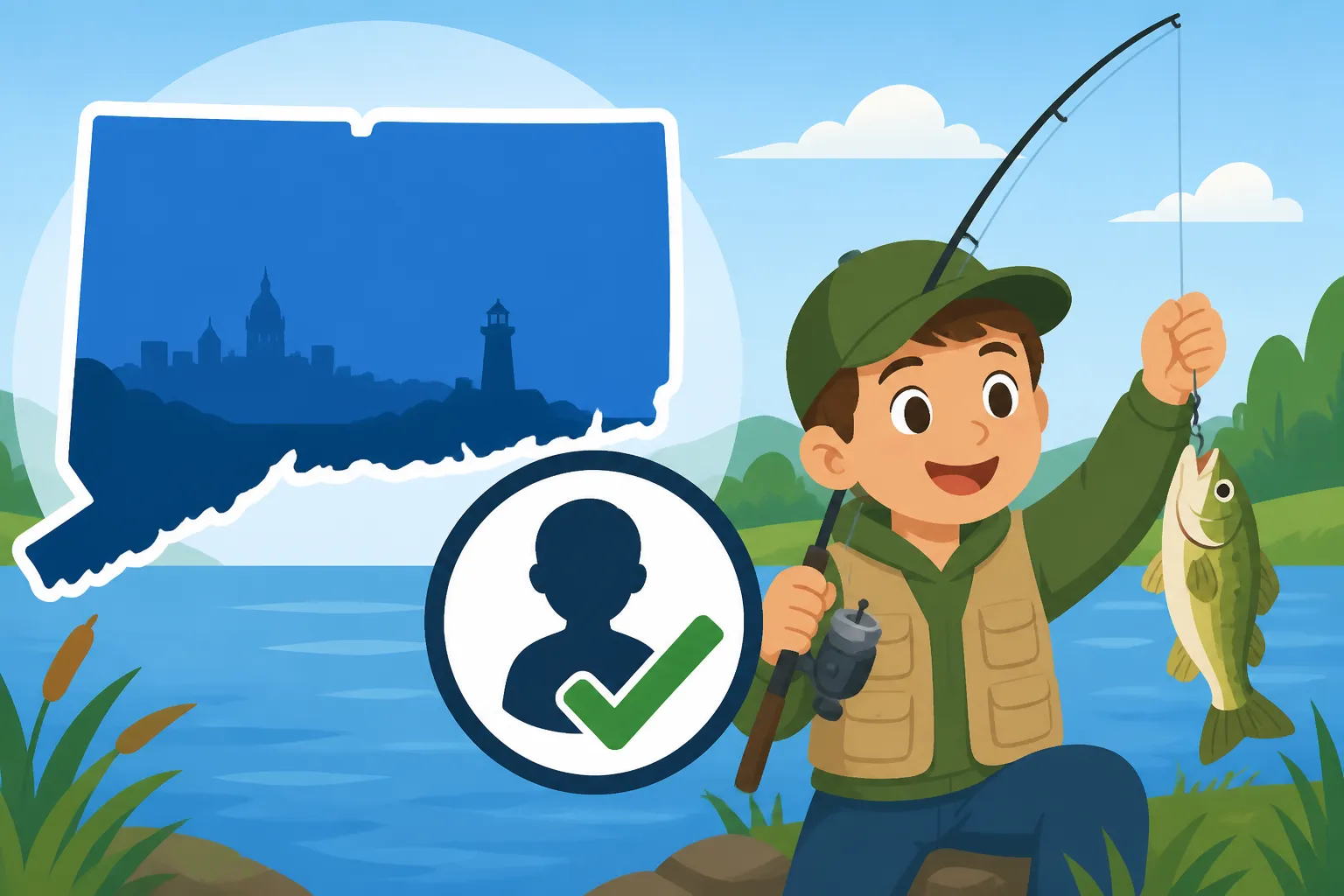
Let's cut right to the chase because this is the most frequently asked question. In Connecticut, if you are under 16 years of age, you generally do not need a fishing license to enjoy freshwater or saltwater angling. That's right! Kids and young teenagers, up to their 15th birthday, can fish the diverse waters of Connecticut without having to purchase a state fishing license. This rule applies uniformly to both residents and non-residents, making it wonderfully straightforward for visiting families too.
This exemption is a fantastic way for the state to encourage youth participation in outdoor activities and foster a love for fishing from a young age. Imagine the joy of a child hooking their first sunfish in a local pond or reeling in a schoolie striped bass from a Long Island Sound beach, all without the initial hurdle of paperwork or cost. It truly makes fishing accessible for the next generation of anglers.
However, while the license requirement is waived for those under 16, it's absolutely vital to remember that all other fishing regulations still apply. This includes understanding catch limits, minimum and maximum sizes for certain species, open and closed seasons, and specific gear restrictions for particular bodies of water. For instance, if a young angler under 16 catches a trout in a designated Trout Management Area, they still need to abide by the special rules for that area. It's a great opportunity for adults to teach responsibility and respect for conservation alongside the thrill of the catch. You can find comprehensive details on these rules in the official guide, or delve deeper into specific regulations by checking out our guide on Connecticut Fishing Regulations Explained.
The Transition to Requiring a License
The moment a young angler turns 16, the game changes. On their 16th birthday, or any day thereafter, they are officially required to possess a valid Connecticut fishing license if they plan to fish. This isn't a "grace period" situation; it's an immediate transition. For many families, this can be a bit of a surprise, especially if a child has been fishing license-free for years.
It’s a good idea to mark that 16th birthday on the calendar, not just for celebrations, but as a reminder to get that first official fishing license. Preparing for this transition can make it a smooth experience. You might consider it a rite of passage, a step towards full participation in the angling community and a direct contribution to conservation efforts. They'll need to decide between an inland, marine, or all-waters license, depending on where they plan to fish. For a deeper dive into these options, our article on Connecticut Inland vs Marine vs All-Waters License, Explained can be very helpful.
This age requirement is in place for a good reason: it ensures that those who are old enough to understand and actively contribute to the management and conservation of our fisheries resources do so. License sales generate crucial funds that go directly back into stocking programs, habitat restoration, scientific research, and enforcement, all of which benefit every angler in the state.
Special Scenarios and Important Exemptions Beyond Age
While the "under 16" rule covers the majority of youth fishing, Connecticut does offer a few other scenarios and programs that relate to age or provide special opportunities. Understanding these can enhance your fishing experience or help you plan for future trips.
The Connecticut Youth Fishing Passport
Connecticut is keen on getting more youngsters hooked on fishing, and one of its initiatives is the Connecticut Youth Fishing Passport. While this isn't a license exemption in the traditional sense for those over 16, it's a fantastic program designed to introduce kids to the sport. The passport itself is primarily for educational and engagement purposes, offering incentives and encouraging participation in various fishing events and learning opportunities.
It's a way to track achievements and participate in specific youth-oriented fishing activities. For kids under 16, they still don't need a formal license, but this passport can add another layer of fun and learning. For those approaching 16, it can be a great way to deepen their understanding of fishing before they transition to needing a full license. Details on this program are explained in our dedicated post, Connecticut Youth Fishing Passport, Explained.
Free Fishing Days in Connecticut
Another wonderful opportunity for anyone, regardless of age, to fish without a license are Connecticut's designated "Free Fishing Days." These are special dates, usually once or twice a year, when the Connecticut Department of Energy and Environmental Protection (DEEP) waives the fishing license requirement for all anglers, including adults. These days are a fantastic chance for individuals or families who might be hesitant to buy a full license to try fishing out, or for experienced anglers to simply enjoy a day on the water without the usual formality.
While the license requirement is temporarily lifted on these days, it's critical to remember that all other fishing regulations remain in effect. This includes creel limits, size restrictions, and specific rules for certain waters. These days are often announced well in advance, so keep an eye on the DEEP calendar or our guide on Free and Discounted Fishing License Options in Connecticut for dates. They are perfect for introducing friends or family members to the sport, or for someone who just wants a spontaneous fishing trip without the overhead of purchasing a license.
Fishing on Private Property and Stocked Ponds
This is an area where confusion often arises. Many people assume that if they are fishing on private property, or in a pond that is privately stocked, a license isn't required. In Connecticut, the general rule is that if the water body is connected to the public waters of the state, or if fish can migrate between them, then a state fishing license is required for anyone 16 or older. This means most lakes, rivers, and even larger ponds are subject to the license rule, even if part of their shoreline is privately owned.
However, there can be very specific exemptions for truly isolated private ponds that are entirely contained within private land, with no inlet or outlet connecting to public waterways. In such cases, if the fish are also privately stocked and maintained, a state license might not be necessary. These situations are relatively rare for the average angler, and if there's any doubt, it's always safest to assume a license is needed or to contact the DEEP directly for clarification. For youth under 16, this distinction is less critical, as they are already exempt. When in doubt, it’s always best to be prepared, just like you wouldn’t head out without a spare spool of fishing line or a few extra hooks from your tackle box (which you can easily stock up on from a place like Amazon).
The Role of a Licensed Adult
Sometimes people wonder if a child under 16 fishing with a licensed adult somehow negates the license exemption. The answer is no, it doesn't. If a child is under 16, their presence with a licensed adult doesn't change their individual license status. They still don't need one. The adult, if 16 or older, does need their own valid fishing license.
This setup is ideal for family outings. The adult handles the responsibility of having a license and navigating the regulations, while the younger angler can simply focus on the pure fun of fishing. This mentorship is invaluable for passing on angling traditions and teaching ethical fishing practices. Think of it as teamwork: the kids bring the enthusiasm, and the adults bring the experience and the legal compliance.
| Age Group | Connecticut Resident License Required? | Connecticut Non-Resident License Required? |
|---|---|---|
| Under 16 | No | No |
| 16 and Older | Yes | Yes |
| Free Fishing Days | No (for all ages) | No (for all ages) |
| Disabled Residents | Special options available | No general exemption |
| Seniors (Qualifying) | Special options available | No general exemption |
Why These Age Limits Are Crucial for Connecticut Fishing
Understanding why these age limits are in place can help anglers appreciate the system and its benefits. It’s not just arbitrary bureaucracy; it’s a foundational element of sound fisheries management and conservation. Every regulation, including who needs a license and who doesn't, plays a role in sustaining the incredible fishing opportunities we enjoy in Connecticut.
Funding Conservation Efforts
The primary reason for fishing license requirements for adults is to generate funds for conservation. When you purchase a fishing license in Connecticut, that money doesn't just disappear into a general fund. A significant portion of it goes directly to the Connecticut Department of Energy and Environmental Protection (DEEP), specifically its Fisheries Division. These funds are vital for:
- Fish Stocking Programs: Think of all the trout stocked in our rivers and ponds each spring. These programs are heavily reliant on license sales.
- Habitat Restoration: Protecting and restoring the natural environments where fish live and spawn, from improving water quality to stabilizing stream banks.
- Fisheries Research: Scientists study fish populations, migration patterns, and overall ecosystem health to make informed decisions about management.
- Enforcement: Conservation officers ensure that regulations are followed, protecting resources from poaching and overfishing.
By exempting youth under 16, the state removes a barrier to entry, hoping to cultivate a new generation of anglers who will eventually become license-buying adults. This investment in youth is an investment in the future of Connecticut's fisheries. Without these funds, many of the programs that ensure healthy and abundant fish populations simply wouldn't exist.
Promoting Responsible Angling
While younger anglers don't need a license, the expectation is that they will learn and adhere to all other fishing regulations. This system implicitly tasks parents, guardians, and mentors with teaching responsible angling practices from an early age. It’s an opportunity to instill an understanding of ethical behavior on the water, catch-and-release techniques, and the importance of respecting natural resources.
For instance, teaching a child how to properly handle a fish for release, or explaining why there's a limit on how many sunfish they can keep, becomes a hands-on lesson in conservation. This early education ensures that when they do turn 16 and purchase their first license, they are already equipped with the knowledge and values to be responsible members of the angling community. It's about more than just catching fish; it's about being good stewards of the environment.
Data Collection and Management
License sales also contribute to valuable data collection. While youth anglers aren't individually tracked through licenses, the overall number of licenses sold provides the DEEP with an estimate of the number of active anglers in the state. This demographic data, combined with other surveys and biological assessments, helps fisheries managers understand participation rates and allocate resources effectively.
Knowing how many people are fishing and what types of licenses they are buying (inland, marine, or combination) helps the state assess fishing pressure on different water bodies and species. This information is crucial for setting sustainable catch limits and managing stocking programs to meet demand while protecting the resource. It’s a complex system, but every piece of information helps paint a clearer picture.
Getting Your First License When the Time Comes
So, your child is turning 16, or perhaps you're an adult new to fishing in Connecticut. The good news is that obtaining a fishing license is a straightforward process, designed to be as user-friendly as possible. There are several convenient ways to purchase your Connecticut fishing license.
Where and How to Buy Your License
The most popular and convenient method for many is purchasing a license online through the Connecticut DEEP's official licensing system. This allows you to buy your license from the comfort of your home, print it immediately, or even store a digital version on your phone. This option is available 24/7, which means you can even buy one right before heading out to the water if inspiration strikes. Our detailed guide on How to Buy a Fishing License Online in Connecticut walks you through the entire process.
If you prefer a more traditional approach, or if you need assistance, you can also purchase a license in person. There are numerous authorized license vendors located throughout Connecticut, including many sporting goods stores, tackle shops, and town clerks' offices. These vendors can process your application, answer questions, and often provide valuable local fishing advice. Just search for "Connecticut fishing license vendors near me" or check the DEEP website for a list of agents.
What you'll need:
- Proof of Residency: If you're a Connecticut resident, you'll need proof, such as a valid CT driver's license or state ID. Non-residents will simply indicate their home state.
- Date of Birth: To verify age and eligibility.
- Basic Personal Information: Name, address, etc.
The cost of a license varies based on residency status (resident vs. non-resident) and the type of license (inland, marine, all-waters, or special stamps like the Connecticut Trout and Salmon Stamp, Explained). For example, a Connecticut resident inland fishing license cost 2026 will differ from a non-resident all-waters option.
Understanding License Types
When you buy a license, especially for the first time, you'll notice there are different categories. It’s important to choose the one that matches where you intend to fish:
- Inland Fishing License: This covers all freshwater fishing in Connecticut's lakes, ponds, and rivers. If you're only planning to hit the local bass pond or trout stream, this is what you need.
- Marine Fishing License: This covers all saltwater fishing in Long Island Sound and its tidal tributaries. If striped bass, fluke, or blackfish are your targets, this is essential.
- All-Waters Fishing License: This is the most comprehensive option, covering both inland and marine waters. It's often the best value for anglers who enjoy both fresh and saltwater opportunities throughout the year.
Deciding between these can seem daunting, but thinking about your typical fishing spots will make the choice clear. If you’re like many Connecticut anglers who enjoy both the serene freshwater streams and the vibrant saltwater coastline, the all-waters license offers the most flexibility.
After purchasing your license, whether online or in person, make sure you have it readily available when you go fishing. While digital copies on your phone are generally accepted, it's always wise to have a printed backup, especially if you're in an area with spotty cell service. Our article on Printing or Carrying a Digital Fishing License in Connecticut offers more advice on this.
Ultimately, whether you're a seasoned adult angler or a youngster just discovering the thrill of a tug on the line, understanding Connecticut's fishing license age requirements is the first step towards a legal and enjoyable day on the water. It’s all part of being a responsible and engaged member of our wonderful angling community.
Disclaimer
The information provided in this guide is for general informational purposes only and is not intended as legal advice. Fishing regulations in Connecticut can change, and it is the responsibility of each angler to consult the latest official Connecticut Department of Energy and Environmental Protection (DEEP) fishing regulations prior to engaging in any fishing activities. Always verify current rules and license requirements directly with the DEEP.