When Connecticut boaters must wear life jackets year-round
Navigating Connecticut's waters is a cherished pastime for so many of us, whether you’re casting a line from a kayak, paddling leisurely on a SUP, or enjoying a brisk ride in a powerboat. But amidst all the excitement, one safety regulation often causes confusion and, sometimes, real frustration: when exactly do you have to wear a life jacket? It can feel like the rules are constantly changing or just plain unclear, especially with all the nuances around different seasons and types of vessels. This guide is here to untangle all that, ensuring you understand Connecticut's life jacket requirements year-round, keeping you safe and compliant.
Understanding Connecticut's Life Jacket Mandates Beyond the Obvious
Let's be honest, most of us know that kids need to wear life jackets, and it's generally a good idea for everyone. But Connecticut goes a step further with some specific mandates that often surprise even seasoned boaters. These aren't just suggestions; they're legal requirements designed to keep you safe in situations where a sudden mishap could turn deadly. Getting caught without one when required can lead to fines, but more importantly, it puts lives at risk.
The Cold Water Life Jacket Rule: October to May
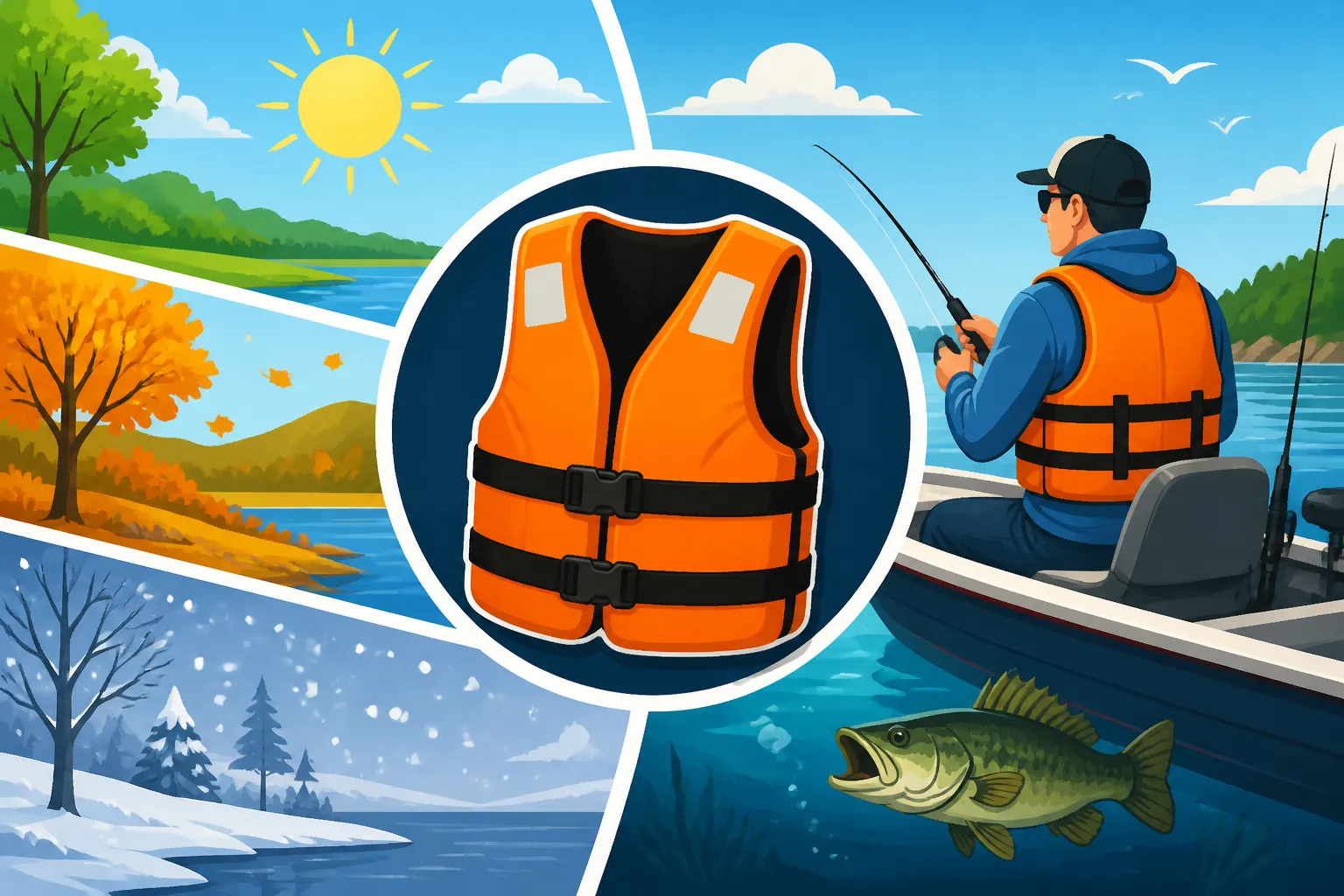
This is arguably the most critical and often misunderstood rule in Connecticut for boaters. From October 1st through May 31st, anyone on a manually propelled vessel (think kayaks, canoes, paddleboards, rowboats) or a vessel less than 16 feet in length, must wear a U.S. Coast Guard (USCG) approved life jacket. Yes, that's right – for eight whole months out of the year, if you're in one of these smaller craft, your life jacket can't just be on board; it has to be on your person.
The reason behind this rule is simple, yet stark: hypothermia. Even on a seemingly mild spring day, Connecticut's water temperatures can be dangerously cold. A sudden capsize, an unexpected fall overboard, and you could be in serious trouble within minutes. Air temperatures might be comfortable, but the water often remains chillingly cold long into spring and cools rapidly in the fall. If you go into frigid water without a life jacket, the shock alone can make it impossible to swim or even call for help. A properly worn life jacket keeps you afloat, conserves precious body heat, and gives rescuers a much better chance of finding you alive. It might feel a bit cumbersome on a sunny April afternoon, but believe me, it’s a non-negotiable layer of protection that could literally save your life. This rule is a cornerstone of Connecticut Cold Water Life Jacket Rule (October to May), and it’s one you absolutely cannot afford to ignore.
Life Jacket Requirements for Children Under 13
Children are especially vulnerable on the water, and Connecticut's regulations reflect this by prioritizing their safety above all else. Any child under the age of 13, regardless of the type or size of the vessel, must wear a properly fitted, USCG-approved life jacket while on board. This isn't just for smaller boats or during the cold water months; it's a year-round, across-the-board mandate.
As parents or guardians, the responsibility falls squarely on your shoulders to ensure your little ones are properly outfitted. A life jacket isn't just "on" if it's too big, riding up around their ears, or poorly fastened. It needs to be snug enough that it won't slip off, yet comfortable enough for them to wear throughout the day. Investing in a good quality, comfortable life jacket that fits well is crucial. Children are often less aware of immediate dangers and more prone to accidental falls, so having them securely buckled into a life jacket at all times on the water provides an essential layer of protection. This particular rule is detailed further in Connecticut life jacket rules for children under 13, and understanding it is paramount for any family enjoying Connecticut's lakes and coastal areas.
General Life Jacket Requirements for All Connecticut Boaters
While specific rules apply to cold water and children, there are overarching requirements that apply to nearly every vessel operating in Connecticut waters. These are the baseline safety measures that every boater, regardless of experience level, needs to adhere to. It's not enough to just have them; they need to be in good shape and ready for immediate use.
The "One for Every Person" Rule
Beyond the special circumstances, the most fundamental rule is this: there must be a readily accessible, USCG-approved life jacket for every single person on board your vessel. This applies to motorboats, sailboats, personal watercraft, and even those manually propelled vessels when the cold water rule isn't in effect. "Readily accessible" is key here – it doesn't mean stuffed away in a dry bag under a pile of gear in the bow, or buried in a locked compartment. It means it should be within arm's reach or able to be donned quickly in an emergency. Imagine a sudden squall, a rogue wave, or an unexpected collision; you won't have time to dig for a life jacket.
For most recreational boats, these will be Type I, II, or III wearable Personal Flotation Devices (PFDs). Type I offers the most buoyancy and is best for offshore where rescue might be delayed. Type II is suitable for inland or nearshore waters. Type III, often referred to as a "flotation aid," is popular for its comfort and range of motion, great for watersports, but might not turn an unconscious person face up. For vessels 16 feet or longer, you also need to have at least one Type IV throwable device, like a ring buoy or a boat cushion, on board. This is for quick rescues of someone who unexpectedly falls overboard. You can find more comprehensive details on these broader requirements in Life Jacket Requirements for Connecticut Boaters, which covers the full spectrum of PFD types and their applications.
The Importance of Proper Fit and Condition
Having a life jacket on board is one thing, but if it doesn't fit correctly or is in disrepair, it's essentially useless. A life jacket that's too large will ride up around your ears and could even slip off, offering no protection. One that's too tight will be uncomfortable, discouraging wear, and might restrict movement. When you put a life jacket on, it should feel snug but not restrictive. A good test is to lift it by the shoulders; if it moves up past your chin, it’s too loose.
Equally important is the condition of the life jacket. Over time, exposure to sun, saltwater, and general wear and tear can degrade the flotation material and fabric. Check for rips, tears, frayed straps, broken zippers or buckles, and excessive fading. A waterlogged life jacket that has lost its buoyancy is as bad as having no life jacket at all. If your life jacket is damaged or looks like it's seen too many seasons in the sun, it’s time to replace it. You can find a vast selection of USCG-approved life jackets in various sizes and types from reputable online retailers like Amazon, which makes it convenient to ensure everyone on your boat has a safe and effective PFD. Don't compromise on this; a faulty life jacket is a false sense of security.
Exemptions, Enforcement, and Smart Boating Practices
While Connecticut's life jacket rules are broad, there are a few specific exemptions. However, it's vital to remember that an exemption doesn't mean you're immune to risk; it simply means the law doesn't require you to wear one in that specific instance. Smart boaters always prioritize safety over strict legal minimums.
Situations Where the Rules Might Differ and Why
Connecticut's laws are designed to cover most recreational boating scenarios, but there are some nuances. For instance, the cold water rule for manually propelled vessels does not apply to canoes and kayaks that are over 13 feet in length used for competitive events, provided they meet other specific criteria. Similarly, people within an enclosed cabin or below deck on certain vessels might not be required to wear a life jacket, as long as accessible life jackets are on board. However, these are often very specific circumstances.
Even with these exemptions, the underlying principle of safety should always guide your decisions. If conditions are rough, if you're not a strong swimmer, or if you're out on the water alone, wearing a life jacket is always the wisest choice, regardless of whether the law strictly mandates it. The Connecticut Department of Energy and Environmental Protection (DEEP) is the primary agency responsible for enforcing boating laws, including life jacket regulations. They conduct patrols on both inland and marine waters, and their officers are well-versed in the specifics of Connecticut Boating Laws for Anglers and other regulations. They're not just looking to issue fines; they're genuinely working to keep everyone safe on the water.
Penalties for Non-Compliance and Prioritizing Safety
Ignoring Connecticut's life jacket requirements can result in fines. While the exact amount can vary, it's typically a violation that carries a financial penalty. Think of it this way: a fine is a tangible, albeit inconvenient, consequence. But the real penalty for not wearing a life jacket when you need it could be far, far worse. The cost of a life—yours, a loved one’s, or a friend’s—is immeasurable. These aren't just arbitrary rules; they are carefully considered regulations based on accident data and safety best practices.
Beyond the legal aspect, adopting a "wear it" philosophy for certain activities can dramatically improve your safety. If you're out on a paddleboard, a small fishing boat, or a kayak, especially when fishing alone or in adverse weather, putting on that life jacket should be second nature. Modern inflatable PFDs, which are incredibly compact and comfortable, are readily available, including many highly-rated options on Amazon. They offer freedom of movement while providing instant flotation when needed. Making a life jacket part of your routine, much like checking your Connecticut Safe Boating Certificate Requirement or ensuring you understand Connecticut fishing license age 16 requirement, is just part of being a responsible boater. Ultimately, these regulations, alongside broader guidelines like Connecticut Fishing Regulations Explained, are all about ensuring enjoyable and safe experiences on our beautiful Connecticut waters.
| Scenario | Requirement | Specifics |
|---|---|---|
| Children Under 13 | Must Wear USCG-approved life jacket | Year-round, on all vessels. Must be properly fitted. Parent/guardian responsibility. |
| Manually Propelled Vessels | Must Wear USCG-approved life jacket | Oct 1 – May 31 (Cold Water Rule). Applies to kayaks, canoes, SUPs, rowboats, and vessels < 16 ft. |
| All Vessels, All Ages | Must Have Accessible USCG-approved life jacket | One for every person on board, readily accessible. Does not have to be worn outside of specific requirements. |
| Vessels 16 ft or Longer | Must Have Accessible USCG-approved life jacket | One for every person + one Type IV throwable device. |
| Personal Watercraft (PWC) | Must Wear USCG-approved life jacket | Anyone operating or riding on a PWC must wear a life jacket. |
| Water Skiing/Towing | Must Wear USCG-approved life jacket | Anyone being towed (skiers, tubers) must wear a life jacket. |
Disclaimer
The information provided in this guide is for general informational purposes only and does not constitute legal advice. While we strive to be accurate, boating laws and regulations can change. Always consult the most current official publications from the Connecticut Department of Energy and Environmental Protection (DEEP) or other relevant authorities for the most up-to-date and complete information. Your safety on the water is your responsibility.