Connecticut fishing license for out-of-state charter passengers
It can be incredibly confusing when you're planning a fun fishing trip on a charter boat in an unfamiliar state, especially when it comes to licenses. You're probably wondering, "Do I, an out-of-state visitor, really need my own Connecticut fishing license when I'm paying a captain to take me out?" It's a valid question, and one that trips up many anglers. This comprehensive guide will untangle the rules specifically for out-of-state charter passengers in Connecticut, making sure you're fully prepared before you even step foot on the deck.
Understanding Connecticut Fishing License Basics for Visitors
Navigating the waters of fishing regulations can feel like trying to land a trophy striped bass on an ultra-light setup – tricky, to say the least! When you’re an out-of-state angler coming to Connecticut for a charter fishing trip, one of the first and most important things you need to understand is the state's stance on fishing licenses. It's not always as straightforward as you might hope, but let's break it down so you're not caught off guard.
Why a License is Usually Required
Here's the golden rule, and it's a pretty firm one in Connecticut: if you are 16 years of age or older and plan to fish in Connecticut's fresh or marine waters, you generally need a valid Connecticut fishing license. This applies whether you're casting from shore, dropping a line from your own boat, or, yes, even when you're a paying passenger on a licensed charter boat. The charter captain holds a commercial license that permits them to operate the business and take paying customers fishing, but it doesn't extend to cover the individual fishing privileges of each person on board. Think of it this way: your driving instructor has a license to teach, but you still need your own permit to drive. It’s the same principle for fishing.
This regulation is in place to support the conservation efforts of the Connecticut Department of Energy and Environmental Protection (CT DEEP). The fees collected from license sales go directly back into managing fish populations, stocking programs, habitat restoration, and enforcing regulations to ensure healthy fisheries for everyone, year after year. So, while it might seem like just another hoop to jump through, your license fee actually contributes to the very sport you love. Ignoring this requirement can lead to fines and other penalties, which can definitely put a damper on your fishing adventure. You can dive deeper into the general requirements with our guide on the Connecticut Fishing License Guide for 2026.
The Exceptions: When You Might Not Need One
Now, like many rules, there are a few very specific exceptions to this requirement. It's crucial to understand these nuances, as they don't apply to every situation, especially for typical charter trips.
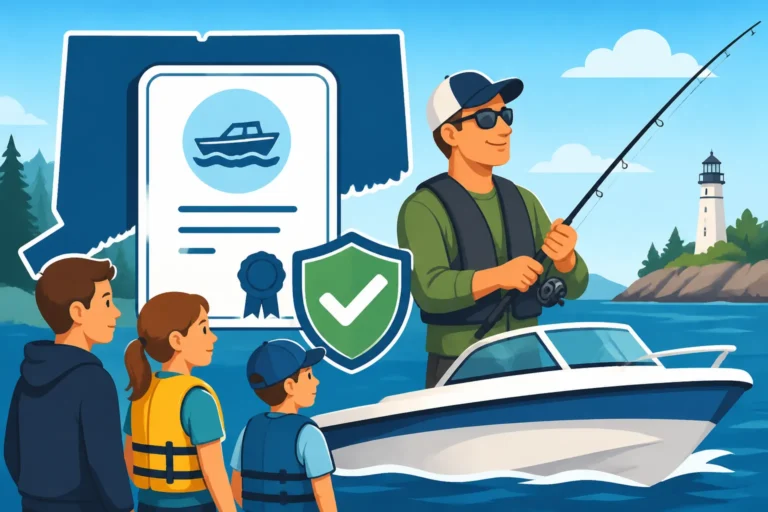
Firstly, children under 16 years of age are exempt from needing a fishing license in Connecticut. This is fantastic news for families bringing their kids along! It’s a wonderful way to introduce youngsters to the joys of fishing without an extra financial or bureaucratic hurdle. Many charters are very family-friendly, and knowing your child can fish without a license can make planning that much easier. You can find more details about age requirements in our article on Connecticut Fishing License Age Requirements.
Secondly, Connecticut occasionally holds "Free Fishing Days." These are designated days, usually one or two per year, when anyone can fish in Connecticut waters without a license. While these days are great for giving the sport a try, they are rare and very specific, so they are unlikely to coincide with your planned charter trip unless you specifically plan around them. Always double-check the CT DEEP calendar well in advance if you're hoping to take advantage of one of these days.
Thirdly, there's a very narrow category of charters that might operate under a blanket license for specific purposes, often educational or research-based, or for certain types of public fishing events hosted by the state. However, for a typical, commercially-run fishing charter where you're going out to catch striped bass, fluke, or blackfish in Long Island Sound, these exceptions almost never apply. Your captain will certainly inform you if their particular trip falls under one of these rare exceptions, but it's safest to assume you'll need your own license.
Specific License Types for Out-of-State Anglers
Alright, so you’ve accepted the reality that you’ll likely need your own license. The next logical step is figuring out which license type is appropriate for your Connecticut fishing adventure. This isn't a one-size-fits-all situation, as Connecticut offers different categories depending on where you plan to cast your line. For out-of-state visitors, understanding these distinctions is key to avoiding an accidental violation.
Inland vs. Marine vs. All-Waters
Connecticut divides its fishing licenses primarily into two categories: Inland and Marine. However, for maximum flexibility, they also offer an "All-Waters" option, which is often the go-to for many visitors who aren't entirely sure where their charter might take them.
- Inland Fishing License: This license covers all of Connecticut's freshwater bodies. Think rivers like the Farmington or Housatonic, lakes like Candlewood or Bantam Lake, and countless ponds and streams across the state. If your charter plans to target species like trout, largemouth or smallmouth bass, or panfish in purely freshwater environments, this is the license you'd need. However, most saltwater charters operate exclusively in marine waters, making this less common for a charter trip.
- Marine Fishing License: This is the license most out-of-state charter passengers will need. It covers all of Connecticut's marine district, which includes Long Island Sound and its tidal rivers and estuaries up to the demarcation lines. If you're heading out from a coastal town like Old Saybrook, Niantic, or Norwalk to chase striped bass, bluefish, fluke, black sea bass, or blackfish, this is your ticket. These are the primary species targeted by the vast majority of saltwater charters. You can find specific marine regulations in our article on Connecticut Saltwater Fishing Regulations by Species.
- All-Waters Fishing License: This license is the most comprehensive, granting you the privilege to fish in both inland and marine waters. For an out-of-state angler, especially one who might take multiple trips or isn't 100% sure if their charter might skirt the edges of tidal rivers that fall under freshwater jurisdiction at certain points, the All-Waters license offers peace of mind. While it's slightly more expensive, it eliminates any doubt about coverage. Many out-of-state anglers opt for this if they’re making a dedicated fishing vacation out of their trip and might try different types of fishing. Our detailed piece on Connecticut Inland vs Marine vs All-Waters License, Explained offers more insights.
Which one for your charter? For almost all typical saltwater charter fishing experiences on Long Island Sound, a Marine Fishing License is sufficient. If there's any chance your trip might venture into areas like the lower Connecticut River where both freshwater and saltwater species can be found depending on the tides and season, or if you plan any additional freshwater fishing on your own, the All-Waters Fishing License is the safest bet. Always confirm with your charter captain if you have any doubts about the specific waters they will be fishing.
Short-Term Nonresident Options
Recognizing that many visitors aren't looking for an annual commitment, Connecticut offers convenient short-term licenses for non-residents. These are especially popular for those coming in for a weekend charter trip or a quick fishing getaway.
The most common option is the 3-Day Nonresident Fishing License. This license is incredibly practical and cost-effective for out-of-state charter passengers. It allows you to fish for three consecutive days from the date of purchase, providing ample time for a charter trip or even a couple of days of independent fishing.
Here's a breakdown of the 3-day options:
| License Type | Validity | Covered Waters | Typical Cost (Approx. 2026) | Best For |
|---|---|---|---|---|
| 3-Day Nonresident Inland | 3 days | CT Freshwater Only | $22.00 | Freshwater charter (rare), personal freshwater fishing trip. |
| 3-Day Nonresident Marine | 3 days | CT Marine Waters Only | $22.00 | Most saltwater charter trips (e.g., Long Island Sound). |
| 3-Day Nonresident All-Waters | 3 days | CT Freshwater & Marine | $28.00 | Any charter trip where destination might be ambiguous, or if you plan combined freshwater/saltwater fishing. |
Note: The costs are approximate for 2026 and subject to change by the CT DEEP. Always check the official CT DEEP website for the most current pricing.
Choosing a 3-day license means you don't have to pay for a full annual license if you're only visiting for a short period. It's designed to be user-friendly for tourists and those planning brief recreational fishing excursions. Remember, if your charter runs on a Saturday, your 3-day license could cover you from Friday morning right through Sunday evening, giving you flexibility. You can find more specific pricing details in our article about the Connecticut 3-Day Nonresident Fishing License Cost.
How to Obtain Your Connecticut Fishing License
Okay, so you know what license you need. Now comes the practical part: actually getting it in your hands (or on your phone!). Thankfully, Connecticut has made this process quite user-friendly, especially for out-of-state visitors. You have a couple of primary options, with online being the most convenient for most people traveling into the state.
Online Purchase for Convenience
For out-of-state charter passengers, buying your Connecticut fishing license online is, hands down, the easiest and most recommended method. You can do it from the comfort of your own home before you even pack your bags, or even from your phone once you arrive in Connecticut. No need to scramble around trying to find a physical vendor in an unfamiliar town!
Here’s a general step-by-step process for purchasing online:
- Visit the Official CT DEEP Website: Head to the Connecticut Department of Energy and Environmental Protection's online licensing system. A quick search for "CT DEEP fishing license" will usually lead you right there.
- Create an Account or Log In: If it's your first time buying a CT license, you'll need to create a customer account. This typically involves providing your personal details like name, address, date of birth, and possibly a driver's license number. If you've purchased a license in Connecticut before, you can log in to your existing account.
- Select Your License Type: Carefully choose the correct license based on your needs – most likely the "3-Day Nonresident Marine Fishing" or "3-Day Nonresident All-Waters Fishing" license.
- Add to Cart and Checkout: Proceed through the checkout process, entering your payment information. Major credit cards are usually accepted.
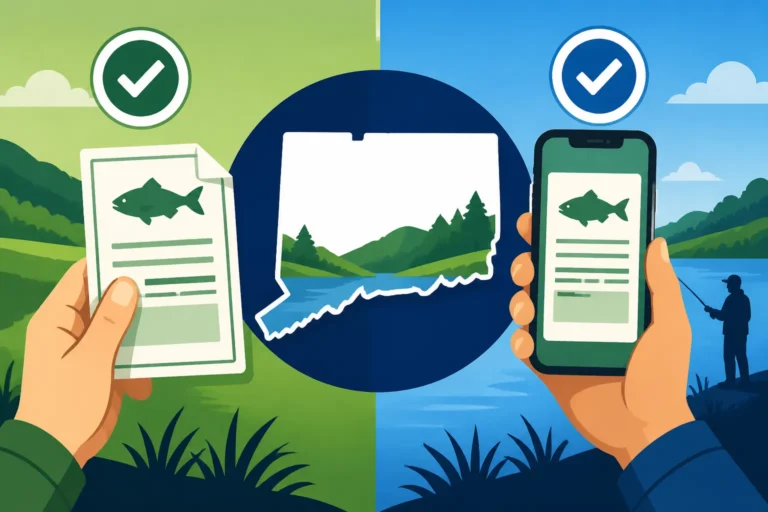
- Print or Save Digitally: Once your purchase is complete, you'll receive a confirmation and often a link to print your license immediately. You can also save a digital copy to your smartphone or tablet. Connecticut allows you to carry either a physical printout or display your license on an electronic device. This flexibility is fantastic, especially if you forget to print it before you leave home. For more on this, check out our guide on Printing or Carrying a Digital Fishing License in Connecticut.
The beauty of online purchasing is that it's available 24/7, meaning you can literally buy your license on the morning of your charter if you suddenly realize you forgot. Just make sure you have it before you start fishing! Many charter captains will even confirm you have your license before leaving the dock, as they don't want to be involved in any violations. Our article on How to Buy a Fishing License Online in Connecticut provides even more detailed steps.
In-Person Options
While online is usually best for visitors, if you prefer a tangible interaction or simply can't purchase online for some reason, you can also buy a Connecticut fishing license in person.
Connecticut has a network of licensed vendors located throughout the state. These include many town clerks' offices, bait and tackle shops, and some sporting goods stores.
- Bait and Tackle Shops: These are often excellent places to buy licenses. The staff are typically knowledgeable about local fishing regulations and might even offer some last-minute tips for your charter trip. Plus, it’s a great chance to grab any forgotten gear or bait.
- Town Clerks' Offices: Most town clerks are authorized to sell fishing licenses. However, their hours might be limited to standard business hours, which could be inconvenient if you arrive late in the day or on a weekend.
- Sporting Goods Stores: Larger retailers like Amazon (though you can't buy a physical CT license there, you can certainly stock up on gear you might need for the trip!) or local sporting goods stores often have a licensing counter.
To find a vendor near your accommodation or departure point, you can usually search the CT DEEP website for a list of authorized license agents. When purchasing in person, you'll need to bring a valid form of identification, such as a driver's license, and be prepared to pay by cash or credit card, depending on the vendor's policy.
Common Questions and Misconceptions for Charter Guests
Heading out on a charter should be about relaxation and the thrill of the catch, not worrying about legalities. Yet, for many out-of-state anglers, lingering questions about licenses can create unnecessary stress. Let's tackle some of the most common misconceptions and clarify them once and for all so you can focus on the fishing.
Does the Charter Captain's License Cover Me?
This is perhaps the most common question, and it's absolutely crucial to get a clear answer: No, the charter captain's license does not cover individual anglers fishing on their boat. This is a widespread misconception that could unfortunately lead to fines.
Here’s why: A charter captain holds a commercial license (often a U.S. Coast Guard Master license and state commercial fishing permits) that allows them to operate their vessel for hire and to transport passengers. This license ensures the boat is safe, the captain is qualified, and they are operating a legitimate business. However, it does not grant individual fishing privileges to each person on board. Each angler, 16 years of age or older, must possess their own valid Connecticut fishing license.
Imagine flying on an airplane: the pilot has a license to fly the plane, but each passenger still needs their own boarding pass. It's a similar concept. The captain's responsibility is to ensure the safety and legality of the trip, while your responsibility as an angler is to ensure the legality of your fishing activity.
Even if a charter provides all the rods, reels, and bait, they are providing a service, not a license. Always assume you need your own license. A good charter captain will make this clear during booking and might even remind you again before you leave the dock, because they don't want their clients to run into trouble. If you’re ever unsure, just ask the captain or booking agent directly. It's much better to ask than to find yourself explaining to a CT Environmental Conservation (EnCon) Police Officer why you don't have a license. For context on potential consequences, you can read about Fishing Without a License in Connecticut: Penalties.
What Happens if I Fish Without a License?
Nobody wants to have their exciting day on the water ruined by an unexpected run-in with law enforcement. Fishing without a valid license in Connecticut, or with the wrong type of license for the waters you're in, is considered a violation.
The consequences for fishing without a license can vary, but generally, you're looking at:
- Fines: You will likely be issued a citation with a monetary fine. The exact amount can depend on various factors, including whether it's your first offense, the discretion of the officer, and the specific section of the law violated. Fines can range from modest to significant, often starting in the hundreds of dollars.
- Confiscation of Gear or Catch: In some cases, EnCon Police have the authority to confiscate your fishing gear or any fish you may have caught. This can be a particularly bitter pill to swallow after a successful day on the water.
- Court Appearance: Depending on the severity or type of violation, you might be required to appear in court. This means extra travel, time off work, and additional legal fees if you choose to hire an attorney.
- Future Licensing Issues: Having a violation on your record could potentially impact your ability to obtain fishing licenses in Connecticut or even other states in the future, especially if it's a repeated offense.
EnCon Police officers regularly patrol Connecticut's waters, both inland and marine. They might pull alongside your charter boat for a routine check, just as a police car might pull over a vehicle. They are there to ensure compliance with fishing and boating regulations, protecting the state's natural resources. It’s their job, and they take it seriously. It's always best to be prepared and ensure you have your valid license on hand, whether it's a printed copy or displayed digitally on your phone. Taking a few minutes to secure your license online before your trip is a small investment for peace of mind and an uninterrupted day of fishing fun. You can also review the broader Connecticut Fishing Regulations Explained to ensure you're aware of other rules.
Maximizing Your Connecticut Fishing Charter Experience
Now that we've covered the ins and outs of fishing licenses for out-of-state charter passengers, let's talk about how to make the most of your trip. Beyond just having the right paperwork, a little preparation can significantly enhance your enjoyment and success on the water. After all, you're coming to Connecticut to fish, and we want you to have an unforgettable experience!
One of the best aspects of booking a fishing charter is tapping into the captain's local knowledge and expertise. These pros spend countless hours on the water, tracking fish movements, understanding tides, and knowing exactly what baits and lures are working. Don't be shy about asking questions!
Communication with Your Captain
Before your trip, a quick phone call or email exchange with your charter captain can clarify many things. Don't just assume; ask.
- Confirm License Requirements: Reconfirm with them that each angler 16 and over needs their own license, and ask if they recommend an Inland, Marine, or All-Waters license based on their typical fishing grounds. This might seem redundant after reading this guide, but a direct confirmation from your specific captain provides ultimate peace of mind.
- Target Species and Gear: Discuss what species they'll be targeting and what gear they provide. Most charters supply high-quality rods, reels, and tackle, but some specialized trips might suggest bringing your own favorite setup. For instance, if you're targeting the mighty striped bass, knowing the captain's preferred methods (like live-lining bunker or jigging in rips) can help you mentally prepare. Check out our detailed guide on How to Catch Striped Bass in Long Island Sound for more species-specific info.
- What to Bring: Ask about essentials like food, drinks, sunscreen, and appropriate clothing. Long Island Sound weather can change quickly, so layers are always a good idea. A good pair of polarized sunglasses will help you spot fish and protect your eyes, and a hat is always recommended.
- Motion Sickness: If you're prone to motion sickness, discuss this with your captain. They might have recommendations for over-the-counter remedies or advise you on the calmest days or routes. It's far better to prevent seasickness than to suffer through it.
Preparing for Your Day on the Water
Once you’ve got your license sorted and communicated with your captain, a few practical steps will ensure a smooth and enjoyable day.
- Check the Weather: Always check the marine weather forecast for the day of your trip. Wind, wave height, and precipitation can all impact your comfort. Pack accordingly, including rain gear if there's any chance of showers, and extra layers for cooler temperatures.
- Food and Drink: Bring plenty of water and snacks. A half-day or full-day charter can be surprisingly tiring, and staying hydrated and fueled is crucial. Pack sandwiches, fruit, or energy bars. Avoid excessively greasy foods, which can sometimes contribute to seasickness.
- Sun Protection: Even on cloudy days, UV rays can be intense on the water. Generously apply waterproof sunscreen (SPF 30 or higher), wear a wide-brimmed hat, and consider long-sleeved, breathable fishing shirts for added protection.
- Camera and Cooler: Don't forget a camera to capture those memorable catches! And if you plan to keep any fish within legal limits, bring a cooler with ice to transport your fresh catch home. Most charters will clean and bag your fish for you, but having your own cooler ready to go is always appreciated.
- Gratuity: It's customary to tip your charter captain and mate for their hard work. A general guideline is 15-20% of the trip cost, especially if they put you on fish, helped with tangles, and provided excellent service. They work incredibly hard to ensure you have a great day.
- Review Regulations: While your captain knows the rules, a quick glance at key regulations for the species you're targeting (e.g., size limits, bag limits, season dates) can be helpful. This ensures you're also aware of what's legal to keep. For example, understanding Connecticut Striped Bass Slot Limit and Season is important for any striper trip.
By taking these steps, you'll not only be legally compliant but also fully prepared to relax and enjoy the incredible fishing opportunities that Connecticut's waters offer.
Internal Link Table
| Content Hub | Structure | Post Title |
|---|---|---|
| Regulations & Licenses | Pillar | Connecticut Fishing License Guide for 2026 |
| Regulations & Licenses | Pillar | How Much Does a Connecticut Fishing License Cost |
| Regulations & Licenses | Pillar | Connecticut Fishing Regulations Explained |
| Regulations & Licenses | Pillar | Where and How to Buy a Connecticut Fishing License |
| Regulations & Licenses | Cluster | Connecticut 3-Day Nonresident Fishing License Cost |
| Regulations & Licenses | Cluster | How to Buy a Fishing License Online in Connecticut |
| Regulations & Licenses | Cluster | Printing or Carrying a Digital Fishing License in Connecticut |
| Regulations & Licenses | Cluster | Fishing Without a License in Connecticut: Penalties |
| Fishing Spots | Pillar | Long Island Sound Fishing Guide |
| Fishing Spots | Cluster | Connecticut River Striped Bass Fishing |
| Regulations & Licenses | Long-tail | Connecticut fishing license age requirements |
| Regulations & Licenses | Cluster | Nonresident All-Waters Fishing License Cost in Connecticut |
Disclaimer
Please note that fishing regulations, license costs, and requirements are subject to change by the Connecticut Department of Energy and Environmental Protection (CT DEEP). While every effort has been made to provide accurate and up-to-date information, it is always the angler's responsibility to consult the official CT DEEP website or current fishing guide for the most recent regulations before fishing. This guide is for informational purposes only and should not be considered legal advice.