Connecticut disabled resident fishing license discount
It can be incredibly frustrating to navigate government websites and regulations, especially when you're looking for specific information about programs designed to help residents with disabilities. Many folks wonder if there's a special break on fishing licenses in Connecticut for those living with a disability. This guide will meticulously break down the eligibility requirements, the application process, and the significant benefits available for Connecticut residents with disabilities who want to enjoy the state's amazing fishing opportunities.
Understanding the Connecticut Fishing License for Disabled Residents
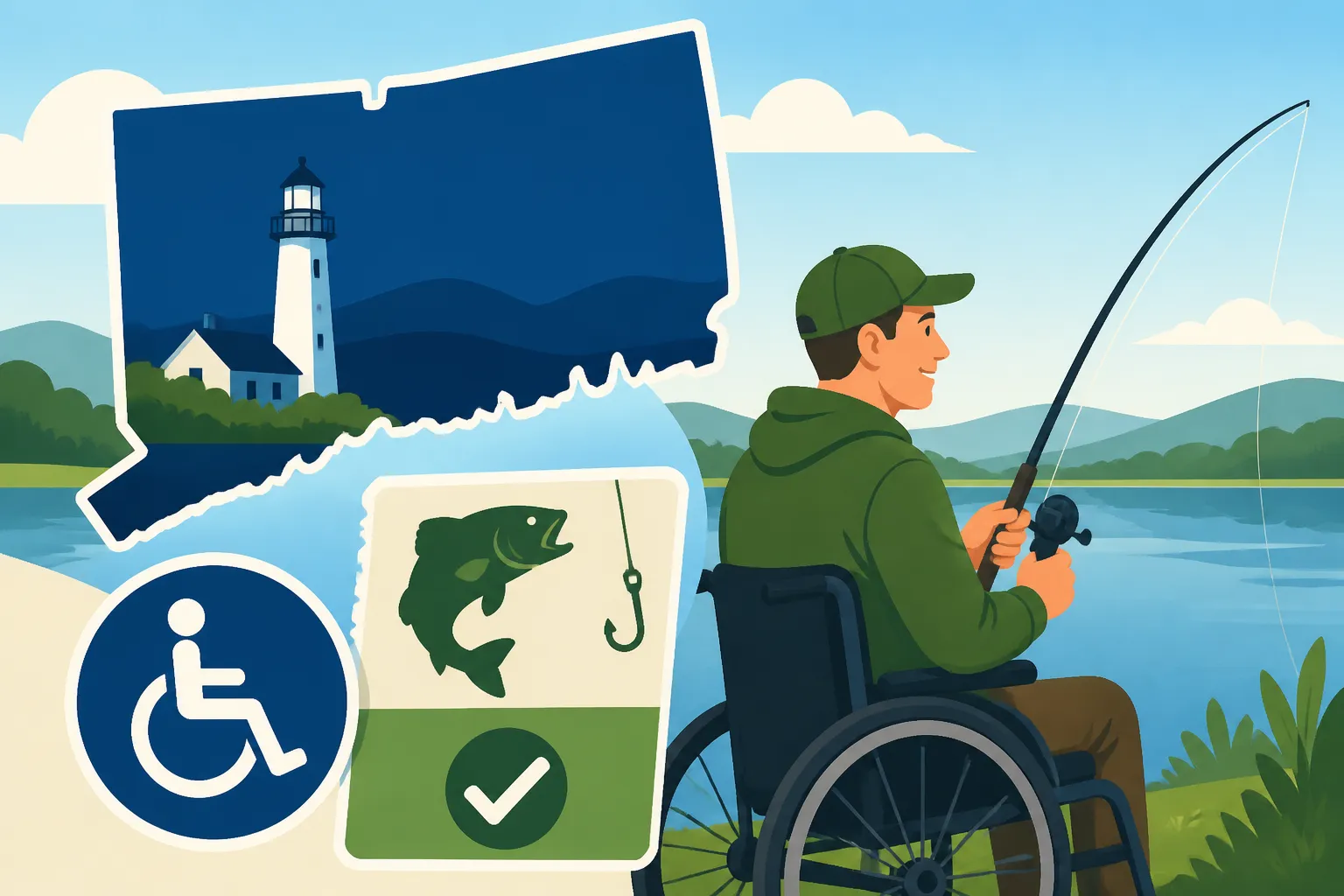
Living with a disability often comes with additional financial burdens and logistical challenges. The good news is that Connecticut acknowledges these realities and offers specific provisions to ensure that enjoying the state's rich fishing heritage isn't one more hurdle. While some might expect a simple "discount," Connecticut actually offers free licenses to certain categories of disabled residents, which is even better! It's not just a minor reduction; it's a complete waiver for those who qualify, opening up access to all freshwater and saltwater fishing without the typical annual fee. This program aims to remove barriers and encourage participation in outdoor activities that can be incredibly beneficial for physical and mental well-being. Imagine the peace of mind knowing you can head out to your favorite spot on the Connecticut River or cast a line into Long Island Sound without worrying about the annual license cost.
Who Qualifies for a Free Fishing License
The eligibility for a free Connecticut fishing license for disabled residents is quite specific, focusing on particular types of disabilities and, in some cases, military service. It’s not a blanket offer for everyone with a disability, so understanding the nuances is key. The state wants to ensure that these benefits go to those with documented, significant impairments.
The primary categories for a free license are:
- Connecticut Residents with Permanent Physical Disability and Mobility Impairment: This is a big one. To qualify, you must be a resident of Connecticut and have a permanent physical disability that significantly impairs your mobility. Furthermore, you must be receiving federal Social Security Disability (SSD) benefits, supplemental security income (SSI), or other specific benefits such as aid to the blind or aid to the disabled from the Department of Social Services (DSS). This ensures that the benefit is targeted to those whose disability has been officially recognized and impacts their daily life and finances. For instance, if you rely on a wheelchair or have significant difficulty walking long distances due to a permanent condition, and you receive SSD, you likely meet this criterion. The state outlines that this is specifically for "physical disability which results in permanent total or partial loss of mobility."
- Legally Blind Connecticut Residents: For those who are legally blind, Connecticut offers a free permanent fishing license. This is a separate category from general physical mobility impairment and has its own set of verification requirements. The goal here is clearly to support visually impaired residents in enjoying recreational fishing without financial obstacles. This free license can be a wonderful opportunity for those who find solace and enjoyment by the water, perhaps through guided fishing or with assistance from friends and family.
- Connecticut Residents Who Are 100% Disabled Veterans: This is a crucial distinction and a fantastic benefit for those who have served our country. If you are a Connecticut resident and have a service-connected disability rating of 100% from the U.S. Department of Veterans Affairs (VA), you are eligible for a free fishing license. This benefit is a small token of gratitude for their immense sacrifice and service. This isn't just about a physical disability; it encompasses any service-connected disability that results in a 100% rating. It’s important for disabled veterans to know this specific provision exists, as the process for them might involve different documentation than for other disabled residents. You can find more details on this particular benefit, which covers many more aspects of outdoor recreation, in a resource like the article on Connecticut Fishing License for Disabled Residents.
What Documentation is Needed
The state needs to verify your eligibility, so having the correct paperwork ready is paramount. Trying to apply without the right documents can lead to delays and frustration, sending you back to square one.
- For Permanent Physical Disability/Mobility Impairment:
- Proof of Connecticut Residency: This could be a valid Connecticut driver's license or a state-issued ID card.
- Proof of Disability Benefits: You'll need official documentation from the Social Security Administration (SSA) confirming your receipt of Social Security Disability (SSD) or Supplemental Security Income (SSI). This might be an award letter, a statement of benefits, or other official correspondence. Alternatively, if you receive aid from the Department of Social Services (DSS) for the blind or disabled, you'll need similar official documentation from DSS.
- Statement of Disability: While not always a separate document, sometimes a doctor's note or a formal statement confirming the permanent nature and impact of your physical disability on mobility might be requested if the other documentation isn't clear enough on the mobility impairment aspect.
- For Legal Blindness:
- Proof of Connecticut Residency: As above, a CT driver's license or state ID is usually sufficient.
- Proof of Legal Blindness: This will typically be a certification from an ophthalmologist or a letter from the Bureau of Education and Services for the Blind (BESB) or another recognized state agency that verifies your legal blindness.
- For 100% Disabled Veterans:
- Proof of Connecticut Residency: Again, a CT driver's license or state ID.
- Official VA Documentation: You will need a letter or certificate from the U.S. Department of Veterans Affairs (VA) clearly stating your service-connected disability rating as 100%. This is the definitive document for this category.
It's always a good idea to call the Connecticut Department of Energy and Environmental Protection (DEEP) licensing division directly if you have any unique circumstances or are unsure which documents apply to you. Their contact information can usually be found on the DEEP website.
How to Apply for Your Free Fishing License
Applying for your free license doesn't have to be a headache. While there are a few steps, knowing them upfront makes the process much smoother. You have a couple of primary avenues for application, and understanding the pros and cons of each can help you choose the best option for your situation. Remember, the goal is to get you out on the water, not caught up in paperwork!
Online Application Process
The internet has made many things easier, and applying for certain permits is no exception. Connecticut DEEP offers an online licensing system that is generally convenient, allowing you to complete much of the process from the comfort of your home.
- Visit the CT DEEP Online Licensing System: Head over to the official Connecticut DEEP Sportsmen's Licensing System website. You’ll need to create an account if you don't already have one. This usually involves entering some personal information like your name, address, and date of birth.
- Navigate to License Purchase/Renewal: Once logged in, look for options to purchase or renew a fishing license. When prompted to select the type of license, you should see an option for "Free Permanent Fishing License for Disabled Residents" or similar wording, depending on your specific disability.
- Upload Required Documentation: This is where your pre-prepared documents come in handy. The online system will have a section for you to upload digital copies (scans or clear photos) of your proof of residency and disability documentation (e.g., SSA letter, VA letter, ophthalmologist certification). Ensure these files are clear and legible. If you don't have a scanner at home, many local libraries offer scanning services, or you can use a smartphone app designed for scanning documents.
- Review and Submit: Carefully review all the information you've entered and the documents you've uploaded. Double-check that all fields are correct and all required proofs are attached. Once you're confident, submit your application.
- Processing and Confirmation: The DEEP will then review your application. This might take a few business days. You'll usually receive an email confirmation once your application is processed and approved. You can then print your license directly from the system or carry a digital copy, which is perfectly acceptable in Connecticut. It’s very similar to how you would apply for a general Connecticut Fishing License Guide for 2026.
Pros of Online Application: Convenience, 24/7 access, no travel required.
Cons of Online Application: Requires a computer/internet access, need to scan/digitize documents, potential for technical glitches.
In-Person Application at a Vendor
For those who prefer a more personal touch, or if you encounter issues with the online system, applying in person is a solid alternative. There are licensed vendors throughout the state ready to assist you.
- Locate an Authorized Vendor: The Connecticut DEEP website provides a list of authorized license vendors. These are typically tackle shops, sporting goods stores like those found on Amazon, or town clerks' offices. Look for one that's convenient for you. For instance, in eastern Connecticut, you might find a vendor in Norwich, or in western Connecticut, a town clerk in Danbury could help.
- Gather Your Original Documents: Bring your original proof of residency and all required disability documentation with you. The vendor might need to see the originals or make copies.
- Complete the Application Form: The vendor will provide you with a physical application form to fill out. Take your time and ensure all information is accurate.
- Assisted Verification and Issuance: The vendor will assist you in verifying your documents and completing the application. If everything is in order, they can usually issue your free fishing license on the spot. This immediate gratification is a huge plus.
Pros of In-Person Application: Direct assistance, immediate license issuance (if approved), no need for personal scanning equipment.
Cons of In-Person Application: Requires travel during business hours, limited locations.
Benefits and Limitations of the Free Disabled Resident License
Having a free fishing license is a fantastic benefit, significantly reducing the cost barrier to enjoying Connecticut's diverse fisheries. However, like most regulations, there are specific limitations and additional stamps you might need to be aware of. Understanding these nuances ensures you're fully compliant and can maximize your enjoyment without any unwelcome surprises. This license is primarily for the annual permit, but certain specialty fishing still requires additional steps.
What the Free License Covers
The free fishing license for eligible disabled Connecticut residents is remarkably comprehensive in its coverage.
- Statewide Fishing Privileges: This license grants you the right to fish in all inland waters (lakes, ponds, rivers, streams) and marine waters (Long Island Sound, estuaries, tidal rivers) throughout Connecticut. This means you can cast for trout in the Farmington River, pursue striped bass in the Connecticut River, or try for flounder in Long Island Sound – all under the umbrella of this single, free license. It covers the broad spectrum of species and locations, from the serene ponds in state parks to the bustling coastline.
- Annual Validity: While referred to as "permanent" for legally blind residents or "free" for disabled individuals, these licenses typically align with the state's annual licensing cycle. This means you will likely need to renew it annually, though at no cost, to ensure your information is up-to-date and to receive the most current license document. This isn't usually an arduous process and often involves a quick online renewal or a visit to a vendor. Always check the expiration date, which you can usually find information on in articles like Connecticut fishing license expiration date.
- Access to Basic Fishing: This license covers basic rod and reel fishing, as well as ice fishing, and other common recreational methods. It's designed to give you broad access to the typical fishing experiences most anglers seek. Whether you prefer to fish from a pier, a boat, or the shoreline, this license makes it possible. You can explore a wide array of options, perhaps even trying some of the Best Shore Fishing Spots in Connecticut or planning a trip to one of the Best Fishing Lakes in Connecticut.
Additional Stamps and Requirements
While the base fishing license is free for those who qualify, there are a couple of additional items that might still be required depending on the type of fishing you plan to do. It’s critical to understand these to avoid any potential fines or issues with DEEP conservation officers.
- Connecticut Trout and Salmon Stamp: If you plan on fishing for or keeping trout or salmon in Connecticut's inland waters, you will still need to purchase a Connecticut Trout and Salmon Stamp. This stamp is an additional fee that goes directly towards the state's trout and salmon stocking and management programs. Even if your base fishing license is free, this stamp is not covered. It's a modest fee, usually available online or at vendors, and it’s a vital contribution to keeping Connecticut's trout streams vibrant. You can often pick up these stamps at the same time you apply for your free license, or purchase them separately later. You can learn more about its cost in the Connecticut trout and salmon stamp cost article.
- Special Regulation Waters: Some specific waters in Connecticut, such as certain Trout Management Areas (TMAs) or wild trout management areas, might have unique regulations that go beyond the standard statewide rules. These could include catch-and-release only rules, specific lure/bait restrictions, or reduced creel limits. While your free license allows you to fish these waters, you are still bound by their special regulations. Always consult the current Connecticut Angler's Guide or the DEEP website for the specific rules of any specialized water you plan to visit, for example, the Connecticut Trout Management Area Regulations.
- No Commercial Fishing: This free license is strictly for recreational fishing. It does not grant any commercial fishing privileges, such as selling your catch or using commercial fishing gear. If you are interested in commercial fishing, entirely different licensing and permitting processes apply.
- Proof of Compliance: Always carry your physical or digital fishing license and any required stamps with you while fishing. Conservation officers frequently check licenses, and having yours readily available, perhaps in a waterproof case you found on Amazon, will make any interaction smooth and quick. It’s also wise to have a form of ID handy to verify your identity.
| Eligibility Category | License Type | Documentation Required | Additional Stamps Needed? |
|---|---|---|---|
| Permanent Physical Disability (Mobility Impairment) | Free Annual | CT ID, SSA/DSS Benefit Letter | Trout & Salmon Stamp (if applicable) |
| Legally Blind Resident | Free Permanent | CT ID, Legal Blindness Cert. | Trout & Salmon Stamp (if applicable) |
| 100% Disabled Veteran | Free Annual | CT ID, VA 100% Disability Letter | Trout & Salmon Stamp (if applicable) |
| General Resident (No Disability) | Paid Annual | CT ID | Trout & Salmon Stamp (if applicable) |
This table should give you a clear overview of the different scenarios.
Maximizing Your Fishing Experience with a Free License
Having access to a free fishing license is just the beginning. Connecticut offers an incredible array of fishing opportunities, from peaceful inland lakes to the dynamic waters of Long Island Sound. The state works hard to maintain its fisheries, providing resources that can help you plan your next adventure, no matter your mobility or preferred style of fishing.
Accessible Fishing Locations
Connecticut is committed to making its outdoor spaces accessible to everyone. Many state parks, boat launches, and fishing piers have been designed or upgraded to be handicap-accessible, featuring paved paths, accessible restrooms, and designated parking.
- State Parks and Lakes: Places like Silver Sands State Park in Milford offer accessible boardwalks near the water, and many state park lakes have easy-to-reach shorelines or docks. For instance, Gardner Lake in Salem has an accessible fishing platform, allowing anglers to get right to the action without navigating difficult terrain. These spots are perfect for a relaxed day of fishing for panfish, bass, or stocked trout. Always check the individual park's website or call ahead to confirm specific accessibility features.
- Piers and Docks: Public fishing piers are often excellent choices for accessibility. The piers at the mouth of the Connecticut River in Old Saybrook or the one in Calf Pasture Beach in Norwalk provide good opportunities for saltwater species and are typically designed with smooth surfaces and railings. These locations are fantastic for folks who might have mobility challenges, allowing them to enjoy the thrill of catching fish without the need for a boat or extensive hiking.
- Trout Management Areas: While some prime trout fishing streams can be rugged, certain sections of the Farmington River or Housatonic River, particularly near popular access points, can offer easier bank access. The DEEP sometimes designates specific "easy access" areas that are maintained for broader public use. Keep an eye on DEEP's fishing reports and maps for detailed information on these spots, including those found on the Connecticut Interactive Trout Stocking Map, Explained.
Resources and Support for Disabled Anglers
Beyond the license itself, there's a community and a wealth of information available to support disabled anglers in Connecticut.
- Connecticut DEEP Website and Publications: The DEEP website is a treasure trove of information. Beyond licensing, it offers fishing reports, stocking schedules, and detailed maps of fishing locations, including notes on accessibility. Make sure to download or pick up the latest "Connecticut Angler's Guide," which is packed with rules, regulations, and valuable insights. You can find more detail on this in the Reading the Connecticut Fishing Guide article.
- Fishing Clubs and Organizations: Many local fishing clubs are inclusive and may offer events or resources specifically for disabled anglers. These groups can be a great way to connect with fellow enthusiasts, learn new techniques, and discover accessible spots. A quick online search for local clubs in your area can yield surprising results.
- Adaptive Equipment: Don't let physical limitations deter you from fishing. The market, including retailers like Amazon, offers a wide range of adaptive fishing equipment, from rod holders designed for wheelchairs to easy-grip handles and casting aids. Investing in a few pieces of adaptive gear can significantly enhance your comfort and success on the water. For example, a good quality rod holder can make a huge difference if you have limited arm strength or mobility.
- Local Tackle Shops: Your local tackle shop is more than just a place to buy bait and lures. The staff there are often avid anglers themselves and can provide invaluable local knowledge about accessible spots, current fishing conditions, and the best gear for your needs. They can also recommend specific lures or baits, whether you're targeting smallmouth bass in the Housatonic or looking for the Best Baits for Smallmouth Bass on the Housatonic. Don't hesitate to strike up a conversation and ask for advice.
Navigating Common Questions and Misconceptions
When dealing with government programs and regulations, it's easy for questions to pop up, and even easier for misconceptions to take root. Let's tackle some of the most common inquiries regarding Connecticut's disabled resident fishing license. Understanding these points can save you time and prevent misunderstandings, ensuring your fishing adventures are smooth sailing.
"Is it a discount or free?"
This is perhaps the most common question, and it's an important distinction. For eligible Connecticut residents with a permanent physical disability affecting mobility, or those who are legally blind, the fishing license is free. It's not a reduced price or a percentage off; it's a complete waiver of the standard fee for the annual fishing license. Similarly, 100% disabled veterans who are Connecticut residents also receive their fishing license for free. This is a significant benefit, as it entirely removes the financial barrier of the license cost, making fishing more accessible. So, when you hear "discount," remember that for qualifying disabled residents, it's actually even better – it's free!
"Do I need a fishing license if I'm fishing from a pier or shore?"
Yes, absolutely. This is a common misconception, particularly among those new to fishing or visiting from out of state. Regardless of whether you're casting from a fancy boat in Long Island Sound, a public pier, or simply wading into a local pond from the shore, if you are 16 years of age or older, a valid Connecticut fishing license is required. The method or location of fishing does not exempt you from this requirement. The only general age exemption is for those under 16, as covered in topics like Connecticut Fishing License Age Requirements. Your free disabled resident license covers you for all these scenarios, but you must have it with you. Think of it this way: the fish don't care where you're standing when you catch them, and neither does the law!
"What if my disability isn't mobility-related?"
This is a critical point of clarification. The primary free license for general disabled residents in Connecticut specifically targets physical disabilities that result in permanent mobility impairment. This means conditions that significantly affect your ability to move around, often evidenced by receiving specific federal or state disability benefits (SSD, SSI, DSS aid for the disabled). If your disability is not mobility-related (e.g., a mental health condition, a non-impairing chronic illness), you might not qualify for this specific free license category.
However, don't despair! Connecticut does offer other assistance programs or considerations that might indirectly help. For example, low-income residents, regardless of disability status, might qualify for other reduced-cost programs. It's always worth exploring the broader spectrum of Free and Discounted Fishing License Options in Connecticut on the DEEP website or contacting their licensing division to inquire about any other programs for which you might be eligible. Additionally, if you are a veteran, the 100% disabled veteran benefit applies to any service-connected disability, not just mobility issues.
"Is the free license a lifetime license?"
For legally blind Connecticut residents, the free license issued is indeed a permanent license, meaning it does not expire and typically doesn't require annual renewal once issued. This is a truly lifetime benefit.
For other eligible disabled residents (those with permanent physical disability/mobility impairment receiving SSD/SSI/DSS aid, and 100% disabled veterans), the free license is typically issued on an annual basis. While it remains free, you will likely need to go through an annual (though streamlined) renewal process to update your information and receive a current license document. This ensures the state has up-to-date records and can confirm continued eligibility if needed. So, while it feels like a lifetime benefit because it's always free, for most disabled residents, it's an annual renewal. Always check the printed license for its expiration date.
Conclusion: Embracing Connecticut's Waters
The provision of a free fishing license for eligible disabled residents is a fantastic initiative by the State of Connecticut, reflecting a commitment to inclusivity and access to the outdoors. It removes a significant financial barrier, allowing more individuals to experience the therapeutic and recreational benefits that fishing offers, from the serene beauty of a quiet pond to the excitement of saltwater fishing. Remember to verify your eligibility carefully, gather the necessary documentation, and choose the application method that best suits your needs. With your free license in hand, you’re ready to explore the incredible fishing opportunities that await you across the Nutmeg State. Tight lines, and enjoy the peace and thrill of Connecticut's waters!
Disclaimer
The information provided in this guide is for general informational purposes only and does not constitute legal advice. Fishing regulations and licensing requirements in Connecticut are subject to change. Always consult the official Connecticut Department of Energy and Environmental Protection (DEEP) website or contact their licensing division directly for the most current and accurate information before engaging in any fishing activities.