Connecticut fishing license vendors near me
It’s a common frustration, isn’t it? You’ve got that itch to hit the water, maybe a beautiful morning beckoning, or you just realized your old fishing license has expired, and suddenly you're wondering, "Where in the world can I actually buy a Connecticut fishing license near me?" You don’t want to drive all over the state, only to find out the place you went doesn’t sell them, or they’re closed. This guide is here to clear up that confusion, showing you exactly where to find those elusive vendors and what to expect when you get there.
Finding Official Connecticut Fishing License Vendors
When you're ready to secure your fishing privileges in the Nutmeg State, it helps to know the various avenues available. While many folks immediately think of brick-and-mortar stores when they hear "near me," Connecticut offers a robust online system, too. This flexibility means you have choices, whether you prefer the convenience of your couch or the local camaraderie of a tackle shop.
The Connecticut DEEP Online System
Let's be real, in today's digital age, the absolute easiest and most straightforward way to get your Connecticut fishing license is often right from your computer or smartphone. The Connecticut Department of Energy and Environmental Protection (DEEP) maintains an excellent online licensing system that’s accessible 24/7. This system allows you to purchase a wide variety of licenses, permits, and stamps from the comfort of your home, or even right at the boat ramp if you're in a pinch with a signal.
Think about it: no driving, no waiting in line, no worrying about store hours. You simply visit the official DEEP website, navigate to their Sportsmen's Licensing section, and follow the prompts. You’ll need some basic personal information, a valid credit card, and a printer if you want a physical copy right away. The beauty of this system is that it’s always "near you" as long as you have internet access. For a deeper dive into this process, check out our guide on How to Buy a Fishing License Online in Connecticut. Once purchased, you can often print it immediately or save a digital copy to your phone, which is perfectly acceptable as proof of licensure in Connecticut.
Physical License Agents
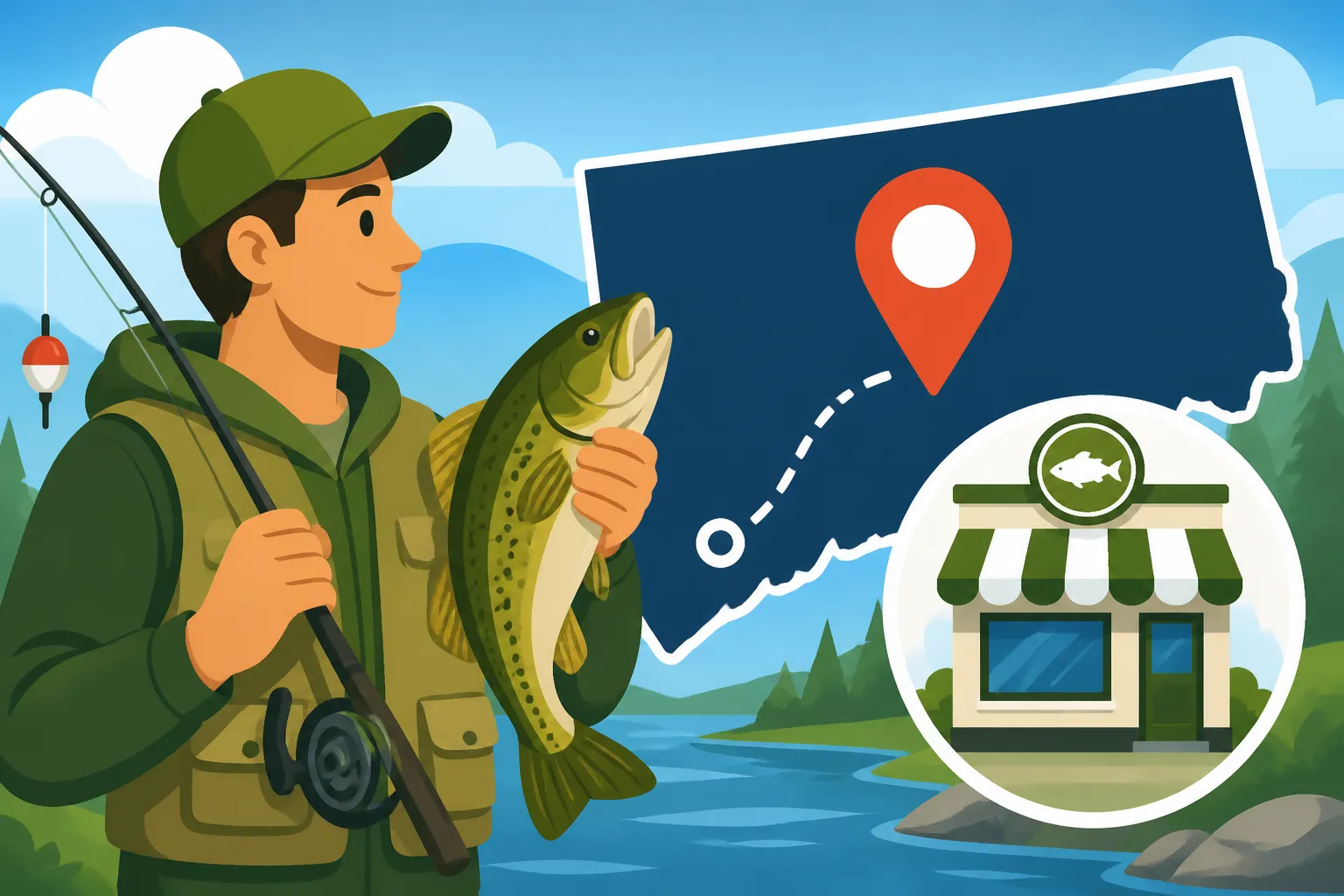
Okay, but what if you do prefer the traditional route? Maybe you want to chat with a local expert, pick up some fresh bait, or you just don't have reliable internet access. This is where Connecticut's network of authorized physical license agents comes into play. These are the "vendors near me" that most anglers initially think of. The DEEP partners with various businesses and municipal offices across the state to make licenses readily available.
These agents typically include local bait and tackle shops, larger sporting goods retailers, and sometimes even town clerks or town halls. The key is that they are officially authorized by the DEEP to issue licenses, ensuring you're getting a legitimate document. The DEEP provides an updated list of these agents on their website, so before you head out, it's always a good idea to consult the official Connecticut DEEP license agent list to confirm locations and operating hours. This saves you the headache of showing up somewhere only to find they don't offer licenses, or they're closed for the day. You’ll find these agents scattered from Greenwich to Stonington, ensuring most residents are within a reasonable driving distance of a purchase point.
Over-the-Counter Purchase Process
So, you've located a physical license agent and you're ready to make your purchase. What can you expect? The process is generally quite straightforward, but it's good to be prepared. When you arrive, you’ll typically be asked for your driver's license or another form of identification to verify your residency and age. This is crucial because different licenses apply to residents versus non-residents, and there are specific Connecticut Fishing License Age Requirements. For instance, a Connecticut resident will have different costs and options than someone from out-of-state.
You’ll then be asked what type of license you need. This might seem simple, but Connecticut offers a variety, such as inland, marine, or all-waters licenses, as well as specific stamps like the Connecticut Trout and Salmon Stamp, Explained. If you’re unsure, this is a great opportunity to ask the vendor for guidance. They can often explain the differences, like what an Connecticut Inland vs Marine vs All-Waters License, Explained covers, helping you choose the best option for your planned fishing adventures. After selecting your license, you'll pay, and they will print out your official license on the spot. Make sure to double-check all the information on the printed license before you leave to ensure accuracy.
Types of Vendors and What to Expect
Not all license vendors are created equal, and knowing the differences can help you decide where to go based on your needs and priorities. Each type of vendor offers its own unique set of advantages and potential drawbacks.
Local Bait and Tackle Shops
Ah, the quintessential fishing experience! Local bait and tackle shops are often the heartbeat of the local angling community. When you walk into a place like Rivers End Tackle in Old Saybrook or Fisherman's World in Norwalk, you're not just buying a license; you're stepping into a treasure trove of local knowledge.
Pros:
- Expert Advice: The staff at these shops are usually seasoned anglers themselves, deeply familiar with local conditions, recent catches, and what's biting. They can offer invaluable tips on baits, lures, and even specific fishing spots.
- Community Hub: These shops are often gathering places where you can hear fishing reports, swap stories, and get a real feel for the local scene.
- Convenience for Gear: You can pick up your license, fresh bait, and any last-minute tackle you need all in one stop. This is especially handy if you just remembered you're out of your favorite jig or need some live worms.
- Supporting Local Business: By purchasing your license here, you're directly supporting a local business that often contributes to the very community you fish in.
Cons:
- Limited Hours: Many smaller shops have more restricted operating hours compared to larger retailers, especially on weekdays or holidays.
- Specific Inventory: While great for fishing gear, their overall selection might be niche, focusing on what works best locally, rather than a broad range.
Major Sporting Goods Retailers
Big box sporting goods stores, like certain Dick's Sporting Goods or Bass Pro Shops locations (though Bass Pro doesn't currently have a physical store in CT), also serve as authorized license vendors. These stores offer a different kind of experience, often appealing to those looking for a broader selection of outdoor gear.
Pros:
- Extended Hours: Generally, these retailers have longer operating hours, making it easier to grab a license before or after work, or on weekends.
- Vast Selection: If you need a new rod, reel, waders, or even camping equipment, you can get it all under one roof. While you can search for a wide variety of fishing gear on Amazon, being able to see and feel the equipment in person can be a big plus.
- Consistent Availability: These stores usually have multiple staff members trained to process licenses, meaning less waiting time during busy periods.
Cons:
- Less Local Expertise: While staff are knowledgeable about general fishing, they might not have the hyper-local insights that a dedicated bait shop owner possesses about the Farmington River or specific Long Island Sound reefs.
- Less Personalized Service: The experience can be more transactional, lacking the personal touch of a smaller, specialty shop.
Town Clerks and Town Halls
In some municipalities, the town clerk's office or town hall acts as a license agent. This option is less common for just a fishing license, but it can be convenient if you're already handling other town business.
Pros:
- Official and Reliable: You're dealing directly with a municipal office, ensuring an official and accurate transaction.
- Sometimes Convenient: If your town hall is close by and you’re already there for something else, it can be a quick stop.
Cons:
- Limited Hours and Days: Town halls typically operate during standard business hours (e.g., 9 AM to 4 PM, Monday to Friday) and are closed on weekends and holidays, which can be restrictive for many anglers.
- No Gear or Bait: You won't find any fishing supplies here; it's purely for the license transaction.
- Potentially Slower Service: Depending on the staff and other services being provided, you might encounter longer wait times.
Table: Comparison of Connecticut Fishing License Vendor Types
| Vendor Type | Key Advantages | Key Disadvantages | Best For… |
|---|---|---|---|
| CT DEEP Online System | 24/7 access, immediate purchase, digital option | Requires internet, printer needed for physical copy | Max convenience, last-minute purchases, tech-savvy anglers |
| Local Bait & Tackle Shops | Local expertise, community feel, gear/bait combo | Limited hours, potentially smaller inventory | Local insights, fresh bait, supporting small business |
| Major Sporting Goods Stores | Broad gear selection, extended hours, multiple staff | Less local fishing expertise, less personalized | One-stop shopping, broad selection, flexible hours |
| Town Clerks/Town Halls | Official transaction, reliable | Very limited hours, no gear/bait, potentially slow | Already at town hall, direct government transaction |
Preparing for Your Purchase
Getting your fishing license shouldn't be a chore, but a little preparation can make the process smooth and stress-free, whether you're buying it online or at a physical vendor.
Required Documentation and Information
Before you head to a physical vendor or even log into the DEEP's online system, gather the necessary information. This typically includes:
- Proof of Residency: If you're a Connecticut resident, you'll need a valid Connecticut driver's license or state ID. For non-residents, an out-of-state driver's license is sufficient. Your residency status impacts the cost; you can find details on Resident vs Nonresident Fishing License Costs in Connecticut.
- Date of Birth: Essential for verifying age requirements and issuing the correct license.
- Physical Address: For mailing purposes and record-keeping.
- Conservation ID (CIN) Number: If you’ve purchased a Connecticut hunting or fishing license before, you’ll have a CIN. Having this number handy speeds up the process significantly, as all your past licensing history is linked to it. If you don't have one, the system will generate a new one for you.
- Social Security Number (SSN): While not always explicitly asked for upfront for every transaction, it's often required for compliance with child support enforcement laws when applying for certain state licenses. It's best to have it accessible.
Making sure you have these details ready will prevent any frustrating delays or a wasted trip.
Understanding License Options Before You Go
Connecticut offers a range of fishing licenses to suit different needs. Don't just assume you need "a fishing license." Taking a moment to understand the options will ensure you get the right one for your plans. Do you plan to fish only freshwater lakes and rivers, or will you be heading out into Long Island Sound for some saltwater action?
- Inland Fishing License: For freshwater bodies like lakes, ponds, and rivers.
- Marine Waters Fishing License: For fishing in Connecticut's saltwater areas, including Long Island Sound.
- All-Waters Fishing License: This combines both inland and marine fishing privileges, often the most convenient choice if you enjoy both types of fishing.
- Trout & Salmon Stamp: An additional stamp required if you plan to keep trout or salmon from designated trout management areas or other waters. This is separate from the base fishing license.
- Short-term licenses: Non-residents might have the option for a 3-day license, which can be a cost-effective choice for a short visit. You can find information about the Connecticut 3-Day Nonresident Fishing License Cost in our other articles.
Knowing your desired waters and species can help you determine which license and any necessary stamps you'll need. A quick read of the Connecticut Fishing Regulations Explained or the Connecticut Fishing License Guide for 2026 can really help clarify your choices.
Payment Methods and What to Bring
For online purchases, a major credit or debit card is typically all you need. The DEEP system is secure and accepts most common card types.
If you're heading to a physical vendor:
- Credit/Debit Card: Most major retailers and many bait shops accept cards.
- Cash: Smaller, independent bait and tackle shops might prefer cash or have minimums for card transactions, so it's always wise to have some on hand.
- Check: Generally not accepted for immediate license purchases, but it's worth asking if it's your only option, though most places will likely decline.
Beyond payment, remember to bring your identification. Also, if you’re collecting a digital license at home, you’ll need access to a printer to get that physical copy if you prefer it. While Printing or Carrying a Digital Fishing License in Connecticut is fine, some anglers like the peace of mind of a paper copy tucked into their wallet or tackle box.
Troubleshooting and Tips
Even with the best preparation, sometimes things don't go exactly as planned. Here are some tips to navigate common issues and make your licensing experience as smooth as possible.
What to Do if You Can't Find a Local Vendor
It happens. Maybe you're in a very rural area, or you've waited until late on a Sunday night when everything is closed. If your search for "Connecticut fishing license vendors near me" comes up empty, don't despair!
- Use the Online System: As mentioned, the DEEP's online licensing system is your best friend in this scenario. It's always open, and you can purchase and print your license instantly. This is the ultimate fallback if physical locations are unavailable.
- Check the DEEP Website Directly: The official Connecticut DEEP website is the authoritative source for finding current license agents. Their list is regularly updated. If a vendor is on the list, their contact information should be there, allowing you to call ahead and confirm hours.
- Plan Ahead: The best defense is a good offense. Don't wait until the last minute! Consider getting your license a few days or weeks before you plan to fish. Connecticut fishing licenses typically expire on December 31st each year, regardless of when you buy them, so it's good to know your Connecticut fishing license expiration date. This gives you ample time to use the online system or visit a vendor during regular business hours.
Digital vs. Physical License: Carrying Your Proof
Connecticut law requires you to have your fishing license in your possession while actively engaged in fishing. This can be a physical paper copy or a digital image displayed on a smartphone or other electronic device.
- Physical Copy: A traditional paper license is sturdy, doesn't rely on battery life, and is easy to present to a Conservation Officer. Laminating it can extend its life through splashes and wear.
- Digital Copy: Convenient for those who always have their phone on them. Take a screenshot or save the PDF of your license to your phone's photo gallery or files for quick access. Just make sure your phone is charged!
The choice is personal preference, but the most important thing is that it's readily available if requested. If you happen to lose your physical license, our guide on Replacing a lost Connecticut fishing license can help you out.
Planning Ahead for Peak Seasons
Connecticut's waters are popular, especially during key fishing seasons like spring trout stocking or the summer striped bass run. This means license vendors, especially local bait and tackle shops, can get busy.
- Avoid the Rush: If you can, try to purchase your license during off-peak hours or days. Mid-week afternoons are generally less crowded than Saturday mornings.
- Online is King for Convenience: For events like Connecticut Spring Fishing Day and Opening Day Rules, expect queues at popular vendors. Using the online system in advance will let you bypass these lines entirely, getting you to the water faster.
- Know Your Needs: If you're planning on chasing trout, remember you'll likely need that extra stamp. Don't wait until you're at the stream to realize you're missing a key part of your legal fishing setup. Consider reading up on Connecticut Trout Season and Stocking Rules to be fully prepared.
By understanding your options, preparing your information, and planning a little in advance, securing your Connecticut fishing license will be a breeze, leaving you more time to focus on what really matters: catching fish!
Disclaimer
Please note that fishing regulations and licensing requirements can change. While every effort has been made to provide accurate and up-to-date information, it is always your responsibility to consult the official Connecticut Department of Energy and Environmental Protection (DEEP) website or current Connecticut Angler's Guide for the most precise and latest regulations before engaging in any fishing activities.