How to Buy a Fishing License Online in Connecticut
Trying to figure out how to snag your Connecticut fishing license without the hassle of driving to a vendor or waiting in line at a local tackle shop can feel like a puzzle. We've all been there, scrambling at the last minute for a license before a planned fishing trip, or simply dreading the bureaucracy. This comprehensive guide is designed to cut through the confusion, offering a step-by-step walkthrough for purchasing your Connecticut fishing license online, ensuring you're legal and ready to cast your line with ease.
Why Buying Your Connecticut Fishing License Online is the Smart Play
Let's be real, the thought of dealing with paperwork and waiting in queues isn't exactly how most of us picture starting a peaceful day of fishing. That's where the online system for buying your Connecticut fishing license truly shines. It’s not just about convenience; it’s about efficiency and ensuring you're prepared for whatever the waters throw at you.
Convenience at Your Fingertips
The biggest perk of buying your fishing license online is undoubtedly the convenience. Forget rushing to a bait shop or a town clerk's office before they close. The Connecticut Department of Energy and Environmental Protection (DEEP) online licensing system is available 24 hours a day, 7 days a week. This means you can purchase your license from the comfort of your couch, at your kitchen table, or even while sitting in your car right before you hit your favorite fishing spot.
Imagine this scenario: you've got a free Saturday morning, the weather looks perfect, and you suddenly decide a spontaneous trip to the Best Fishing Lakes in Connecticut is in order. With the online system, you can quickly jump on your phone or computer, grab that license, and be out the door in minutes. No wasted gas, no waiting behind someone buying a hunting license, and no last-minute scramble to find a place that's open. It’s about maximizing your time on the water, not in line.
Keeping Up-to-Date with Regulations
Another huge advantage of the online portal is that it inherently helps you stay current with the ever-changing world of fishing regulations. When you purchase directly through the DEEP website, you're interacting with the most current system, which often links directly to the latest rules and requirements. This minimizes the risk of inadvertently using outdated information you might find on an old flyer or hear through the grapevine.
While purchasing your license, the system will prompt you for different types of licenses and stamps, implicitly guiding you to consider all necessary endorsements. For example, if you're planning on chasing trout, the online system will make sure you’re offered the option to add the essential Connecticut Trout and Salmon Stamp, Explained. This built-in guidance helps ensure you get the correct license type for your specific angling plans, preventing any uncomfortable encounters with a conservation officer down the line. It's a proactive way to make sure you're always fishing within the legal parameters, giving you peace of mind.
Navigating the Connecticut DEEP Online Licensing System
Diving into any government website can feel a bit daunting, but the Connecticut DEEP online licensing system is pretty straightforward once you know the ropes. It’s designed to be user-friendly, guiding you through the process of getting properly licensed for your next fishing adventure.
Creating Your Account or Logging In
For first-time users, the initial step involves setting up a personal profile. This usually means providing some basic information: your full name, date of birth, physical address, and contact details like an email address and phone number. Make sure all this information is accurate, especially your address, as it directly impacts your residency status, which determines the cost of your license. You'll then create a unique username and password that you'll use for all future license purchases and renewals. Think of it like creating an account on a shopping site, but for your outdoor passions!
If you're a seasoned angler who's purchased licenses online before, it's even simpler. You’ll just log in with your existing credentials. The system will usually have your previous information saved, making the renewal process incredibly fast. If you've forgotten your login details, there's typically a clear "forgot username" or "forgot password" link to help you regain access without too much fuss. Having a consistent account helps the DEEP track your licensing history, which can be useful for various purposes, including special permits or future changes to regulations.
Choosing the Right License for Your Angling Adventure
This is where it gets a little more specific, but don't worry, the online system is built to help. Connecticut offers several types of fishing licenses, catering to different fishing environments and durations. You'll need to consider whether you're targeting freshwater or saltwater species, or both. For instance, you might choose an Inland Fishing License if you're only planning to fish the state's many lakes, ponds, and rivers. If your sights are set on the briny depths of Long Island Sound, a Marine Waters Fishing License is your go-to. And for those who love the best of both worlds, there's an All-Waters Fishing License that covers both inland and marine environments. This is a crucial choice, and understanding the differences can save you money and ensure compliance, as detailed in Connecticut Inland vs Marine vs All-Waters License, Explained.
Beyond the type of water, you'll also select the duration. Most resident anglers opt for an annual license, which typically expires on December 31st of the year it was issued. Non-residents, or those on a short vacation, might prefer a 3-day non-resident option, which is more cost-effective for a brief trip. The system will clearly display these choices.
Don't forget the add-ons! If you plan to fish for trout or salmon in any of Connecticut's designated trout waters, you'll absolutely need to purchase a Trout & Salmon Stamp in addition to your regular fishing license. The online system will usually prompt you to add this if applicable, but it’s always good to be aware. Also, remember to check the Connecticut Fishing License Age Requirements to see if you or anyone in your fishing party qualifies for an exemption, such as youths under 16 or certain seniors, which could mean a free or discounted license.
| License Type | Covers | Residency | Duration | Special Stamps Needed |
|---|---|---|---|---|
| Inland Fishing License | Freshwater only | Resident/Non-Resident | Annual/3-Day | Trout & Salmon Stamp (if applicable) |
| Marine Waters Fishing License | Saltwater only | Resident/Non-Resident | Annual/3-Day | None |
| All-Waters Fishing License | Freshwater & Saltwater | Resident/Non-Resident | Annual/3-Day | Trout & Salmon Stamp (if applicable) |
| Youth Fishing Passport | Freshwater/Saltwater | Resident | Annual | None |
| Senior Free Lifetime License | Freshwater/Saltwater | Resident (age 65+) | Lifetime | None |
Note: This table provides a general overview. Always confirm specific requirements and costs on the official CT DEEP website.
Step-by-Step Guide to Your Online Purchase
Once you’ve got your account sorted and you know which license types you need, the actual purchase process is quite intuitive. The Connecticut DEEP has done a decent job of streamlining this, so it usually goes smoothly.
Adding Licenses and Stamps to Your Cart
After logging in and selecting the "Purchase Licenses" or similar option, you'll be presented with a menu of available licenses and stamps. This is where you’ll click to add your chosen license, whether it's an annual resident inland license, a 3-day nonresident marine license, or an all-waters license. If you need that crucial Trout & Salmon Stamp because you're planning to visit one of the many fantastic Connecticut Trout Season and Stocking Rules areas, make sure to add that too. The system often highlights common additions, which is super helpful.
Take a moment to review your selections. It’s easy to accidentally click the wrong option, especially if you’re in a hurry. Double-check the license type, the duration, and confirm that your residency status is correctly applied. The online system will usually show you a summary of your choices and the associated fees before you proceed to payment. This is your last chance to catch any errors and ensure you're getting exactly what you need for your fishing plans. You can also refer to How Much Does a Connecticut Fishing License Cost for a detailed breakdown.
Payment and Confirmation
Once you're satisfied with your selections, you'll proceed to the payment section. The Connecticut DEEP online system typically accepts major credit and debit cards, such as Visa, MasterCard, Discover, and American Express. The payment portal is usually secure, encrypting your financial information to protect it during the transaction. Just enter your card details, billing address, and confirm your purchase.
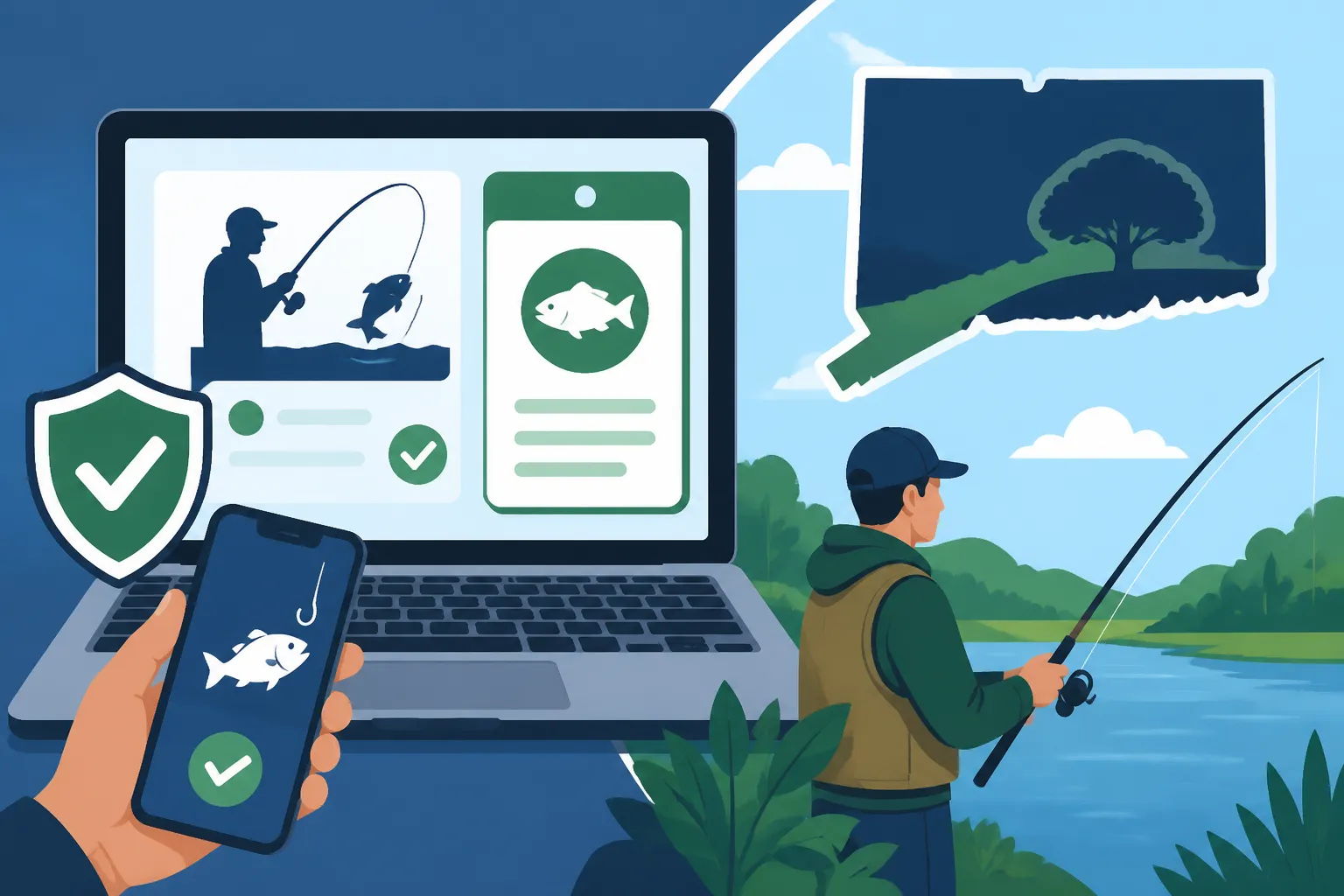
After a successful payment, you should receive an immediate confirmation on your screen, often with a transaction ID. More importantly, an official confirmation email will be sent to the address associated with your account. This email usually contains a link to print your temporary license or a digital copy you can save to your phone. It's vital to ensure you receive this email and check your spam folder if it doesn't appear in your inbox right away. That temporary license is your proof of purchase until you can print a physical copy or if you prefer to carry it digitally.
Printing Your License or Carrying it Digitally
Now that you've completed the purchase, you need to make sure you have proof of your license while fishing. The online system offers flexibility here. You can usually print your license directly from the confirmation screen or via the link in your confirmation email. It’s a good idea to print a physical copy, especially if you fish in areas with unreliable cell service or if your phone battery tends to die quickly. A physical copy tucked into your wallet or tackle box is a reliable backup.
Alternatively, Connecticut's DEEP does permit anglers to carry a digital copy of their fishing license on their smartphone or other mobile device. This is incredibly convenient for many, as most of us have our phones with us at all times. Just make sure it's easily accessible and readable if a conservation officer asks to see it. Whether you prefer the classic paper version or the modern digital proof, having your license readily available is a must. For more details on this, check out Printing or Carrying a Digital Fishing License in Connecticut.
Common Pitfalls and How to Avoid Them
Even with a streamlined online system, there are still a few common snags that anglers sometimes encounter. Knowing about these ahead of time can save you a headache and ensure your fishing trip isn't cut short by a technicality.
Residency Status Mix-Ups
One of the most frequent issues people run into is incorrectly declaring their residency status. The difference in cost between a resident and a non-resident license in Connecticut can be significant, so it’s tempting to try and save a few bucks. However, the state has clear guidelines on what constitutes a "resident" for licensing purposes. Generally, you must have resided continuously in Connecticut for the immediately preceding one calendar year. This means more than just owning property or having a mailing address; it usually involves proving continuous physical presence.
Declaring yourself a resident when you don't meet the criteria can lead to serious consequences, including fines and potential revocation of your fishing privileges. It's simply not worth the risk. If you're unsure about your status, it's always best to err on the side of caution or contact the DEEP directly for clarification. Understanding the nuances of Connecticut Fishing License Residency Requirements is key to avoiding this common pitfall.
Forgetting Essential Stamps or Add-ons
You’ve got your fishing license, you’re hyped, and you head out to the Farmington River, only to realize you forgot the Trout & Salmon Stamp. This scenario plays out more often than you'd think. Many anglers, especially those new to fishing in Connecticut or those trying a new type of fishery, sometimes overlook the need for specific stamps or permits in addition to their base license.
The Trout & Salmon Stamp is the most common one to forget. Without it, you cannot legally keep trout or salmon, even if you have a valid inland fishing license. Similarly, some special regulation areas, like certain Trout Management Areas, might have unique rules that require extra attention, so always double-check the Connecticut Fishing Regulations Explained before you go. The penalty for fishing without the proper stamp can be just as severe as fishing without a base license, as outlined in Fishing Without a License in Connecticut: Penalties. Always review your fishing plans and ensure all necessary stamps are included in your purchase before you hit the water. It’s easy enough to add them in the online portal during your initial purchase or even as a separate transaction later if you realize you missed something.
Technical Glitches and Troubleshooting
While online systems are generally reliable, nobody is immune to the occasional technical hiccup. Internet connection drops, browser compatibility issues, or even server maintenance can sometimes interfere with your online license purchase. If you encounter an error message, a frozen screen, or if your payment seems to go through but you don't receive a confirmation, don't panic.
First, try refreshing your browser or switching to a different browser (e.g., if you're using Chrome, try Firefox or Edge). Sometimes, clearing your browser's cache and cookies can also resolve minor issues. If the problem persists, try again from a different device or at a later time. If you're concerned about a double charge or if you can't complete the purchase and need a license urgently, your best bet is to contact the Connecticut DEEP's licensing division directly. They have customer service representatives who can assist with online portal issues and manually process licenses if necessary. Keep a screenshot of any error messages you receive, as this can be helpful for their support team.
Beyond the Purchase: What Else to Know
Getting your license online is a fantastic first step, but being a responsible and prepared angler means knowing a few more details that extend beyond the initial click of the "buy" button.
Understanding Your License Expiration
One critical piece of information that often catches anglers off guard is the expiration date of their license. In Connecticut, most annual fishing licenses operate on a calendar year basis. This means if you buy your license in March, it doesn't expire in March of the following year. Instead, it typically expires on December 31st of the year it was purchased. So, if you bought an annual license on July 1, 2025, it would expire on December 31, 2025, not July 1, 2026. This is important to remember for renewal purposes.
The 3-day non-resident licenses, however, are specific to the dates you select during the purchase process. If you choose July 15th, 16th, and 17th, your license is only valid for those three consecutive days. The online system will clearly show these dates. Always mark your calendar or set a reminder for your renewal, especially if you fish year-round. Don't let a great fishing day turn sour because you forgot to renew! You can find more specific details on Connecticut Fishing License Expiration Date.
What if You Lose Your License?
It happens to the best of us. That perfectly printed license falls out of your tackle box, blows away in a gust of wind, or somehow disappears from your wallet. The good news is that because you purchased it online and created an account, replacing a lost Connecticut fishing license is incredibly easy.
Simply log back into your DEEP online licensing system account. There should be an option to view your current or past licenses. From there, you can usually reprint a copy of your active license as many times as you need, free of charge. This means you don't have to go through the whole purchase process again or pay a replacement fee. This feature alone makes the online system a lifesaver. Keep a PDF version saved to your cloud storage or email for extra peace of mind, so you can always access it from anywhere. For additional help, you can refer to Replacing a lost Connecticut fishing license.
Gearing Up After Your Purchase
Once your license is secured, the real fun begins: preparing for your actual fishing trip! Having the right gear can make all the difference between a frustrating day and a successful one. If you're just starting out or looking to upgrade, there are countless options available, and many anglers find the convenience of online retailers like Amazon invaluable for their fishing needs.
For instance, you'll want to make sure you have a sturdy rod and reel combo appropriate for the type of fishing you're doing. A medium-action spinning rod around 6.5 to 7 feet is a great all-around choice for freshwater. For saltwater, you might need something heavier. Then there's terminal tackle: hooks, sinkers, swivels, and a variety of lures. Having a basic selection of artificial baits, like soft plastics, crankbaits, or inline spinners, will cover most situations. Don't forget live bait options too, like worms or shiners, which can be purchased at local bait shops. You can easily find reviews and compare different brands of rods, reels, lines, and lures online. For specific bait suggestions, check out Best Baits for Smallmouth Bass on the Housatonic, as many of these principles apply to other species as well. Investing in a good tackle box to keep everything organized will save you headaches on the water.
Disclaimer
The information provided in this guide is for general informational purposes only and is not intended as legal advice. Fishing regulations in Connecticut can change, and it is always the angler's responsibility to verify the most current rules and licensing requirements with the official Connecticut Department of Energy and Environmental Protection (DEEP) website or offices before fishing.