Connecticut Shetucket River fishing regulations
Navigating the ever-changing world of fishing regulations can feel like trying to untangle a particularly stubborn bird's nest of fishing line, especially when you're keen to explore a new spot like Connecticut's beautiful Shetucket River. It's frustrating to just want to enjoy a peaceful day on the water, only to be constantly worried about whether you're breaking some obscure rule. This comprehensive guide is here to unravel those complexities, providing you with clear, detailed information on all the essential fishing regulations for the Shetucket River, so you can cast your line with confidence.
Understanding the Shetucket River's Unique Character
The Shetucket River is a true gem in eastern Connecticut, a captivating waterway that flows from the confluence of the Willimantic and Natchaug Rivers near Windham, eventually joining the Quinebaug River to form the Thames River. It's more than just a place to fish; it's a vibrant ecosystem with a rich history and a diverse array of fish species that call its waters home. For anglers, its unique characteristics often mean a blend of statewide regulations with some specific local nuances, which can sometimes be a bit tricky to keep straight.
Geographic Scope and Access Points
The Shetucket River winds its way through several towns, including Windham, Sprague, Norwich, and Lisbon, offering a variety of fishing environments from slower, deeper pools to faster riffles. Public access points are generally well-distributed, ranging from designated state boat launches to quieter, unofficial spots where a keen angler can find a path to the water. For instance, the section of the river running through Sprague provides excellent access for both wading and small boat or kayak launching. Further downstream, closer to Norwich, the river widens and deepens, becoming more suitable for larger boats. Knowing these access points, often found through local word-of-mouth or online maps, is the first step to a successful outing. Before you even think about regulations, you need to know where you can legally and safely get your boots wet or launch your vessel. A quick search on the Connecticut DEEP website often yields maps of these access areas, and many experienced anglers share their preferred spots on forums or local bait shop bulletin boards.
What Makes the Shetucket a Special Fishing Destination
What draws so many anglers to the Shetucket River? It's a combination of factors. The river is known for its seasonal runs of anadromous fish like American shad in the spring, which creates a truly exciting and often fast-paced fishing experience. Beyond that, it's a regularly stocked trout stream, receiving healthy numbers of brown trout and rainbow trout from the Connecticut DEEP. These stocking efforts mean there's a good chance of hooking into some quality trout, especially during the cooler months. But it's not just about the stocked fish; the Shetucket also boasts a healthy population of warmwater species such as largemouth bass, smallmouth bass, northern pike, and a variety of panfish like sunfish and crappie. This diverse fishery means you can often target different species depending on the season, your preferred technique, or even just your mood for the day. Its varied habitat, from rocky stretches to deeper, slower sections with woody debris, provides perfect cover for these different fish, making it a challenging yet rewarding river to explore. Many anglers find themselves spending entire seasons on the Shetucket, honing their skills and learning its secrets.
General Statewide Regulations Applicable to the Shetucket
Before we dive into any specific rules for the Shetucket River itself, it’s crucial to understand that all statewide Connecticut fishing regulations apply unless explicitly overridden by a special regulation for that specific waterbody. This is where many anglers can get tripped up, thinking a particular river is totally unique when, in fact, most of the basic rules still hold true. Think of statewide regulations as the foundational layer upon which everything else is built.
Licensing Requirements
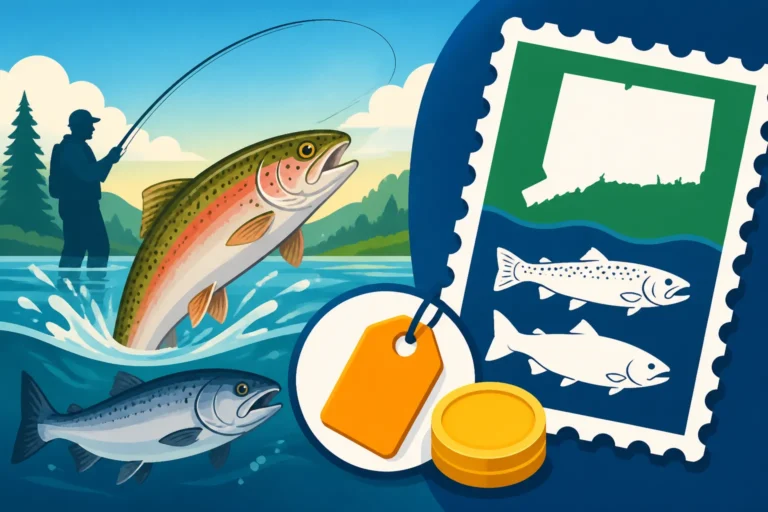
Let's get the absolute non-negotiable out of the way first: you need a fishing license. Period. Unless you fall into a very specific exemption category, like fishing on Free Fishing Days or being under a certain age (generally 16 years old), you'll need a valid Connecticut fishing license to fish the Shetucket River. This isn't just a suggestion; it's the law, and getting caught without one can lead to fines and a ruined day. The type of license you need typically depends on whether you're a resident or non-resident, and whether you plan to fish inland (freshwater), marine (saltwater), or both. For the Shetucket, you'll definitely need an inland or an all-waters license. You can easily purchase your license online through the Connecticut DEEP website, or visit a licensed vendor like a local tackle shop or even some sporting goods departments at retailers like Walmart. It's always a good idea to check the specific requirements, and you can learn more by reading our detailed guide on the Connecticut Fishing License Guide for 2026. Don't forget that if you're targeting trout, especially in certain areas or during specific seasons, you might also need a Connecticut Trout and Salmon Stamp, which is an additional permit required on top of your base fishing license. It’s a small extra cost, but it ensures you’re legally allowed to pursue those prized trout.
General Tackle and Bait Rules
Beyond the license, there are broad rules about what you can and cannot use to catch fish throughout Connecticut, and these apply directly to the Shetucket River. For instance, the use of live minnows as bait is generally permitted, but there are strict rules about possessing certain species of baitfish that could be invasive. Always make sure your bait is legal and, if wild-caught, from the same waterbody or a legal source to prevent the spread of diseases or invasive species. As for tackle, most conventional rod and reel setups are perfectly fine. However, snagging fish is illegal; fish must be caught fairly by mouth. The number of lines an angler can use at one time is also regulated, typically set at two lines per person for open water fishing. Ice fishing has its own specific rules regarding the number of tip-ups or lines. When fishing the Shetucket, assume these general statewide tackle and bait rules apply unless you encounter a sign or regulation book entry stating otherwise for a particular section of the river. It’s always smart to have a copy of the current Reading the Connecticut Fishing Guide on hand, either a physical copy you bought from an independent tackle shop or ordered from a site like Amazon, or a digital version on your phone, to quickly reference any ambiguities.
Specific Shetucket River Fishing Regulations
Now that we've covered the statewide basics, let's drill down into the specifics that make the Shetucket River unique from a regulatory standpoint. While it doesn't have as many hyper-specific, mile-by-mile regulations as some of the more intensely managed rivers like the Farmington or Housatonic, it still has rules you absolutely need to be aware of.
Trout Management and Stocking Schedules
The Shetucket River is a significant part of Connecticut's extensive trout stocking program. This means that certain sections of the river are designated as "Trout Stocked Waters" and are managed specifically for trout fishing. This designation comes with particular rules regarding seasons, creel limits (the number of fish you can keep), and sometimes even tackle restrictions. For example, during the initial weeks of the spring trout season, the daily creel limit for trout in Trout Stocked Waters is often more restrictive than later in the year.
The Connecticut DEEP regularly stocks the Shetucket with thousands of trout, primarily Rainbow and Brown Trout. These stockings usually occur in spring and sometimes again in the fall. The best way to keep up with the exact dates and locations of these stockings is to check the Connecticut Interactive Trout Stocking Map, Explained on the DEEP website. Knowing when and where the fish are being put in can dramatically improve your chances, but remember, everyone else knows too, so expect company on those days! The specific daily creel limit for trout on the Shetucket River, like many other state-stocked waters, is generally 5 fish per day, with a minimum length of 9 inches, from Opening Day through the end of August. From September 1st through the third Friday in October, this limit often changes to 5 fish with no minimum length, and then from the third Saturday in October through the last day of February, it can drop to 2 fish per day. Always double-check the current Connecticut Trout Limit and Possession Rules because these can change year to year based on fish populations and management goals.
Species-Specific Rules
While trout get a lot of attention on the Shetucket, it's also home to many other popular species, and each has its own set of rules regarding season, minimum length, and daily creel limits.
- Bass (Largemouth and Smallmouth): The Shetucket River holds healthy populations of both largemouth and smallmouth bass. Generally, statewide regulations apply here, meaning a 12-inch minimum length limit and a daily creel limit of 6 bass (of either species, combined). However, catch-and-release is always encouraged, especially for larger breeding fish, to help sustain the population.
- Northern Pike: The Shetucket River is known to produce some impressive northern pike, especially in its deeper, slower sections. Pike have a specific minimum length limit, typically 26 inches, and a daily creel limit of 2 fish. These are powerful predators, and reeling one in is always an exciting battle.
- American Shad: The spring shad run on the Shetucket River is a highlight for many anglers. These powerful, schooling fish provide excellent light tackle action. The daily creel limit for American shad is quite generous, often around 6 fish per day, with no minimum length. However, it's important to differentiate them from Hickory Shad, which may have different limits.
- Panfish (Crappie, Sunfish, Perch): For anglers looking for a more relaxed day or introducing kids to fishing, the Shetucket's panfish populations are abundant. Species like bluegill, pumpkinseed sunfish, yellow perch, and black crappie usually have a combined daily creel limit of 25 fish, with no minimum length. These are often easy to catch and make for fantastic table fare.
It's vital to refer to the most current Connecticut Fishing Regulations Explained booklet to confirm these limits, as they are subject to annual adjustments by the DEEP.
Special Regulation Areas or Zones within the Shetucket
While the Shetucket River doesn't have the same density of "Trophy Trout" or "Catch and Release Only" sections as some other rivers, anglers should still be vigilant for any posted signs or specific call-outs in the official fishing guide. Often, bridges, dams, or state park boundaries can sometimes trigger slightly different rules. For instance, areas immediately downstream from dams, particularly those with fish ladders or passage structures, might have restrictions on fishing activity or specific gear. These zones are usually clearly marked on site, but it’s always best to consult your copy of the Connecticut fishing guide beforehand. You might even want to pick up a waterproof map from a retailer like Amazon to mark down any specific regulatory zones you discover on your trips. Always assume standard statewide regulations apply unless there’s a clear indication of a special regulation area. When fishing any new stretch, keep an eye out for signs and always be prepared to adjust your approach based on what you learn.
Navigating the Regulations and Staying Compliant
Staying on the right side of fishing regulations isn't just about avoiding a fine; it's about being a responsible angler and contributing to the health and sustainability of Connecticut's fisheries. The rules are designed to protect fish populations and ensure that future generations can enjoy the same great fishing experiences we do today. It's a collective effort, and knowing your stuff is the first step.
Resources for Up-to-Date Information
The absolute best resource for current and detailed regulations is the official Connecticut Department of Energy and Environmental Protection (DEEP) website. They publish an annual Connecticut Angler's Guide, which is the authoritative source for all fishing regulations. You can download it as a PDF, or pick up a physical copy at most bait and tackle shops, town clerks, or DEEP offices. I personally like having a physical copy in my tackle box that I can flip through even if my phone loses signal, and you can usually find them for free or a nominal fee at local vendors, or even sometimes on Amazon for convenience if you want it delivered right to your door.
Beyond the official guide, local bait and tackle shops are invaluable. Owners and staff often have up-to-the-minute information on local conditions, stocking reports, and any recent changes or clarifications to regulations. They live and breathe fishing in their area, and their advice is gold. Forums and local fishing clubs can also be great for learning about specific quirks of a particular river, but always cross-reference anything you hear with the official DEEP guide. Don't rely solely on hearsay when it comes to legalities.
Responsible Angling Practices
Compliance with regulations goes hand-in-hand with responsible angling. This means not just following the letter of the law, but also embracing the spirit of conservation.
- Catch and Release: Even when you're allowed to keep fish, consider practicing catch and release, especially for larger breeding fish. Learning proper catch-and-release techniques – minimizing handling, using barbless hooks, and keeping fish in the water as much as possible – helps ensure high survival rates. This is especially important for species like trout, where survival after release can be critical to maintaining populations, particularly with wild trout.
- Leave No Trace: Always pack out everything you pack in. This includes discarded fishing line, bait containers, and any other trash. The Shetucket River's beauty is part of its appeal, and keeping it clean is everyone's responsibility. Leaving fishing line behind is particularly dangerous for wildlife.
- Respect Private Property: Many stretches of river might run alongside private property. Always be mindful of "No Trespassing" signs and respect landowners' rights. Access to a river doesn't always grant access to the surrounding land.
- Know Your Fish: Be confident in identifying the fish you catch. Misidentifying a species could lead to unintentionally violating length or creel limits. The official Trout Species Identification Guide for Connecticut can be a great resource for anglers on the Shetucket.
- Boating Safety: If you're using a boat or kayak on the Shetucket, make sure you're familiar with all Connecticut Boating Laws for Anglers, including requirements for life jackets and safe operation. Safety should always be your top priority on the water.
By adhering to these principles and regulations, you're not just avoiding penalties; you're actively participating in the long-term health and enjoyment of Connecticut's wonderful fishing resources. The Shetucket River offers incredible opportunities, and with a little preparation, you can ensure your time on its waters is both productive and compliant.
Shetucket River Key Fishing Regulations Summary
To help you keep track of the most common rules for fishing on the Shetucket River, here's a quick summary. Remember, this is a general overview, and you should always consult the current Connecticut Angler's Guide for the most up-to-date and complete information.
| Species | Season (General) | Minimum Length (Inches) | Daily Creel Limit | Notes |
|---|---|---|---|---|
| Trout (Brown, Rainbow) | Open Day – Aug 31 | 9 | 5 | Trout Stocked Waters. Check specific opening dates. |
| Sep 1 – 3rd Fri Oct | None | 5 | Trout Stocked Waters. | |
| 3rd Sat Oct – Feb 28 | None | 2 | Trout Stocked Waters. | |
| Largemouth Bass | Year-round | 12 | 6 (combined) | Combined with smallmouth bass. |
| Smallmouth Bass | Year-round | 12 | 6 (combined) | Combined with largemouth bass. |
| Northern Pike | Year-round | 26 | 2 | |
| American Shad | Year-round | None | 6 | Highly seasonal run in spring. |
| Panfish (Crappie, Sunfish, Perch) | Year-round | None | 25 (combined) | Includes Bluegill, Pumpkinseed, Yellow Perch, Black Crappie. |
Note: These regulations are for general guidance and are subject to change. Always refer to the official CT DEEP Angler's Guide for precise and current information.
Disclaimer
The information provided in this guide is for general informational purposes only and is based on publicly available data. Fishing regulations, seasons, and limits are subject to change by the Connecticut Department of Energy and Environmental Protection (DEEP). While we strive for accuracy, it is the angler's responsibility to consult the most current official Connecticut Angler's Guide and any posted signage at fishing locations before engaging in fishing activities. Failure to do so may result in penalties.