Connecticut fishing license for blind or disabled anglers
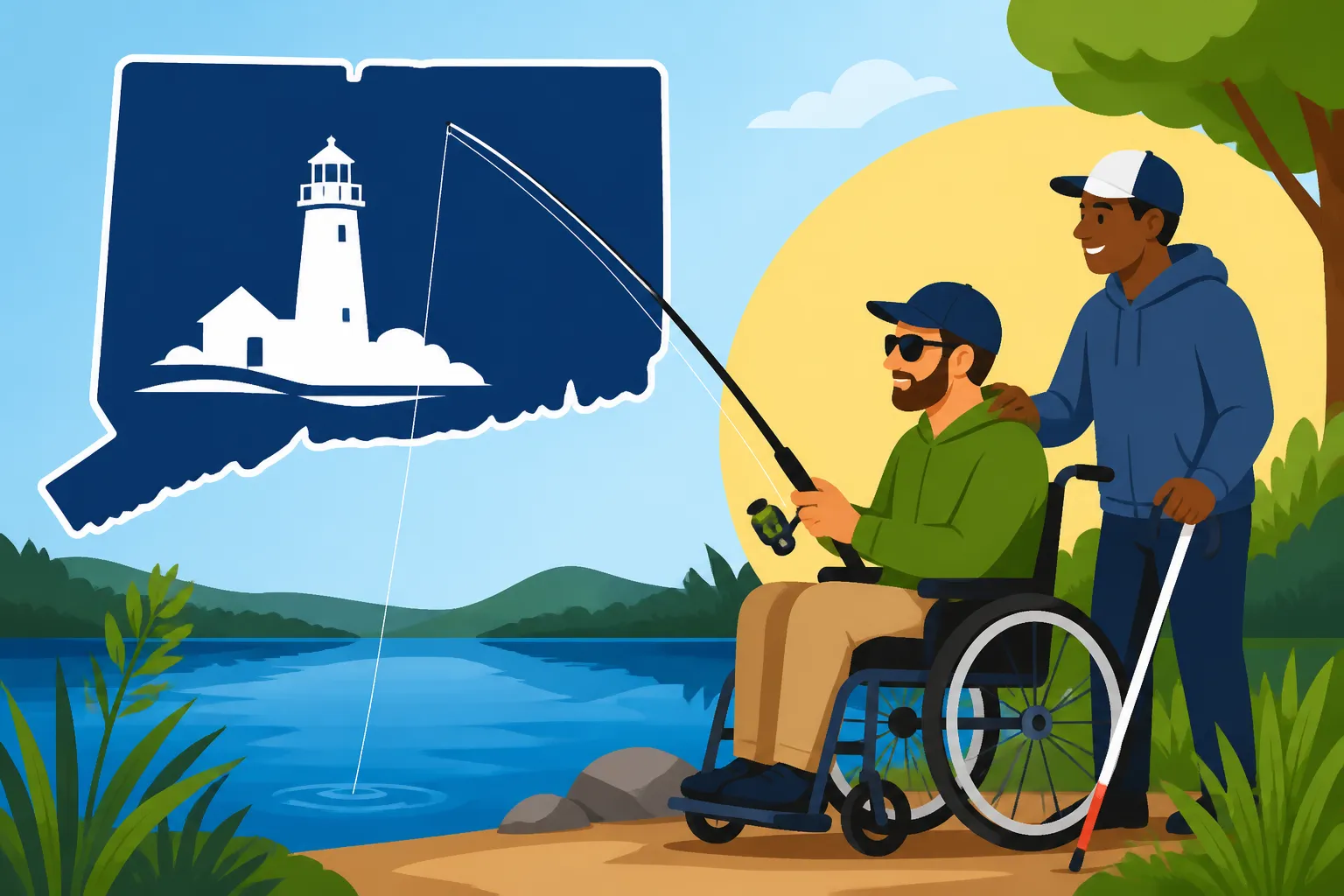
Navigating the ins and outs of fishing regulations can be a real headache for anyone, but when you’re a blind or disabled angler in Connecticut, the process can feel especially daunting. It’s tough enough to manage your gear and find accessible spots without having to decipher complex state laws. This comprehensive guide is here to cut through the confusion, detailing the specific provisions and steps for obtaining a Connecticut fishing license if you are blind or have a disability, ensuring you can enjoy the peace of the water with confidence.
Understanding Eligibility for Disabled and Blind Anglers
Connecticut understands that not all anglers have the same circumstances, and they've put specific provisions in place to make fishing more accessible for those with disabilities or legal blindness. It's not just about getting a piece of paper; it's about making sure everyone has the opportunity to enjoy the state's incredible fisheries.
Who Qualifies as a Disabled Resident?
When we talk about a "disabled resident" in the context of a Connecticut fishing license, we're not just talking about any physical limitation. The state has specific criteria that need to be met to qualify for special license options. Generally, a disabled resident is someone whose disability is significant enough to substantially limit one or more major life activities, and this condition is permanent or has lasted, or is expected to last, for at least 12 months.
The Connecticut Department of Energy and Environmental Protection (DEEP) typically requires official documentation to verify your status. This isn't meant to be intrusive, but rather to ensure the programs are going to those who truly qualify. For instance, if you receive Social Security Disability Income (SSDI) or Supplemental Security Income (SSI), or if you have a service-connected disability from the U.S. Department of Veterans Affairs (VA), you likely meet the criteria. The key here is an official, recognized determination of disability. Don't assume your condition qualifies without checking the specific language from DEEP or consulting with their licensing division. Misconceptions abound, so always double-check the current guidelines to avoid any surprises. You can find more general information on eligibility by checking the guide on Free and Discounted Fishing License Options in Connecticut.
Specific Provisions for Blind Anglers
For those who are legally blind, Connecticut offers a distinct pathway to obtaining a fishing license, often with significant benefits. The state recognizes legal blindness as a clear and verifiable condition that warrants specific consideration. If you are legally blind, you are generally eligible for a free fishing license. This is a huge benefit, removing a common barrier to participation.
The crucial part here is the definition of "legally blind." This typically means a person's central visual acuity does not exceed 20/200 in the better eye with correcting lenses, or the widest diameter of the visual field is no greater than 20 degrees. You'll need to provide documentation from a licensed optometrist or ophthalmologist to confirm your legal blindness when applying. This provision ensures that visual impairment doesn't prevent you from enjoying the state's waters, allowing you to focus on the thrill of the catch rather than the cost of the license.
Proof of Disability or Blindness Requirements
The state needs verifiable proof to ensure that these special licenses are issued correctly. Gathering your documentation ahead of time will save you a lot of hassle. For disabled residents, this proof often comes in the form of official letters or certificates. If you're a veteran, a letter from the VA outlining your service-connected disability percentage is usually sufficient. For non-veterans, official documentation from the Social Security Administration, like an award letter for SSDI or SSI, is typically accepted. This letter should clearly state the nature and permanency of your disability.
For blind anglers, a certificate of legal blindness from a medical professional, such as an ophthalmologist or optometrist, is the primary document required. This certificate should include the doctor's name, license number, and a clear statement confirming your legal blindness as per state definitions. It's always a good idea to bring originals or certified copies of these documents, as DEEP staff might need to verify them. Remember, these requirements are in place to uphold the integrity of the program and ensure fairness for all eligible anglers.
The Application Process for Special Licenses
Once you understand your eligibility, the next step is actually getting that license in your hand. The process is designed to be as straightforward as possible, but knowing the exact steps and what to expect can make it even smoother.
Step-by-Step Guide for Obtaining Your License
Applying for your special fishing license in Connecticut can generally be done through a few different avenues, similar to standard licenses, but with the added requirement of verifying your disability or blindness.
- Gather Your Documentation: As discussed, this is the most critical first step. Ensure you have all necessary proofs of disability or legal blindness ready.
- Choose Your Application Method:
- Online: The Connecticut DEEP's online Sportsmen's Licensing System is often the most convenient. However, for initial applications involving disability or blindness verification, you might need to submit your documentation separately, either by mail or in person, as the online system may not have a direct upload feature for sensitive medical records. You might be able to create an account online, but the final activation of the special license could require human review of your documents. If you're wondering How to Buy a Fishing License Online in Connecticut, the process is usually smooth for standard licenses, but special cases might need extra steps.
- In-Person: This is often the most recommended method for first-time special license applicants. You can visit a DEEP Licensing and Revenue office or an authorized vendor. Bringing your documents in person allows the staff to review them immediately, answer any questions, and often issue your license on the spot. Authorized vendors often include town halls or local sporting goods stores.
- By Mail: You can also mail your application along with certified copies of your documentation to the DEEP Licensing and Revenue section. Be sure to use certified mail to ensure your important documents arrive safely and you have proof of mailing. Include a cover letter explaining your application type.
- Complete the Application Form: Whether online or in person, fill out the standard Connecticut fishing license application form. Be sure to clearly indicate that you are applying for a disabled or blind resident license.
- Verification and Issuance: Once your documentation is reviewed and approved, your special license will be issued. Keep it in a safe place, and remember that Printing or Carrying a Digital Fishing License in Connecticut are both acceptable methods for having it on you while fishing.
Required Documentation Checklist
To make this process as easy as possible, here's a checklist of documents you might need. Always check the official DEEP website for the most current requirements, as they can sometimes be updated.
| Document Type | Required for Disabled Anglers | Required for Blind Anglers | Description |
|---|---|---|---|
| Proof of Residency | Yes | Yes | Connecticut driver's license, state ID, or other proof (e.g., utility bill with CT address). Essential for Connecticut fishing license residency requirements. |
| SSDI/SSI Award Letter | Yes | No | Official letter from the Social Security Administration confirming current disability benefits. |
| VA Disability Letter | Yes (if applicable) | No | Letter from the U.S. Department of Veterans Affairs stating service-connected disability. |
| Medical Certificate | No | Yes | Official letter from a licensed ophthalmologist or optometrist confirming legal blindness. |
| Application Form | Yes | Yes | Completed DEEP fishing license application form. |
| Previous License | Recommended (if applicable) | Recommended (if applicable) | If you've had a CT fishing license before, having the old number can sometimes speed things up. |
Where to Apply for Your License
Finding the right place to apply is key to a smooth experience.
- Online Sportsmen's Licensing System: This is the DEEP's primary online portal. While you might initiate the process here, be prepared to follow up with documentation via mail or in-person for verification.
- DEEP Licensing and Revenue Offices: These are state-run offices where you can apply in person. They have dedicated staff who are familiar with all license types, including special provisions for disabled and blind anglers. The main DEEP office in Hartford or regional offices are good starting points.
- Authorized License Vendors: Many town clerks, sporting goods stores, and bait shops are authorized to issue fishing licenses. While they can issue standard licenses quickly, for special licenses, they might need to confirm they are equipped to handle the disability or blindness verification process on-site, or they may direct you to a DEEP office. It's always best to call ahead to a local vendor to confirm they can process your specific application.
Navigating the Cost and Duration of Licenses
One of the most appealing aspects of the special fishing licenses for blind and disabled anglers in Connecticut is the significant reduction, or even complete waiver, of fees. This makes fishing much more accessible and affordable.
Free and Discounted Options Explained
For many blind and disabled residents, a Connecticut fishing license can be obtained at no cost. This is a fantastic initiative by the state to support inclusive outdoor recreation.
- Legally Blind Residents: As mentioned, if you are legally blind and a Connecticut resident, your annual Inland Fishing, Marine Fishing, or All-Waters license is typically free. This waiver applies specifically to the base license fee, making it a truly valuable benefit.
- Disabled Residents: For disabled residents, the situation is similar. If you meet the specific criteria for disability as defined by the state (often aligned with SSDI/SSI or VA disability ratings), you are generally eligible for a free license. This usually covers the base freshwater or saltwater fishing license, or even an all-waters combination. It's worth noting that if you are a Connecticut fishing license for disabled veterans, there are specific provisions that also grant free licenses as a token of gratitude for their service.
These free licenses are a huge relief for many anglers, especially when compared to the standard How Much Does a Connecticut Fishing License Cost for other residents or non-residents. The intent is to remove financial barriers, allowing individuals to focus on the enjoyment of fishing.
License Validity and Renewal
Most Connecticut fishing licenses, including those for blind and disabled anglers, are valid for a calendar year, typically expiring on December 31st, regardless of when you purchased them during the year. This means if you buy your license in October, it will still expire on December 31st of that same year. Be aware of this so you don't get caught without a valid license, especially around the new year. For specific details on expiration, you can consult articles like Connecticut annual fishing license expiration date.
Renewing your special license is generally simpler than the initial application, especially if your disability or blindness status is permanent and already on file with DEEP. You might be able to renew online without needing to resubmit your documentation every year, assuming your status hasn't changed. However, it's a good practice to confirm with DEEP or check their online system for any specific renewal instructions for special licenses. Don't wait until the last minute, as you'll want to ensure continuous coverage for your fishing outings.
Additional Stamps and Permits
While the base fishing license may be free for eligible blind or disabled anglers, it's crucial to understand that certain additional stamps or permits might still be required depending on your fishing activities.
- Trout and Salmon Stamp: If you plan to fish for trout or salmon in designated trout management areas or participate in the spring trout stocking program, you will likely still need to purchase a Connecticut Trout and Salmon Stamp, Explained. This stamp helps fund the state's extensive trout stocking and management efforts. While the base license is free, the stamp might not be, so always check current regulations.
- Federal Duck Stamp: If you are a waterfowl hunter in addition to an angler, and hold a combination license, you would still need to purchase a Federal Duck Stamp, as this is a federal requirement separate from state fishing licenses.
- Other Permits: For specific activities like commercial fishing, crabbing, or shellfishing, separate permits may be necessary. These are usually distinct from recreational fishing licenses and have their own fee structures, regardless of disability status. Always check the specific regulations for the activity you plan to pursue.
Other Important Regulations for Anglers with Disabilities
Obtaining your special license is a fantastic first step, but being a responsible and successful angler also means understanding the broader regulatory landscape, especially concerning accessibility and general fishing rules.
Accessible Fishing Locations in Connecticut
Connecticut DEEP has made commendable efforts to enhance accessibility at many of its fishing locations across the state. This means more piers, docks, and shorelines are designed with ramps, smooth surfaces, and other features to accommodate anglers with mobility challenges.
- Designated Accessible Sites: Many state parks and boat launches now boast accessible facilities. For example, some piers on the Connecticut River, or certain lake access points like those at Black Pond or Silver Lake, have accessible features. It's always a good idea to check the DEEP website or specific park information before heading out, as conditions can change. Looking for spots in guides like Connecticut State Park Fishing Guide might also highlight accessible options.
- Adaptive Features: These sites often include paved paths, accessible restrooms, designated parking, and fishing platforms designed for wheelchair access. Some even have railings that allow for easy casting or fish landing from a seated position.
- Community Resources: Local fishing clubs and disability advocacy groups often have up-to-date information on the most accessible spots, sometimes even organizing adaptive fishing events.
Accompanied Fishing and Assistance Rules
For many blind or disabled anglers, having an aide, family member, or friend assist them is not just helpful, it's essential. Connecticut's regulations generally allow for this assistance, but it's important to understand the nuances, especially regarding licensing.
- Aide Licensing: If your aide or companion is actively participating in fishing (e.g., casting, reeling in fish, baiting hooks for their own catch), they generally need their own valid Connecticut fishing license. However, if they are solely assisting you, performing tasks like baiting your hook, netting your fish, or helping you navigate the terrain, and are not attempting to catch fish themselves, they typically do not need a license. The key distinction is whether they are engaging in fishing activities for themselves.
- Guidance and Support: The state encourages support for disabled anglers. If a companion is merely guiding a blind angler to a spot, setting up equipment, or providing general assistance that doesn't involve them actively fishing, a separate license for the companion isn't usually required. Always clarify with DEEP if you have specific questions about your situation to ensure compliance.
General Regulations to Remember
Even with a special license, all other general Connecticut fishing regulations still apply. This includes, but isn't limited to:
- Catch Limits and Seasons: You must adhere to all daily creel limits (how many fish you can keep) and possession limits (how many fish you can have in your possession), as well as open and closed seasons for specific species. For instance, Connecticut Striped Bass Slot Limit and Season and Connecticut Blackfish Tautog Season Dates are important examples of species-specific rules. These rules are crucial for maintaining healthy fish populations.
- Minimum and Maximum Lengths: Many species have size restrictions. You need to know the legal length limits for fish like striped bass, fluke, or black sea bass, and immediately release any fish that don't meet those criteria.
- Gear Restrictions: There might be restrictions on the type of bait or tackle you can use in certain waters, especially in Trout Management Areas or Catch-and-Release Only sections.
- Boating Laws: If you plan to fish from a boat, you must also comply with all Connecticut boating laws, including safety equipment requirements, life jacket rules, and any necessary boating education certificates. You can find more about this in our Connecticut Boating Laws for Anglers guide.
Staying informed about these general rules is just as important as having your license. You can find detailed information in the annual Connecticut Angler's Guide, often available online and at license vendors.
Disclaimer
The information provided in this guide is for general informational purposes only and does not constitute legal advice. Fishing regulations in Connecticut can change, and it is the angler's responsibility to consult the most current official Connecticut DEEP fishing guide and regulations or contact the DEEP directly for the most accurate and up-to-date information regarding licensing and fishing laws.