Connecticut State Park Fishing Guide
It's easy to get overwhelmed trying to find the perfect fishing spot in Connecticut, especially with so many beautiful lakes, rivers, and coastal areas to choose from. Many anglers overlook a fantastic, often more accessible option: our incredible network of state parks. This comprehensive guide will cut through the noise, showing you how Connecticut's diverse state parks offer some of the best, most accessible, and often overlooked fishing opportunities for every type of angler, from novice to seasoned pro.
Why Connecticut State Parks Are a Fishing Goldmine
Connecticut's state parks are more than just hiking trails and picnic areas; they are vibrant ecosystems teeming with fish, offering a unique blend of natural beauty, accessibility, and diverse angling experiences. The Department of Energy and Environmental Protection (DEEP) actively manages these areas, ensuring they remain productive and enjoyable for the public. This dedicated management means anglers often find well-maintained facilities, clear access points, and healthy fish populations.
More Than Just Pretty Scenery: Diverse Waters
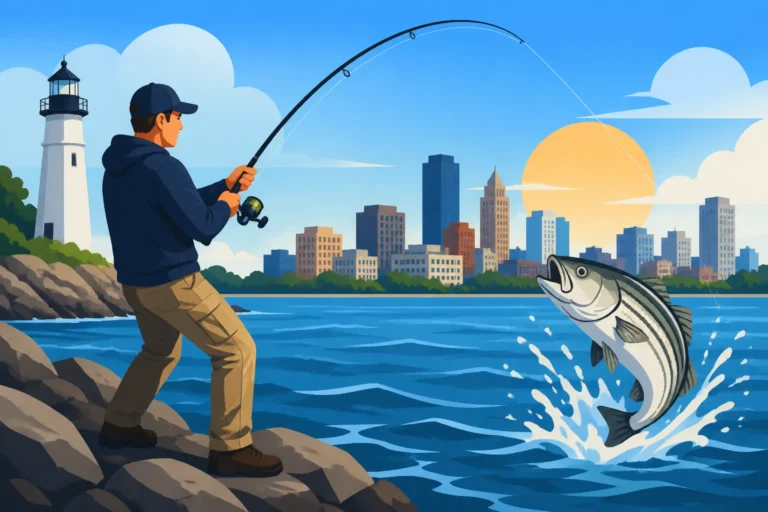
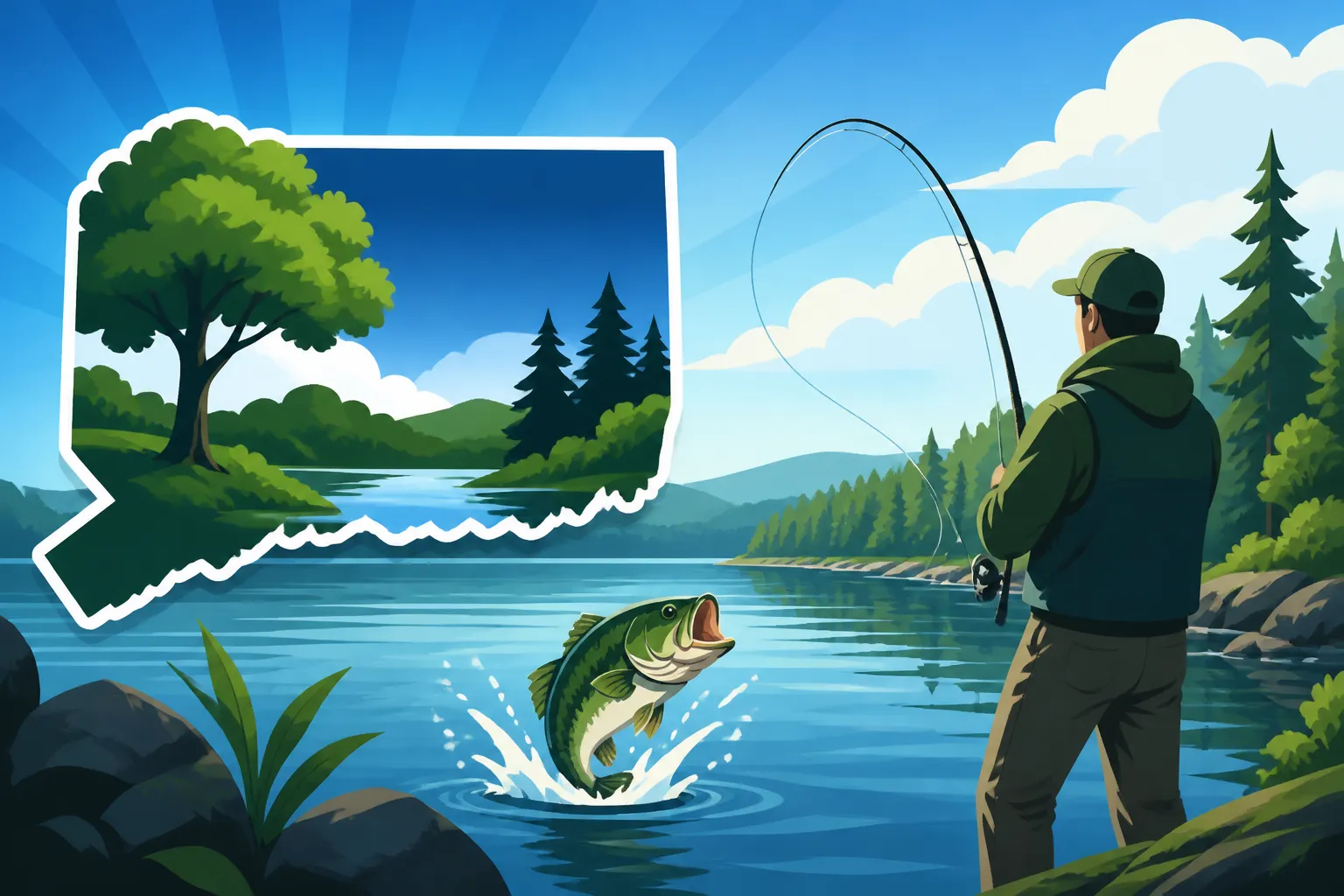
What truly sets Connecticut state parks apart for fishing is the sheer diversity of their waters. You might imagine a state park to just have one small pond, but in reality, they encompass everything from tranquil inland ponds and larger lakes to rushing rivers and even prime saltwater access along the Long Island Sound. This variety means you can target a wide array of species without traveling far. For instance, you could be chasing trophy largemouth bass in a quiet lake one morning and casting for striped bass from a rocky point on the coast the next, all within the state park system. These diverse habitats cater to different fishing styles, too. Whether you prefer fly fishing, spin casting, or even ice fishing in the colder months, there's a state park water body waiting for you.
Stocking Programs and Healthy Ecosystems
One of the biggest draws of fishing in Connecticut state parks, especially for freshwater enthusiasts, is the robust stocking program managed by the DEEP. Many state park lakes and rivers are regularly stocked with thousands of trout, including brook, brown, and rainbow trout, often multiple times a year. This consistent stocking ensures that even if you're not an expert at finding wild fish, you'll still have a great chance of success. Beyond trout, many park ponds and lakes boast naturally reproducing populations of panfish, bass, and pickerel, indicating healthy aquatic ecosystems. The DEEP's efforts in managing these habitats, sometimes including habitat improvement projects, directly contribute to the vitality of these fisheries. For detailed information on where and when these stocking events occur, it’s worth checking the state's official resources or exploring the Connecticut Interactive Trout Stocking Map, Explained before you head out.
Family-Friendly and Accessible Options
Let's be honest, finding a fishing spot that works for the whole family can be a challenge. State parks often make it incredibly easy. Many parks feature designated fishing piers, easily accessible shorelines, and paved paths that lead directly to prime fishing spots. This accessibility is a huge benefit for families with young children, elderly anglers, or those with mobility challenges. You don't have to bushwhack through dense woods or climb over slippery rocks to cast a line. Furthermore, the safe and supervised environments of state parks often come with additional amenities like restrooms, picnic areas, and playgrounds, making a fishing trip a complete family outing rather than just a solitary pursuit. Some parks even offer boat rentals or have launch ramps for kayaks and small boats, expanding your fishing options.
Navigating Regulations: What You Need to Know
Before you even think about packing your tackle box, understanding the specific regulations for fishing in Connecticut state parks is absolutely crucial. While the general state fishing laws apply, many parks also have unique rules designed to protect their specific ecosystems or manage visitor experiences. Ignoring these can lead to fines and a ruined day, so a little homework goes a long way.
Essential Licenses and Permits for State Park Waters
Just like fishing anywhere else in Connecticut, you'll need a valid Connecticut fishing license to fish in any state park. There are no special "state park fishing licenses"—your standard inland, marine, or all-waters license covers you. Whether you're a resident or a non-resident, under 16 or over 65, there are specific requirements you need to meet. For instance, if you're looking to fish for trout in a stocked state park stream, you’ll also need a Connecticut Trout and Salmon Stamp, Explained in addition to your regular license. If you're unsure about what kind of license you need or where to get one, a great place to start is our comprehensive guide on the Connecticut Fishing License Guide for 2026. Remember to keep your license readily available, either a physical copy or a digital one on your phone, as park rangers and environmental conservation police officers frequently check.
Understanding Park-Specific Rules and Advisories
While a general fishing license covers you, some state parks, or even specific sections within a park, may have additional rules. These can range from limitations on bait usage (e.g., fly fishing only sections), catch-and-release only policies, or even specific season dates that differ from statewide regulations. For example, certain designated "Trophy Trout Streams" or "Trout Management Areas" like sections of the Farmington River or Housatonic River, which flow through or border state park lands, often have very strict catch limits, tackle restrictions, and seasonal closures to protect larger, wilder fish. Always check the current Reading the Connecticut Fishing Guide or the specific park's webpage on the DEEP site before your visit. Pay close attention to signage at the park entrance or near fishing access points. For boaters, there might be specific rules regarding motor size, speed limits, or even whether certain types of watercraft are allowed on a particular lake within a state park.
Top State Parks for Freshwater Fishing
Connecticut is dotted with fantastic state parks that offer exceptional freshwater fishing, catering to anglers keen on trout, bass, or various panfish. From serene ponds perfect for a quiet afternoon to renowned rivers that challenge even experienced fly fishers, there's a park for every preference.
Trout Paradises: Farmington River and Housatonic Access
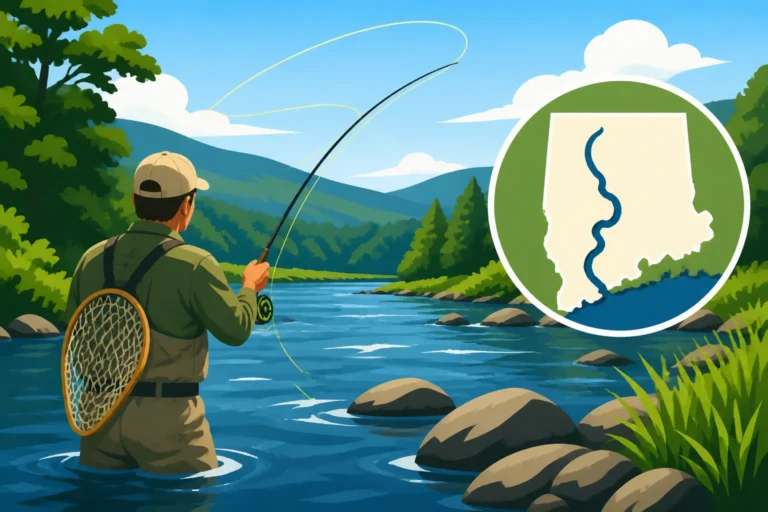
When it comes to trout fishing, some of Connecticut's most famous waters flow through or are easily accessible from state parks. The Farmington River, particularly its West Branch, is a prime example. While not entirely within a single state park, public access points and sections within or adjacent to state park lands, like those near the historic Farmington River West Branch Trout Fishing spots, offer world-class fly fishing for brown and rainbow trout. These areas often fall under special regulations, sometimes being catch-and-release only or fly-fishing-only, so always check the latest rules.
Similarly, the Housatonic River, especially its upper sections, provides excellent trout opportunities, with several state parks and state forest lands offering public access. Places like Kent Falls State Park or Housatonic Meadows State Park not only provide stunning scenery but also grant access to prime trout water. These rivers are challenging but rewarding, often holding large, wild-spawned fish alongside stocked ones. Anglers targeting these waters will want to consult resources like Fly Fishing for Trout in Connecticut for specific techniques and patterns. The cold, oxygen-rich waters of these rivers are perfect for trout, and the surrounding state park lands help preserve their natural beauty and ecological integrity.
Bass and Panfish Havens: Lakes and Ponds
If you're more into warm-water species, Connecticut's state parks have an abundance of lakes and ponds that are fantastic for bass and panfish. These waters are often more accessible and less pressured than some of the larger, better-known lakes outside the state park system.
For Largemouth Bass:
Many state park ponds, such as those found in Mansfield Hollow State Park or Hopeville Pond State Park, are excellent for largemouth bass. These ponds typically feature good cover in the form of lily pads, submerged timber, and weed beds, which bass love. Anglers can find success with traditional bass baits like plastic worms, spinnerbaits, and topwater lures, especially during the early morning or late evening. For tips on how to target these specific fish, checking out How to Catch Largemouth Bass in Connecticut can offer valuable insights.
For Smallmouth Bass:
While largemouth tend to dominate the still waters, some state parks with deeper, rockier lakes or river access points can offer great smallmouth bass fishing. Smallmouth thrive in clear, rocky environments. For example, Candlewood Lake, while primarily a large recreational lake, has state park access points like Squantz Pond State Park that offer opportunities to target smallmouth bass, especially around the deeper structure. For riverine smallmouth, access points along the Housatonic River within state park or state forest lands can be prime spots. Learning How to Catch Smallmouth Bass in Connecticut Rivers will definitely up your game.
For Panfish:
Almost every state park pond or lake will hold abundant panfish like bluegill, sunfish, and yellow perch. These are perfect for introducing kids to fishing or for a relaxing afternoon with light tackle. Hopeville Pond, Gardner Lake, and virtually any smaller pond in the state park system are brimming with panfish. A simple worm under a bobber is often all it takes. These species offer consistent action and are often a gateway to a lifelong love of fishing.
| State Park (Example) | Primary Species | Key Features | Boat Access | Shore Fishing | Notes |
|---|---|---|---|---|---|
| Housatonic Meadows State Park | Brown Trout, Rainbow Trout | Trophy Trout Stream | No (Wading/Kayak) | Excellent | Fly fishing favored, special regulations. |
| Mansfield Hollow State Park | Largemouth Bass, Perch, Crappie | Large Reservoir, Deep Structure | Boat Ramp | Good | Kayak/canoe friendly, electric motors only. |
| Hopeville Pond State Park | Largemouth Bass, Panfish | Shallow Pond, Lily Pads | Small Boat Ramp | Excellent | Family-friendly, easily accessible. |
| Squantz Pond State Park | Smallmouth Bass, Trout, Perch | Deep Lake, Rocky Bottom | State Ramp | Limited | Access to Candlewood Lake. |
| Chatfield Hollow State Park | Trout, Panfish | Small Pond, Scenic | No (Carry-in Kayak) | Good | Regularly stocked, serene setting. |
Lesser-Known Gems for Solitude
Sometimes you just want to get away from the crowds and find a peaceful spot to cast a line. Connecticut's state park system has several lesser-known ponds and smaller rivers that offer just that. These spots might not be heavily stocked or produce trophy-sized fish every time, but they offer solitude and the chance to connect with nature. Examples include some of the smaller ponds in Pachaug State Forest (which encompasses several state parks within its boundaries) or tranquil stretches of lesser-known streams that flow through parks like Chatfield Hollow State Park. These spots are fantastic for scouting out wild brook trout in spring or targeting aggressive chain pickerel. A little exploration with a good map and a willingness to hike a bit can uncover some truly magical and unpressured fishing experiences. Using a resource like FishingBooker to find local guides who know these secluded spots might give you an edge, though they might not advertise directly within the state park boundaries.
Exploring State Parks for Saltwater Angling
For those who crave the salty air and the fight of a powerful marine species, Connecticut's state parks also offer fantastic opportunities for saltwater fishing along the beautiful Long Island Sound. From surfcasting on expansive beaches to jigging off piers, the coastal state parks provide diverse access to the Sound's rich fisheries.
Shoreline Access to Long Island Sound's Bounty
Connecticut's shoreline state parks are a haven for surfcasters and shore anglers. Parks like Hammonasset Beach State Park in Madison, Rocky Neck State Park in East Lyme, and Bluff Point State Park in Groton offer miles of sandy beaches, rocky points, and tidal estuaries where you can target a variety of saltwater species.
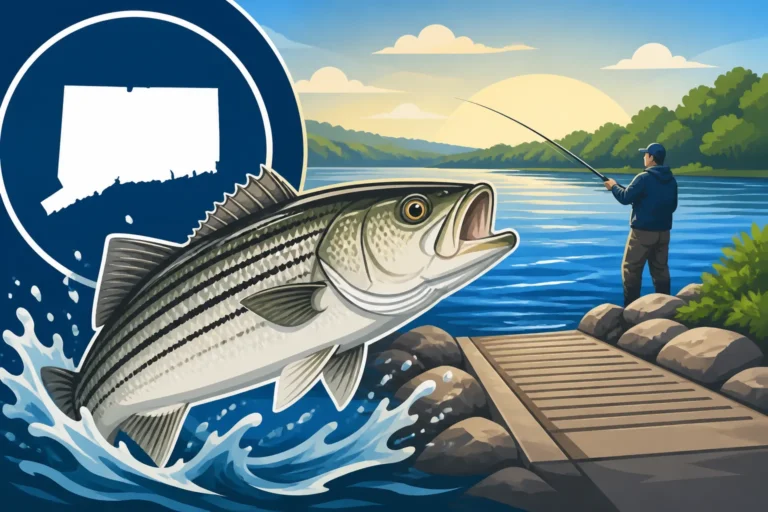
Striped Bass and Bluefish: These are arguably the most sought-after species for shore anglers. During their migratory seasons (spring and fall), striped bass and bluefish move close to shore, making them accessible from the beach. Early mornings and late evenings, or even night fishing, are often the most productive times. Anglers typically use heavy spinning gear with lures like poppers, pencils, swimbaits, or bait like chunks of bunker or clam. Understanding How to Catch Striped Bass in Long Island Sound from the shore is a skill many master in these parks.
Fluke (Summer Flounder): While often associated with boat fishing, fluke can be caught from the surf, especially in areas with deeper channels or sandbars close to shore. Light tackle with a bucktail jig tipped with a strip of squid or Gulp! is a popular method. Check the Connecticut Fluke and Summer Flounder Regulations before you go, as limits and seasons can vary.
Scup (Porgy) and Black Sea Bass: These bottom-dwelling fish can also be caught from shore, particularly where there are rocky bottoms or small jetties within state park boundaries. Small pieces of squid, clam, or sandworms fished on a bottom rig are effective. Again, regulations for Connecticut Black Sea Bass Regulations for 2026 and scup are important to follow.
The expanses of beaches and rocky outcrops mean you can often find a quiet spot away from the main crowds, especially during weekdays or off-peak hours. Many of these parks also provide ample parking and facilities, making a day of surfcasting convenient and enjoyable.
Coastal Park Piers and Estuaries
Beyond open shorelines, many coastal state parks feature piers or offer access to tidal estuaries, which present different fishing opportunities.
Piers: Piers are fantastic for anglers who want easy access to deeper water without a boat. For example, Rocky Neck State Park sometimes offers good pier fishing for species like scup, bluefish, and even occasional stripers. Piers are also excellent for crabbing. Fishing from a pier is often a more social activity and very family-friendly. Make sure to check if fishing is permitted on all parts of the pier, as some sections might be reserved for other activities.
Estuaries: Estuaries, where freshwater meets saltwater, are incredibly productive ecosystems and many state parks encompass these areas. Hammonasset Beach State Park, for instance, has extensive salt marsh and tidal creek systems that are perfect for targeting smaller striped bass (schoolies), bluefish, and even winter flounder during cooler months. Light tackle and soft plastics or small topwater lures work well in these calmer, protected waters. These areas are also great for kayak fishing, allowing anglers to explore channels and flats that are inaccessible from shore. Remember to check local tide charts, as the fishing in estuaries is often heavily influenced by tidal movement. When exploring unfamiliar estuaries, consulting with a local guide found on platforms like FishingBooker could provide valuable insights into hot spots and successful techniques.
Essential Gear and Techniques for State Park Success
Having the right gear and understanding basic techniques can make all the difference when fishing in Connecticut's state parks. While you don't need a boatload of expensive equipment, a thoughtful approach to what you bring and how you fish will significantly improve your chances of success and enjoyment.
Freshwater Tackle Box Essentials
For freshwater fishing in state park ponds and rivers, versatility is key. You'll want a setup that can handle a variety of situations, from delicate trout presentations to battling a feisty largemouth.
Rods and Reels:
- Light to Medium Spinning Combo: A 6 to 7-foot spinning rod with a fast action and a matching 2500 or 3000 series reel is a workhorse. Spool it with 6-10 lb monofilament or braided line with a fluorocarbon leader. This setup is perfect for throwing small spinners for trout, jigs for panfish, or even lighter soft plastics for bass.
- Fly Rod (Optional, but Recommended for Trout Streams): If you're heading to the Farmington or Housatonic, a 4-6 weight fly rod with a matching reel and floating line is essential. This allows for delicate presentations that are crucial in these clear, often pressured trout waters.
Lures and Baits:
- Trout: Small inline spinners (Mepps, Panther Martin), spoons (Kastmaster), powerbait, nightcrawlers, and an assortment of nymphs, dry flies, and streamers if fly fishing. For specific trout streams, referring to Fly Patterns for Connecticut Trout Streams can be incredibly helpful.
- Bass: Soft plastic worms, jigs (especially jig and pig combos), spinnerbaits, crankbaits, and topwater frogs or poppers.
- Panfish: Small jigs (1/32 to 1/16 oz) tipped with a piece of worm, Gulp! crappie minnows, or small bits of corn. Live worms are always a reliable choice.
Accessories:
- Forceps or Pliers: Essential for hook removal, especially from smaller fish.
- Small Net: A rubber or knotless net helps protect fish you plan to release.
- Tackle Box/Bag: To keep everything organized.
- Leaders: Fluorocarbon leaders (4-8 lb test) for both spinning and fly fishing to reduce visibility.
- Bobbers/Indicators: For bait fishing or nymphing.
- Weights/Split Shot: To get your bait or lure down to the fish.
Saltwater Setup for Coastal Parks
Saltwater fishing from shore or a pier requires more robust gear to handle bigger fish and corrosive conditions.
Rods and Reels:
- Medium to Heavy Spinning Combo: An 8 to 11-foot surfcasting rod paired with a corrosion-resistant spinning reel (4000-6000 series) capable of holding 200+ yards of 20-40 lb braided line. This setup provides the casting distance needed from beaches and the power to fight larger striped bass or bluefish.
- Medium-Heavy Conventional Setup (for Bait Fishing): If you plan to bottom fish with heavy weights, a conventional rod and reel can offer more power and control.
Lures and Baits:
- Striped Bass/Bluefish: Large poppers, pencil poppers, swimbaits, minnow plugs (like those from the Bomber or Cotton Cordell series), and bucktail jigs. For bait, fresh bunker chunks, whole rigged eels, or clam are popular.
- Fluke/Sea Bass/Scup: Bucktail jigs (1/2 to 2 oz) tipped with squid strips, Gulp! swimming mullets, or Berkley PowerBait grubs. For bottom fishing, high-low rigs with pieces of clam, squid, or sandworms.
Accessories:
- Long-handled Pliers/Boga Grip: For safely handling toothy bluefish or large stripers.
- Surf Bag: To carry lures, leaders, and tools while walking the beach.
- Sand Spike: To hold your rod while waiting for a bite.
- Gloves: For handling braided line and fish.
- Headlamp/Flashlight: Essential for early morning or night fishing.
- Heavy Leaders: 30-80 lb fluorocarbon leaders for abrasion resistance against rocks and sharp teeth.
Adapting Techniques to Park Environments
Successful angling in state parks often comes down to adapting your techniques to the specific environment and species.
Reading the Water: Learn to identify key features like current breaks, drop-offs, weed lines, submerged structures (like old timber or rock piles), and changes in bottom composition. In rivers, look for deeper pools, riffles, and eddies where fish might hold. In saltwater, pay attention to rips, current lines, and areas where baitfish are congregating.
Time of Day/Tide: For most species, dawn and dusk are prime feeding times. In saltwater, fishing around the incoming and outgoing tides can be crucial, as moving water often stimulates feeding activity. Check local tide charts before you go.
Patience and Persistence: Don't be afraid to move around if a spot isn't producing. Experiment with different lures, baits, and presentation styles. Sometimes, a slight change in retrieve speed or bait color is all it takes. For challenging conditions, even consulting online forums or local tackle shops for recent reports can be beneficial. While not a direct guide service, sites like FishingBooker can sometimes offer insights into local fishing trends and even connect you with a charter that might fish near certain park areas, giving you an idea of what's working.
Planning Your State Park Fishing Adventure
A little planning can go a long way in ensuring a successful and enjoyable fishing trip to a Connecticut state park. From choosing the right time to visit to understanding park rules, these tips will help you make the most of your adventure.
Best Times to Visit and Avoid Crowds
Connecticut state parks can get busy, especially on weekends during peak season (late spring through early fall). If you're looking for solitude, consider visiting during:
- Weekdays: Naturally, weekdays will have fewer visitors than weekends.
- Early Mornings or Late Evenings: These are often the most productive fishing times anyway, and you'll beat the majority of recreational users.
- Off-Season: Fall and early spring offer excellent fishing (especially for trout and striped bass) with fewer crowds and often stunning scenery. Even winter ice fishing in suitable parks can offer a unique, quiet experience.
- Inclement Weather (Light Rain/Overcast): A little drizzle often keeps fair-weather visitors away, but fish don't mind! Just be prepared with proper rain gear.
Before heading out, it's always a good idea to check the specific park's website for any alerts, closures, or capacity limits, particularly during holidays or popular events. Some parks, especially coastal ones like Hammonasset, can fill to capacity quickly on hot summer weekends.
Using Online Resources and Park Maps
The Connecticut DEEP website is your best friend when planning a state park fishing trip. It offers a wealth of information:
- Park Information: Detailed descriptions of each state park, including amenities (restrooms, boat launches, picnic areas), directions, and operational hours.
- Fishing Guides and Regulations: The annual Connecticut Fishing Regulations Explained and supplements are indispensable.
- Trout Stocking Schedule: Regularly updated lists of stocked waters, often with specific dates. This is a goldmine for trout anglers. You can also explore the Connecticut Interactive Trout Stocking Map, Explained to visualize stocked waters.
- Marine Fishing Information: Details on saltwater species, regulations, and access points.
- Park Maps: Downloadable maps often highlight trails, parking areas, and sometimes even specific water access points.
Beyond the official DEEP site, online fishing forums specific to Connecticut can provide invaluable real-time information, recent reports, and local tips from fellow anglers. Just remember to take forum advice with a grain of salt and always verify information against official sources.
Respecting Nature and Fellow Anglers
Fishing in state parks means sharing the space with hikers, birdwatchers, picnickers, and other recreational users. Practicing good etiquette and respecting the environment is paramount:
- Leave No Trace: Pack out everything you pack in. This includes fishing line (which can be deadly to wildlife), bait containers, and any other trash. Leave the park cleaner than you found it.
- Stay on Marked Trails: Protect sensitive habitats by staying on designated paths and accessing fishing spots responsibly.
- Be Mindful of Others: Don't cast too close to other anglers or interfere with other park users. Share the water and the shore. If you're on a multi-use trail, yield to hikers.
- Fish Responsibly: Follow all catch limits and size restrictions. If practicing catch and release, do so quickly and carefully to minimize stress on the fish. Learn about Striped bass catch and release survival tips if you're targeting that species.
- Pet Etiquette: If you bring your dog, ensure it's leashed and pick up after it. Not all areas of state parks allow pets, so check first.
By being a responsible and respectful visitor, you help preserve these beautiful state parks for everyone to enjoy, including future generations of anglers.
Conservation and Responsible Angling in State Parks
Fishing in Connecticut's state parks isn't just about catching fish; it's also about being a steward of our natural resources. These pristine areas rely on responsible angling practices to maintain their health and biodiversity for years to come. Every angler plays a role in conservation, ensuring that the beautiful waters and abundant fish populations we enjoy today will be there for our children and grandchildren.
Protecting Our Natural Resources
State parks are often vital habitats for not only fish but also a wide array of wildlife, including birds, amphibians, and mammals. Our actions as anglers directly impact these ecosystems.
- Preventing Invasive Species: One of the most critical aspects of conservation is preventing the spread of invasive aquatic species. Always clean, drain, and dry your boats, kayaks, and fishing gear (waders, nets, boots) before moving between different water bodies, especially when going from one state park lake to another. This simple step can stop the spread of harmful plants and organisms that can outcompete native species and destroy habitats.
- Habitat Preservation: Avoid disturbing stream banks, delicate shoreline vegetation, or nesting areas. While seeking out the best fishing spots, be mindful of where you step and cast. Do not leave fishing line or other trash behind, as it can entangle wildlife. If you see trash, even if it's not yours, consider picking it up. Every little bit helps.
- Water Quality: Do not discard leftover bait or chum directly into the water, as it can introduce foreign substances or attract undesirable species. Be aware of any fish consumption advisories that might be in place for specific park waters due to pollutants. You can usually find this information on the DEEP website.
By actively participating in these practices, you're doing your part to keep Connecticut's state park fisheries thriving and its natural beauty intact.
Catch and Release Best Practices
Many anglers choose to practice catch and release, especially for larger fish or in waters with special regulations. Even if you plan to keep a legal limit of fish, knowing how to properly release a fish improves its chances of survival.
- Minimize Handling Time: The less time a fish spends out of water, the better its chances. Have your camera ready if you want a photo, but make it quick.
- Wet Your Hands: Always wet your hands before handling a fish. Dry hands can remove the fish's protective slime coat, making it vulnerable to disease.
- Support the Fish: When holding a fish, especially larger ones, support its body horizontally. Never hold a fish vertically by the jaw or gill plates, as this can damage internal organs and the spine.
- Use Barbless Hooks: Crushing the barb on your hooks (or using barbless hooks) makes removal much easier and less damaging to the fish.
- Use Appropriate Tools: Use forceps or long-nosed pliers to quickly remove hooks. If a fish is deeply hooked, it's often better to cut the line as close to the hook as possible rather than trying to extract it, which can cause more harm.
- Revive the Fish: Gently hold the fish in the water, facing into the current (if in a river or stream), or slowly move it back and forth in still water to push oxygen over its gills. Release it only when it swims away under its own power.
By following these guidelines, you maximize the survival rate of released fish, contributing to healthy and robust fish populations in our cherished state park waters. This ensures that the thrill of the catch can be experienced by many anglers, today and in the future.
Disclaimer
The information provided in this guide is for general informational purposes only and is subject to change. Anglers are responsible for consulting the most current Connecticut Department of Energy and Environmental Protection (DEEP) fishing regulations, park-specific rules, and any advisories before fishing in any state park or other public waters. Fishing licenses and stamps are required by law.