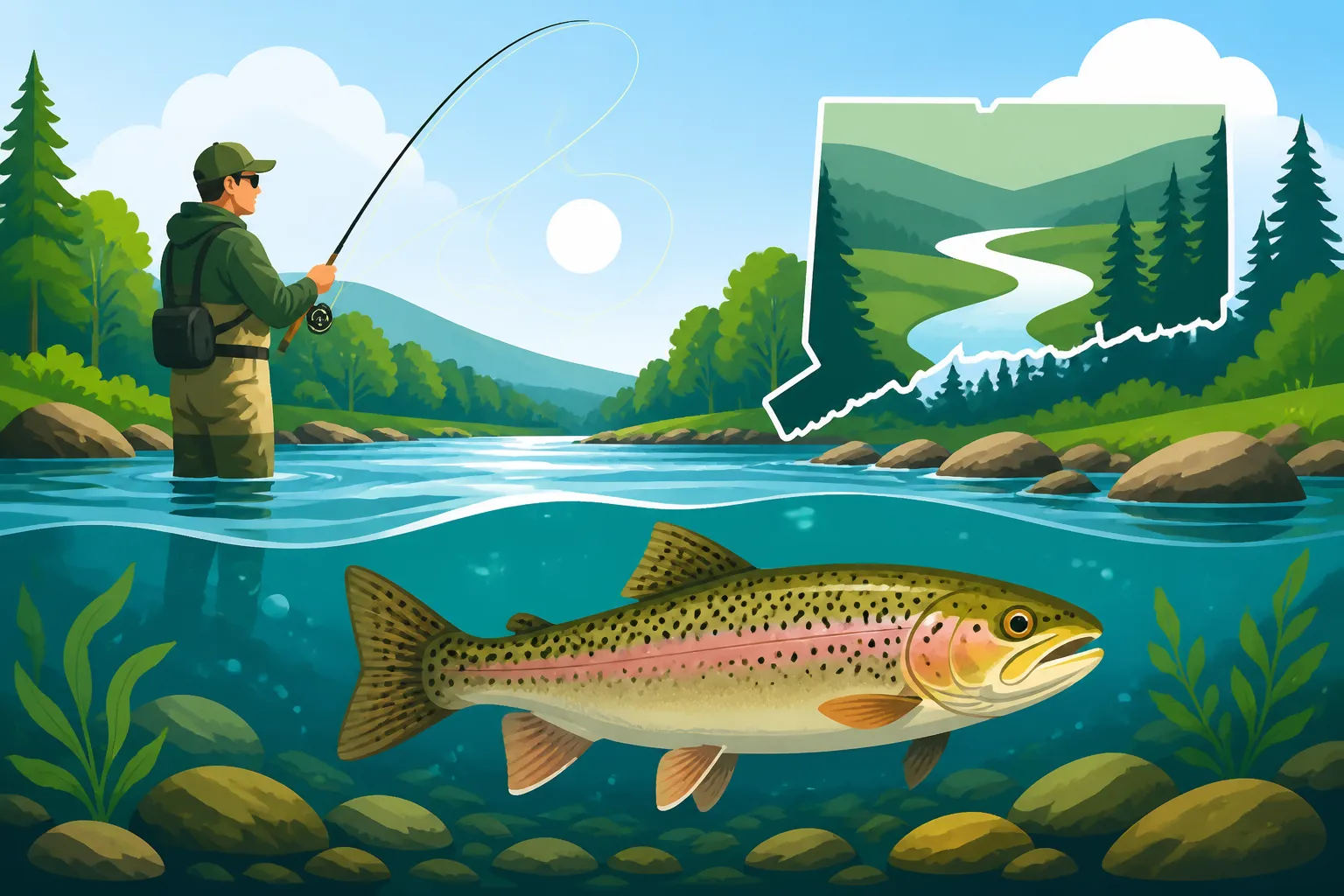
Housatonic River Trout Management Area Fishing
The Housatonic River Trout Management Area (TMA) can feel like a labyrinth of regulations, special conditions, and intimidating stretches of water for even seasoned anglers. It’s easy to get overwhelmed trying to figure out where to go, what to use, and how to stay within the rules while still having a productive day on the water. This comprehensive guide is here to untangle the complexities, offering clear, actionable advice to help you confidently navigate and successfully fish the legendary Housatonic TMA.
Understanding the Housatonic River Trout Management Area
The Housatonic River, often simply called the "Housy" by local anglers, is a jewel in Connecticut's fishing crown. Its Trout Management Area (TMA) designation highlights its importance as a premier cold-water fishery, making it a bucket-list destination for many, especially fly anglers. But what exactly does that designation mean for someone heading out with a rod and reel? It means a special set of rules designed to protect and enhance the trout population, which in turn provides an exceptional fishing experience.
This isn't just a random section of river; it's a carefully managed ecosystem stretching from the Cornwall Covered Bridge downstream to the Route 7 bridge in Falls Village. Within these approximately eight miles, you'll find a dynamic mix of pocket water, deep runs, riffles, and wide, sweeping pools. It’s a testament to dedicated conservation efforts and the natural beauty of the Litchfield Hills region.
What Makes the Housatonic TMA Unique
Unlike many other trout streams in Connecticut that are heavily stocked and fished primarily during the spring opening, the Housatonic TMA thrives on a blend of wild, self-sustaining brown trout populations and strategic stocking of rainbow trout, and occasionally brook trout. This combination creates a diverse fishery where you can target robust wild browns alongside feisty stocked rainbows. The river's consistent flow, even through drier periods, fed by a strong spring system and dam releases upstream, helps maintain the colder water temperatures crucial for trout survival year-round.
The sheer size of the Housatonic compared to many smaller Connecticut trout streams is another unique aspect. It demands different tactics, often requiring longer casts, more robust wading, and a keener eye for reading larger water. Its fertile waters support abundant insect life, leading to prolific hatches that draw anglers from across the Northeast. From tiny midges in winter to impressive Hendrickson, March Brown, and Sulphur hatches in spring and summer, the insect activity dictates much of the fly fishing strategy. The opportunity to catch a truly wild, large brown trout that has spent years in the river is a huge draw, setting it apart from your typical "put-and-take" fisheries. Many anglers dream of landing a trophy brown trout from this river, making it a compelling challenge.
Navigating the Specific Regulations
The regulations in the Housatonic TMA are probably the most crucial aspect to understand before you even wet a line, and they can be a bit more complex than the general statewide rules. Ignoring them isn't just bad etiquette; it can lead to fines and harm the fishery. The general rule for the TMA is artificial lures or flies only, meaning no live bait. This is a critical distinction that preserves the wild population and encourages catch-and-release practices.
Harvest regulations within the TMA are also specific: you are generally allowed to keep one brown trout per day, provided it measures between 9 and 12 inches in length. However, rainbow trout and brook trout caught in the TMA are strictly catch and release only, year-round. This is a major factor in protecting the longevity of these species in the river. Always consult the official Connecticut Fishing Regulations Explained before heading out, as rules can sometimes change. Beyond the main TMA, the Housatonic also has other special regulation sections, such as the Trophy Trout Stream section further downstream, which has its own specific set of rules. Understanding the boundaries of the TMA and any adjacent special regulation areas is vital for a responsible fishing trip.
Here's a quick summary of the core regulations for the main Housatonic TMA (Cornwall Covered Bridge to Route 7 bridge in Falls Village):
| Regulation Aspect | Housatonic River TMA Rule | Statewide Standard (Typical Trout Parks) |
|---|---|---|
| Bait Allowed | Artificial Lures or Flies Only | Live bait, artificials, flies allowed |
| Brown Trout Limit | 1 fish, 9-12 inches | Varies, often 2-5 fish, specific size |
| Rainbow Trout Limit | Catch and Release Only | Varies, often 2-5 fish, specific size |
| Brook Trout Limit | Catch and Release Only | Varies, often 2-5 fish, specific size |
| Season | Open Year-Round | Often seasonal closures, specific dates for Connecticut Trout Season and Stocking Rules |
This table provides a snapshot, but remember, knowing the precise boundaries and checking the latest official guide is always your best bet.
Prime Fishing Seasons and Times on the Housatonic TMA
Fishing the Housatonic TMA is truly a year-round affair, but each season brings its own set of challenges, opportunities, and specific strategies. Understanding the seasonal rhythms of the river and its fish will dramatically increase your chances of success and enjoyment. It’s not just about the fish; it’s about the whole experience—the changing foliage, the crisp air, or the quiet solitude of a winter's day.
Spring: The Grand Opening
Ah, spring! This is arguably the most popular time to fish the Housatonic TMA, and for good reason. As snow melts and water temperatures begin to climb, trout become increasingly active, feeding aggressively after the lean winter months. Stocking efforts in early spring, often coinciding with Connecticut Spring Fishing Day and Opening Day Rules, add a fresh batch of eager rainbow trout to the mix, providing plenty of action. The river typically runs higher and faster in spring, sometimes carrying a bit of color from runoff, but this also spreads the fish out and provides them with cover.
Hatches can be spectacular in the spring. Large stoneflies, Hendricksons (Ephemerella subvaria), and Quill Gordons (Epeorus pleuralis) are among the first significant mayfly hatches, followed by March Browns (Stenonema vicarium) and a variety of caddisflies. Matching these hatches with appropriate fly patterns is key for fly anglers. For spin fishers, this means focusing on lures that imitate baitfish or larger nymphs dislodged by the increased current. Early mornings and late afternoons are often most productive, especially during prime hatch windows. It's a time of renewed life on the river, and the fish, both wild and stocked, respond with gusto.
Summer: Challenging but Rewarding
Summer fishing on the Housatonic TMA can be a tale of two rivers. Early summer, particularly June, can still offer fantastic fishing, especially during evening caddis and Sulphur (Ephemerella invaria/dorothea) hatches. However, as July and August roll around, rising air temperatures can lead to warmer water, particularly in the lower, slower sections. While the Housatonic is generally more resilient than smaller streams due to its size and spring-fed nature, anglers must exercise caution to protect the trout. When water temperatures consistently exceed 68°F (around 20°C), it's generally best to avoid fishing for trout, as the stress of being caught can be lethal, even with careful handling. Some sections of the Housatonic, particularly downstream of the TMA, may even have Connecticut Housatonic River Seasonal Closure Explained to protect fish during these critical periods.
If you do fish in summer, focus on early mornings, late evenings, or even night fishing when temperatures are cooler. Target deeper pools, shaded areas, and oxygenated riffles where trout can find refuge. Terrestrial patterns like ants, beetles, and grasshoppers can be very effective, as can larger nymphs fished deep. For spin anglers, deeper presentations with small spoons or spinners are often best. Remember, if a fish feels sluggish or takes a long time to revive, it's best to release it without handling it further, allowing it to recover naturally.
Fall: Browns on the Move
Fall is a magical time on the Housatonic TMA, especially for those targeting the river's wild brown trout. As water temperatures cool and daylight hours shorten, brown trout become incredibly active in preparation for their spawning season, which typically occurs from late October through November. During this period, large brown trout, including potential trophy fish, become more aggressive and less wary, making them a prime target. The vibrant fall foliage against the clear, flowing water creates a stunning backdrop for your fishing adventure.
Streamer fishing truly shines in the fall, as brown trout are looking for larger meals like baitfish to build up energy. Aggressively stripping large streamer patterns through runs and pools can elicit violent strikes. Nymphing with larger stonefly and caddisfly imitations also remains effective. While specific major hatches might be less frequent than in spring, opportunistic feeding on midges, tiny blue-winged olives, and caddis can still occur. Focus on structure, current seams, and deeper pockets where browns stage before spawning. Early mornings are consistently good, but active feeding can happen throughout the day. This is also a fantastic time to consider a guided trip, as local experts can help you pinpoint prime spots and effective patterns. Many guides listed on platforms like FishingBooker specialize in these prime fall conditions.
Winter: Hardy Anglers Only
Winter fishing on the Housatonic TMA isn't for the faint of heart, but it offers immense solitude and the chance at some surprisingly good fishing. When temperatures plummet and snow covers the banks, fewer anglers brave the cold, leaving much of the river to those who do. The key to winter success is understanding that trout become more sluggish and hold in deeper, slower water, expending minimal energy. They won't chase flies or lures far.
Winter fishing is predominantly a nymphing game for fly anglers, with tiny midge patterns, small blue-winged olives, and larger stoneflies being consistent producers. European nymphing techniques can be particularly effective for getting flies down quickly and detecting subtle takes. For spin anglers, slow, deep presentations with micro jigs, small spoons, or heavily weighted spinners are best. Focus on slow, deep pools and the soft seams of current, areas where trout can conserve energy while still finding food. Midday, when air and water temperatures are at their highest (even if still low), is often the most productive time. Dress in layers, wear good waders, and be mindful of icy banks. It's tough, but the reward of a beautiful trout amidst a quiet, snow-dusted landscape is truly special.
Key Fishing Techniques and Tackle for the Housatonic TMA
Successfully fishing the Housatonic TMA requires a thoughtful approach to techniques and tackle. While it's primarily known as a fly-fishing destination, spin anglers can also find success with the right methods and gear. The river's character — its size, current, and the wary nature of its wild fish — dictates much of what works best.
Mastering Fly Fishing Approaches
Fly fishing is undoubtedly the most popular method on the Housatonic, and for good reason. The river's abundant insect life and varied structure are perfectly suited to a range of fly-fishing techniques.
-
Nymphing: This is often the most productive method, especially when trout aren't rising to surface insects. European nymphing (Euro Nymphing) or indicator nymphing allows you to present weighted flies close to the bottom where trout feed on nymphs and larvae. Use an indicator to detect subtle takes and a variety of patterns like Hare's Ears, Pheasant Tails, Prince Nymphs, and various stonefly imitations. In winter, tiny midge larva patterns are essential. Getting your flies down to the fish in the Housatonic's strong current is critical, so proper weighting and leader setup are key. If you're new to the river, consider a guided trip specializing in Best guided fly fishing trips on the Housatonic River.
-
Dry Fly Fishing: When hatches are prolific, dry fly fishing on the Housatonic can be spectacular. Matching the hatch is paramount here, so carrying a selection of popular patterns like Hendrickson, March Brown, Sulphur, Caddis, and Blue-Winged Olive imitations in various sizes is a must. A precise cast and a drag-free drift are crucial for fooling wary Housatonic trout. Often, you'll need to cast across multiple current seams, which makes mending your line a vital skill. Pay close attention to rising fish and try to identify the insects they are feeding on.
-
Streamer Fishing: Especially in fall and spring, or when targeting larger brown trout, streamer fishing can be incredibly effective. Streamers imitate baitfish, leeches, or sculpins, all of which are on the menu for aggressive browns. Patterns like Woolly Buggers, Clouser Minnows, and various articulated streamers can be deadly. Cast streamers across and downstream, then strip them back with an erratic retrieve, mimicking a wounded baitfish. This technique often elicits powerful, aggressive strikes.
For tackle, a 9-foot, 5-weight or 6-weight fly rod is a versatile choice for most conditions on the Housatonic. Pair it with a reliable reel spooled with a floating line for dry flies and nymphs, or consider a sink-tip line for streamers. A variety of leader and tippet sizes, typically 3X to 6X, will be needed to adapt to different flies and conditions. Remember to check out resources on Fly Patterns for Connecticut Trout Streams for specific recommendations.
Effective Spin Fishing Strategies
While fly fishing gets most of the attention, spin anglers can absolutely catch fish in the Housatonic TMA. The key is to respect the "artificial lures or flies only" regulation and to understand how to present your lures effectively in moving water.
-
Small Spinners and Spoons: Classic inline spinners (e.g., Rooster Tails, Mepps) and small casting spoons (e.g., Little Cleos, Kastmasters) are incredibly effective. Their flash and vibration attract trout, and their weight helps them get down in the current. Focus on casting upstream or across-stream, allowing the lure to swing through holding water while maintaining a controlled retrieve. Vary your retrieve speed and depth until you find what the fish prefer.
-
Soft Plastics and Jigs: Small soft plastic baits, especially those resembling nymphs, worms, or small baitfish, rigged on light jig heads, can be deadly. Paddle-tail swimbaits or grub tails can be worked along the bottom. Marabou jigs or small bucktail jigs are also excellent choices. The key is to use light tackle and to present these baits with a subtle, natural drift, mimicking something dislodged in the current. Bouncing them off the bottom in slow, short hops can often trigger a strike from a wary trout.
For spin tackle, a light to medium-light spinning rod (6-7 feet) paired with a small reel spooled with 4-6 pound monofilament or fluorocarbon line is ideal. Monofilament offers a bit of stretch, while fluorocarbon is less visible and sinks faster. Carrying a selection of small lures in various colors and weights will allow you to adapt to different light conditions and water depths.
Essential Gear Considerations
Regardless of your chosen method, having the right ancillary gear makes a huge difference on the Housatonic.
- Waders and Boots: Wading is essential on the Housatonic, and the river can be swift and rocky. Breathable chest waders are a must, along with studded or felt-soled wading boots for maximum grip. Wading staffs are highly recommended, especially when Wading Techniques for Connecticut Trout Streams are employed in swift or unknown sections. Safety should always be your priority; never wade beyond your comfort or skill level.
- Layered Clothing: Connecticut weather can change quickly. Dress in layers, including waterproof outer shells, to stay comfortable in varying conditions.
- Polarized Sunglasses: These are invaluable for spotting fish and reading water structure, especially for discerning deeper runs and submerged rocks.
- Net: A rubber-meshed landing net is critical for safely landing and releasing trout, minimizing harm to their protective slime coat.
- Pliers/Forceps: Essential for quickly and safely removing hooks, especially when practicing catch and release. Barbless hooks are also highly encouraged to further aid in fish survival.
- Current Connecticut Fishing License: You absolutely need a valid Connecticut Fishing License Guide for 2026 for the current season. You can purchase these online or at various bait and tackle shops. Ensure you have it with you, either a physical copy or a digital one on your phone, as wardens do patrol the area.
- Water, Snacks, and Sunscreen: Stay hydrated and fueled, and protect yourself from the sun, even on cloudy days.
- Navigation Tools: A map of the TMA and access points can be helpful, especially if you're exploring new sections. Using an app with satellite imagery can also help identify prime fishing spots and access.
Remember that gear prepared for wading and safety is paramount on a river of this size and character.
Access Points and Navigating the River
One of the great things about the Housatonic TMA is its relatively good public access, offering various points for anglers to get onto the river. However, knowing where these access points are, what to expect from them, and how to safely navigate the river itself is crucial for a smooth and enjoyable trip. The river itself, with its powerful currents and rocky bottom, demands respect and careful planning.
Popular Access Points and Parking
The Housatonic TMA stretches from the Cornwall Covered Bridge down to the Route 7 bridge in Falls Village. Along this stretch, several well-known access points provide parking and relatively easy entry to the river.
- Cornwall Covered Bridge: This is the upstream limit of the TMA and a very popular starting point. There's usually decent parking near the bridge, though it can fill up quickly on busy spring weekends. From here, anglers can wade upstream or downstream into some excellent runs and pools. The water directly below the bridge is often a good spot as well.
- Housatonic Meadows State Park: This expansive park is a gem, offering numerous access points, camping, and picnic areas right along the river. You'll find several parking lots within the park, providing access to different sections of the TMA. This is an ideal spot for those who want to spend an entire day or even a weekend fishing. The section of river running through Housatonic Meadows offers a diverse range of water types, from faster riffles to slower, deeper bends. It's an excellent place to practice Wading Techniques for Connecticut Trout Streams in varied conditions.
- West Cornwall Bridge: Further downstream from the Covered Bridge, the main Rt. 7 bridge in West Cornwall offers another key access point. Parking can be found nearby, allowing access to both upstream and downstream sections. This area often holds good numbers of fish and is a favorite among local anglers.
- Falls Village Section (near Route 7 bridge): This marks the downstream end of the primary TMA. Parking can be a bit more limited here, but it provides access to the lower TMA waters which transition into other special regulation zones further downriver. Always be mindful of private property when accessing the river here.
When planning your trip, consider using online mapping tools or checking out the Housatonic River Fishing Guide for detailed maps of access points. Keep in mind that on peak days, especially during spring stocking events, these popular spots can get crowded. Early arrival is often a good strategy to secure parking and find a less-pressured section of the river.
Wading Safety and River Navigation
Wading the Housatonic is an integral part of the experience, but it's not to be taken lightly. This is a powerful, dynamic river, and safety must always be your top priority.
- Assess Conditions: Before entering the water, always assess the current flow and depth. After heavy rains or snowmelt, the river can rise significantly and become dangerously swift. Check the US Geological Survey (USGS) stream gauges for the Housatonic River (e.g., Near Falls Village, CT) to get real-time flow data. A higher cubic feet per second (cfs) reading indicates faster, higher water.
- Wading Staff: A sturdy wading staff is not optional; it’s essential. It provides a third point of contact, helps you feel out the bottom, and can prevent a fall. Even experienced anglers use them on the Housatonic.
- Studded or Felt-Soled Boots: The river bottom is a mix of gravel, cobblestones, and slippery rocks. Regular rubber soles simply won't provide enough grip. Studded or felt-soled wading boots are necessary to prevent slips and falls.
- Know Your Limits: Never wade into water that is too deep or too swift for your comfort and skill level. If in doubt, don't go. It's always better to find an easier crossing or a different section to fish than to risk a dangerous fall.
- Buddy System: Whenever possible, fish with a buddy. If something goes wrong, having someone else there can be a lifesaver.
- Identify Exit Points: Before wading a long stretch, look downstream and identify potential exit points from the river in case you need to quickly get out of the water.
- Layered Clothing and PFD: Even if the weather seems warm, carry extra layers. If you fall in, hypothermia can set in quickly. Consider wearing a lightweight personal flotation device (PFD), especially if you're wading in deeper, swifter currents or if you're not a strong swimmer.
Remember, the Housatonic River is a wild and powerful natural resource. Treating it with respect, understanding its dynamics, and prioritizing safety will ensure a rewarding and memorable fishing trip.
Targeting Trout Species in the TMA
The Housatonic River TMA is home to a diverse population of trout, offering anglers the chance to target wild brown trout, as well as stocked rainbow and brook trout. Each species has its own characteristics, preferred habitats, and feeding behaviors, making it a dynamic and engaging fishery. Understanding these nuances will help you tailor your approach and increase your chances of success.
Pursuing Wild Brown Trout
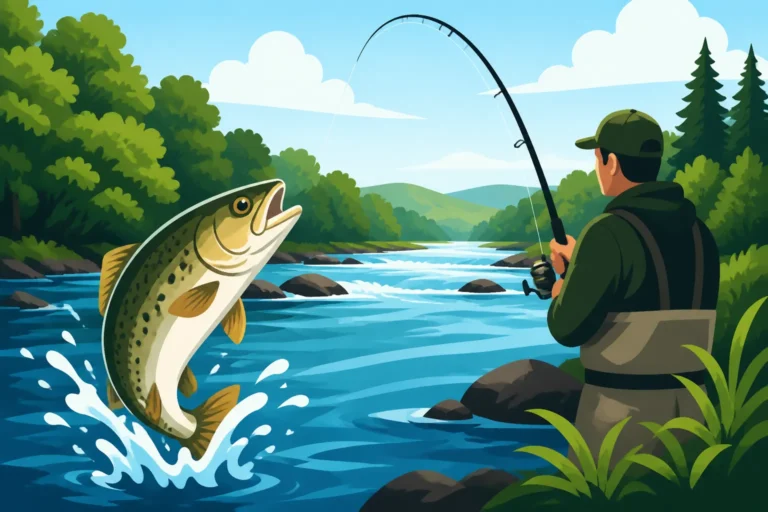
The wild brown trout are the undisputed kings of the Housatonic TMA, revered for their wary nature, powerful fights, and often stunning coloration. These fish are born and raised in the river, making them incredibly attuned to their environment. They are survivors, often growing to impressive sizes, with the potential for truly Best time of year for trophy brown trout in Connecticut. Unlike their stocked counterparts, wild browns are typically more selective, requiring precise presentations and accurate fly or lure choices.
Wild brown trout in the Housatonic tend to hold in areas with good cover and current breaks. Look for them around large submerged rocks, undercut banks, fallen trees, and the deeper sections of pools, especially where a current seam brings food to them. They are often opportunistic feeders, but during prolific hatches, they can become very focused on specific insect stages. In fall, as mentioned, they become particularly aggressive as they prepare to spawn, making streamer fishing a highly effective tactic. During other times, deep nymphing with imitations of the Housatonic's abundant stoneflies and caddis can be very productive. They are also known to rise to dry flies during a strong hatch, but they will scrutinize your presentation with extreme caution. Catching a wild Housatonic brown is a true accomplishment for any angler.
Hooking Stocked Rainbows and Brookies
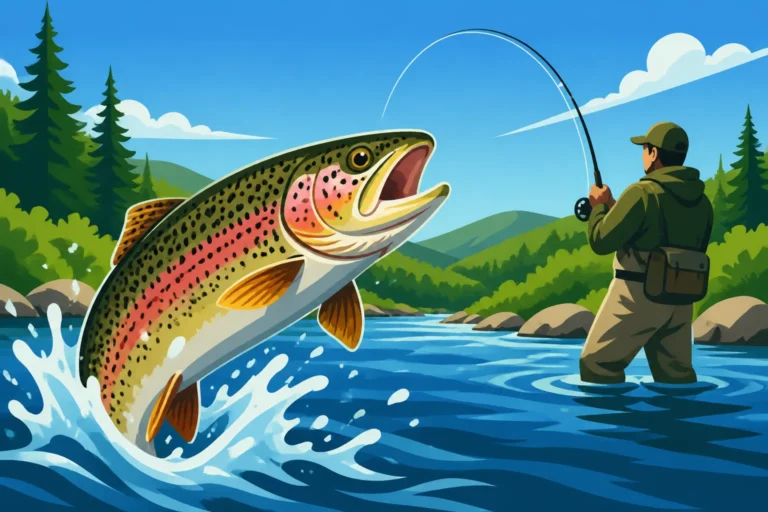
While wild browns are the stars, stocked rainbow trout and occasionally brook trout play a crucial role in providing consistent action in the Housatonic TMA. Rainbows, in particular, are regularly stocked by the Connecticut DEEP, especially in spring, and tend to be less wary and more aggressive feeders than their wild brown trout cousins. This makes them a great target for anglers looking for steady catches. Remember, in the TMA, all rainbow and brook trout are strictly catch and release.
Stocked rainbows will often spread out throughout the river, but they tend to congregate in easier-to-access areas immediately after stocking. They readily take a variety of nymph patterns, such as Squirmy Wormies, egg patterns, and brightly colored pheasant tails. For spin anglers, small, flashy inline spinners and spoons are often irresistible to freshly stocked rainbows. As they become acclimated to the river, they will start to behave more like wild fish, seeking out similar holding lies and becoming more selective. You can often track stocking events by checking the Connecticut interactive trout stocking map, explained on the DEEP website, which can give you an idea of when fresh fish might be available.
Brook trout are less common in the main stem of the Housatonic TMA but can be found in some of the colder tributary streams that feed into it. When present in the main river, they often inhabit faster, oxygenated riffles and pocket water, usually closer to these cold-water inlets. They are typically smaller than browns or rainbows but are beautiful, aggressive fish. Small dry flies, nymphs, and even micro-spinners can entice a brook trout. Always handle these fish with extreme care, as they are a more delicate species. Whether you’re targeting a wily wild brown or a spirited stocked rainbow, the Housatonic offers a diverse and engaging trout fishing experience for everyone.
Conservation and Etiquette on the Housatonic
Fishing the Housatonic River TMA is a privilege, and with that privilege comes a responsibility to protect this precious resource for future generations. Angler etiquette, conservation practices, and proper catch-and-release techniques are not just good ideas; they are essential for maintaining the health and vitality of the river and its fish populations. Everyone benefits when we all do our part.
Practicing Responsible Angling
Responsible angling goes beyond simply following the regulations; it encompasses a mindset of respect for the environment, the fish, and fellow anglers.
- Leave No Trace: This is perhaps the most fundamental principle. Whatever you pack in, pack out – and then some. This includes all trash, discarded fishing line, and any other litter. The Housatonic's beauty is part of its allure, and it's up to us to keep it pristine. Even something as small as a discarded fly can be harmful to wildlife.
- Respect Private Property: While there are ample public access points, much of the land bordering the Housatonic is privately owned. Always be aware of property lines and avoid trespassing. Park only in designated areas and be mindful not to block gates or driveways. A little respect goes a long way in maintaining good relationships with landowners.
- Angler Spacing: On a popular river like the Housatonic, especially during peak seasons, it's common to encounter other anglers. Give others ample space, typically 100 feet or more, to avoid crowding and ensure everyone has a quality experience. If you approach a spot where someone is already fishing, either choose another section or politely ask if you can fish nearby. Never crowd another angler or cast over their lines.
- Wading Consciously: While wading is necessary, be mindful of where you step. Avoid disturbing active spawning redds (nests of fish eggs) in the fall, which appear as clean, gravelly depressions. Excessive wading through certain areas can also dislodge beneficial insect life.
- Check for Invasive Species: Before and after your trip, clean your waders, boots, and gear to prevent the spread of invasive aquatic species, such as Didymo (rock snot), which can devastate ecosystems. A quick scrub and thorough drying can make a huge difference.
By adhering to these practices, we ensure that the Housatonic remains a healthy and enjoyable fishery for everyone who visits.
Catch and Release Best Practices
Given that many of the fish in the Housatonic TMA, especially the valuable wild browns, are intended for catch and release, mastering proper handling techniques is crucial for fish survival. The goal is to minimize stress and physical harm to the fish.
- Minimize Fight Time: While a long fight is exciting, it can exhaust a fish, making it harder for it to recover. Use appropriate tackle to bring fish in as quickly as possible without over-stressing your gear.
- Keep Fish in the Water: This is the golden rule. Wherever possible, unhook fish while they are still submerged. If you must remove a fish from the water for a quick photograph, do so for only a few seconds. The air itself is harmful to their gills, and prolonged exposure can be fatal.
- Wet Your Hands: Always wet your hands thoroughly before touching a fish. Dry hands can remove the fish’s protective slime coat, which makes them vulnerable to disease.
- Handle Gently and Support Horizontally: If you need to handle a fish, support its weight horizontally with both hands, one supporting the belly and the other gently gripping the tail. Never squeeze or hold a fish vertically by the jaw or tail, as this can cause internal organ damage or spinal injury.
- Use Barbless Hooks: Crushing the barbs on your hooks or using specific barbless hooks makes removal much easier, quicker, and less damaging to the fish's mouth.
- Quick Hook Removal: Use hemostats or needle-nose pliers to quickly and gently remove the hook. If a fish is deeply hooked, it's often best to cut the line as close to the hook as possible rather than trying to dig it out, which can cause more damage.
- Revive Carefully: After unhooking, hold the fish gently in the current, facing upstream, until it can swim away under its own power. Do not release it until it vigorously kicks its tail and tries to swim away. If a fish is struggling, move it to a calmer area of the current to help it revive.
Remember that Connecticut Catch and Release Fly Fishing Only Waters exist in other areas for very specific conservation reasons, and applying these best practices across the board ensures the longevity of the Housatonic's fishery. By treating every fish, especially a wild Housatonic brown, with the utmost care, you contribute directly to the health and abundance of this incredible river system.
Disclaimer
The information provided in this guide is for general informational purposes only and is subject to change. Angling regulations, stocking schedules, and river conditions in Connecticut can vary. Always consult the latest official Connecticut Department of Energy and Environmental Protection (DEEP) fishing guide and local advisories before planning any fishing trip. Fishing inherently carries risks; exercise caution and prioritize safety on and around the water.