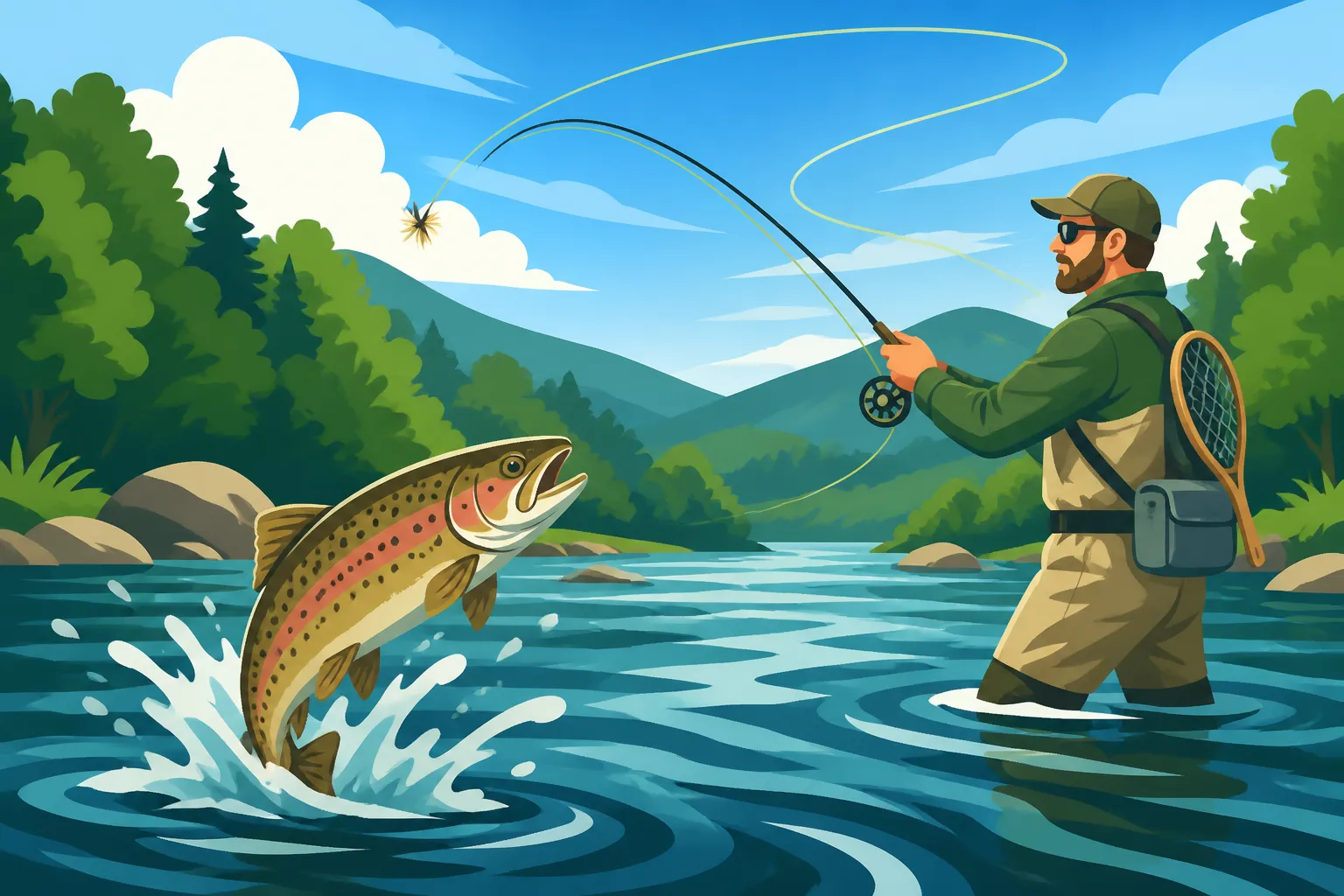
Best Guided Fly Fishing Trips on the Housatonic River
For many fly anglers, the Housatonic River is a legendary stretch of water, but trying to navigate its diverse sections, understand its complex regulations, and identify the best fishing spots can feel overwhelming without local insight. This comprehensive guide is designed to help you understand why a guided fly fishing trip on the Housatonic can unlock incredible experiences, what to look for in a guide, and how to prepare for your memorable adventure.
Why the Housatonic River is a Fly Angler's Dream
The Housatonic River, often affectionately called the "Housy" by those who love it, carves its way through western Connecticut, offering some of the most diverse and rewarding fly fishing opportunities in the Northeast. It's a river that truly has it all, from wild trout to robust stocked fish, and even warmwater species that will surprise you. Anglers come from all over for its scenic beauty and the challenge it presents, but its sheer size and variety can be a lot to take in on your own.
A Year-Round Fishery for Wild and Stocked Trout
One of the Housatonic's greatest draws is its ability to offer year-round trout fishing. This isn't just a spring fling; the Housatonic holds cold water remarkably well, allowing trout to thrive even through the warmer months in certain sections. You'll find a mix of feisty wild brown trout, which are a testament to the river's health, alongside robust rainbow and brown trout from diligent stocking programs. Catching a truly wild brown on a dry fly is a badge of honor, and the Housatonic offers plenty of chances to earn it. The abundance of these fish, both native and introduced, means there's almost always something biting, no matter the season.
The Iconic Trout Management Areas
The heart of the Housatonic's reputation for fly fishing lies within its Trout Management Areas (TMAs). These specially regulated sections, particularly the stretch from Bulls Bridge downstream to the confluence with the Ten Mile River, are managed intensely to foster a high-quality trout fishery. These aren't just arbitrary boundaries; they dictate specific rules, often including catch-and-release only sections or restrictions on bait and tackle, which ensure the health and longevity of the trout population. Understanding these nuances is where a local guide truly shines. They can explain the Housatonic River Trout Management Area Fishing rules and help you navigate the specific requirements for different stretches, ensuring you're compliant and focusing on the best fishing possible.
Beyond Trout: Smallmouth and Pike Opportunities
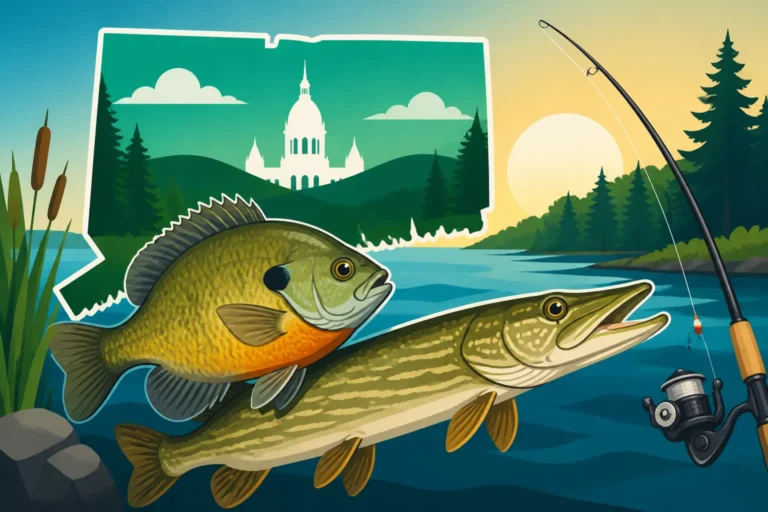
While trout often steal the spotlight, the Housatonic is far more than just a trout stream. As you move downstream or fish specific sections, particularly in the lower stretches, the river transforms into an incredible warmwater fishery. You'll find robust populations of smallmouth bass that fight like demons on a fly rod, especially during the summer months when they’re aggressively hitting topwater flies. These bronzebacks offer a fantastic alternative or addition to a trout trip. Furthermore, for the adventurous angler, northern pike lurk in the deeper, weedier sections, offering the chance to hook into a truly toothy predator on specialized fly gear. It’s this diverse ecosystem that makes a Housatonic trip so appealing; you never quite know what magnificent fish might decide to test your line.
What to Look for in a Housatonic Fly Fishing Guide
Choosing the right guide is paramount to a successful and enjoyable Housatonic fly fishing trip. It’s not just about finding someone who can put you on fish, though that’s certainly a major factor. It’s about finding a mentor, a teacher, and a companion who enhances your experience and shares their passion for this remarkable river. A good guide offers more than just a ride in a boat; they offer a deeper connection to the water and its inhabitants.
Local Expertise and River Knowledge
The Housatonic is a complex river, and its moods change with the seasons, weather, and water levels. A guide with deep local expertise has spent countless hours on its waters, understanding its currents, identifying its hidden pockets, and knowing where the fish hold in different conditions. They’ve observed the insect hatches for years, noted the best Fly Patterns for Connecticut Trout Streams, and understand the feeding patterns of both wild and stocked trout. This intimate knowledge is invaluable. They'll know which access points are best, how to safely navigate tricky sections, and where to find the fish, even when the river looks challenging to an untrained eye. This isn't just about showing you where to cast, it's about teaching you why that spot is productive at that particular moment.
Guiding Style and Trip Offerings
Guides aren't one-size-fits-all, and neither are their trips. Some guides specialize in wade trips, focusing on smaller sections of the river, allowing you to immerse yourself in the environment and hone your casting skills in specific pockets. Others might offer float trips, utilizing drift boats or rafts to cover significant stretches of water, allowing access to spots unreachable by foot. It’s crucial to consider what kind of experience you’re looking for. Do you want to learn advanced nymphing techniques, target a trophy brown trout, or simply enjoy a relaxing day on the water? Discuss their guiding philosophy – are they patient with beginners? Do they offer instruction for more experienced anglers looking to refine their skills? Some guides even offer multi-species trips, catering to those who want to try for trout and smallmouth in the same day. Platforms like FishingBooker can be helpful for filtering guides by their specific offerings and reading reviews that detail their guiding style.
Gear, Logistics, and Safety
Before booking, clarify what your guide provides and what you're expected to bring. Most reputable guides will provide high-quality rods, reels, and all the necessary flies and terminal tackle. This is a huge benefit, especially if you’re traveling or new to the sport. However, you'll still need personal items like appropriate clothing, polarized sunglasses, a hat, and waders if you’re doing a wade trip. What Gear a Connecticut Charter Provides can give you a general idea, but always confirm with your specific guide. Beyond gear, discuss logistics: meeting points, trip duration, and any food or drink provisions. Most importantly, inquire about their safety protocols. Reputable guides are licensed, insured, and prioritize your well-being on the water, especially when dealing with moving water and potential hazards.
Different Types of Guided Housatonic Fly Fishing Trips
The Housatonic River offers a variety of ways to experience its fly fishing, and guides tailor their trips to match these different approaches. Understanding the distinction between wade and float trips is key to choosing the adventure that best suits your preferences and physical abilities. Each has its unique advantages and challenges, and sometimes, a combination is the best bet.
Wade Trips: Up Close and Personal
Wade trips are perfect for anglers who enjoy a more intimate connection with the river. On a wade trip, you'll be on foot, navigating the riverbed, and exploring specific stretches by wading into the water. This allows for precise fly placement in smaller pockets, seams, and eddies that a boat might pass over. It’s an excellent option for focusing on technical skills like casting accuracy, reading water, and presenting flies delicately. Guides often lead these trips in smaller, more accessible sections of the river, teaching you how to safely move through currents and identify fish lies. For beginners, it’s a fantastic way to learn the ropes without the added complexity of managing a boat. Just be sure to have good Wading Techniques for Connecticut Trout Streams or be ready to learn them, as some sections can be challenging.
Float Trips: Covering More Water
Float trips, typically conducted from a drift boat or raft, allow you to cover significant distances of the Housatonic, accessing remote sections and diverse water types that are simply not reachable on foot. This is often the preferred method for experienced anglers looking to target larger, more elusive fish or simply to explore more of the river in a single day. Your guide will row or motor the boat, positioning you for prime casting opportunities as you drift downstream. It’s a comfortable way to fish, offering more stability and a broader perspective of the river. Float trips can be excellent for sight fishing or covering long stretches of river during prolific hatches. Kayak Fishing Techniques for Connecticut Rivers can be a DIY alternative, but a guided float trip offers the advantage of an experienced oarsman to put you right on the fish.
Specialized Trips: Target Species or Techniques
Beyond the general wade and float options, many Housatonic guides offer specialized trips tailored to specific angler interests. This could mean a dedicated "trophy trout hunt," focusing on larger browns and rainbows using streamers or specific nymphing techniques, especially during cooler months. Some guides might offer "hatches and dry flies" trips during peak insect activity in spring and summer, aiming to capitalize on rising fish. Then there are those who focus on the Housatonic's diverse warmwater opportunities, taking clients after smallmouth bass with poppers and streamers, or even venturing into pike territory. If you have a particular goal in mind, don't hesitate to ask your potential guide if they offer specialized experiences. This ensures your trip aligns perfectly with your fishing aspirations.
Preparing for Your Housatonic Guided Trip
You’ve booked your guide, you’re excited – now what? Preparation is key to making the most of your Housatonic adventure. A little planning goes a long way in ensuring you're comfortable, safe, and ready to learn and fish effectively. Don’t underestimate the changing weather in Connecticut or the demands of a full day on the water.
What to Discuss with Your Guide Beforehand
Communication is crucial. Before your trip, have a detailed conversation with your guide. Discuss your experience level – are you a complete beginner, an intermediate angler looking to improve, or an expert seeking local hot spots? Share your fishing goals: Are you hoping to catch a specific species, learn a new technique like Euro Nymphing Connecticut Trout Streams, or simply enjoy a day on the water? Talk about your physical abilities, especially if considering a wade trip, as some sections can be strenuous. Inquire about the expected weather conditions, water levels, and what hatches might be occurring. This dialogue helps your guide tailor the day to your expectations and ensures they bring the appropriate gear and flies. Don't forget to confirm the meeting time and location!
Essential Gear and Personal Items to Bring
While your guide typically provides rods, reels, and flies, there are essential personal items you'll need to bring for comfort and safety. Here’s a quick checklist:
- Fishing License: Absolutely critical! You must have a valid Connecticut Fishing License Guide for 2026. Your guide can’t provide this for you.
- Waders and Boots: If you're on a wade trip, good quality waders (chest waders are best for the Housatonic) and sturdy wading boots with felt or rubber soles for grip are essential.
- Layered Clothing: Connecticut weather can be unpredictable. Dress in layers so you can add or shed clothing as temperatures change. Quick-drying fabrics are always a good choice.
- Rain Gear: A waterproof jacket and pants are non-negotiable, even if the forecast looks clear.
- Hat and Polarized Sunglasses: A wide-brimmed hat protects you from the sun, and polarized sunglasses are vital for spotting fish and protecting your eyes from errant hooks.
- Sunscreen and Insect Repellent: Protect your skin from sun exposure, and be prepared for biting insects, especially during warmer months.
- Snacks and Drinks: While some guides might provide refreshments, it's always wise to bring your own water and energy-boosting snacks.
- Camera: To capture those memorable moments and trophy catches!
Understanding River Etiquette and Regulations
Being a responsible angler on a guided trip means respecting both the river and other anglers. Your guide will ensure you comply with all Connecticut Fishing Regulations Explained, but a general understanding before you go is helpful. This includes size limits, daily creel limits (if applicable, especially outside of TMA sections), and any specific gear restrictions. On the Housatonic, particularly in popular areas, you’ll likely encounter other anglers, especially during peak seasons. Maintain a respectful distance, avoid wading or drifting directly into another angler's casting lane, and always be mindful of stream access points. Practicing catch and release with care, especially for wild trout, is also a vital part of river etiquette. Your guide will instruct you on proper fish handling techniques to ensure the health of the fishery.
Popular Seasons for Housatonic Fly Fishing
The Housatonic River truly is a four-season fishery, each offering its own unique charm and challenges. Understanding these seasonal shifts will help you decide when to book your guided trip, aligning your expectations with the river's natural cycles. Each season brings distinct insect hatches, water conditions, and fish behavior.
Spring: Hatches and High Water Excitement
Spring is arguably the most anticipated season on the Housatonic, especially for trout anglers. As the snow melts and water temperatures begin to rise, dormant insect life awakens, leading to prolific hatches of Caddis, Hendrickson mayflies, and eventually Sulphurs. The river can run high and cold in early spring, requiring techniques like streamer fishing or heavy nymphing. However, as conditions stabilize, the dry fly fishing can be phenomenal, with trout rising eagerly to specific bugs. This is when you might experience the classic "spinner fall" that every fly angler dreams of. It's a time of vibrant activity, but Best techniques for high water spring conditions might be necessary if the river is running strong.
Summer: Low Water Challenges and Evening Rises
Summer on the Housatonic can be a mixed bag, but it still offers fantastic fishing, particularly during morning and evening hours. Water levels are typically lower and warmer, which can make trout more sluggish during the heat of the day. However, evenings often bring incredible hatches of small mayflies, midges, and caddis, leading to exciting dry fly opportunities as trout feed actively near the surface. This is also prime time for targeting the Housatonic's aggressive smallmouth bass with topwater poppers and streamers. A guide can help you navigate When Connecticut trout streams get too warm to fish by taking you to cooler sections or focusing on shaded areas and deeper runs where trout find refuge.
Fall: Trophy Browns and Vibrant Colors
Fall is a favorite season for many Housatonic anglers, and for good reason. As air temperatures cool and water levels often stabilize, the river comes alive again. The foliage along the banks explodes with color, creating a stunning backdrop for your fishing. More importantly, brown trout begin their pre-spawn migrations, becoming more aggressive and often putting on their most vibrant spawning colors. This is an excellent time to target larger browns with streamers or nymphs, as they feed heavily in preparation for spawning. Hatches of Blue-Winged Olives (BWOs) can provide great dry fly action, especially on overcast days. A guided trip in the fall offers not only exceptional fishing but also an incredibly scenic experience.
Winter: The Quiet Pursuit of Steelhead-Style Trout
While many anglers put their gear away for the winter, the Housatonic offers a unique and often rewarding challenge for those brave enough to face the cold. The river remains open and fishable, and while hatches are sparse, opportunistic trout can be found in slower, deeper pools. This is a time for specialized techniques like nymphing with heavy tungsten patterns or swinging streamers for large, holdover trout that can feel like miniature steelhead. The solitude of winter fishing on the Housatonic is unparalleled; you'll often have vast stretches of the river to yourself. A knowledgeable guide is particularly valuable in winter, as they can help you locate prime holding water and employ effective cold-water tactics, showing you how to find fish when others assume the season is over.
How to Book Your Guided Housatonic Adventure
You’re convinced that a guided trip is the way to go – fantastic! Now comes the practical step of finding and booking your adventure. It can feel like a maze, but with a few pointers, you'll be well on your way to a memorable day on the Housatonic.
Finding Reputable Guides
The best way to find a reputable Housatonic fly fishing guide is often through word-of-mouth recommendations, local fly shops (which frequently partner with guides), or online angling forums dedicated to Connecticut fishing. Websites like FishingBooker provide a platform where you can browse multiple guides, compare their services, read detailed profiles, and see reviews from previous clients. This can be incredibly helpful for getting a feel for a guide's personality, expertise, and what kind of experience they typically provide. Don't be shy about reaching out to a few different guides to ask questions and find someone whose style and offerings align with your fishing goals. Look for guides who have been fishing the Housatonic for years and have a strong reputation for safety and customer satisfaction.
What to Expect from the Booking Process
Once you’ve identified a potential guide, the booking process is usually straightforward. You'll typically contact them directly via phone or email to inquire about availability and trip details. Be prepared to discuss your preferred dates, the number of anglers in your party, your fishing experience, and any specific goals you have for the trip. Most guides will require a deposit to secure your booking, with the remaining balance due on the day of the trip. Always clarify their cancellation policy, especially regarding weather-related cancellations. Understanding these terms upfront will prevent any surprises down the line. Remember, the most popular guides book up quickly, especially during prime seasons like spring and fall, so it's wise to plan ahead.
| Trip Type | Typical Coverage Area | Best For | Ideal Conditions | Skill Level Focus | Cost Implications (Guide Fee) |
|---|---|---|---|---|---|
| Wade Trip | Specific, accessible stretches | Intimate river connection, skill refinement | Lower water, stable currents | Beginner to Advanced | Generally lower overhead |
| Float Trip | Long, diverse river sections | Covering water, accessing remote spots | Moderate to higher flows, stable boating | Intermediate to Advanced | Generally higher overhead |
Making the Most of Your Trip (and Tipping!)
On the day of your trip, show up on time and ready to go. Listen attentively to your guide's instructions and advice – they are there to help you succeed! Don't be afraid to ask questions, even if they seem basic. Your guide's primary goal is to provide you with a great experience and teach you something new. Be respectful of the river, the fish, and your guide's equipment.
Finally, let’s talk about tipping. It’s customary to tip your guide, just as you would any service professional. A standard tip for a full-day guided fly fishing trip typically ranges from 15-20% of the trip's cost, depending on the level of service, effort, and how much you enjoyed the experience. If your guide went above and beyond, a more generous tip is always appreciated. This thoughtful gesture acknowledges their hard work, expertise, and dedication to giving you an unforgettable day on the magnificent Housatonic River.
Disclaimer
This article is for general informational purposes only and does not constitute professional advice. Laws, prices and regulations vary by location and change over time. Consult a qualified professional for guidance on your specific situation.