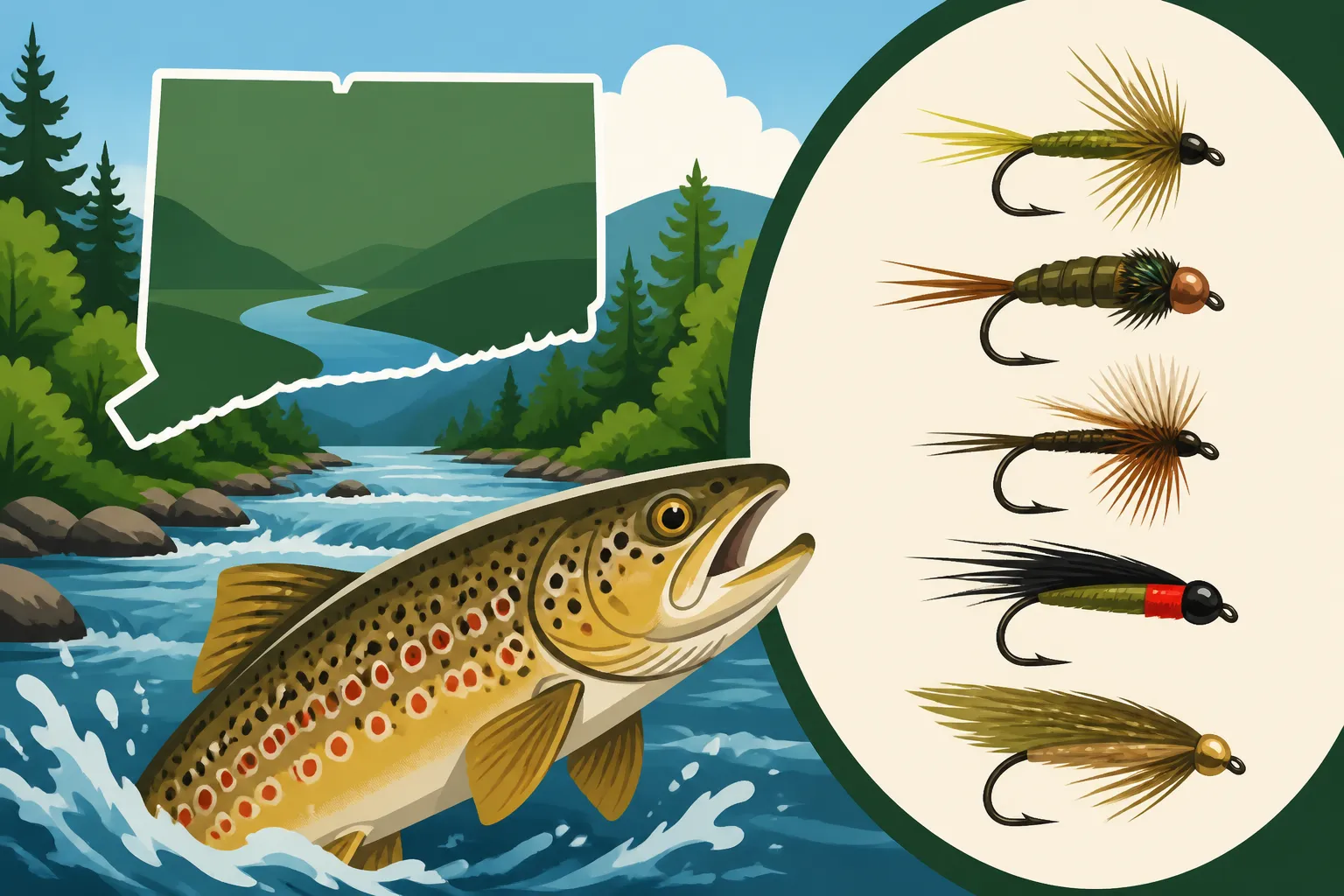
Fly Patterns for Connecticut Trout Streams
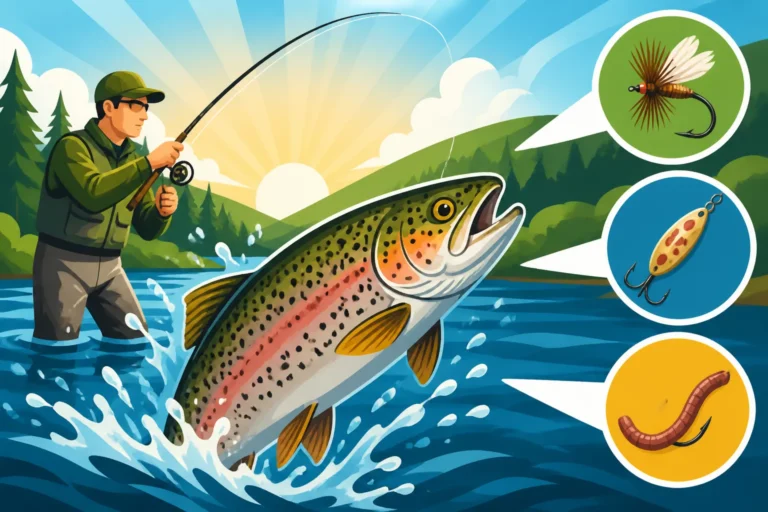
There's nothing quite like the serene challenge of fly fishing Connecticut's diverse trout streams, but let's be honest: standing in the fly shop, staring at walls of tiny, feathery creations, can feel utterly overwhelming. Deciding which fly patterns to use, and when, is a perpetual puzzle for even the most seasoned anglers. This guide aims to demystify the art of fly selection, helping you match the hatch and hook into more trout across our beautiful state.
Understanding the Trout's Menu: Why Fly Patterns Matter
Before we even talk about specific flies, it's crucial to grasp why trout eat what they do. Trout are opportunists, always looking for an easy meal, but they can also be incredibly selective, especially on heavily pressured waters. Your fly pattern isn't just a pretty trinket; it's a carefully crafted imitation of the food items trout regularly encounter, and sometimes, it's about tricking them into biting out of curiosity or aggression.
Imitating Natural Food Sources
Trout in Connecticut's rivers and streams have a varied diet, changing with the seasons and available forage. Their primary food sources include aquatic insects (mayflies, caddisflies, stoneflies, midges), terrestrial insects (ants, grasshoppers, beetles), small baitfish (sculpins, minnows, juvenile trout), crustaceans (crayfish), and even worms or eggs. Each of these food items has a specific size, shape, and color profile, and successful fly patterns aim to mimic these characteristics.
Think about it: a mayfly nymph, clinging to the river bottom, looks very different from a caddisfly adult skittering across the surface. A hungry brown trout won't hesitate to gulp down a struggling minnow, but it might ignore a brightly colored dry fly if there’s no hatch happening. Your job, as the angler, is to observe the environment, understand what the trout are likely feeding on, and then present a fly that looks as much like that meal as possible. This isn't just guesswork; it's often about understanding insect life cycles and trout behavior. For instance, knowing what the current stream temperatures mean for insect activity can make all the difference.
The Importance of Matching the Hatch
"Matching the hatch" is a phrase you'll hear endlessly in fly fishing circles, and for good reason. It refers to the practice of selecting a fly pattern that closely imitates the species of insect currently emerging, egg-laying, or otherwise active on the water. When a major hatch occurs, trout can become incredibly focused, often ignoring any other food source. Trying to catch them on a generic dry fly during a blanket caddis hatch, for example, is like trying to convince a kid to eat broccoli when there's cake right in front of them.
Connecticut streams, from the smallest mountain brook to the grand Farmington River West Branch Trout Fishing, experience various insect hatches throughout the year. Mayfly hatches like Hendricksons in spring, Sulphurs in early summer, and Blue Winged Olives (BWOs) in fall are prime examples where matching the hatch is paramount. Caddis hatches can be prolific and chaotic, making patterns that suggest frantic movement effective. Even outside of visible hatches, understanding what nymphs are active on the bottom (like stonefly or caddis larvae) is a form of matching the hatch for subsurface presentations. Keep an eye on the water's surface, turn over rocks, and even observe spiderwebs for clues about what insects are present.
Essential Dry Fly Patterns for Connecticut
Dry flies are arguably the most exciting flies to fish, offering the thrill of seeing a trout rise to the surface. These patterns imitate adult insects that are either floating on the water's surface or have fallen into it. When trout are actively feeding on the surface, choosing the right dry fly is critical.
Classic Upwing Patterns
Upwing patterns, often mimicking mayflies, are staples in any Connecticut fly angler's box. They typically have wings that sit upright, resembling the natural insect.
- Adams: If you could only have one dry fly pattern, the Adams might be it. It's a fantastic general-purpose imitation, suggesting a wide variety of mayflies and even caddis. Its gray body and grizzly hackle give it a versatile, buggy profile that trout across Connecticut seem to love. I've had incredible success with size 12-16 Adams patterns on cooler spring and fall days when smaller BWOs or Hendricksons are around, especially on the upper sections of the Best Trout Streams in Connecticut. Many anglers even keep a few parachute Adams in their box, which sits lower in the water film, offering a more realistic silhouette. You can often find great assortments of Adams patterns, including parachute versions, on platforms like Amazon, making it easy to stock up.
- Hendrickson: This mayfly is a springtime classic in Connecticut, often emerging in late April and early May. A properly tied Hendrickson dry fly, typically in sizes 12-14, with a reddish-brown body and light gray wings, can be deadly during these hatches. When the Hendrickson hatch is on, trout can become incredibly focused on these specific insects, ignoring everything else. Presenting a Hendrickson pattern with a drag-free drift over rising fish is key to success.
- Blue Winged Olive (BWO): BWOs are small mayflies that hatch throughout the year, but are particularly important in the cooler months of spring and fall, and even on overcast winter days. These tiny, drab-colored mayflies (sizes 18-22, sometimes even smaller) can bring sophisticated trout to the surface. Carrying a good selection of BWO dries, often in a parachute style for better visibility and a natural profile, is essential for consistent action.
Caddis and Terrestrial Imitations
Beyond mayflies, caddisflies are another incredibly important insect group for Connecticut trout. Terrestrials, meaning land-dwelling insects, also become vital food sources during warmer months.
- Elk Hair Caddis: This is another universal fly that belongs in every angler's box. Caddisflies often skitter across the surface when emerging or egg-laying, and the Elk Hair Caddis, with its buoyant elk hair wing and dubbed body, perfectly mimics this action. Fished in various sizes (12-18) and colors (tan, olive, black), it's effective for general searching patterns or when a caddis hatch is in full swing. Don't be afraid to give it a little twitch on the retrieve to imitate a struggling caddis, especially on the Housatonic River.
- Stimulator: While technically a dry fly, the Stimulator is a fantastic "attractor" pattern that can imitate large caddisflies, stoneflies, or even grasshoppers. Its bushy profile and hackle make it incredibly buoyant, perfect for fast-moving water or as a lead fly in a dry-dropper rig. In larger sizes (8-14), it's a great choice for prospecting turbulent runs on bigger rivers, especially in summer.
- Griffith's Gnat, Ants, and Hoppers: For specific situations, these patterns shine. The Griffith's Gnat (sizes 18-22) is excellent for imitating clusters of tiny midges, especially on flat, calm water or during sparse hatches. Ant patterns (14-18, black or cinnamon) are killer on warm summer days when ants are falling into the water from overhanging branches. And when the grass is tall, don't overlook Hopper patterns (8-12). These chunky terrestrial imitations can draw explosive strikes from larger trout looking for a substantial meal during the dog days of summer.
Diving Deep: Nymph and Wet Fly Selections
Let's face it, most of a trout's feeding happens below the surface. Nymphs, pupae, and larvae are the most abundant food sources, making subsurface patterns incredibly effective year-round in Connecticut. Learning to fish nymphs effectively will dramatically increase your catch rate.
General Purpose Nymphs
These are the workhorses of subsurface fly fishing – patterns that suggest a wide array of aquatic insects or other small morsels.
- Pheasant Tail Nymph: This classic pattern, typically tied with pheasant tail fibers for the body and a touch of flash, is a phenomenal imitation of slender-bodied mayfly nymphs. It's incredibly versatile, working in almost any water condition and throughout the year. Sizes 12-20 are common, with smaller sizes being particularly effective in clear, low water. I always have a range of Pheasant Tails in my box, some unweighted for shallow runs and others with a bead head for getting down deep quickly. It's an absolute must-have for nymphing Connecticut streams.
- Hare's Ear Nymph: Another traditional powerhouse, the Hare's Ear is tied with natural hare's mask, giving it a buggy, impressionistic look that suggests a variety of mayfly and caddisfly nymphs. Its shaggy texture and natural colors make it very appealing to trout. Like the Pheasant Tail, it works well weighted or unweighted, and in a range of sizes from 10-18. I often find it particularly effective in stained water or when I want a slightly bulkier profile than a Pheasant Tail.
- Prince Nymph: With its distinct white "wings" and peacock herl body, the Prince Nymph is a fantastic attractor pattern that can also imitate stonefly nymphs or a number of other large aquatic insects. It has a compelling, buggy profile that often triggers strikes even when trout aren't actively feeding. Sizes 10-16 are most common. It's a great choice for prospecting deeper runs and pools, especially earlier in the season when larger nymphs are active.
Specialized Nymphs and Emergers
Sometimes, you need something a bit more specific, either to imitate a particular insect or to represent an insect in a transitional stage, like an emerger.
- Zebra Midge: Midges are tiny, abundant insects that are present year-round, even in the coldest months. The Zebra Midge, a simple pattern of thread, wire, and a bead, is incredibly effective for imitating these small insects. In sizes 18-24, it's often fished in tandem with a larger nymph or as a standalone dropper. When trout are sipping almost imperceptibly, especially in slow, deep pools or tailwaters, a Zebra Midge can be the only thing they'll touch. Don't underestimate the power of these tiny flies, particularly in places like the Housatonic River Trout Management Area Fishing during winter.
- Perdigon Nymphs: Hailing from competitive European nymphing, Perdigons are sleek, heavily weighted nymphs designed to sink extremely fast. Their slim profile and flashy materials can be incredibly effective when trout are holding deep or when you need your fly to get down to the strike zone quickly in fast currents. They come in various colors and sizes (14-20) and often feature hot spots of fluorescent material. While they don't imitate a specific insect perfectly, their rapid descent and subtle flash make them excellent general attractors.
- Squirmy Wormy: Yes, you heard that right! This "wormy" pattern, made from soft, squishy material, might not look like a traditional fly, but it's an undeniable trout catcher, especially for recently stocked fish or after a rain. It simply looks like a worm, a common food source washed into streams. While some purists scoff at it, the Squirmy Wormy (often in red, pink, or brown, sizes 10-14) is a confidence-builder when nothing else seems to work, particularly in waters where trout stocking is frequent, as detailed in the Connecticut Interactive Trout Stocking Map, Explained.
- Soft Hackles: These flies blur the line between nymphs and wet flies, imitating insects emerging from their nymphal shucks or small drowned insects. Tied with a sparse, soft hackle feather that undulates in the current, they're often fished on a swing or with a subtle retrieve. They can be particularly effective during the early stages of a hatch or when trout are looking for easy meals just below the surface. Sizes 12-18 in olive, brown, or black are good starting points.
The Hunt for Bigger Trout: Streamers and Baitfish Patterns
If you're looking to target larger, more aggressive trout in Connecticut, especially brown trout, streamers are your secret weapon. These patterns imitate small fish, crayfish, or large aquatic insects, triggering predatory instincts.
Articulated and Larger Streamers
For those trophy-sized trout that lurk in the depths, a substantial meal is often the key. Larger streamers offer that bulk and movement.
- Woolly Bugger: The Woolly Bugger is perhaps the most versatile streamer pattern ever created. Its marabou tail and palmered hackle give it an irresistible pulsating action in the water. Available in a huge range of colors (black, olive, brown, white) and sizes (4-12), it can imitate everything from a sculpin to a leech to a crayfish. You can strip it, swing it, or dead-drift it, and trout will eat it. I've caught countless trout on Woolly Buggers in Connecticut, from small brooks to big rivers. It's a fundamental pattern for anyone targeting Trout Fishing in Connecticut.
- Clouser Minnow: Though primarily a saltwater pattern, smaller Clouser Minnows can be incredibly effective in freshwater for aggressive trout, especially browns, that are keying in on baitfish. Its dumbbell eyes give it a jigging action, and the bucktail materials create a lifelike profile. Chartreuse and white, or olive and white, in sizes 6-10 are great choices. This pattern is excellent when trout are feeding on smaller minnows or darting baitfish in larger river sections or deep lake channels.
- Sculpin Helmet and Sex Dungeon: These patterns are for anglers serious about targeting substantial trout. Flies tied with a "Sculpin Helmet" (a weighted head) or articulated patterns like the "Sex Dungeon" create a large, realistic profile and incredible movement in the water, mimicking larger baitfish or sculpins. They are designed to trigger aggressive strikes from the biggest fish in the system. While they can be a bit more challenging to cast, the reward of hooking a true Connecticut trophy trout on such a fly is immense. You might not find these on every fly shop shelf, but a quick search on Amazon or specialty fly tying sites will yield many options.
Smaller Streamers for Finesse Situations
Sometimes, even when fishing streamers, a more subtle approach is needed. Smaller streamers can be effective when trout are wary or when the available baitfish are petite.
- Muddler Minnow: This classic pattern, with its clipped deer hair head, can imitate a sculpin, a grasshopper, or even a mouse. It's buoyant enough to be fished on the surface as a floater or retrieved subsurface like a streamer. Its chunky, natural look makes it a favorite for prospecting pocket water and runs, especially in smaller sizes (8-14). The Muddler Minnow is particularly effective in wild trout streams where trout are less pressured and more opportunistic.
- Black Ghost and Grey Ghost: These are traditional Maine streamer patterns, but they have a place in Connecticut, especially for targeting larger trout in lakes or bigger rivers. They are tied with long, flowing wings that create a graceful, lifelike swimming motion. The Black Ghost, with its dark body and white wing, imitates a minnow, while the Grey Ghost is a classic smelt imitation. Fished on a sink tip line, they can be deadly for searching deeper water or around submerged structure, particularly during the fall.
Seasonal Strategies for Fly Selection
Knowing what to fish and when is just as important as having the flies themselves. Connecticut's four distinct seasons bring different challenges and opportunities for trout anglers. Understanding these shifts is key to consistent success.
Springtime Trout Tactics
Ah, spring! This is when many anglers eagerly head to the rivers after a long winter, especially for Connecticut Trout Season and Stocking Rules and the buzz around Connecticut Spring Fishing Day and Opening Day Rules. Early spring can be cold, with high, often turbid water from snowmelt and rain.
- Early Season Nymphs: When water temperatures are still low (below 45°F), trout are lethargic and often hugging the bottom. Heavy nymph rigs are the way to go. Large stonefly patterns (like a Pat's Rubber Legs or a 20-Mule Team Stonefly in sizes 8-12), combined with smaller, bead-head nymphs like a Pheasant Tail or Hare's Ear (14-18), will help you get down to where the fish are holding. The goal is to present a substantial, slow-moving meal. Don't be afraid to use strike indicators and add split shot to ensure your flies are bouncing along the bottom.
- Hendrickson Hatch: As spring progresses and water temperatures climb into the 50s, the Hendrickson hatch can be prolific, especially on the Housatonic and Farmington. When you see those beautiful, reddish-brown mayflies fluttering, switch to Hendrickson dry flies (12-14) or a Hendrickson emerger pattern just below the surface. Trout will often key in on the emergers first, as they are easier to catch. Having both adult and emerger patterns for this hatch is a smart move.
- Caddis Surges: Following the mayfly hatches, or sometimes overlapping them, caddisflies will start to emerge. These hatches can be fast and furious. Carrying Elk Hair Caddis (12-16) in tan or olive is essential. Unlike mayflies, caddis often skitter, so a subtle twitch or skate of your dry fly can sometimes entice a strike. Don't forget caddis larva patterns (like a Green Weenie or a Caddis Larva) fished deep, as trout feed on these year-round.
Summer's Challenges and Opportunities
Summer fishing in Connecticut can be a tale of two extremes: incredible dry fly action with terrestrials, or tough fishing in low, clear, and warm water. For specific waters, check Connecticut Fishing Season Dates and Closures to ensure you're within regulations, as some areas have seasonal closures.
- Terrestrials: Once the weather heats up, and particularly after a windy day, land-dwelling insects like grasshoppers, ants, and beetles become significant food sources. Hopper patterns (8-12), Ant patterns (14-18), and Foam Beetle patterns (12-16) are excellent choices. Fish these tight to the banks, under overhanging vegetation, or near grassy areas where these insects are likely to fall into the water. Big, splashy presentations can sometimes mimic a struggling insect, drawing aggressive strikes.
- Evening Rises: As daytime temperatures soar, trout often become nocturnal or crepuscular feeders, meaning they feed most actively at dawn and dusk. Evening caddis hatches or spinner falls (when spent adult mayflies fall to the water to lay eggs) can lead to fantastic dry fly fishing. Be prepared with Elk Hair Caddis, small Adams, or BWO patterns (16-20) for these magical hours.
- Low Water Nymphs: During extended dry spells, stream flows can drop, and water becomes extremely clear. Trout become incredibly wary. This is when small, unweighted or lightly weighted nymphs (like a size 20 Pheasant Tail or Zebra Midge) become crucial. Focus on long, delicate leaders, stealthy approaches, and precise, drag-free drifts. Sometimes, a tiny midge pupa pattern, fished deep and slowly, is all that will work. For sensitive waters, consider going purely catch and release to protect the fish in warmer water, as discussed in Connecticut Trout Limit and Possession Rules.
Fall's Bounty and Winter's Patience
Fall is a favorite season for many fly anglers, offering beautiful scenery and often aggressive trout feeding before winter. Winter fishing requires patience but can be incredibly rewarding.
- Streamers: As autumn leaves fall and water temperatures cool, trout, especially brown trout, become more aggressive and territorial, often preparing for spawning. This is prime time for streamers. Larger Woolly Buggers (black, olive, brown, white, sizes 4-10), Clouser Minnows, and Sculpin patterns can entice big strikes. Fish them with a sink-tip line, stripping them through deeper pools, around structure, and along undercut banks. This can be some of the most exciting fishing for truly large trout.
- Egg Patterns: During the fall, brown trout and some brook trout will spawn. While directly targeting spawning fish is generally frowned upon due to ethical concerns, "egg patterns" (small, round, brightly colored flies in orange, pink, or chartreuse, sizes 12-16) can be effective. They imitate loose trout eggs that drift downstream, offering a protein-rich meal. These are often fished as a dropper behind a larger nymph.
- Midges: As winter sets in and other insect activity wanes, midges remain a primary food source. Small midge larvae and pupa patterns, like the Zebra Midge (18-24) or a simple black Beauty Midge, become indispensable. Fish these deep and slow under an indicator, or on a tight-line nymphing rig. Winter fly fishing often means fewer but potentially larger fish, so patience and delicate presentations are paramount.
Local Nuances and Special Regulation Waters
Connecticut offers a diverse range of fishing environments, and what works in one spot might not be ideal in another. Understanding the local nuances, especially in our famed trophy waters, can give you a real edge.
Farmington and Housatonic River Favorites
These two rivers are the crown jewels of Connecticut trout fishing, known for their abundant and often challenging trout populations. Many anglers consider these rivers a true proving ground for their fly fishing skills.
- Farmington River West Branch: This river, especially its famous "trophy trout" sections, can be highly technical. Trout here see a lot of flies and can be incredibly selective. For the Farmington, you absolutely need small BWO patterns (18-22) in spring and fall, reliable Caddis patterns (14-18, especially tan and olive), and a solid selection of Pheasant Tail and Hare's Ear nymphs (16-20). The Green Weenie (a simple green chenille worm-like pattern) is a well-known local secret for stocked and holdover trout, particularly effective after stocking. Don't forget about midges in winter and precise emerger patterns during hatches. Stealth and presentation are often more important than the exact fly. For more specific details, check out Farmington River Trophy Trout Stream Rules.
- Housatonic River Trout Management Area: The "Housy" offers fantastic fishing, especially for robust brown trout and rainbow trout. In addition to general nymphs and streamers, consider larger stonefly imitations (8-12) during colder months. The Hendricksons and Sulphurs are key mayfly hatches here in spring and summer, so matching them with appropriate dry flies (12-16) or emergers is critical. Streamer fishing with Woolly Buggers (black, olive, white, sizes 4-8) can be incredibly productive, especially for the larger brown trout that inhabit the deeper runs and pools. When targeting the larger fish in the Housatonic, don't shy away from throwing bigger, flashier streamers, or even a smaller Clouser Minnow, especially around the abundant baitfish. Understanding the currents and how to effectively drift a nymph or swing a streamer is paramount on this river. Detailed information on access and specific areas can be found in Housatonic River Fishing Guide.
Stocked Ponds vs. Wild Trout Streams
The type of water you're fishing dictates fly choice as much as the season. Connecticut has extensive trout stocking programs, but also a network of beautiful wild trout streams.
- Stocked Ponds and Rivers: Trout stocked by the Connecticut DEEP are often accustomed to hatchery pellets or are simply less wary than wild fish. For these trout, attractor patterns often work exceptionally well. Woolly Buggers (black, olive, white), Squirmy Wormies, egg patterns, and even brightly colored "junk flies" that don't imitate anything specific but provoke a strike, can be very effective. Small streamers and baitfish imitations also work wonders. Sometimes, flies that mimic Powerbait, like a chartreuse or pink mop fly, will outfish more traditional patterns. These fish are often found in easily accessible state park ponds and rivers that are frequently replenished, making them great spots for beginners. You can often see the stocking schedules and locations on the Connecticut Interactive Trout Stocking Map, Explained.
- Wild Trout Streams: These streams, often smaller and more remote, hold trout that are entirely reliant on natural food sources and are typically much warier. Here, accurate imitations of local insect life are essential. Small, delicate dry flies (like a Parachute Adams or small BWO, sizes 16-22) during hatches, and subtle nymph patterns (Pheasant Tail, Hare's Ear, Zebra Midge, 18-22) are key. Terrestrial patterns in summer can also be very effective. Wild trout are keenly aware of their environment, so presentation, stealth, and minimizing disturbance are just as important as the fly itself. These fish are usually smaller but offer an incredibly rewarding challenge. For an even more immersive experience, look into Connecticut Catch and Release Fly Fishing Only Waters.
Beyond the Pattern: Presentation and Confidence
Having the right fly pattern is only half the battle. How you present it and your confidence in that presentation can make all the difference between a frustrating day and a successful one.
Reading the Water and Approach
No matter how perfect your fly pattern is, if you cast it into the wrong spot or present it poorly, you won't catch fish. Trout are masters of their environment, and they'll hold in specific areas for feeding or safety. Learning to "read the water" means understanding where trout are likely to be.
Look for seams where fast water meets slow water, current breaks behind rocks or logs, undercut banks, deep pools, and riffles. These are all prime holding lies. Your approach also matters. Walk softly, stay low, and avoid casting a shadow over the water. Trout have excellent vision and can be spooked easily. When presenting a dry fly, aim for a "drag-free drift," meaning your fly floats naturally with the current, just like a real insect. For nymphs, achieving a natural drift that gets your fly down to the feeding lane is crucial. This often involves techniques like high-stick nymphing or using a long leader and sensitive strike indicator. Don't be afraid to experiment with your casting angle, mending your line, and varying your retrieve to crack the code on a particular day.
Confidence is Key
This might sound cliché, but seriously, confidence in your fly pattern and presentation is a huge factor. If you're constantly changing flies because you don't believe in what you're throwing, you're not giving any pattern enough time to work.
Pick a few patterns that you know are generally effective for the conditions (like a Woolly Bugger, a Pheasant Tail, and an Elk Hair Caddis), and really focus on presenting them well. Believe that the fly you have tied on is the "right" fly. A confident cast and a focused drift often lead to more strikes than frantic fly changes. Sometimes, the trout aren't rejecting your fly; they're rejecting your clumsy cast, your draggy drift, or your heavy footsteps on the bank. Stick with a pattern for a good 15-20 minutes, trying different angles and approaches, before switching. And remember, fly fishing is as much about the experience and connecting with nature as it is about the fish count.
Disclaimer
The information provided in this guide is for general informational purposes only. Fishing regulations, season dates, and specific rules can change frequently. Always consult the official Connecticut Department of Energy and Environmental Protection (DEEP) website or the latest Connecticut Angler's Guide for the most current and accurate regulations before heading out on the water. Following all local and state laws is your responsibility as an angler.