Connecticut River Shad Fishing
The annual American Shad run on the Connecticut River is a fleeting, incredible phenomenon, but for many anglers, figuring out when and where to intercept these energetic fish can feel like chasing a phantom. Between fluctuating river conditions and the sheer scale of the river, it's easy to miss out on the action. This comprehensive guide is here to demystify the Connecticut River shad run, providing you with all the insights you need to successfully target these hard-fighting anadromous fish.
The Phenomenon of the Connecticut River Shad Run
There's something truly special about the American Shad run on the Connecticut River. It's not just a fishing event; it's a testament to nature's resilience and a springtime tradition for countless anglers in the region. Understanding the lifecycle and habits of these fish is the first step to truly appreciating and successfully targeting them.
Understanding the American Shad Migration
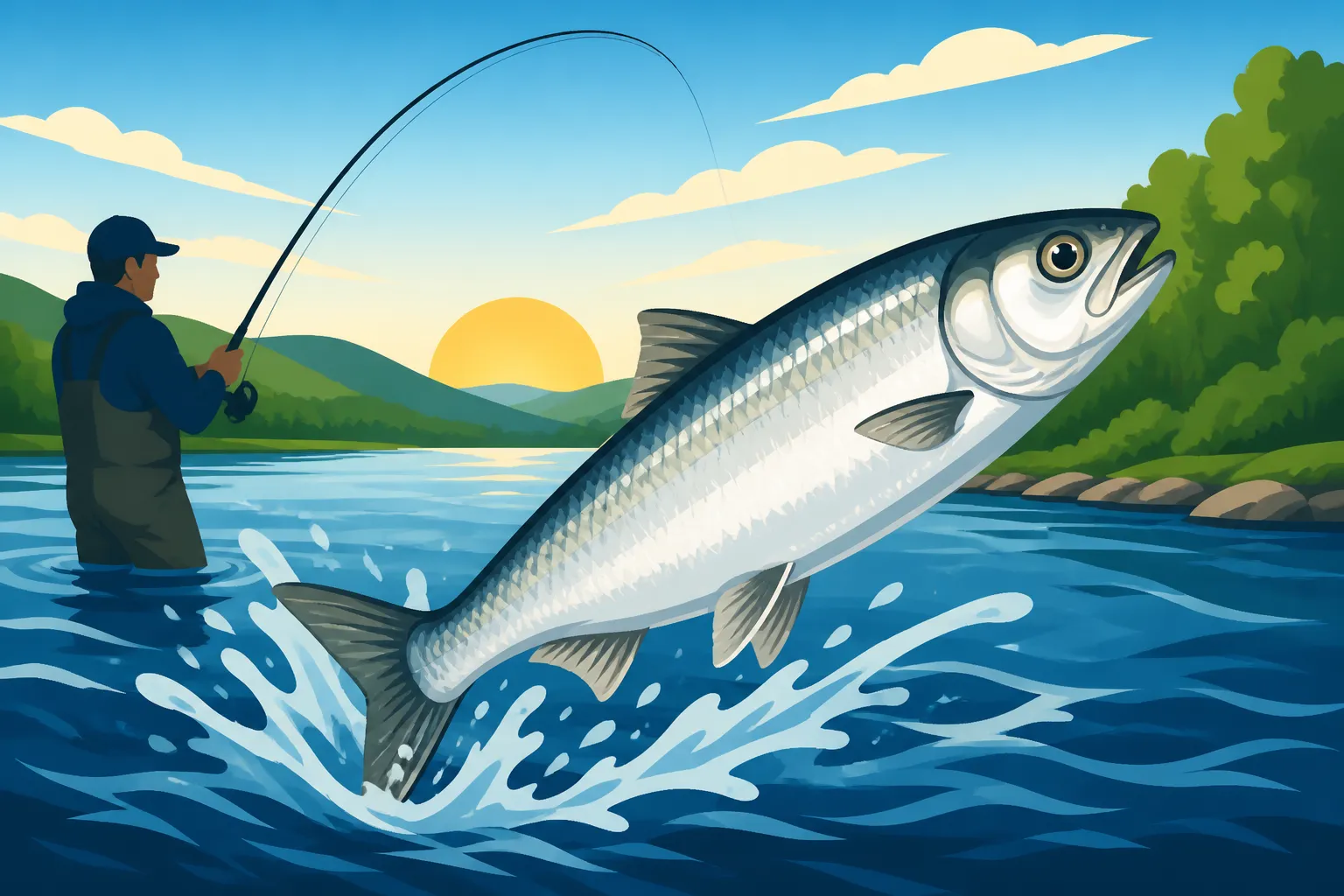
American Shad ( Alosa sapidissima ) are a species of anadromous fish, meaning they spend most of their lives in saltwater, growing and maturing in the ocean, before returning to freshwater rivers to spawn. The Connecticut River hosts one of the largest and most significant shad runs on the East Coast, making it a critical fishery. These silver-sided powerhouses undertake an incredible journey, traveling hundreds of miles from the Atlantic Ocean, navigating through Long Island Sound, and then pushing upstream into the Connecticut River system.
Their migration is driven by an ancient instinct to reproduce. They leave the nutrient-rich ocean environment and swim against the river's current, often for many miles, seeking out suitable spawning grounds. This upstream battle is what makes them such strong fighters on a line – they are literally built for endurance. For thousands of years, indigenous peoples and early European settlers relied heavily on these fish as a vital spring food source, netting them by the thousands. The sheer numbers of shad that historically ascended the river were staggering, a true bounty that sustained communities. While damming and pollution severely impacted these runs in the past, significant conservation efforts, including fish ladders at dams like the Holyoke Dam in Massachusetts, have helped restore their populations, allowing this incredible migration to continue.
Prime Timing for the Shad Run in Connecticut
Pinpointing the exact "prime time" for the shad run can be tricky, as it’s largely dependent on environmental factors, particularly water temperature and river flow. Generally, the run begins in late March or early April and can extend through May, sometimes even into early June, with peak action typically occurring in late April and throughout May. When shad run up the Connecticut River, water temperatures rising into the high 40s and low 50s Fahrenheit usually signal the start of the migration in the lower stretches of the river. As the water warms further, into the mid-50s to low 60s, the run progresses upstream.
A strong, consistent flow in the river from spring rains can sometimes accelerate the migration, pushing fish upstream more quickly. Conversely, very cold spring weather or prolonged drought conditions can delay or slow the run. Anglers often pay close attention to the river gauge readings and temperature reports from the Connecticut Department of Energy and Environmental Protection (DEEP). For those looking to plan their trips, checking the Connecticut Fishing Season Dates and Closures can offer a general overview, but for shad, real-time river conditions are key. Many local tackle shops and online forums dedicated to Connecticut fishing are excellent resources for daily updates on the run's progress. You might even find charter services on platforms like FishingBooker that specialize in targeting shad during their peak windows, providing invaluable local knowledge for the best action.
Identifying American Shad
Proper identification is important, not just for knowing what you've caught, but also for adhering to any specific regulations. American Shad are often called "poor man's tarpon" due to their strong fighting ability and silvery appearance. They have a deep, laterally compressed body, with a noticeable dark spot (and sometimes several fainter ones) behind the gill plate. Their scales are relatively large, and their mouth is terminal, meaning it's at the very front of their head.
They can reach impressive sizes, often between 2 to 6 pounds, with some individuals growing even larger, pushing 8 pounds or more. While generally silvery, they can have a slightly bluish-green hue on their backs. It's important to distinguish American Shad from other herring species that may also inhabit the river, such as alewives or blueback herring. Alewives and blueback herring (collectively often called "river herring") are typically smaller, have a more rounded body, and usually lack the prominent dark spot behind the gill cover. American Shad also tend to have a more elongated, streamlined body compared to the deeper-bodied river herring. While river herring are also anadromous and migrate upstream, they generally follow a slightly different timing and often ascend smaller tributaries, whereas American Shad utilize the main stem of the Connecticut River and its larger branches extensively.
Essential Gear for Connecticut River Shad
Having the right gear makes all the difference when targeting American Shad. These fish are feisty, and while they aren't massive, their speed and powerful runs can quickly expose weaknesses in your setup. Matching your tackle to the technique and the fish ensures a more enjoyable and successful experience.
Rods, Reels, and Line Choices
When it comes to rods and reels for shad fishing, versatility is key, but most anglers lean towards lighter setups to truly feel the fight. For spin fishing, a light to medium-light action spinning rod, typically between 6 to 7.5 feet in length, is ideal. This length provides good casting distance for reaching various parts of the river and offers enough backbone to handle a strong shad while still being sensitive enough to detect subtle bites. Pair this with a 1000 to 2500 series spinning reel, spooled with 6 to 10-pound test monofilament or braided line. Monofilament offers a bit more stretch, which can be forgiving on a shad's soft mouth, while braid provides superior sensitivity and casting distance. If using braid, a fluorocarbon leader of 4 to 8 pounds test, about 18-24 inches long, is recommended for its invisibility in the water and abrasion resistance.
Fly anglers targeting shad will want a 5 to 7-weight fly rod, preferably 9 feet in length, for casting shad darts and small streamers. A weight-forward floating line with a sinking tip, or a full sinking line (Type II or III), is crucial for getting your flies down to the depth where shad are holding. Shad often hug the bottom or are suspended in the middle of the water column, especially in deeper, faster currents. A 7 to 9-foot leader, tapering down to a 4 to 8-pound test tippet, will round out your fly fishing setup. The lighter the tackle, the more exhilarating the fight, but remember, you still need enough power to control the fish in current.
The Best Lures and Baits for Shad
Shad are primarily targeted with artificial lures, mimicking small baitfish or plankton that they might feed on in the ocean. The most iconic and effective lure for American Shad is the shad dart. These small, brightly colored jigs typically weigh between 1/16 to 1/4 ounce and come in an array of vibrant colors like chartreuse, pink, white, yellow, and orange, often with a contrasting head or tail. The shape of a shad dart gives it a unique jigging action in the current, which seems irresistible to shad. Often, anglers will fish two darts in tandem, tying one about 12-18 inches above the other, increasing their chances of a hook-up.
Small spoons, such as "Crippled Herrings" or slender Kastmaster-style spoons, in silver, gold, or brass finishes, are also highly effective, especially when shad are aggressively feeding. These spoons, usually 1/8 to 1/4 ounce, flash and wobble as they retrieve, imitating small baitfish. Small lead-head jigs with grub or curly-tail plastic bodies (1-2 inches long) can also work well, particularly in a variety of bright colors. While not traditional baitfish, it's thought that these lures, with their erratic movement and bright colors, trigger an aggressive, territorial, or curiosity strike from the shad. Rarely are natural baits used for shad, as they are primarily plankton feeders in the ocean and become highly aggressive towards moving lures during their spawning run.
Essential Accessories and Safety Gear
Beyond your rod and reel, a few key accessories can greatly enhance your shad fishing experience and ensure your safety on the river. A long-handled landing net with a rubberized or knotless mesh is highly recommended. Shad have delicate mouths, and a good net minimizes stress on the fish and prevents them from flopping off the hook at the last second. Polarized sunglasses are invaluable; they cut glare off the water, allowing you to see submerged structure, rocks, and sometimes even the fish themselves, especially in shallower areas.
For anglers wading the river, sturdy wading boots with good ankle support and felt or rubber soles (for grip on slippery rocks) are a must. Waders, whether chest or hip-high, will keep you dry and comfortable in the often-chilly spring waters. If you're fishing from a boat, safety should always be your top priority. Make sure you have all the required safety equipment, including personal flotation devices (PFDs) for everyone on board. It's good practice to wear a PFD even if not legally required, especially in fast-moving river conditions. Remember, Life Jacket Requirements for Connecticut Boaters are specific, and adhering to them is crucial. A small tackle box with extra lures, leaders, line clippers, and perhaps a small first-aid kit should always be on hand. For specific information about guided trips and what they provide, platforms like FishingBooker can give you details on equipment availability.
Top Fishing Spots Along the Connecticut River
The Connecticut River is a long and diverse fishery, offering numerous access points for targeting shad. From bustling shorelines to quiet stretches accessible only by boat, knowing where to go can significantly improve your chances. The shad run progresses upstream, so understanding the general movement of fish is key to finding the best action at any given time.
Popular Shore and Wading Access Points
Many anglers prefer to target shad from shore or by wading, offering a simpler and often more accessible experience. In the lower river, early in the run (late March to mid-April), popular spots include the areas around Haddam and East Haddam. The public access points near the East Haddam Swing Bridge, and various state parks or boat launches like the ones in Haddam Meadows State Park, offer good shore access. As the run progresses upstream, usually by mid-April to early May, locations further north become hotbeds of activity.
The stretch of river around Middletown offers several spots, including the riverfront park and public boat launches that provide shore access. Moving north, the areas around Rocky Hill and Glastonbury are renowned. The ferry landings in both towns often draw crowds, as the eddy currents created by these structures can hold fish. Farther north, Windsor and East Windsor offer excellent opportunities. The main draw here is the fast-moving water and various public lands that provide river access. Specific spots like the areas near the Bissell Bridge in Windsor or public parks along the river often see good numbers of fish. When wading, always exercise extreme caution, especially in strong currents or on slippery bottoms. Never wade alone, and always be aware of changing river conditions and boat traffic.
Prime Boating Locations and Launches
For anglers with boats, the Connecticut River opens up a vast array of possibilities, allowing you to chase the shad as they move upstream and explore less pressured waters. Early in the season, in the lower river, launching in towns like Old Saybrook, Old Lyme, or Essex allows access to the expansive tidal estuary where shad first enter the river. As the run moves, central river towns like East Haddam, Middletown, Wethersfield, and Glastonbury have excellent public boat launches. These launches often provide convenient access to prime drift fishing areas where boaters can motor upstream and then drift back down through known shad holding areas, covering a lot of water efficiently.
Further upstream, especially towards the northern parts of Connecticut and into Massachusetts, the river narrows, and the current can become stronger. Launches in Windsor or Suffield can put you in good positions for the later stages of the run. It's always a good idea to consult a local navigation chart and be aware of any no-wake zones or restricted areas. For broader guidance on navigating the state's waterways, refer to Connecticut Boating Laws for Anglers. Remember that while a boat offers flexibility, it also requires adherence to safety regulations and respect for other boaters and shore anglers. Many of the Best Fishing Rivers in Connecticut offer unique boating challenges and rewards, and the Connecticut River during the shad run is no exception.
Navigating Crowds and Etiquette
The Connecticut River shad run is a widely anticipated event, and consequently, some of the most productive spots can become quite crowded, especially on weekends and during peak migration. Managing expectations and practicing good angler etiquette is essential for everyone's enjoyment. If you arrive at a popular shore fishing spot and it's already packed, try to find a less crowded area, or be prepared to politely ask if there's room to fit in without interfering with others' lines. Maintaining a reasonable distance between anglers is common courtesy.
For boaters, be mindful of shore anglers and other boats. When drifting, try to stay in a consistent line and avoid cutting off other boats or casting over shore anglers' lines. Never motor through an area where anglers are actively fishing, especially if they are wading. Communication is key; a friendly wave or asking if a spot is free can go a long way. When booking a guided trip, companies often use platforms like FishingBooker to manage their schedules, which can sometimes provide insights into anticipated crowd levels or allow you to choose times that might be less busy. Most importantly, leave no trace. Pack out everything you pack in, including any discarded fishing line or lure packaging. Protecting the environment ensures these amazing American Shad runs continue for future generations.
Proven Techniques for Catching Connecticut River Shad
Catching American Shad isn't overly complicated, but mastering a few key techniques will significantly boost your success rate. These fish are known for their aggressive strikes and powerful runs, making them a joy to catch on appropriate tackle. Understanding how to present your lures effectively in the river's current is the secret sauce.
Dart and Spoon Fishing
The most common and arguably most effective method for catching American Shad in the Connecticut River is by casting and retrieving shad darts or small spoons. This technique is versatile and can be employed from both shore and boat. The key is to get your lure to the correct depth where the shad are holding. Shad often hug the river bottom, especially when traveling upstream, or can be suspended in the middle of the water column.
When fishing darts, cast upstream and across the current, allowing the dart to sink as it drifts downstream. As the dart swings across the current, it will naturally rise, creating an enticing action. Begin a slow, steady retrieve once the dart has reached the desired depth or swung into the strike zone. You'll often feel a sharp "thump" when a shad hits. Experiment with retrieve speeds and jigging actions – a slight twitch of the rod tip can often trigger a strike. For spoons, the technique is similar: cast, allow to sink, and retrieve. Spoons often have their own built-in action, so a steady retrieve is usually sufficient. Remember, shad are migratory and moving, so if you're not getting bites, change your depth, retrieve speed, or even move to a different spot. Some anglers will also use a heavier spoon on the bottom of a tandem rig with a dart above, ensuring the presentation gets deep quickly.
Fly Fishing for Shad
For the fly fishing enthusiast, targeting American Shad on the Connecticut River offers an incredible experience, often described as freshwater bonefishing due to their speed and fighting prowess. The main challenge is getting your fly down to the fish in the often strong currents. This usually requires a fast-sinking line (like a Type III or IV full sinking line) or a sinking tip line paired with a weight-forward floating line. Fly patterns are typically small, weighted streamers or imitations of shad darts tied on a hook. Popular patterns often feature bright colors like chartreuse, pink, and white, sometimes with a bit of flash.
The technique involves casting upstream and across the current, allowing your line and fly to sink. The idea is to let the fly swing through the water column where the shad are holding, similar to nymphing for trout or swinging streamers for Atlantic salmon. As the line tightens and the fly swings downstream, shad will often intercept it with a powerful strike. Pay close attention to your line; sometimes the take is subtle, just a slight pause or tug. You might need to add split shot to your leader if the current is particularly strong or the shad are holding very deep. Fly fishing for shad demands patience and a good understanding of current dynamics, but the reward of landing a hard-fighting shad on a fly rod is truly exhilarating.
Specialized Methods and Tips
Beyond the standard dart, spoon, and fly fishing, there are a few specialized methods and tips that can increase your success. Drift fishing from a boat is a highly effective way to cover a lot of water and present your lures to actively migrating shad. This involves motoring upstream and then allowing your boat to drift downstream, presenting your lures naturally with the current. This method often involves using multiple rods, perhaps two per angler, to cover different depths or use different lure combinations.
Another tip is to always experiment with colors. While chartreuse, pink, and white are classics, sometimes shad will key in on other colors like orange, red, or even black, especially on overcast days or in stained water. Carry a variety of colors and don't be afraid to switch if one isn't working. Stealth can also play a role, particularly in shallower, clearer water. Avoid loud noises or excessive splashing, as shad can be spooked. Finally, pay attention to the tides in the lower river. An incoming tide can sometimes push fish further upstream or concentrate them in specific channels. The Connecticut DEEP's interactive trout stocking map doesn't cover shad, but local knowledge and reports, especially from charter captains listed on FishingBooker, can give you real-time insights into where the fish are moving. You might even discover that general river fishing techniques, such as those used for How to Fish a River for Smallmouth Bass, can be adapted for shad, focusing on current breaks and eddies.
Regulations and Conservation for Shad
As with any fishery, understanding and adhering to the specific regulations for American Shad on the Connecticut River is paramount. These rules are in place to ensure the sustainability of the population and to protect the recreational fishing experience for everyone. Beyond legal requirements, practicing good conservation habits is crucial for the long-term health of this incredible resource.
Understanding Connecticut Shad Regulations
The Connecticut DEEP sets specific regulations for American Shad, which can include season dates, daily creel (harvest) limits, and sometimes even size restrictions. These regulations are subject to change annually, so it's absolutely vital to consult the most current Connecticut Angler's Guide before heading out. Generally, the season for American Shad on the Connecticut River runs from early spring through late summer, but the specific start and end dates, as well as the daily creel limits (e.g., typically six fish per person per day), are detailed in the official guide.
Unlike some other species, American Shad generally do not have minimum length limits in Connecticut, but always confirm this in the latest regulations. It's also important to note that these regulations apply specifically to American Shad and not other herring species. If you're planning a fishing trip, be sure to pick up a physical copy of the guide or access it digitally. Regularly Reading the Connecticut Fishing Guide will keep you informed of any changes or specific rules that apply to the Connecticut River and its tributaries. These regulations are designed to manage the harvest sustainably, ensuring that enough fish can spawn and replenish the population each year.
Catch and Release Best Practices
While many anglers enjoy harvesting a few shad for the table – their roe is considered a delicacy – catch and release is also a significant part of the fishery, particularly for those targeting larger, stronger fish or practicing ethical angling. If you plan to release shad, doing so responsibly is critical due to their delicate nature. Here are some best practices:
- Minimize Handling: Try to keep the fish in the water as much as possible. If you must handle it, do so gently with wet hands to protect its protective slime coat.
- Quick Hook Removal: Use needle-nose pliers or a hook remover to quickly extract the hook. If the fish is deeply hooked, it's often best to cut the line as close to the hook as possible rather than tearing internal organs.
- Support the Fish: When releasing, hold the fish gently upright in the current, allowing water to flow over its gills. Don't simply toss it back; wait until it regains its strength and swims away on its own.
- Barbless Hooks: Consider crimping down the barbs on your hooks. This makes hook removal much easier and reduces damage to the fish.
Practicing these methods contributes to a healthy shad population, ensuring that these incredible fish can continue their journey upstream to spawn. It's a small effort that makes a big difference for the future of the fishery, much like adhering to general Connecticut Fishing Regulations Explained.
Licensing Requirements
Before you even think about casting a line for American Shad on the Connecticut River, you absolutely need to have a valid Connecticut fishing license. This is not just a suggestion; it's a legal requirement for anyone 16 years of age or older. Failing to possess a valid license can result in fines and other penalties. The type of license you need depends on your residency and the type of fishing you'll be doing. For American Shad in the Connecticut River, you'll generally need a valid Inland Fishing License, or an All-Waters license if you also plan to fish tidal portions of the river or Long Island Sound.
Residents and non-residents have different options and pricing. You can typically purchase a license online through the Connecticut DEEP's website, at various sporting goods stores like Bass Pro Shops or locally owned tackle shops, or directly at some town clerk offices. For a full breakdown of requirements and options, check out the Connecticut Fishing License Guide for 2026 and How Much Does a Connecticut Fishing License Cost. You can also find detailed instructions on Where and How to Buy a Connecticut Fishing License. Always carry your license with you while fishing, either a physical copy or a digital version on your phone, as conservation officers routinely check anglers on the river.
Connecticut River Shad Fishing: Quick Guide
| Typical Season | Late March – Early June (Peak: Late April – May) |
|---|---|
| Key Factors for Timing | Water Temperature (48-62°F), River Flow |
| Recommended Rod/Reel (Spin) | 6-7.5 ft light-medium light action rod, 1000-2500 series reel, 6-10 lb mono/braid |
| Recommended Rod/Reel (Fly) | 5-7 weight 9 ft rod, fast-sinking line (Type III/IV), 7-9 ft leader, 4-8 lb tippet |
| Top Lures | Shad darts (1/16-1/4 oz, chartreuse, pink, white), small spoons (1/8-1/4 oz, silver, gold), small jigs with grub tails |
| Popular Shore Spots | Haddam, East Haddam, Middletown, Rocky Hill Ferry, Glastonbury Ferry, Windsor |
| Popular Boat Zones | Lower tidal river (Old Saybrook to East Haddam), central river sections (Middletown to Windsor) for drift fishing |
| Daily Creel Limit | Typically 6 American Shad per person (ALWAYS check current CT DEEP regulations) |
| Licensing | Valid CT Inland or All-Waters Fishing License required for anglers 16+ |
| Safety Gear | PFDs (especially for boaters/waders), polarized sunglasses, appropriate wading gear, net |
Disclaimer
Please note that fishing regulations, conditions, and availability of access points can change. Always consult the most current Connecticut Department of Energy and Environmental Protection (DEEP) fishing guide and local advisories before planning your trip. The information provided here is for general guidance and informational purposes only.