How to Fish a River for Smallmouth Bass
Catching smallmouth bass in Connecticut rivers can be one of the most exciting and challenging freshwater experiences, but it often feels like hitting a moving target. These aggressive fish love current and structure, making them tricky to locate and entice, especially when river conditions constantly change. This comprehensive guide will arm you with the knowledge, techniques, and gear to successfully target and land smallmouth bass in Connecticut's beautiful river systems, turning frustration into exhilarating fights.
Understanding Connecticut's River Smallmouth Bass
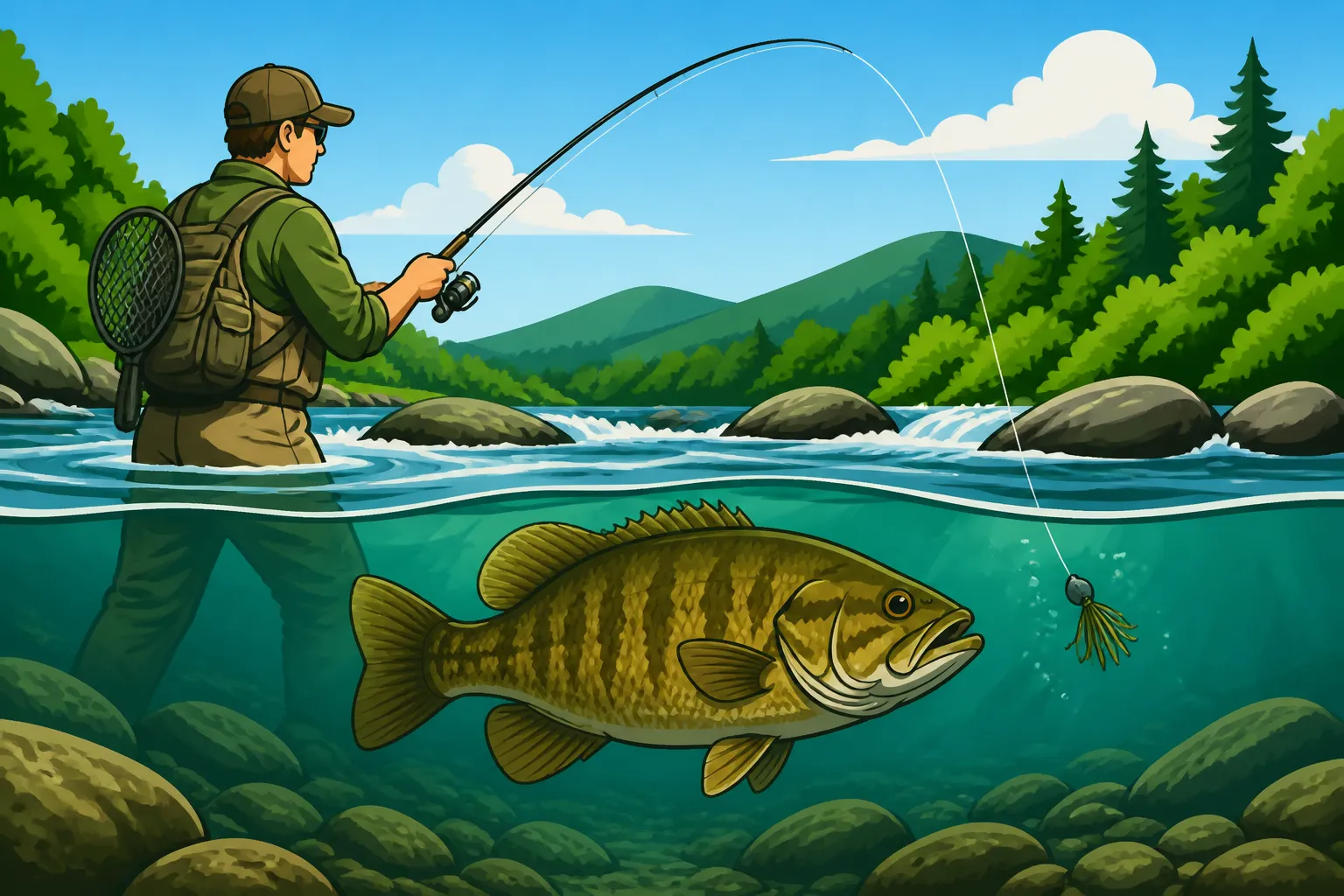
Smallmouth bass, often affectionately called "bronzebacks," are a favorite among river anglers for their feisty nature and acrobatic fights. Unlike their largemouth cousins who prefer weedy, still waters, smallmouth thrive in moving water, making them perfectly suited for Connecticut's numerous rivers and larger streams. Understanding where they live and how they behave throughout the year is your first step to consistent success.
Where Smallmouth Bass Thrive in Connecticut Rivers
Connecticut offers a fantastic array of rivers that hold thriving populations of smallmouth bass. When you're scouting for spots, think about moving water, rocky bottoms, and areas with plenty of current breaks. Smallmouth are ambush predators, and they love to hide out of the main current, waiting for an easy meal to drift by.
One of the premier smallmouth destinations is the mighty Housatonic River. Below the dams, particularly in areas like Kent and Cornwall, you'll find incredible stretches of riffles, runs, and deep pools that are prime smallmouth habitat. The water here is cooler and highly oxygenated, which these fish adore. The "Housy" also boasts a significant population of trout, so you'll often find smallmouth in the same areas, competing for similar forage. Anglers who really want to dial in their approach should check out our Housatonic River Fishing Guide for detailed insights. Beyond the Housatonic, don't overlook stretches of the Connecticut River, especially its tidal sections where freshwater meets brackish influence. While known for its striped bass, the mainstem of the Connecticut River and its larger tributaries like the Farmington River (in its lower, warmer sections away from the immediate trout management areas) can also produce some impressive bronzebacks. Rivers like the Naugatuck also hold good numbers, particularly in the stretches where clean-up efforts have revitalized the ecosystem, providing clear, flowing water that smallmouth prefer. These fish will typically congregate around larger rock formations, submerged logs, current seams, and drop-offs. Anywhere the current provides food but also offers a spot to rest out of the main flow is a good bet.
Smallmouth Behavior and Seasonal Patterns
Smallmouth bass are incredibly attuned to water temperature and flow, and their behavior changes dramatically throughout the seasons. Knowing these patterns will help you predict where they’ll be and what they’ll be willing to eat. It's a bit like playing chess with the fish; you need to anticipate their next move based on the conditions.
In the early spring, as water temperatures begin to climb into the 50s Fahrenheit, smallmouth will start to move out of their deeper wintering holes and into shallower areas, often called staging grounds, to feed heavily before the spawn. They'll be found near rocky banks and protected coves, still somewhat lethargic but actively looking for food. This is often when you can catch some of the biggest fish of the year as they bulk up. During the spawn, which typically occurs when water temperatures are in the mid-60s, male smallmouth will build nests in shallow, gravelly areas, often near submerged logs or large rocks. They become incredibly territorial during this time, aggressively defending their nests. Once the spawn is over, usually by late spring or early summer, the fish scatter and become more active, chasing baitfish in faster currents. As summer progresses and water temperatures rise into the 70s, smallmouth will often seek out cooler, deeper water, or concentrate in highly oxygenated riffles and current breaks, becoming more nocturnal in their feeding habits. Fall sees a resurgence in activity as water temperatures drop back into the 50s and 60s. These fish are preparing for winter, feeding aggressively on anything they can find, often schooling up in deeper pools. Understanding the Smallmouth Bass Habits on the Housatonic can provide excellent generalized insights into these seasonal shifts for all river smallmouth. By winter, they retreat to deep, slow-moving pools, often congregating in large schools and becoming much harder to tempt.
Essential Gear for River Smallmouth Anglers
Having the right tools for the job can make a world of difference when you're wading through currents or casting to tight spots. River fishing for smallmouth isn't just about having a rod; it's about having a setup that allows you to feel subtle bites, make accurate casts, and handle powerful fish in strong currents.
Rods, Reels, and Line Choices
The versatility of river smallmouth fishing often means having a couple of different setups, or at least one highly adaptable one. For most situations, a medium-light to medium power spinning rod, around 6'6" to 7' in length, is a fantastic all-around choice. This rod will offer enough backbone to handle a fighting smallmouth, while still being sensitive enough to detect those light taps. A fast action tip is usually preferred as it allows for quicker hook sets and better feel. Paired with a 2500 or 3000 series spinning reel, you'll have a balanced and capable setup. If you're into baitcasting, a similar power and length rod, perhaps a 7' medium power rod with a fast tip, is excellent for throwing heavier jigs or crankbaits.
When it comes to line, you have a few good options, each with its own advantages. Braided line, typically 10-15 pound test, is a popular choice for its incredible sensitivity and strength-to-diameter ratio. Its lack of stretch means you'll feel every bump and bite, and its strength is invaluable for pulling fish out of snags. However, braid is highly visible, so it's almost always a good idea to tie on a fluorocarbon leader of 6-10 pound test. Fluorocarbon is nearly invisible underwater, has excellent abrasion resistance (crucial around rocks), and offers good sensitivity. Monofilament, while less sensitive and more stretchy than braid or fluoro, can still be a good option for topwater lures or crankbaits where a bit of stretch can help prevent hooks from tearing out. For those just starting out, a good quality spinning combo with 8-pound test fluorocarbon or a braid-to-fluoro setup can be a great entry point, and you can find excellent starter kits and individual components on platforms like Amazon.
Must-Have Lures and Baits
Smallmouth bass are opportunistic feeders, and they respond well to a variety of presentations. Your tackle box for river smallmouth should be diverse, covering different depths, current speeds, and forage profiles. Don't be afraid to experiment, as what works one day might not work the next.
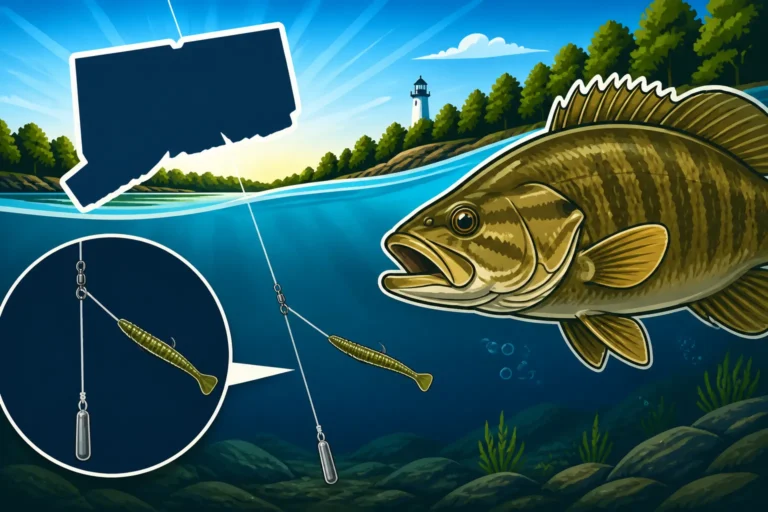
Jigs are arguably the most effective smallmouth lure. Hair jigs, especially in black, brown, or olive, mimic crayfish and baitfish, and can be deadly when bounced along the bottom. Pair them with a soft plastic grub or tube for added bulk and action. Ned rigs, with their mushroom-shaped heads and small stick baits, are fantastic for enticing finicky fish, especially in colder water or highly pressured areas. Soft plastics, such as senkos, swimbaits, and creature baits, rigged on a weighted hook or a jig head, are also incredibly versatile. Chartreuse, pumpkinseed, and green pumpkin are reliable colors. For example, a 3-inch grub on a 1/8 oz jig head drifted through a current seam can be irresistible. Crankbaits come into their own when smallmouth are aggressive and chasing baitfish. Shallow-diving models are great for covering water over rocky flats, while deeper divers can reach those fish holding in deeper pools. Colors like crawfish patterns, shad, or firetiger are excellent starting points. Topwater lures, like poppers and walk-the-dog baits, provide some of the most exciting strikes, especially during low light conditions in summer. Nothing beats watching a smallmouth explode on a surface lure. Finally, if you're open to live bait, crayfish, shiners, or nightcrawlers can be incredibly effective, especially when fished on a simple bottom rig or floated under a bobber. For those looking to stock up on a wide variety of effective lures and baits without breaking the bank, Amazon offers an enormous selection from top brands, allowing you to easily compare and find exactly what you need for your Connecticut river adventures.
| Lure Type | Best Use Case | Ideal Conditions | Key Colors/Patterns |
|---|---|---|---|
| Hair Jigs | Bottom bouncing, imitating crayfish/baitfish | Cooler water, moderate current, rocky bottoms | Black, Brown, Olive, Pumpkinseed |
| Soft Plastic Tubes | Dragging, hopping, imitating crayfish | Varied depths, subtle presentation | Green Pumpkin, Watermelon, Smoke, White |
| Small Swimbaits | Covering water, imitating baitfish | Moderate to fast current, clear water | Shad, Alewife, Pearl, Chartreuse |
| Shallow Crankbaits | Covering rocky flats, aggressive fish | Warmer water, low to moderate current | Crawfish patterns, Shad, Firetiger |
| Topwater Poppers | Surface strikes, active fish | Low light (dawn/dusk), calm water, warmer temps | Frog, Shad, Chrome, Bone |
| Ned Rigs | Finicky fish, slow presentation | Cold water, pressured areas, light current | Green Pumpkin, Black & Blue, White |
Mastering River Smallmouth Fishing Techniques
Fishing a river for smallmouth bass is a dynamic experience. The fish are constantly moving, the current is always changing, and the terrain varies from shallow riffles to deep, swirling pools. To consistently catch these bronzebacks, you need to develop a keen eye for reading the water and a versatile approach to presenting your lures.
Reading the River: Structure and Current
The ability to "read" a river is perhaps the most important skill an aspiring smallmouth angler can develop. Smallmouth bass are almost always associated with some form of current break or structure that allows them to ambush prey while expending minimal energy. Look for the seams where fast water meets slow water, as baitfish will often be swept along the faster current, only to pause in the slower water.
Key structures include rock piles and boulders, which break the current and create eddies where smallmouth can hide. Larger rocks also provide ambush points and thermal cover. Log jams and downed trees are smallmouth magnets, offering both cover and a buffet for insect and baitfish life. Drop-offs and ledges provide access to deeper, cooler water in summer and warmer, shallower water in spring. Don't overlook subtle features like gravel bars, sand transitions, or even distinct changes in bottom composition. Smallmouth will use these areas for spawning, feeding, and resting. Riffles (shallow, fast-moving water) often lead into runs (deeper, smoother flowing water), which then transition into pools (deep, slow-moving sections). Smallmouth can be found in all these areas depending on the time of year and water conditions. In spring, they might stage at the head of a pool or on sunny gravel bars. In summer, they might tuck tight to current breaks in a riffle or descend into the cooler depths of a pool. Learning How to Fish a River for Smallmouth Bass effectively means understanding how these elements combine to create ideal habitat. Pay attention to changes in water color, too; clear water often means sight fishing might be an option, while slightly stained water can provide excellent cover for the fish, making them bolder.
Effective Presentation Strategies
Once you've identified potential smallmouth holding spots, the next step is presenting your lure effectively. This isn't just about casting; it's about making your bait look natural and irresistible in the current. Your casting angles are crucial in a river. Often, casting slightly upstream and allowing your lure to drift naturally downstream, just like a piece of forage, is highly effective. This is called a "drift" or "swing" presentation. As your lure drifts, maintain a slight bow in your line to control the drift and stay in contact with the lure. When fishing jigs or soft plastics, a subtle "drag and hop" along the bottom can mimic a crawfish, a primary food source for river smallmouth.
Retrieve speed needs to match the current and the fish's activity level. In strong currents, a faster retrieve might be necessary to keep your lure moving naturally. In slower water or during colder periods, a slower, more deliberate retrieve is often best. Don't be afraid to experiment with pauses; often, a smallmouth will strike when a lure is momentarily suspended or falling. Wading is a fantastic way to access prime river smallmouth spots. Always prioritize safety: wear a good pair of studded wading boots for traction, use a wading staff for stability, and be aware of deep holes or strong currents. Walk softly and cast ahead, trying not to disturb the water directly above where you expect fish to be. Approaching from downstream and casting upstream can also be advantageous as fish usually face upstream into the current. Remember to always fish with a buddy or let someone know your plans, especially in larger rivers like the Connecticut River.
Kayak and Boat Fishing Considerations
While wading offers a direct connection to the river, a kayak or small boat can unlock access to otherwise unreachable smallmouth honey holes, providing an entirely different perspective on river fishing. This is particularly true for larger rivers or stretches with deep channels or limited bank access.
For kayaks, stability is key. You'll want a fishing-specific kayak that's designed to be paddled or pedaled in current, allowing you to maintain position while casting. Peddle drives, like those found on Hobie or Old Town models, are exceptionally useful for river fishing as they free up your hands for casting and fighting fish, and allow you to hold your position against the current with ease. Positioning your kayak upstream of a promising run or pool and slowly drifting through it, making casts to current seams and structure, is a highly effective tactic. Always be mindful of rapids, strainers (downed trees that can trap a boat), and other hazards, especially if you're not intimately familiar with the river section. A good personal flotation device (PFD) is non-negotiable, and checking river flows before heading out is essential for safety. For those interested in larger vessel considerations, understanding Connecticut Boating Laws for Anglers is vital for safe and legal operation. A small jon boat or shallow-draft skiff with a low-horsepower outboard can also be excellent for navigating larger river stretches, providing more storage for gear and the ability to cover more water efficiently. When using a motor, always be aware of wake zones and environmental regulations.
Seasonal Tactics for Connecticut River Smallmouth
Smallmouth bass are creatures of habit, but their habits are dictated by the calendar and the conditions it brings. Adapting your approach with the changing seasons is key to consistent success. What works in the chilly spring won't necessarily cut it in the dog days of summer.
Springtime Strategies: Post-Spawn Aggression and Pre-Spawn Staging
Spring is a time of awakening for river smallmouth, offering some of the year's best fishing opportunities. As ice melts and water temperatures slowly creep into the 40s and 50s, smallmouth begin to shake off their winter lethargy and move towards shallower, sun-warmed areas. They're often found staging in transition zones, like the deeper ends of pools leading into shallower flats, or around large rocky points that absorb heat. These pre-spawn fish are looking to feed heavily to build energy reserves for spawning.
During this pre-spawn period, slower presentations are often more effective. Jigs, especially those mimicking crayfish like a brown or green pumpkin tube jig or a football head jig, dragged or hopped slowly along the bottom, can be deadly. Suspending jerkbaits are also fantastic for these cooler waters; cast them out, twitch them a few times, and then let them pause for several seconds. The fish are often still sluggish, and that long pause can be what triggers a strike. Once water temperatures hit the mid-60s, the spawn will begin. While many anglers avoid actively targeting bedding fish out of conservation concern, understanding that fish are present in these shallow, protected areas is important. After the spawn, a period of post-spawn aggression can occur, particularly for males who are still guarding fry. These fish are often very defensive and will strike at almost anything that comes near their nest. Moving into late spring, as fish recover, they'll become more active and spread out. This is when you can start incorporating faster retrieves and more varied lure types. Be aware of Connecticut Spring Fishing Day and Opening Day Rules which often dictate activity on trout-stocked rivers that also hold smallmouth.
Summer Challenges: Low Water and Warm Temperatures
Summer fishing for river smallmouth in Connecticut presents its own unique set of challenges. As air temperatures soar and rainfall often diminishes, rivers can experience lower water levels and higher water temperatures. Smallmouth bass, like most fish, become less active and seek refuge from the heat and bright sunlight. This often means they'll move into deeper, cooler pools, or congregate in areas with strong current and high oxygen levels, like the base of rapids or waterfalls.
Targeting summer smallmouth often requires a shift in tactics. Early mornings, late evenings, and even night fishing can be incredibly productive, as the fish are more comfortable and active during these cooler periods. During the day, focus on shaded areas, deep holes, and current breaks. Downsizing your baits can also be effective; smaller jigs, finesse worms, and subtle presentations might entice a strike when larger, more aggressive lures are ignored. Topwater fishing can still be excellent during low light hours, creating thrilling strikes. When fishing in low, clear water, stealth is paramount. Long casts and a quiet approach are necessary to avoid spooking the fish. If you're on a larger river like the Housatonic, remember to check conditions, as some sections might be too warm for ethical catch and release during peak summer. For more general advice on dealing with difficult conditions, our guide on Best Techniques for High Water Spring Conditions (while spring-focused) also touches on adaptable river reading skills that apply to all challenging flows.
Fall Feast: Targeting Feeding Frenzies
Fall is arguably one of the best times of the year to target river smallmouth bass in Connecticut. As the scorching heat of summer gives way to cooler temperatures, and rivers often see a renewed flow from autumn rains, smallmouth go into a full-blown feeding frenzy. They instinctively know winter is coming, and they need to pack on calories. This means they become incredibly active and aggressive, often schooling up and chasing baitfish with relentless abandon.
During the fall, look for smallmouth to congregate in deeper pools, along current seams, and around rocky main river channel breaks. They will often hold in groups, making it possible to catch multiple fish from the same spot if you find a school. Lure choices can be incredibly varied during this period. Crankbaits, especially those with crawfish or baitfish patterns, are excellent for covering water and locating active fish. Jig-and-grub combinations, soft plastic swimbaits, and even larger spinnerbaits can all be highly effective. The key is to present your lure in a way that mimics a frantic baitfish or a foraging crayfish. Medium to fast retrieves are common, but don't be afraid to slow it down if the fish aren't biting aggressively. As water temperatures continue to drop towards winter, fish will move into even deeper, slower sections of the river, requiring a return to more subtle, bottom-oriented presentations. For year-round knowledge, always make sure your Connecticut Fishing License Guide for 2026 is up-to-date.
Advanced Tips and Conservation for Smallmouth Enthusiasts
Moving beyond the basics of gear and location, mastering river smallmouth fishing means becoming adaptable and always thinking about the long-term health of the fishery. These intelligent fish demand respect, both in your approach and in how you handle them.
Adjusting to Water Conditions: Clarity, Flow, and Temperature
River conditions are never static, and successful smallmouth anglers learn to adjust their tactics on the fly. Water clarity, flow rate, and temperature are the three most critical factors to consider, often more so than the specific time of day or moon phase.
Water Clarity: In clear water, smallmouth can be very wary. This calls for lighter lines (6-8 lb fluorocarbon leaders), smaller, more natural-colored lures (greens, browns, clear with flake), and longer casts to avoid spooking fish. Stealth is paramount. Conversely, in stained or muddy water, fish rely more on their lateral line (which detects vibrations) and scent. Here, larger, brighter lures (chartreuse, orange, black and blue) with more vibration (spinnerbaits, rattling crankbaits) and scented soft plastics can be highly effective. You might also want to move closer to the fish, as their visibility is reduced.
Flow Rate: High water often means stronger currents and more debris. Smallmouth will typically move out of the main current and tuck into eddies, behind large rocks, or into flooded shoreline cover. They'll hold tight to structure, so presenting your lure directly into these protected zones is key. Heavier jigs or deeper diving crankbaits might be needed to reach the strike zone. In low water, smallmouth can become concentrated in deeper pools, but they also become very spooky. Long casts, quiet approaches, and precise presentations are critical. Often, they will be tucked under overhanging banks or in the deepest parts of runs.
Temperature: This is arguably the most influential factor. As discussed earlier, colder water (below 50°F) demands slower, deeper presentations like jigs or suspending jerkbaits. As water warms (55-70°F), smallmouth become highly active, and you can employ a wider range of lures, including crankbaits, spinnerbaits, and topwater. During the peak of summer, when water temperatures exceed 75°F, smallmouth can become stressed. Focus on low light hours, deep, cool water, or highly oxygenated riffles. Consider limiting your handling time and using catch and release best practices to minimize stress on the fish. Keeping an eye on water temperature with a simple thermometer is a game-changer. For an excellent overview of all the species you might encounter, be sure to study the Connecticut Fishing Regulations Explained.
Catch and Release Best Practices
River smallmouth bass are a valuable resource, and practicing responsible catch and release ensures healthy populations for future generations of anglers. These fish fight hard, and that exertion can be very taxing, especially in warm water.
When you land a smallmouth, minimize its time out of the water. Have your camera ready for a quick photo, but get that fish back in the water as quickly as possible. Use wet hands to handle the fish; dry hands can remove the protective slime layer, making the fish susceptible to disease. Avoid holding fish by the mouth vertically if they are heavy; this can damage their jaw. Support their belly or hold them horizontally with one hand under the gill plate (but not in the gills) and the other supporting the tail. If a fish is deeply hooked, especially in the gills, it's often better to cut the line as close to the hook as possible rather than trying to remove it, as the hook will often rust out. For single-hook lures, consider using barbless hooks, which make removal much easier and quicker. After releasing, hold the fish gently in the current, facing upstream, until it swims away under its own power. Sometimes a gentle back-and-forth motion can help revive a tired fish. By following these simple guidelines, you're not only being a responsible angler, but you're also helping to sustain the incredible smallmouth fishery that Connecticut rivers like the Housatonic provide. Also, knowing when certain fishing seasons close can aid your conservation efforts, so consult the Connecticut Fishing Season Dates and Closures regularly.
Disclaimer
Please note that fishing regulations in Connecticut can change. Always consult the latest Connecticut Department of Energy and Environmental Protection (DEEP) fishing guide for the most up-to-date rules and regulations before heading out on the water. This article is for informational purposes only and does not supersede official regulations.