Best Fishing Rivers in Connecticut
Connecticut offers an incredible variety of fishing experiences, but sometimes, the sheer number of rivers and their unique regulations can feel overwhelming, making it tough to decide where to even cast your first line. It's a common frustration to want to explore new waters but not know which ones truly live up to the hype or how to tackle them. This comprehensive guide is here to cut through the confusion, highlighting the absolute best fishing rivers in Connecticut and giving you the inside scoop on what to expect, what to catch, and how to make the most of your time on these remarkable waterways.
The Mighty Connecticut River: A Grand Fishery
Spanning the entire length of the state, from Massachusetts to Long Island Sound, the Connecticut River is truly a magnificent waterway and a powerhouse fishery. It's a river of incredible contrasts, offering everything from vast tidal estuaries to serene upstream stretches, and its sheer size means opportunities abound for almost every type of angler and fish species you can imagine. For many, it's the heart of Connecticut's angling scene, a place where legends are made and memories are forged with every cast.
Striper and Shad Hotspot
When we talk about the Connecticut River, it's almost impossible not to immediately think about the spectacular migratory runs that define its seasons. Each spring, the river comes alive with the arrival of American Shad, making their annual pilgrimage upstream to spawn. This is a truly unique fishery, with anglers lining the banks, particularly around the Enfield Dam fishway and various points downstream, eager to hook into these hard-fighting "poor man's salmon." They put up an incredible fight on light tackle, and the sheer number of fish can be astounding. It’s a fast and furious few weeks, usually peaking in May, and if you've never experienced a shad run, you're missing out on a quintessential Connecticut fishing experience. You can learn more about this exciting time in our article on Connecticut River Shad Fishing.
But the action doesn't stop there. As the spring progresses and into the warmer months, the lower tidal reaches of the Connecticut River become a prime hunting ground for striped bass. These powerful predators follow baitfish like alewives and bunker into the river, offering incredible opportunities for both boat and shore anglers. From Old Saybrook up to Essex, and even further upstream depending on the tides and bait presence, you can find striped bass of all sizes. Early mornings and late evenings, or fishing around moving tides, are often the most productive. Anglers often use live bait like eels or bunker, or cast a variety of lures such as soft plastics, topwater plugs, and swimming plugs. The sheer size of the river means there’s always a new nook or cranny to explore, and the challenge of finding those elusive bigger fish keeps many coming back year after year. For specific techniques and prime locations, be sure to check out our guide on Connecticut River Striped Bass Fishing.
Largemouth, Smallmouth, and Pike Opportunities
Beyond the famous migratory species, the Connecticut River boasts an impressive resident population of freshwater game fish. If you're looking for largemouth bass, the numerous coves, oxbows, and backwater areas, especially in the central and southern portions of the river, are absolutely fantastic. These sheltered areas often hold abundant lily pads, submerged timber, and weed lines that provide perfect ambush points for big bucketmouths. Flipping jigs, pitching Texas-rigged worms, or throwing topwater frogs over matted vegetation can lead to some explosive strikes. It’s a totally different game than chasing stripers, offering a more tranquil, yet equally rewarding, experience.
Further upstream, particularly as the river narrows and develops more current, smallmouth bass become a more prevalent target. These bronzebacks love rocky structure, current breaks, and drop-offs. Cranking baits, tubes, or finesse worms are excellent choices for tempting these feisty fighters. The central and northern stretches of the river offer a beautiful backdrop for this type of fishing, often with less boat traffic than the lower tidal areas.
And let's not forget about the northern pike! While not as widely distributed as bass, the Connecticut River, especially around its larger coves and tributaries, is one of the best places in the state to target these toothy giants. Areas with extensive weed beds and slower currents are prime pike territory. They are ambush predators, so throwing large spinnerbaits, spoons, or live bait can elicit some truly thrilling strikes. Just be sure to use a wire leader, because their teeth are no joke! The sheer diversity of fishing on the Connecticut River means you could spend a lifetime exploring its waters and still discover something new.
The Legendary Farmington River: Trout Heaven
If there's one river in Connecticut that consistently draws anglers from across the Northeast, it's the Farmington River. Renowned globally for its exceptional trout fishing, especially its West Branch, this river is a true gem. It's a place where you can find solitude and challenge, and where the pursuit of a wild or holdover trout becomes an almost spiritual experience. The Farmington is a cold-water sanctuary, fed by the deep waters of the Goodwin Dam, ensuring stable temperatures year-round, which is crucial for a thriving trout population.
Trophy Trout Management Areas
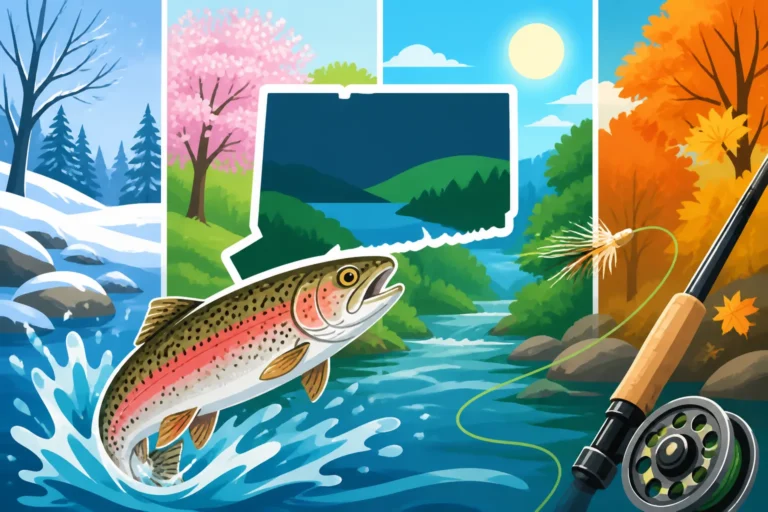
The crown jewel of the Farmington is undoubtedly its Trout Management Area (TMA) on the West Branch, specifically the stretch from Goodwin Dam in Colebrook downstream to the New Hartford/Canton line. This section is managed with a "Trophy Trout" designation, which means special regulations are in place to foster larger, healthier fish. Most of this area is catch-and-release only, or has very restrictive harvest rules, encouraging anglers to practice responsible angling. This stewardship has paid off, creating a fishery where rainbow, brown, and brook trout thrive and grow to impressive sizes. It's not uncommon to hook into fish well over 20 inches here! Fly fishing is king in these sections, with anglers delicately presenting dry flies, nymphs, and streamers to wary trout. The river offers diverse water types, from classic riffles and runs to deep pools and pocket water, providing endless opportunities to hone your skills. Finding access points is relatively easy, with designated parking areas and public easements throughout the Farmington River West Branch Trout Fishing sections. You'll find many passionate anglers here, but the river is large enough that you can often find your own stretch of water. It's important to be familiar with all the specific regulations, as they can vary by section, but a quick read of the Connecticut Farmington River Trophy Trout Stream Rules will set you straight.
Lower Farmington's Diverse Fishery
While the West Branch often steals the spotlight, the lower sections of the Farmington River, from the New Hartford/Canton line downstream, offer a different, yet equally rewarding, fishing experience. These stretches are frequently stocked by the Connecticut Department of Energy and Environmental Protection (DEEP), making them fantastic options, especially for those who prefer spin fishing or bait fishing. The stocking programs ensure a steady supply of trout, particularly in the spring and fall, providing excellent opportunities for anglers of all skill levels. You'll find a mix of rainbows and browns, and while the "trophy" designation isn't here, healthy and eager trout are abundant.
Beyond trout, the lower Farmington also supports a robust warmwater fishery. As the water warms in the summer, or in areas with slower current and more structure, you can find smallmouth bass, largemouth bass, and various panfish. These species offer a fun alternative when trout activity slows down, or if you simply prefer targeting them. The access points along the lower Farmington are often easier to reach, making it a great choice for a family outing or a quick trip after work. It’s a testament to the Farmington’s versatility that it can cater to both the dedicated fly angler seeking a challenge and the casual angler looking for a relaxing day with consistent action.
The Productive Housatonic River: Diverse Opportunities
Another jewel in Connecticut's river fishing crown is the Housatonic River, particularly its stretches in the western part of the state. Known affectionately by many as the "Housy," this river offers a remarkable blend of superb smallmouth bass fishing and an outstanding, year-round trout fishery, making it a truly unique destination. The sheer variety of species and the stunning natural beauty of the Litchfield Hills surrounding it make it a must-visit for any serious angler.
Smallmouth Bass Paradise
For many, the Housatonic River means one thing: smallmouth bass. This river is consistently ranked as one of the best smallmouth bass fisheries in the entire Northeast. From the town of Kent all the way downstream to Derby, the river provides ideal habitat for these aggressive fighters. Think rocky runs, deep pools, current seams, and submerged timber – all the things smallmouth love. Anglers can expect to catch good numbers of fish, often with the chance of a true trophy bronzeback.
Techniques vary depending on the season and water levels, but tubes, jigs, crankbaits, and topwater lures are all incredibly effective. Kayak and canoe anglers particularly love the Housatonic, as it allows access to many prime, less-pressured stretches. Floating downstream, casting to structure, and feeling that sharp tug of a smallmouth is an unforgettable experience. The best time to target these fish is generally from late spring through early fall, but even in cooler months, if you know where to look and what to throw, you can find success. For a deep dive into tactics and locations, be sure to check out our guide on Smallmouth Bass Fishing in Connecticut. You'll find a community of passionate smallmouth anglers who cherish this river for its consistent action and the quality of its fish.
Trophy Trout Sections and Tailwater Fishery
Beyond its smallmouth fame, the Housatonic River is also home to a fantastic trout fishery, particularly in its colder tailwater sections below Falls Village Dam. This stretch, often referred to as the Housatonic River Trout Management Area (TMA), is a year-round thermal refuge, meaning the water stays cool enough for trout even during the hottest summer months. This makes it a critical haven for holdover brown and rainbow trout, and it's also regularly stocked. The ability to fish for trout 12 months a year is a huge draw, especially for fly anglers looking for winter or summer opportunities when other streams might be too warm or frozen.
The TMA, roughly from the dam downstream to the covered bridge in Cornwall, is often managed with specific regulations to protect these fish, including catch-and-release stretches or size limits. You’ll find diverse habitats, from fast-flowing rapids to slower, deeper pools, all holding impressive trout. Like the Farmington, nymphing, streamers, and dry flies are popular choices, but spin anglers can also find success with small spinners and jigs. It’s important to note that certain sections of the Housatonic, particularly from Bulls Bridge downstream to the confluence of the Ten Mile River, are subject to a Connecticut Housatonic River Seasonal Closure Explained during the peak summer months due to warmer water temperatures and low oxygen levels, which can be detrimental to trout. Always check the latest DEEP regulations before heading out to ensure you're fishing legally and responsibly. Despite this, the open sections of the Housatonic River Trout Management Area Fishing provide some of the most consistent trout action in the state.
Eastern Connecticut's Hidden Gems: Shetucket and Willimantic Rivers
While the Connecticut, Farmington, and Housatonic often grab the headlines, eastern Connecticut holds its own fantastic river fishing opportunities. The Shetucket and Willimantic Rivers, along with their tributaries, are cornerstones of the eastern fishing scene, offering both popular stocked trout fishing and quieter warmwater pursuits. These rivers might not have the same "trophy trout" allure as the Farmington, but they provide consistent action and beautiful scenery, often with fewer crowds.
Spring Trout Stocking Extravaganza
The Shetucket and Willimantic Rivers are celebrated for their extensive spring trout stocking programs. Each year, the Connecticut DEEP pours thousands of rainbow, brown, and brook trout into these waters, making them incredibly popular destinations, especially during trout opening day and the weeks that follow. These rivers are easily accessible, with numerous public access points, bridges, and state park properties making it simple for anglers of all ages and abilities to get on the water.
The Shetucket River, running from the confluence of the Willimantic and Natchaug Rivers near Windham downstream towards Norwich, offers a mix of faster runs and slower pools. Popular spots include the sections around Scotland and Sprague, where deep pools and accessible banks provide excellent fishing. Similarly, the Willimantic River, flowing through Mansfield, Coventry, and Windham, boasts many prime stretches for stocked trout. Anglers frequently use traditional baits like worms, power bait, or corn, as well as small spinners and spoons. The energy on these rivers during the spring is palpable, a true community event that signals the arrival of warmer weather. You can find more specific access details and fishing tips in our guides on Shetucket River Fishing Spots and Willimantic River Fishing Guide. It's a fantastic time for families and new anglers to experience the joy of catching trout.
Warmwater Species and Less Pressure
As the trout season progresses and the waters warm, the Shetucket and Willimantic Rivers transition into excellent warmwater fisheries. While trout fishing slows, opportunities for other species really pick up. You'll find healthy populations of largemouth and smallmouth bass, especially in the slower, deeper pools and around submerged structures. Chain pickerel are also abundant, offering exciting, toothy fights, particularly in areas with more vegetation. Panfish like sunfish and crappie provide steady action, making these rivers perfect for a leisurely afternoon of fishing with light tackle.
One of the distinct advantages of these eastern rivers, compared to their more famous western counterparts, is often less fishing pressure. While opening day can be busy, during much of the rest of the year, especially on weekdays, you can find stretches where you feel like you have the river all to yourself. This offers a more peaceful and contemplative angling experience. The scenic beauty, with lush riverbanks and often historic stone bridges, adds to the charm. Whether you're chasing bass with spinnerbaits or simply enjoying the quiet pursuit of panfish with a bobber and a worm, the Shetucket and Willimantic Rivers offer a welcoming and productive environment for river anglers in Connecticut.
Smaller, Secluded Trout Streams: For the Adventurous Angler
Beyond the big names, Connecticut is crisscrossed with countless smaller streams and brooks, many of which offer fantastic, albeit often more challenging, fishing opportunities. These are the places where you can truly escape the crowds, hike into pristine wilderness, and connect with nature on a deeper level. For those willing to put in a little effort, these secluded waterways can yield incredible rewards, including native brook trout.
Wild Trout Sanctuaries
Connecticut still boasts pockets of untouched wilderness where native brook trout ( Salvelinus fontinalis ) thrive in their natural habitat. These are typically smaller, colder headwater streams, often nestled deep within state forests and wildlife management areas, maintaining consistent, pristine conditions. Unlike their stocked brethren, these wild brook trout are often smaller, but their vibrant colors and the sheer satisfaction of catching a truly wild fish in a remote setting are unparalleled. They are notoriously wary, requiring a stealthy approach and delicate presentations, making fly fishing with small dry flies or nymphs the preferred method.
Finding these wild trout sanctuaries often involves a bit of research and a willingness to hike, but the solitude and beauty of these places are their own reward. Streams flowing through areas like Pachaug State Forest, Cockaponset State Forest, or the rugged sections of Macedonia Brook State Park can hold these precious gems. It's a different kind of fishing, one focused less on numbers and more on the experience and the reverence for these beautiful native fish. Conservation is paramount here; careful catch-and-release practices are essential to protect these fragile populations. Learning about Brook Trout: Connecticut's Native Trout will give you a deeper appreciation for their importance. The Connecticut DEEP does an excellent job identifying and regulating these sensitive waters, so be sure to consult the Connecticut wild trout waters regulations to ensure you're fishing responsibly.
Stocked Feeder Streams and Hidden Pockets
Even if you’re not specifically targeting wild brook trout, many of Connecticut's smaller feeder streams and tributaries to larger rivers are regularly stocked and can provide fantastic fishing opportunities. These are often overlooked by anglers flocking to the main rivers, offering a chance for solitude and a relaxed fishing experience. These streams might not hold "trophy" sized fish, but they are perfect for catching eager stockies, especially in the spring.
Think of streams like the Salmon River, the Naugatuck River, or even smaller brooks like the Pomperaug River. While some sections are popular, many hidden pockets and less-traveled stretches can be highly productive. Anglers using light spin tackle with small lures or bait, or fly fishers with smaller outfits, can explore these waters effectively. The beauty of these smaller waters is their intimacy; you’re often casting into tight pockets, around fallen logs, or through canopy-covered runs. It’s a great way to explore different parts of the state and discover new favorite spots. Sometimes, the best fishing isn't where everyone else is, but rather in those quiet, overlooked corners of the map. To find these spots, consulting the Connecticut DEEP's interactive stocking maps can be a huge help in planning your adventure, pinpointing those less-obvious stocking points.
Navigating Regulations and Access on Connecticut's Rivers
Getting out on Connecticut's fantastic rivers means understanding a few critical things: the rules of the game and where you can actually get on the water. It can feel like a maze sometimes, especially with different regulations for various sections or species. But don't worry, once you get the hang of it, it's pretty straightforward, and knowing these details will make your fishing trips much more enjoyable and hassle-free.
Understanding License Requirements and Special Rules
First things first: you absolutely need a fishing license to fish in Connecticut if you're 16 years or older. This is non-negotiable, and failing to have one can lead to fines. The good news is that getting a license is relatively easy. Connecticut offers various license types depending on whether you're a resident or non-resident, and whether you plan to fish inland waters, marine waters, or all waters. For river fishing, you'll most likely need an Inland or an All-Waters license. Detailed information can be found in our comprehensive Connecticut Fishing License Guide for 2026.
Beyond the basic license, many of Connecticut's rivers, especially those renowned for trout, have specific regulations. These often pertain to catch limits, length restrictions, and even specific tackle types (e.g., artificial lures only, fly-fishing only). For instance, the Trophy Trout Management Areas on the Farmington and Housatonic Rivers have very strict catch-and-release policies or specific slot limits to protect larger fish. Additionally, if you plan to target trout and salmon, you'll need to purchase a Connecticut Trout and Salmon Stamp, Explained in addition to your regular fishing license. It's crucial to always consult the current Connecticut Angler's Guide, published annually by the DEEP, before heading out. This guide, which you can usually pick up at tackle shops or download online, is your bible for all things regulation-related. It details everything from specific river closures, like those on the Housatonic, to bait restrictions in certain areas. Understanding these rules is not just about avoiding a ticket; it's about being a responsible angler and contributing to the health of our fisheries. For a broader overview, take a look at our Connecticut Fishing Regulations Explained article.
Public Access Points and Parking
Once you have your license and understand the rules, the next step is figuring out where to actually get to the water. Thankfully, Connecticut has a robust system of public access points, boat launches, and state-managed fishing areas along its major rivers. These can range from developed boat ramps with ample parking to small, unimproved pull-offs that lead to a footpath.
For larger rivers like the Connecticut River, you'll find numerous state boat launches that can accommodate trailered boats, such as those in East Haddam, Haddam Meadows, and Salmon River Cove. Many state parks and forests also provide river access. For instance, Hurd State Park along the Connecticut River offers excellent shore fishing opportunities, and several state parks along the Farmington River provide direct access for wading or bank fishing. The DEEP website is an invaluable resource, offering maps and lists of public access areas, including specific details on parking availability and amenities. Local tackle shops are also treasure troves of information, often able to point you to lesser-known, productive spots with good access. If you're looking for a guided trip to explore new waters without the hassle of figuring out access yourself, platforms like FishingBooker can connect you with experienced local guides who know all the prime spots and how to get there legally and safely. They take care of all the logistics, from boat access to gear, making your trip seamless.
| River Name | Primary Target Species | Best Fishing Seasons | Key Features & Notes | Typical Access Methods |
|---|---|---|---|---|
| Connecticut River | Striped Bass, Shad, Largemouth/Smallmouth Bass, Pike | Spring (Shad), Spring/Fall (Stripers), All Year (Bass, Pike) | Tidal influence, vast, diverse habitat, migratory runs | Boat launches, shore access in parks |
| Farmington River | Trout (Rainbow, Brown, Brook) | Year-round (TMA), Spring/Fall (Stocked) | World-class coldwater trout fishery, Trophy TMA | Wading, designated parking, public easements |
| Housatonic River | Smallmouth Bass, Trout (Brown, Rainbow) | Spring/Summer/Fall (Smallmouth), Year-round (Trout TMA) | Diverse warm/coldwater, scenic, challenging wading | Wading, kayak/canoe launches, limited boat ramps |
| Shetucket River | Stocked Trout, Largemouth Bass, Pickerel, Panfish | Spring (Trout), Summer/Fall (Warmwater) | Heavily stocked, family-friendly, moderate flow | Shore access, bridges, parks |
| Willimantic River | Stocked Trout, Largemouth Bass, Pickerel, Panfish | Spring (Trout), Summer/Fall (Warmwater) | Similar to Shetucket, good accessibility, less pressure | Shore access, bridges, parks |
| Smaller Streams | Wild Brook Trout, Stocked Trout | Spring/Fall (Stocked), Year-round (Wild – careful) | Secluded, pristine, requires hiking, delicate approach | Hiking trails, unimproved pull-offs |
Seasonal Strategies for River Fishing in Connecticut
Connecticut's rivers transform with the seasons, and understanding these changes is key to consistent fishing success. What works in April might be a complete bust in August. Being adaptable and knowing what species are active and where to find them at different times of the year will significantly increase your catch rate and enjoyment.
Spring Runoff and Opening Day Frenzy
Spring in Connecticut rivers is an electrifying time for anglers. As snow melts and rain falls, rivers often swell with runoff, bringing fresh, cold water. This influx signals the start of several major fishing events. The most anticipated is undoubtedly the trout opener, usually the second Saturday in April, when countless anglers descend upon stocked rivers like the Farmington, Shetucket, and Willimantic. Thousands of hatchery trout are released, and the fishing can be fast and furious. Traditional baits like worms, PowerBait, and corn are incredibly effective, as are small spinners and spoons. It's a time for high spirits, shared stories, and often, full creels. For specific tactics, our guide on Spring Trout Fishing Techniques for Connecticut Streams offers plenty of advice.
Concurrent with the trout opener, or shortly after, is the spectacular American Shad run on the Connecticut River. These strong, silvery fish provide incredible action as they push upstream to spawn. Dart jigs, small spoons, and flies are the go-to offerings. It's a truly unique, short-lived fishery that offers unparalleled fighting excitement on light tackle. Also, as water temperatures slowly begin to rise, resident species like smallmouth and largemouth bass start to become more active, moving out of their winter haunts and beginning their pre-spawn feeding frenzies. Targeting current breaks and warmer, shallower coves on rivers like the Housatonic and Connecticut can be very productive with crankbaits or jigs.
Summer Heat and Low Water Challenges
Summer fishing on Connecticut rivers presents its own set of challenges and rewards. As the heat sets in and water levels often drop, many trout streams become too warm for healthy trout activity. This is when the Housatonic River's thermal refuge sections really shine, offering year-round trout fishing where water temperatures remain stable. For other trout waters, anglers often switch to early morning or late evening missions, or seek out shaded, oxygenated plunge pools and tributary mouths. Catch and release becomes even more critical in warmer water to minimize stress on the fish.
For most other rivers, summer is prime time for warmwater species. Smallmouth bass on the Housatonic are highly active, feeding aggressively on crayfish and baitfish. Topwater lures at dawn and dusk can be incredibly exciting, while tubes and jigs work well during the day in deeper pools or around current breaks. Largemouth bass in the backwaters and coves of the Connecticut River can be found hiding in dense vegetation, requiring weedless presentations like frogs or Texas-rigged plastics. Panfish, like bluegill and crappie, are abundant and provide excellent light tackle fun for anglers of all ages. Summer can also bring some fantastic evening striped bass action on the lower Connecticut River, as these fish feed under the cover of darkness. Don't be afraid to try some night fishing; it's a completely different experience with often bigger rewards.
Fall Runs and Winter Opportunities
As the leaves change and temperatures cool, Connecticut rivers usher in another phenomenal fishing season. Fall brings renewed life to trout streams, with cooling waters invigorating holdover fish and triggering aggressive feeding before winter. The DEEP often conducts fall trout stockings, replenishing many rivers and providing another burst of action. This is a favorite time for many fly anglers, as fish become more active and less pressured than in the spring.
On the larger rivers like the Connecticut and Housatonic, fall is exceptional for both smallmouth and largemouth bass, which feed heavily to bulk up for winter. Crankbaits, jerkbaits, and soft plastics can be deadly. The Connecticut River also sees a significant fall run of striped bass, as they migrate south, offering incredible opportunities, especially in the tidal lower sections. This is a fantastic time for boat anglers to troll or cast to blitzing schools of stripers.
Winter fishing, while requiring a bit more fortitude, still offers unique opportunities. The thermal refuges of the Housatonic and Farmington Rivers provide some of the best winter trout fishing in the Northeast, often seeing anglers targeting larger holdover fish with nymphs and streamers, or even imitating smelt. On other rivers, ice fishing can be popular in quieter backwaters and coves of the Connecticut River if conditions allow, targeting pike, bass, and panfish. Always prioritize safety and check ice thickness before venturing out. Regardless of the season, Connecticut's rivers always have something to offer the prepared and persistent angler.
Planning Your River Fishing Adventure
Getting ready for a day on Connecticut's rivers is about more than just grabbing a rod and heading out. A little preparation can make all the difference, ensuring you have a safe, enjoyable, and successful trip. From checking the conditions to knowing who to call, these steps are crucial for a great outing.
Checking River Conditions and Water Levels
Rivers are dynamic environments, and their conditions can change rapidly, impacting both safety and fishing success. Before you head out, always check current weather forecasts. Rain can quickly swell rivers, creating dangerous currents and high, muddy water, which might make fishing impossible or unproductive. On the flip side, prolonged dry spells can lead to very low, clear water, making fish extremely wary and requiring a much more stealthy approach.
Water levels are critically important. The U.S. Geological Survey (USGS) operates stream gauges on many major Connecticut rivers, providing real-time data on flow rates (cfs – cubic feet per second) and gauge height. These resources are invaluable, especially for rivers like the Farmington and Housatonic, where optimal fishing conditions often fall within a specific flow range. For instance, a fly angler wading the Farmington might find flows over 500 cfs too high to safely or effectively wade. Checking these gauges can save you a wasted trip. Local tackle shops are also excellent sources of up-to-date information on river conditions, often having daily reports from anglers. They can tell you if the water is high and muddy, or low and clear, and recommend the best spots for the current conditions.
Essential Gear and Local Insight
The gear you bring will depend heavily on the river you're fishing and the species you're targeting. For trout on the Farmington, a lighter spin rod (5-6ft ultralight) or a fly rod (3-5 weight) is ideal, paired with appropriate lines, leaders, and a selection of small lures, nymphs, or dry flies. For bass on the Housatonic or Connecticut River, a medium-action spinning or baitcasting outfit with heavier line is more suitable for throwing larger lures. Don't forget essentials like waders (if wading), a landing net, pliers for hook removal, sunscreen, insect repellent, a first-aid kit, and plenty of water and snacks.
One of the best ways to gain local insight, especially if you're new to a river or trying a new technique, is to connect with local experts. This could be striking up a conversation at a tackle shop, joining online fishing forums dedicated to Connecticut, or, for the most comprehensive experience, hiring a fishing guide. A local guide knows the river intimately: where the fish are holding, what they're biting on, and the safest and most productive access points. Websites like FishingBooker are a fantastic resource for finding and booking experienced fishing guides in Connecticut. You can browse different guides, read reviews, and find someone who specializes in the river or species you're most interested in, whether it's fly fishing for trophy trout on the Farmington or chasing smallmouth on the Housatonic. This can drastically cut down on your learning curve and maximize your enjoyment, especially if your time on the water is limited. They provide not just expertise but often all the necessary gear, bait, and local knowledge, ensuring a truly memorable river fishing adventure.
Disclaimer
Fishing involves inherent risks, and conditions can change rapidly. Always exercise caution, wear appropriate safety gear (like life jackets for boating or wading), and be aware of your surroundings. Regulations are subject to change, so always consult the latest Connecticut DEEP fishing guide before your trip. This guide is for informational purposes only and does not constitute professional advice.