Naugatuck River trout fishing spots
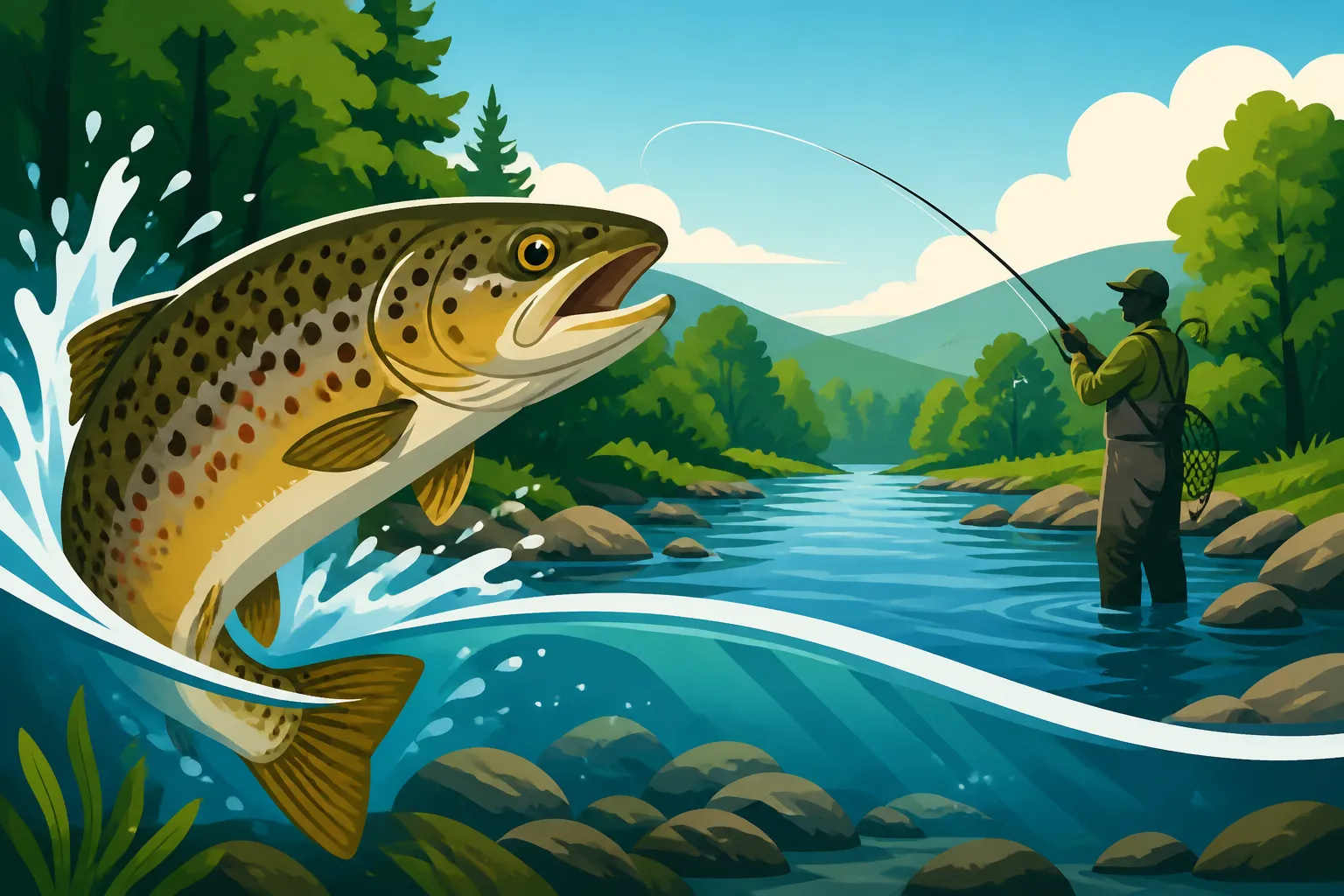
Trying to figure out the best trout fishing spots on the Naugatuck River can feel like a real puzzle, especially when you consider its long history of industrial changes. It's easy to get discouraged, wondering if there are even good, accessible places left to cast a line. But don't you worry, this guide is here to untangle that for you, highlighting key public access points, offering practical fishing tips, and helping you navigate the river's unique character for a truly rewarding trout fishing experience.
Understanding the Naugatuck River Fishery
The Naugatuck River, flowing from Torrington down to Derby where it meets the Housatonic, has an incredible comeback story. For decades, it was heavily impacted by industrial pollution, a stark reflection of the manufacturing boom in the Naugatuck Valley. Fish populations dwindled, and many thought it was beyond saving. But thanks to dedicated environmental efforts, improved wastewater treatment, and active stocking programs by the Connecticut Department of Energy and Environmental Protection (CT DEEP), the Naugatuck has transformed into a vibrant fishery, particularly for trout. It's truly a testament to what conservation can achieve, and it's something every angler should appreciate when fishing these waters.
From Industrial Wasteland to Thriving Fishery
It's hard to imagine now, but not that long ago, sections of the Naugatuck River were essentially devoid of life. The legacy of factories like those in Waterbury and Naugatuck meant the river carried a heavy burden of pollution, making it inhospitable for many fish species. The turnaround has been slow and steady, requiring significant investment in cleanup projects and a shift in industrial practices. Today, when you stand by its banks, you see a river that has fought its way back, flowing clearer and supporting diverse aquatic life.
This environmental rehabilitation has directly benefited the fishing community. What was once considered a dead zone is now a destination for anglers seeking trout, smallmouth bass, and other species. The river's recovery is an ongoing story, and it's a powerful reminder of our responsibility to protect these natural resources for future generations. It makes catching a fish here even more special, knowing the journey this water has been on.
Trout Stocking and Management Efforts
The backbone of the Naugatuck River's trout fishery is the robust stocking program carried out by the CT DEEP. Each year, thousands of trout – primarily Rainbow Trout, with a good number of Brown Trout and Brook Trout – are released into various sections of the river, from the cooler upper reaches to some of the wider, more accessible middle sections. This consistent stocking ensures that there are always plenty of fish for anglers to target, especially during the spring and fall seasons. You can always check the CT DEEP's interactive trout stocking map to see exactly when and where fish have been released, which is a fantastic resource for planning your trips.
Beyond simple stocking, the DEEP also designates specific sections of the Naugatuck as Trout Management Areas (TMAs) or Wild Trout Management Areas (WTMAs). These areas often have special regulations, such as catch-and-release only or specific gear restrictions, designed to protect trout populations and enhance the angling experience. For example, some stretches might be fly-fishing-only, offering a quieter, more challenging experience. Understanding these designations and their associated rules is crucial for responsible fishing and maximizing your success. Make sure to consult the most current Connecticut Fishing Regulations Explained for any area you plan to fish.
Other Fish Species You Might Encounter
While trout are certainly the star of the show on the Naugatuck, especially in the cooler months and after stockings, they're not the only fish swimming in these waters. As the river flows south and warms a bit, or even in deeper, slower pools upstream, you'll find a healthy population of Smallmouth Bass. These feisty fighters provide excellent sport, particularly during the summer when trout fishing can slow down due to warmer water temperatures.
You might also hook into Chain Pickerel in some of the slower, weedy backwaters, and various panfish like sunfish and yellow perch are common, making for a great multi-species day on the water. Even though this guide focuses on trout, don't be surprised if other species make an appearance, adding to the excitement of fishing the Naugatuck. It's a truly diverse river, and that's part of its charm.
Key Public Access Points for Trout Fishing
One of the great things about the Naugatuck River is its accessibility, with numerous public access points spread along its course. However, knowing where to go can make all the difference. The character of the river changes quite a bit from its headwaters in Torrington down to its confluence with the Housatonic River in Derby. From tight, fast-flowing stretches to wider, more meandering sections, each area offers a different experience and holds trout in slightly different ways.
Upper Naugatuck River The Torrington/Harwinton Stretch
The upper section of the Naugatuck River, particularly around Torrington and into Harwinton, is often a favorite among trout anglers. Here, the river is generally narrower, faster, and cooler, making it ideal trout habitat. You'll find numerous pull-offs along Route 8, which runs parallel to much of this stretch, providing convenient access points. Keep an eye out for designated fishing access signs.
A popular spot is the area near Stillwater Pond Dam and downstream. This section often holds stocked fish, and the riffles and runs provide excellent cover. Further north, closer to the actual headwaters, the river can be smaller, more intimate, and more challenging to fish, but it often rewards persistent anglers with beautiful, feisty trout. Be mindful of private property, and always ensure you're accessing the river legally.
Middle Naugatuck River Thomaston to Waterbury
As the Naugatuck River flows south through towns like Thomaston, Waterbury, and Naugatuck, it generally widens and can experience slightly warmer temperatures, especially in summer. However, this doesn't mean the trout fishing is poor; it just means you might need to adjust your tactics. This stretch benefits heavily from stocking, especially in accessible areas like Leavitt Street Park in Waterbury or spots near Black Rock State Park in Watertown, which is technically on the Naugatuck River's main branch or its tributaries.
The section through Thomaston, particularly around Naugatuck State Forest lands, offers some fantastic opportunities. There are often parking areas right off Route 8 or nearby local roads that lead to well-worn paths down to the water. These areas can see a lot of pressure, especially right after stocking, but savvy anglers can find productive water by walking a bit further from the main access points. When planning a trip, consider using a resource like FishingBooker to scout out local guides who can show you lesser-known spots in these busy sections.
Lower Naugatuck River Seymour and Derby
The lower Naugatuck River, flowing through towns like Seymour and eventually meeting the Housatonic River in Derby, becomes even wider and slower in many sections. While it still receives trout stockings, especially in the spring, the warmer water temperatures and increased tidal influence closer to the Housatonic mean that trout tend to be more spread out, and smallmouth bass become more prevalent.
However, there are still excellent opportunities, particularly in the cooler months or when targeting recently stocked fish. Access points might be found in local parks or near bridges. The confluence with the Housatonic is a significant area, creating a diverse fishery where you could potentially encounter both freshwater and anadromous species. While the focus here is trout, understanding this broader ecosystem helps when considering where to fish.
Here's a quick overview of some notable public access areas along the Naugatuck River:
| River Section | Town/Area | Notable Access Points & Features | Primary Trout Species | Key Considerations |
|---|---|---|---|---|
| Upper Naugatuck | Torrington | Stillwater Pond Dam, Route 8 pull-offs, designated DEEP access | Rainbow, Brown, Brook | Cooler water, faster current, good after stocking |
| Upper Naugatuck | Harwinton | Route 8 pull-offs, more intimate, good for wading | Rainbow, Brown | Less crowded, challenging, but rewarding |
| Middle Naugatuck | Thomaston | Naugatuck State Forest access, Black Rock State Park (nearby branches) | Rainbow, Brown | Wider river, moderate current, popular after stocking |
| Middle Naugatuck | Waterbury | Leavitt Street Park, public park access, urban sections | Rainbow | Can be crowded, good access for families |
| Lower Naugatuck | Seymour/Derby | Local parks, bridge access points, closer to Housatonic confluence | Rainbow, Brown | Warmer water, more diverse species, best in cooler months |
Note: Always verify current regulations and access conditions before heading out.
Tactics and Tips for Naugatuck Trout
Fishing the Naugatuck River for trout can be incredibly rewarding, but like any river system, it has its quirks. Whether you're a seasoned fly angler or prefer spin fishing, adapting your approach to the specific conditions of the Naugatuck will greatly improve your chances of success. It's not just about showing up; it's about understanding the river.
Gear and Bait Recommendations
For spin fishermen, a light to ultralight spinning rod (5'6" to 6'6") paired with a small reel spooled with 4-6 lb test monofilament or fluorocarbon is perfect. This setup allows for accurate casting of smaller lures and provides excellent feel for subtle bites. Popular artificial baits include small inline spinners (like Mepps Aglias or Panther Martins in sizes 0-2), small spoons (such as Phoebe or Kastmaster), and trout magnets or small soft plastics rigged on jig heads. Natural baits like worms (nightcrawlers or mealworms), corn, or PowerBait are also highly effective, especially for recently stocked fish. A simple bottom rig with a small hook and split shot, or a float rig, works wonders with natural bait.
Fly anglers will typically use a 3-5 weight fly rod, 7'6" to 9' long, with a floating line. Leaders of 7.5 to 9 feet tapered down to 4X-6X are generally suitable. In the spring and early summer, standard nymph patterns like Pheasant Tails, Hare's Ears, and Prince Nymphs are excellent choices, especially when fished under an indicator. During warmer months, don't shy away from terrestrial patterns like Ant or Beetle imitations, or small Stimulators if you see fish rising. Streamers, such as Woolly Buggers (olive, black, or brown), can be deadly for larger, more aggressive trout, especially in faster runs or deeper pools. For those looking to dive deeper into techniques, check out Fly Fishing for Trout in Connecticut.
Reading the Water for Trout
Understanding where trout hold in a river is perhaps the most crucial skill an angler can develop. On the Naugatuck, trout will seek out areas that offer three things: cover, food, and a break from the current. Look for deep pools where fish can escape predators and strong flows, especially at the tail end of a pool where the current slows down. Riffles and runs, the faster, shallower sections, are often productive as they oxygenate the water and dislodge insects, providing a conveyor belt of food. Fish will often hold in the seams where faster water meets slower water, conserving energy while waiting for food to drift by.
Structure is also key. Submerged rocks, fallen trees, undercut banks, and even bridge abutments all provide excellent cover. Cast your offerings upstream of these areas and allow them to drift naturally into the holding lies. Pay attention to water clarity; in clearer water, long leaders and subtle presentations are often required. If the water is a bit stained, bolder colors and slightly larger presentations might draw more attention. Remember, trout are often closer than you think, so approach the water quietly and cautiously.
Ethical Angling Practices
With the Naugatuck River's incredible recovery and the dedicated efforts of the CT DEEP, it's more important than ever to practice responsible angling. If you're planning to keep fish, make sure you know the current Connecticut Trout Limit and Possession Rules and have your Connecticut Fishing License Guide for 2026 in order. If you're primarily a catch-and-release angler, consider using barbless hooks, minimizing the time the fish is out of water, and handling them gently with wet hands. This helps ensure the fish have the best chance of survival.
Additionally, always pack out everything you pack in, including fishing line, bait containers, and any other trash. Respect private property and local access rules. A strong relationship between anglers and landowners or local communities is vital for maintaining access to these beautiful waterways. Leaving no trace ensures that everyone can continue to enjoy the Naugatuck River for years to come.
Seasonal Considerations and Regulations
The Naugatuck River offers year-round fishing opportunities, but the experience and the tactics you'll employ will change dramatically with the seasons. Understanding these shifts and staying up-to-date on regulations is essential for a successful and legal fishing trip.
Spring Fishing Frenzy
Spring is undeniably prime time for trout fishing on the Naugatuck. The river is cool, often running a bit higher from snowmelt and spring rains, and the CT DEEP conducts its most extensive stockings during this period, including the much-anticipated Connecticut trout season opening day for 2026. The excitement around opening day is palpable, and many anglers hit the water, especially in the heavily stocked sections. Fish are actively feeding after the long winter, and a variety of baits and lures can be incredibly effective.
However, be prepared for crowds, especially on weekends immediately following stockings. If you prefer a quieter experience, consider fishing during weekdays or exploring less accessible stretches of the river. Post-stocking, fish can be eager to bite, but they can also become wary quickly if they've been caught and released multiple times. Check out How to catch trout right after stocking in Connecticut for some expert tips on this specific scenario. The key in spring is often to move around, cover water, and pay attention to recent stocking reports.
Summer Challenges and Holdovers
As summer progresses, the Naugatuck River's water temperatures can rise, particularly in the wider, slower sections further south. This is where trout fishing becomes more challenging. Trout are cold-water species, and warm water stresses them significantly. During peak summer, particularly through July and August, it's often best to target trout in the early morning or late evening when water temperatures are at their coolest, or focus on the cooler, oxygenated upper stretches of the river. You might also find holdover trout – fish that have survived from previous stockings – seeking refuge in deep pools, around springs, or in the faster, highly aerated riffles.
This is also an excellent time to target smallmouth bass, which thrive in warmer water. If you're determined to catch trout, consider switching to lighter lines and more subtle presentations. Fishing smaller nymphs or dry flies in the early mornings can be effective. If water temperatures reach into the high 60s or 70s Fahrenheit, it's generally best to give the trout a break and switch to other species to avoid undue stress, as outlined in What water temperature trout need to survive.
Fall Fishing Opportunities
Fall brings a welcome return to excellent trout fishing on the Naugatuck. As the air cools and water temperatures drop, trout become more active again, feeding aggressively to prepare for winter. The river is usually less crowded than in the spring, and the vibrant foliage makes for a truly beautiful fishing experience. Many sections receive additional stockings in the fall, rejuvenating the fishery.
Both artificial lures and flies can be very productive. Streamers can be particularly effective as trout become more predatory. This is also a fantastic time for fly anglers to enjoy healthy insect hatches and target more mature, wilder fish that have survived the summer. Focus on areas with good cover and active current, as fish will be moving and feeding. This is often when you'll encounter some of the Naugatuck's larger, hard-fighting brown trout.
Navigating Regulations and Special Areas
Staying informed about current fishing regulations is not just a suggestion, it's a legal requirement. The Naugatuck River, like many others in Connecticut, has specific rules that can vary by section, species, and season. You'll need a valid Connecticut Fishing License Guide for 2026 to fish these waters. Pay close attention to any designated Trout Management Areas (TMAs) or Wild Trout Management Areas (WTMAs) within the Naugatuck River system. These areas often have unique rules regarding tackle (e.g., fly fishing only), harvest limits (e.g., catch and release), and season dates. For instance, some stretches might be closed to fishing during certain periods to protect spawning fish or newly stocked areas.
The CT DEEP annually publishes a comprehensive fishing guide that details all regulations, including species-specific rules and special water designations. Always consult the latest guide before heading out, which you can often access digitally or pick up at a tackle shop. This ensures you're fishing legally and contributing to the conservation efforts that make the Naugatuck River such a fantastic resource. If you're ever unsure about a specific regulation or access point, local tackle shops are a treasure trove of information, or you can even consider hiring a local guide through platforms like FishingBooker to ensure you're fishing within all the rules and getting the best experience.
Disclaimer
The information provided in this guide is for general informational purposes only and is subject to change. Fishing regulations, stocking schedules, and river conditions in Connecticut can vary by season and year. Always consult the most current Connecticut Department of Energy and Environmental Protection (CT DEEP) fishing guide and local advisories before planning your fishing trip. While efforts are made to ensure accuracy, we cannot guarantee the complete absence of errors or omissions. Fishing involves inherent risks; please exercise caution and common sense when on or near the water.