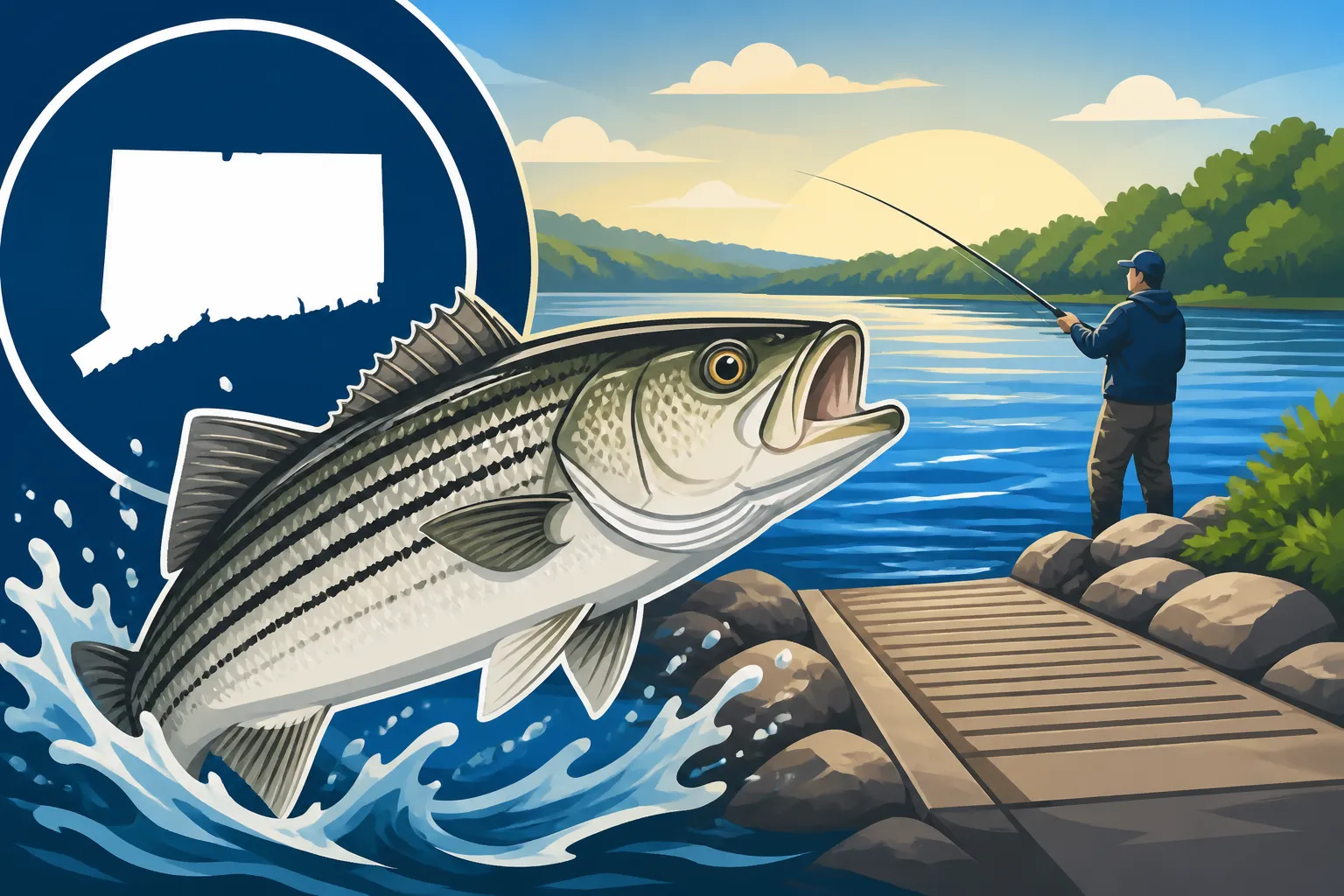
Thames River striped bass access
It can be incredibly frustrating to know there are prized striped bass holding in a river like the Thames, yet feel stumped trying to find reliable public access. You scout maps, drive around, and often hit dead ends with "No Trespassing" signs or private marinas. This guide is here to cut through that confusion, providing you with a detailed breakdown of the best public access points, both for shore anglers and boaters, along with crucial fishing tips to maximize your success targeting striped bass in the dynamic waters of the Thames River.
Understanding the Thames River's Striped Bass Fishery
The Thames River is far more than just a waterway; for striped bass, it's a vital artery connecting them from the vastness of Long Island Sound deep into Connecticut's inland waters. Understanding its unique characteristics is the first step to unlocking its striper potential.
The Thames River as a Striped Bass Highway
The Thames River acts as a crucial migration route and feeding ground for striped bass, particularly during their seasonal movements. Originating from the confluence of the Shetucket and Yantic rivers near Norwich, it flows approximately 15 miles south, emptying into Long Island Sound between New London and Groton. This direct connection to the Sound means that migratory striped bass, often making their way along the Connecticut coast, regularly funnel into the Thames, especially during the spring and fall runs. They use the river as a highway to push upriver in search of food and then retreat to the Sound as seasons change.
What makes the Thames so attractive to these powerful fish? It's a rich estuary, a mixing zone where freshwater from upstream meets the salty tides of the ocean. This creates a complex ecosystem brimming with forage. Think about vast schools of Atlantic menhaden, often called "bunker," moving into the lower river, drawing in hungry stripers like a magnet. Smaller baitfish like silversides, spearing, and river herring also ascend the Thames, providing a constant buffet. The river also features significant depths, particularly in its lower stretches, and abundant structure—everything from rocky shorelines and submerged ledges to bridge pilings, jetties, and dock lines—all prime ambush points for lurking bass. The blend of deep channels, current, and food makes it an irresistible stopover for striped bass.
The constant tidal flow from Long Island Sound pushes nutrient-rich water and baitfish upriver, concentrating them in specific areas and creating feeding opportunities. These currents are also vital for oxygenation and distributing food throughout the ecosystem. As the tide pushes in or pulls out, it creates current breaks around structure, making it easier for stripers to hold and wait for prey. Anglers who understand these dynamics can position themselves strategically to intercept feeding fish.
Navigating Tides and Seasons for Optimal Striper Action
Successfully targeting striped bass on the Thames River heavily depends on understanding the tidal movements and seasonal patterns of these fish. It’s not just about being there; it’s about being there at the right time.
Tidal influence is paramount. Unlike still lakes, a tidal river like the Thames experiences significant changes in water level and current strength throughout the day. Striped bass are opportunists, and they often use these currents to their advantage, ambushing baitfish that are pushed or disoriented by the moving water. Generally, the last two hours of an incoming tide and the first two hours of an outgoing tide are considered prime fishing windows. During these periods, the current is often at its strongest, creating distinct current seams and flushing bait out of creeks and coves, which stripers key in on. Slack tide, when the water movement is minimal, can sometimes be slower, though aggressive fish might still be found hugging structure. Observing how the current flows around bridge pilings, jetties, and prominent points will help you identify productive ambush zones. For more in-depth knowledge on this, check out our guide on the Best Time of Day to Catch Striped Bass.
Seasonally, the Thames River comes alive with striped bass activity primarily in the spring and fall. The spring run, typically from April through June, sees migratory stripers entering the river system as water temperatures rise, eager to feed after their long journey north. This is often when you'll find a mix of schoolie-sized bass and larger trophy fish pushing upriver, following bait. The summer months can be challenging in the main river as warmer water temperatures often push larger stripers into cooler, deeper parts of Long Island Sound or make them more active at night. However, localized populations, especially smaller "schoolie" bass, can still be found around cooler pockets, bridge shadows, or during dawn and dusk. The fall run, from September through November, is another fantastic time, often considered by many to be the most exciting. Stripers gather in massive numbers, aggressively feeding on migrating baitfish like bunker as they prepare for their journey south. This is when some of the largest fish can be caught from shore or boat. Understanding the Striped Bass Migration Along the Connecticut Coast can further inform your timing for these runs.
Beyond these broad seasonal windows, even daily weather patterns play a role. Overcast days can extend productive feeding periods, while bright, sunny days might mean the fish are deeper or more active during low light hours. Pay attention to sudden barometric pressure changes, which can sometimes trigger feeding sprees or shut down the bite. Being adaptable and observing your surroundings is key to consistent success on the Thames.
Top Shoreline Access Points for Thames River Stripers
For anglers who prefer to keep their feet on solid ground, the Thames River offers several fantastic public access points that put you directly in contention with striped bass. Each spot has its unique advantages and challenges.
Fort Trumbull State Park and New London's Waterfront
Fort Trumbull State Park, located in New London, is arguably one of the most popular and accessible spots for shore anglers looking to target striped bass on the Thames River. This historic park offers ample parking, clean facilities, and miles of walkable shoreline and paved pathways right along the river mouth, where the current is strong and baitfish are abundant. The park itself is free to enter, making it an excellent option for a day of fishing. From the park's pier, you can cast into deep water, targeting fish that might be moving through the main channel. The rock walls and jetties surrounding the park also provide excellent structure for stripers to ambush prey.
Anglers often find success casting around the pronounced point and the pilings of the old railroad bridge visible from the park. These structures create current breaks where stripers often hold, waiting for bait to be swept past them. Fishing during a moving tide, especially the incoming or outgoing, is crucial here. The deep water close to shore means you don't necessarily need a boat to reach active fish. Early mornings and late evenings, or even night fishing (exercising caution and awareness of your surroundings), tend to be the most productive times, as the bass are often more aggressive under low light conditions. You'll want to be prepared for strong currents, so heavier tackle might be necessary to keep your offerings in the strike zone.
Beyond the immediate park boundaries, the New London waterfront itself, particularly around City Pier and the Custom House Pier, offers additional, albeit more urban, shore fishing opportunities. While these areas are often busy with boat traffic and pedestrians, they provide access to deeper water and structure like docks and bulkheads, which can hold stripers. Always be mindful of local regulations, commercial operations, and courtesy to other users in these bustling zones. Parking can be more challenging here, often requiring meters or dedicated lots, but the potential for a surprise catch is always present. For general guidance on where to cast from shore, our resource on Best Shore Fishing Spots in Connecticut might offer broader insights that apply here.
The Groton Side: Eastern Access Opportunities
Crossing to the eastern bank of the Thames River, the town of Groton also presents several key access points for shore anglers targeting striped bass. While Fort Trumbull on the New London side often gets the spotlight, Groton offers equally productive, and sometimes less crowded, options, especially further upriver.
One prime area on the Groton side is the shoreline around the mouth of the Poquonnock River, near the Fort Griswold Battlefield State Park. While direct fishing from the historical park's shore might be limited, the surrounding public access points and boat launches provide excellent casting opportunities into the Thames. The area where the Poquonnock River empties into the Thames creates a natural funnel for baitfish, attracting stripers. Anglers here can target moving water, especially around the pilings of the Gold Star Memorial Bridge, which spans the Thames. While fishing directly from the bridge is strictly prohibited and incredibly dangerous, the shorelines and parks adjacent to its supports offer unique access to deep, fast-moving water.
Further south, near the mouth of the Thames where it meets Long Island Sound, areas like Eastern Point can also be productive, although public access might be more limited to specific parks or road ends. Look for public easements or small municipal parks with direct water access. These spots typically offer rocky shorelines and current, ideal for casting larger lures or fishing with bait. It’s always advisable to check local municipal websites or signs for specific fishing regulations and permissible access points, as rules can vary. When exploring these areas, remember that while you might find a quiet spot, the currents near the Sound are formidable, requiring caution.
Exploring Upriver Public Shore Access
While the lower Thames River, closer to Long Island Sound, is renowned for its striped bass fishing, don't overlook the potential of the upriver sections, particularly for those willing to explore. As you move north towards Norwich and Preston, the river transitions from a broad estuary to a narrower, more freshwater-influenced system, but stripers still push this far up, especially during the spring and fall runs, following baitfish like river herring.
One excellent upriver location is Howard T. Brown Memorial Park in Norwich. This park provides public access to the Thames River shoreline, offering opportunities to cast into slightly less turbulent waters than the lower sections. While the water here isn't as salty as near New London, the tidal influence is still very much present, and stripers will be found hunting baitfish that congregate in these shallower, often warmer, sections. Anglers can fish from the bank, targeting areas where currents create eddies or where structure like fallen trees or brush piles offer cover. The fishing approach here might lean towards smaller, more subtle presentations compared to the power fishing often done downriver.
Another potential area to explore for upriver access might be certain public lands or state boat launches in Preston, further upstream. While dedicated shore fishing spots might be scarcer, any public land bordering the river offers a chance. These areas are fantastic for more serene fishing experiences, often yielding good numbers of schoolie stripers, with the occasional larger fish venturing far upriver. Remember, upriver fishing often means clearer water, so stealth and longer casts might be more important. During the spring, when alewives and blueback herring are migrating upstream, these upriver spots can explode with striper activity, as the bass gorge on the plentiful bait.
Getting On The Water: Boat and Kayak Launches
For many serious striped bass anglers, getting out on the water in a boat or kayak provides unparalleled access and opportunities on the Thames River. It allows you to cover more ground, reach prime fishing areas inaccessible from shore, and effectively chase schools of fish.
Public Boat Ramps for Powerboaters
The Thames River offers several excellent public boat ramps that cater to powerboaters looking to chase striped bass. These ramps provide access to the expansive waters of the lower river and its connection to Long Island Sound, allowing anglers to quickly reach the best fishing grounds.
One of the primary public boat ramps is located within Fort Trumbull State Park in New London. This facility is well-maintained, offering multiple launching lanes and ample parking for trailers, though it can get busy, especially on weekends and during peak fishing seasons. The ramp provides immediate access to the mouth of the Thames, allowing quick navigation to areas like Bartlett Reef, Goshen Reef, or across to the Groton side, all known striper hotspots. The deep water at the ramp makes it suitable for larger boats, and the convenience of its location makes it a favorite among local anglers. For those planning to use a boat, understanding Connecticut Boating Laws for Anglers is essential to ensure a safe and legal outing.
On the Groton side, the Thames Street Boat Ramp is another vital public access point. This ramp, managed by the town of Groton, also offers good launching facilities and parking, though it might be slightly smaller than Fort Trumbull. It provides direct access to the river's eastern bank, allowing anglers to explore the Groton shoreline, the mouth of the Poquonnock River, and the numerous submerged structures that hold stripers. Further upriver, while options become more limited for large powerboats due to bridge clearances and shallower depths, some municipal ramps in Norwich or Preston might accommodate smaller craft. These upstream launches are particularly useful for targeting the spring and fall runs when stripers push far inland, and navigating with a smaller vessel becomes an advantage. Always check ramp conditions, water depth at different tides, and any potential launch fees before heading out.
Kayak and Canoe Access Points
For anglers seeking a more intimate experience or looking to access shallower, less pressured waters, kayaking or canoeing on the Thames River offers incredible opportunities for striped bass. Paddle craft provide stealth, maneuverability, and the ability to explore nooks and crannies that larger powerboats simply cannot reach.
While you can launch a kayak from any of the public boat ramps mentioned above, specific locations might be more suitable or offer a quieter experience. Small, unimproved access points or designated kayak launches found in some municipal parks along the river are often ideal. For instance, launching from Fort Trumbull State Park is feasible, allowing kayakers to hug the shoreline and explore the numerous rocky outcrops and current seams close to shore that often hold stripers. The ability to paddle into shallower coves or around bridge pilings with minimal disturbance is a huge advantage. The Groton side also offers similar opportunities, with various points providing access to the river's eastern shores, particularly where smaller creeks flow in. For more details on paddle craft access, consider reading our guide on the Best Kayak Fishing Spots in Connecticut.
When kayaking on the Thames, it's crucial to be aware of the strong tidal currents and significant boat traffic, especially in the lower reaches. Always wear a life jacket, carry appropriate safety gear (paddle leash, whistle, bright flag), and consider a marine VHF radio or fully charged cell phone. Plan your trips around the tides, often using the incoming tide to paddle upriver and the outgoing tide to drift back down, conserving energy. Kayaks allow you to fish close to structure like docks, mooring balls, and submerged rocks, areas where stripers love to hide. This stealthy approach, combined with the ability to present lures precisely, can be incredibly effective. Local guides, often found through resources like FishingBooker, can also provide invaluable insights into the best kayak fishing strategies and safe navigation for the Thames.
Strategies and Regulations for Thames River Stripers
Catching striped bass on the Thames River isn't just about finding the fish; it's about employing the right techniques and adhering to crucial regulations and safety guidelines. Being prepared makes all the difference between a frustrating day and a memorable catch.
Top Baits, Lures, and Techniques for Success
When targeting striped bass in the Thames River, your bait and lure selection, combined with effective techniques, will significantly impact your success. The diverse environment of the Thames calls for a versatile approach.
For live bait enthusiasts, eels are legendary for tempting large stripers, especially at night. They can be fished on a standard bottom rig or drifted with the current. Fresh bunker (menhaden), either live-lined or chunked, is another top producer, particularly when schools of bunker are present in the river. If you're targeting smaller stripers or fishing upstream in more brackish water, sandworms or bloodworms can be incredibly effective, often fished on a simple bottom rig or float. For detailed insights on what their primary food sources are, check out What striped bass eat in Long Island Sound.
When it comes to artificial lures, the options are vast. Soft plastics rigged on jig heads are incredibly versatile; popular choices include large paddle tail swimbaits like those from Keitech or Tsunami, or a classic Zoom Super Fluke. These can be jigged along the bottom, retrieved with a steady swim, or twitched aggressively. For casting to breaking fish or in low light, topwater plugs like poppers (e.g., a Cotton Cordell Pencil Popper or Heddon Super Spook) or walk-the-dog baits are thrilling, creating explosive strikes. Subsurface plugs like swimming minnows (e.g., a Daiwa SP Minnow or Bomber Long A) are excellent for mimicking baitfish. Metal lipped swimmers and bucktail jigs are also highly effective, especially when fished around current and structure. You can learn more about effective options in Best Lures for Striped Bass in Long Island Sound.
| Bait/Lure Type | Best Conditions | Technique | Target Fish Size |
|---|---|---|---|
| Live Eels | Night, strong current, around structure | Bottom rig, free-lining, drifting | Large Stripers |
| Fresh Bunker (Live/Chunk) | When bunker schools are present, moving tide | Live-lining, chunking on bottom | All sizes, especially large |
| Sandworms/Bloodworms | Upriver, calmer water, all tides | Bottom rig, float fishing | Schoolies, smaller bass |
| Soft Plastics | Day or night, varied depths, casting to structure | Jigging, steady retrieve, twitching | All sizes |
| Topwater Plugs | Low light (dawn/dusk/night), calm water, breaking fish | Walk-the-dog, popping, retrieve | Aggressive stripers, all sizes |
| Swimming Minnows | All conditions, mimicking baitfish, searching | Steady retrieve, pause and go | All sizes |
| Bucktail Jigs | Current, deep water, imitating bottom fish or baitfish | Jigging, bouncing along bottom, tipped with soft plastic/pork rind | All sizes |
Technique-wise, casting to structure is paramount. Bridge pilings, rock piles, jetties, and dock lines all offer prime ambush points. Position yourself to cast parallel to current seams or into eddies where fish are likely to be holding. Drifting with the current, especially in a boat or kayak, allows you to cover vast amounts of water and present your bait or lure naturally. Night fishing is particularly effective for larger striped bass, who often become more aggressive and less wary under the cover of darkness. This can be a game-changer on the Thames, especially during the warmer summer months. Our guide on Night Fishing for Striped Bass in Connecticut provides excellent advice for this specialized approach.
Essential Regulations and Safe Practices
Fishing for striped bass on the Thames River, as with all waters in Connecticut, requires adherence to specific regulations and a strong commitment to safety. Ignoring these can lead to fines, dangerous situations, or harm to the fishery.
First and foremost, every angler 16 years of age or older needs a valid Connecticut fishing license. This applies to both residents and non-residents, and it's essential to have it with you while fishing. You can find comprehensive information on obtaining one in our Connecticut Fishing License Guide for 2026. When fishing for striped bass, you must be aware of the current slot limit and bag limits. These regulations are designed to protect the breeding stock of striped bass and ensure a healthy population for future generations. Typically, there's a specific size range (slot limit) within which you can keep a fish, and a daily bag limit on how many you can retain. For the most up-to-date information, consult the Connecticut Striped Bass Slot Limit and Season and the broader Connecticut Fishing Regulations Explained. These regulations often change, so it's vital to check them annually. Additionally, anglers targeting striped bass with bait are often required to use circle hooks, which significantly reduce gut-hooking and improve the survival rate of released fish.
Safety on the Thames River cannot be overstressed. The lower river, especially near Long Island Sound, experiences strong tidal currents that can be dangerous for inexperienced boaters or waders. Always check tide charts and weather forecasts before heading out. Boat traffic, particularly during commercial shipping and recreational seasons, can be heavy. Maintain situational awareness, use proper navigation lights if fishing at dawn, dusk, or night, and always operate your vessel responsibly. If you're on a kayak or canoe, always wear a life jacket, and be mindful of larger vessels which might not see you. It's also wise to inform someone of your fishing plans and expected return time, especially if fishing alone. If you're still feeling a bit overwhelmed by the complexity of the Thames or just want to guarantee a fantastic day on the water with expert guidance, consulting resources like FishingBooker can connect you with experienced local guides who specialize in Thames River striped bass, ensuring both a productive and safe outing.
Disclaimer
The information provided in this guide is for general informational purposes only. Fishing regulations and conditions can change rapidly. Always consult the official Connecticut Department of Energy and Environmental Protection (DEEP) website or current fishing guide for the most up-to-date regulations, licensing requirements, and safety advisories before planning any fishing trip. Fishing carries inherent risks, and personal safety should always be your top priority.