Lake Zoar walleye fishing spots
There’s nothing quite like the thrill of chasing walleye, especially in a beautiful, challenging body of water like Lake Zoar here in Connecticut. But let's be honest, trying to pinpoint those elusive, light-sensitive beauties can feel like searching for a needle in a haystack. Many anglers get frustrated, spending hours casting into seemingly perfect spots only to come up empty-handed. This guide is here to cut through that frustration, offering an in-depth look at Lake Zoar’s prime walleye fishing spots and the best strategies to finally hook into that toothy trophy.
Understanding Lake Zoar's Unique Walleye Fishery
Lake Zoar, an impoundment of the Housatonic River, presents a fascinating and often challenging environment for walleye anglers. Unlike some dedicated walleye lakes in other states, catching them here requires a keen understanding of their habits within this particular ecosystem. It's not always a numbers game; often, it's about targeting the right fish in the right place at the right time. The lake’s diverse structure, varying water clarity, and the presence of abundant forage species all play a role in where these fish decide to call home.
Connecticut's Department of Energy and Environmental Protection (DEEP) has done a fantastic job managing the walleye population, with regular stockings complementing the lake's natural reproduction. This means you've got a good mix of "homegrown" walleye that are incredibly tuned into the lake's nuances and stocked fish that are adapting. Both can be targeted if you know what to look for, but ignoring their preferences is a surefire way to have a slow day on the water.
Walleye Habits and Preferred Habitat in Lake Zoar
Walleye are, by nature, masters of camouflage and low-light ambushes. This isn't just a preference; it's a survival strategy driven by their highly sensitive eyes. They thrive in conditions where they have an advantage over their prey, often retreating to deeper, darker water during bright daylight hours. In Lake Zoar, this translates to predictable patterns tied directly to available structure, depth, and the movements of baitfish.
They are typically found associated with specific types of structure. Think rock piles, deep ledges, sharp drop-offs, and submerged timber. These features provide ambush points, protection from predators, and cooler water temperatures during warmer months. The Housatonic River, which flows into and essentially forms Lake Zoar, contributes to these structural elements. Walleye will often hug the contours of the old river channel, particularly where it makes bends or has significant depth changes. Their diet in Lake Zoar primarily consists of alewives, shiners, perch, and other smaller baitfish. Understanding the movements of these forage species is crucial because walleye will always be nearby.
Their seasonal movements are also quite pronounced. In the spring, walleye move shallower to spawn, often seeking out rocky or gravelly areas where they can lay their eggs. As summer heats up, they generally retreat to deeper, cooler water, often suspending over deep flats or holding tight to structure at significant depths. Fall sees another push into shallower waters as they feed aggressively in preparation for winter, often following schools of baitfish. Knowing these general patterns is the first step in narrowing down your search on Lake Zoar.
Key Environmental Factors Affecting Walleye Fishing
Beyond just structure, several environmental factors in Lake Zoar significantly influence walleye behavior and, consequently, your fishing success. Ignoring these elements is like trying to guess the winning lottery numbers – pure luck might play a small role, but understanding the system gives you a much better chance. Water temperature, for instance, is a huge driver of walleye activity. They are cool-water fish, preferring temperatures generally between 55 and 70 degrees Fahrenheit. If the surface water gets too warm in summer, they'll seek out the thermocline or deeper, cooler pockets.
The Housatonic River's influence means there's often subtle current in parts of Lake Zoar, especially near the dam and river inflow areas. Walleye are opportunistic feeders and will often position themselves in current breaks to ambush baitfish being swept downstream. Pay close attention to areas where moving water meets slack water. The bottom composition is another factor; while walleye use all types of cover, they often favor hard bottoms like gravel, rock, or even clay over soft, mucky areas. These harder bottoms are also where their preferred forage often spawns or congregates.
Lastly, light penetration is paramount. Walleye's large, light-sensitive eyes give them superior vision in low light conditions. This is why dawn, dusk, overcast days, and even night fishing are often the most productive times. Clear water, while beautiful for scenery, can push walleye deeper during the day. Conversely, stained or cloudy water might allow them to stay shallower for longer periods, providing a wider window of opportunity for anglers. Staying informed about these conditions, perhaps by checking local fishing reports or using a good fish finder, can make all the difference.
Top Walleye Fishing Spots on Lake Zoar
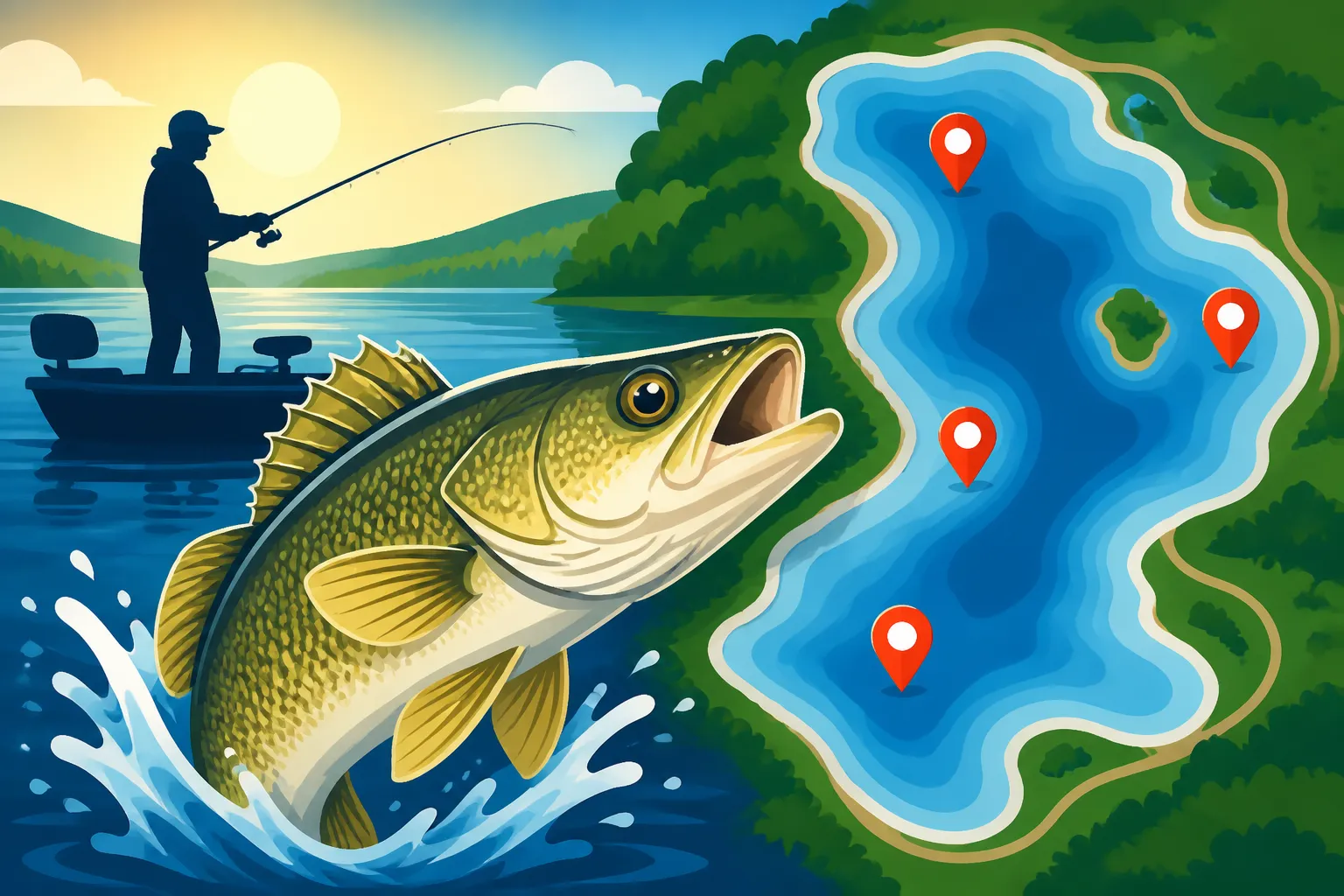
Now for the real meat of the matter: where exactly should you be dropping your lines on Lake Zoar if you're chasing walleye? This lake offers a variety of productive areas, each with its own nuances. Remember, walleye are migratory within the lake, so a spot that’s hot in spring might be quiet in summer. Flexibility and observation are your best friends.
The Lake Zoar Dam Area and Downstream Flow
The area immediately surrounding the Stevenson Dam, at the lower end of Lake Zoar near Monroe and Oxford, is a perennial hotspot for walleye. This is primarily due to the constant current created by the dam's operation, which acts like a conveyor belt for baitfish and a congregating point for predators. The deeper water here, combined with the turbulence and oxygenation, makes it incredibly attractive to walleye year-round.
Fishing this area requires caution due to strong currents and potential underwater hazards. Always respect safety regulations and give the dam structure itself a wide berth. Walleye here often hold in current seams, behind submerged rocks, or in the deeper scour holes created by the outflow. Drifting live bait, such as shiners or alewives, or vertically jigging blade baits or heavy spoons, can be incredibly effective. The walleye in this zone are typically strong fighters, thanks to their constant battle with the current. Many anglers report great success casting towards the deeper channels and allowing their lures to drift naturally with the subtle current before retrieving. This area is often busy, so polite sharing of space is key.
Deep Ledges and Drop-offs Near the Housatonic River Channel
As an impoundment, Lake Zoar essentially follows the old path of the Housatonic River. The original river channel, now submerged, creates significant depth changes, ledges, and drop-offs that are gold mines for walleye. These features offer walleye exactly what they crave: deep water for security, access to shallower feeding grounds, and distinct ambush points. You'll find these crucial contours winding through the central and upper sections of the lake.
One particular area to focus on is where the river channel makes significant bends or tightens, often found near the towns of Southbury and Newtown. These "inside bends" or "outside curves" in the old channel are natural collection points for baitfish and, consequently, walleye. Your fishfinder will be your best friend here, helping you identify these sharp breaks and locate any subtle humps or submerged structure along them. Trolling deep-diving crankbaits parallel to these ledges or slowly drifting live bait along the contours can be highly productive. Walleye will often be holding tight to the bottom or suspended just off the break, waiting for an unsuspecting meal to swim by. For those who enjoy deeper lake fishing, understanding the nuances of how to use the Connecticut Interactive Trout Stocking Map for other lakes can even provide insight into baitfish presence, though it's not directly applicable to walleye.
Submerged Structure and Humps
Lake Zoar is not just a uniform basin; it's riddled with submerged structures that provide excellent walleye habitat. These can include old foundations from homesteads flooded when the dam was built, isolated rock piles, fallen trees, and subtle humps that rise off the bottom. These "spot on the spot" locations are often overlooked by casual anglers but can hold significant numbers of fish.
Finding these smaller, isolated structures often requires patience and good sonar. Look for anomalies on your depth finder that don't match the general bottom contour. A lone rock pile in the middle of a flat, for example, is a magnet for walleye. Once you've located such a feature, fish it thoroughly from all angles. Jigging directly over the structure or using a slow-trolling approach with bottom bouncers and worm harnesses are effective tactics. The key is to present your bait or lure right in the strike zone without getting snagged. Sometimes, these spots are just a few feet shallower than the surrounding area, but that slight change can create a perfect feeding station. For instance, knowing how to fish Best Bass Fishing Lakes in Connecticut often involves similar structural approaches, showing the universality of these principles.
Tributary Mouths and Inflow Areas
Anywhere a smaller stream or river feeds into Lake Zoar, particularly during periods of higher flow, can be a prime walleye spot. These inflow areas, such as the Pomperaug River or other smaller feeder creeks, introduce cooler, oxygenated water and a fresh supply of nutrients and baitfish into the lake. This makes them natural gathering points for walleye, especially during spring and fall.
In spring, these areas can be vital as walleye stage for spawning or feed heavily after the spawn, taking advantage of the increased food availability. During summer, the cooler water from inflows can provide a welcome thermal refuge. Focus your efforts on the transition zones where the creek water meets the main lake water, often identifiable by changes in water clarity or temperature. Casting small crankbaits, swimbaits, or drifting live minnows into these current breaks can be highly effective. The walleye here will often hold just outside the main flow, darting into the current to grab a meal. Keeping an eye on the water levels and clarity of these tributaries can give you a significant advantage in predicting walleye movement.
| Lake Zoar Walleye Hotspots | Key Features | Best Techniques | Prime Seasons | Notes for Anglers |
|---|---|---|---|---|
| Stevenson Dam Area | Strong currents, deep scour holes, oxygenated water | Vertical jigging, live bait drifting | Year-round, especially good in fall/winter | Exercise extreme caution near dam; strong fighting fish. Always check Connecticut Boating Laws for Anglers before heading out. |
| River Channel Ledges | Steep drop-offs, contour bends of old Housatonic River | Trolling deep crankbaits, bottom bouncing | Spring, Summer (deep), Fall | Use sonar to locate breaks; walleye often suspend or hug bottom. |
| Submerged Humps/Rocks | Isolated rock piles, old foundations, timber | Jigging, slow trolling with live bait | Year-round, target specific depths | Requires good electronics; present baits precisely over structure. |
| Tributary Mouths | Inflows from Pomperaug River and smaller creeks | Casting swimbaits, drifting live minnows | Spring (pre-spawn), Fall (feeding) | Look for current breaks and changes in water clarity or temperature. |
Effective Techniques and Gear for Lake Zoar Walleye
Finding the spots is half the battle; the other half is knowing how to effectively present a bait or lure to a walleye that might be finicky. Walleye fishing isn't always about power; it's often about finesse and understanding their subtle feeding cues.
Jigging and Live Bait Strategies
When walleye are holding tight to structure or aren't actively chasing, jigging with artificials or presenting live bait can be incredibly effective. For jigging, blade baits like a Silver Buddy or a Heddon Sonar, or jigging spoons from brands like Kastmaster, can work wonders. These baits have a lot of flash and vibration on the retrieve or flutter enticingly on the fall, mimicking a dying baitfish. Work them vertically over marked fish or along deep breaks, letting them hit bottom and then snapping them up a foot or two before letting them fall again. For those cold water conditions, Best Techniques for Winter Pickerel can offer insights into jigging presentations, as many winter species respond similarly.
Live bait is often the king for walleye, especially when they're lethargic. Shiners, alewives (if legal and available), or large nightcrawlers rigged on a plain hook or a worm harness are excellent choices. You can drift these baits slowly with the current, suspend them under a bobber near structure, or use a bottom bouncer rig to keep them tantalizingly close to the lakebed while slowly trolling or drifting. Remember, walleye often "mouth" the bait before fully committing, so a sensitive rod tip is crucial to detect those subtle takes.
Trolling for Deeper Walleye
Trolling is a fantastic way to cover large areas of Lake Zoar and find active walleye, especially during the warmer months when they retreat to deeper water. Deep-diving crankbaits are your best bet here. Brands like Rapala, Berkley, or Bandit offer a wide range of crankbaits that can dive to various depths. Choose colors that mimic the local baitfish (silver, blue, perch patterns) or go with brighter colors in stained water (chartreuse, orange).
The key to successful trolling is maintaining the right speed and letting out enough line to get your lure into the walleye's strike zone. A good rule of thumb is to troll at speeds between 1.0 and 2.5 miles per hour, adjusting based on water temperature and fish activity. Sometimes, using planer boards can help spread out your lines, allowing you to cover a wider swath of water and present more lures simultaneously without spooking fish directly under your boat. Pay close attention to your rod tip for subtle thumps or changes in vibration, indicating either a fish or contact with the bottom. This method is excellent for targeting those walleye suspended over the old river channel or along deep flats. For other species, like targeting striped bass, similar trolling techniques are used, as detailed in Best Trolling Speed for Striped Bass in Long Island Sound.
Essential Gear and Electronics
Having the right equipment can significantly improve your walleye success on Lake Zoar. For rods, a medium-light to medium-heavy spinning or baitcasting rod, typically 6'6" to 7'6" in length, with a sensitive tip, is ideal. This allows you to feel those subtle walleye bites. Pair it with a reliable reel spooled with 10-20 lb braided line, which offers incredible sensitivity and hook-setting power, followed by a 6-10 lb fluorocarbon leader for stealth. The low visibility of fluorocarbon is often crucial for wary walleye.
Perhaps the most critical piece of equipment for Lake Zoar walleye is a good fish finder or sonar unit. Modern units with SideScan and DownScan imaging can reveal not only baitfish and walleye but also the intricate bottom structure that holds them. Learning how to interpret these readings – distinguishing a rock pile from a submerged log or identifying individual fish arches – is a game-changer. Don't just motor around; use your electronics to systematically scan areas, mark waypoints on your GPS for productive spots, and observe how fish are relating to the structure. Tools like those found on FishingBooker can help locate guides with top-tier electronics to learn from.
Seasonal Walleye Fishing Insights for Lake Zoar
Walleye fishing on Lake Zoar is a year-round pursuit for dedicated anglers, but your tactics and target locations will vary significantly with the seasons. Understanding these shifts is paramount to consistent success.
Spring Walleye: Pre-Spawn and Post-Spawn
Spring on Lake Zoar is a period of transition and high activity for walleye, dictated by their spawning urge. As ice retreats (if it formed) and water temperatures begin to climb into the low 40s, walleye will move towards shallower, rocky areas in preparation for spawning. These pre-spawn fish are often actively feeding and can be caught trolling shallow-diving crankbaits or casting jigs and swimbaits to rocky points and shorelines. You might find them in depths of 5-15 feet during this time.
Once water temperatures reach the mid-40s to low 50s, spawning occurs. After the spawn, typically by late April or early May, walleye will transition to their post-spawn patterns. They'll often be found somewhat deeper, perhaps 15-30 feet, recouping their energy. They might stage on deeper points adjacent to spawning grounds or begin to spread out into the main lake basin. This period can be tricky, as fish can be spread out, but they will still readily hit live bait or slow-trolled lures. Always be mindful of the Connecticut Fishing Season Dates and Closures to ensure you're compliant with any specific regulations during this crucial period.
Summer Walleye: Deep Water and Night Fishing
Summer brings warmer water temperatures to Lake Zoar, and with that, walleye typically retreat to the cooler, deeper sections of the lake. During bright daylight hours, you'll find them holding to deep ledges, humps, and the old river channel, often in depths exceeding 25-40 feet. This is when deep trolling with heavy crankbaits or bottom bouncing with live bait rigs becomes crucial. Your electronics will be key to finding these deep-holding fish.
However, summer also opens up fantastic opportunities for night fishing. Walleye, with their superior low-light vision, become much more active and will often move shallower after dark to feed on baitfish. Casting shallow-running crankbaits, topwater lures (yes, walleye will hit topwater at night!), or simply drifting live bait in 10-20 feet of water can be incredibly productive from dusk until dawn. The best time for other species, such as the Best Time of Day to Catch Striped Bass, often highlights the importance of low-light conditions, a principle that definitely applies to walleye.
Fall Walleye: Feeding Frenzy
As the days shorten and water temperatures begin to drop in fall, Lake Zoar's walleye enter a "feeding frenzy" phase, aggressively putting on weight for the upcoming winter. This is often considered one of the best times of year for walleye fishing. Fish will follow baitfish into shallower bays, flats, and around points, making them more accessible than during the summer doldrums.
You'll find walleye actively chasing schools of baitfish, often in depths ranging from 10 to 30 feet. Trolling medium-diving crankbaits, casting lipless crankbaits, or jigging spoons can all be highly effective. Don't be afraid to experiment with faster retrieves during this time, as the walleye are often eager to strike. This is a prime time for both numbers and larger fish. It's a great time to be out on the water, reflecting the overall sentiment about Best Time of Year to Fish in Connecticut. If you are looking to book a guide, resources like FishingBooker can help connect you with experienced walleye guides for the fall bite.
Winter Walleye: Ice Fishing and Deep Holding
Once safe ice forms on Lake Zoar, usually from late December through February, ice fishing for walleye becomes a popular pursuit. Walleye will typically hold in deeper basin areas, near transitions from deep flats to the main river channel, or around deep-water humps and ledges. They are less active than in fall but are still catchable with the right presentation.
Jigging spoons, blade baits, or small soft plastics tipped with a minnow head are effective through the ice. Tip-ups set with live shiners or large minnows are also highly productive, allowing you to cover more area. Fish will often bite best during the low light hours of dawn and dusk, or on overcast days. Always prioritize safety on the ice; knowing appropriate ice thickness and how to check it is paramount. Consult the full guide on Ice Fishing in Connecticut for comprehensive safety tips and techniques for the colder months.
Disclaimer
The information provided in this guide is for general informational purposes only. Fishing regulations in Connecticut can change frequently. Always consult the official Connecticut Department of Energy and Environmental Protection (DEEP) website or the latest Connecticut Angler's Guide for current rules, regulations, and licensing requirements before heading out on the water. Fishing conditions and fish behavior can vary widely based on weather, water levels, and other environmental factors.