Best technique for striped bass in cold water
Fishing for striped bass in cold water can feel like a totally different sport. The vibrant, aggressive bites of summer give way to subtle taps and sluggish movements, leaving many anglers frustrated and empty-handed. But don't give up! This guide is all about cracking the code for cold water stripers in Connecticut, helping you understand their behavior and adopt the techniques that actually get results when the temperatures drop.
Understanding Cold Water Striped Bass Behavior
When the mercury drops, especially here in Connecticut, striped bass undergo a significant physiological shift. They're not going to chase down a fast-moving bait like they would in the warmer months. Their metabolism slows down considerably, making them less active, less aggressive, and much more prone to conserving energy. This understanding is key to successful cold water striped bass fishing.
Where Stripers Go When It's Cold
As water temperatures plummet, striped bass in Long Island Sound and our coastal rivers will seek out deeper, more stable environments. This often means congregating in deeper channels, holes, and areas with slower currents, or even venturing into rivers for winter holdover. You'll find them near structure that offers shelter and ambush points, like rock piles, wrecks, and sudden depth changes. They're looking for thermal refuge and easy meals. Imagine trying to run a marathon in freezing temperatures – you'd conserve energy too! Their movements become minimal, and they'll often hold tight to the bottom or suspended just above it. This means you need to get your bait right in front of their nose. For more on their annual movements, check out our guide on Striped Bass Migration Along the Connecticut Coast.
The Slow and Steady Approach
Gone are the days of rapid-fire casting and fast retrieves. Cold water striped bass are opportunists, not chasers. They want a meal that requires minimal effort to catch. This means your presentation needs to be incredibly slow, deliberate, and often subtle. Think "dead stick" retrieves, long pauses, and baits that flutter tantalizingly rather than darting aggressively. Patience is not just a virtue in cold water fishing; it's an absolute necessity. You might feel a faint "tap" or just a sudden heaviness on your line, rather than a jarring strike. These are the tell-tale signs of a cold water striper taking your offering.
Essential Gear for the Chill
Fishing in cold water isn't just about changing your technique; it's about making sure you and your gear are prepared for the conditions. Your tackle needs to be optimized for sensitivity and subtle presentations, and your personal comfort and safety are paramount.
Rods, Reels, and Line for Sensitivity
When you're dealing with light bites in cold water, sensitivity is king. A medium to medium-heavy action rod, typically 7 to 8 feet long, made of graphite, is an excellent choice. Graphite transmits even the faintest taps directly to your hands. Pair this with a smooth-operating spinning reel in the 3000-5000 size range, capable of handling braided line. Braided line, like PowerPro or Seaguar, is crucial because it has virtually no stretch, allowing you to feel every subtle contact with your lure or bait. I've found excellent deals on quality braided line on Amazon. You’ll want to spool up with 20-30 lb test braid, and then use a fluorocarbon leader, usually 15-25 lb test, to connect to your lure. Fluorocarbon is nearly invisible in the water and offers good abrasion resistance against teeth and structure.
Lures and Baits That Entice
Your tackle box needs a winter makeover. Forget most of your fast-moving topwater plugs. Instead, focus on offerings that can be fished slowly and effectively in deeper water.
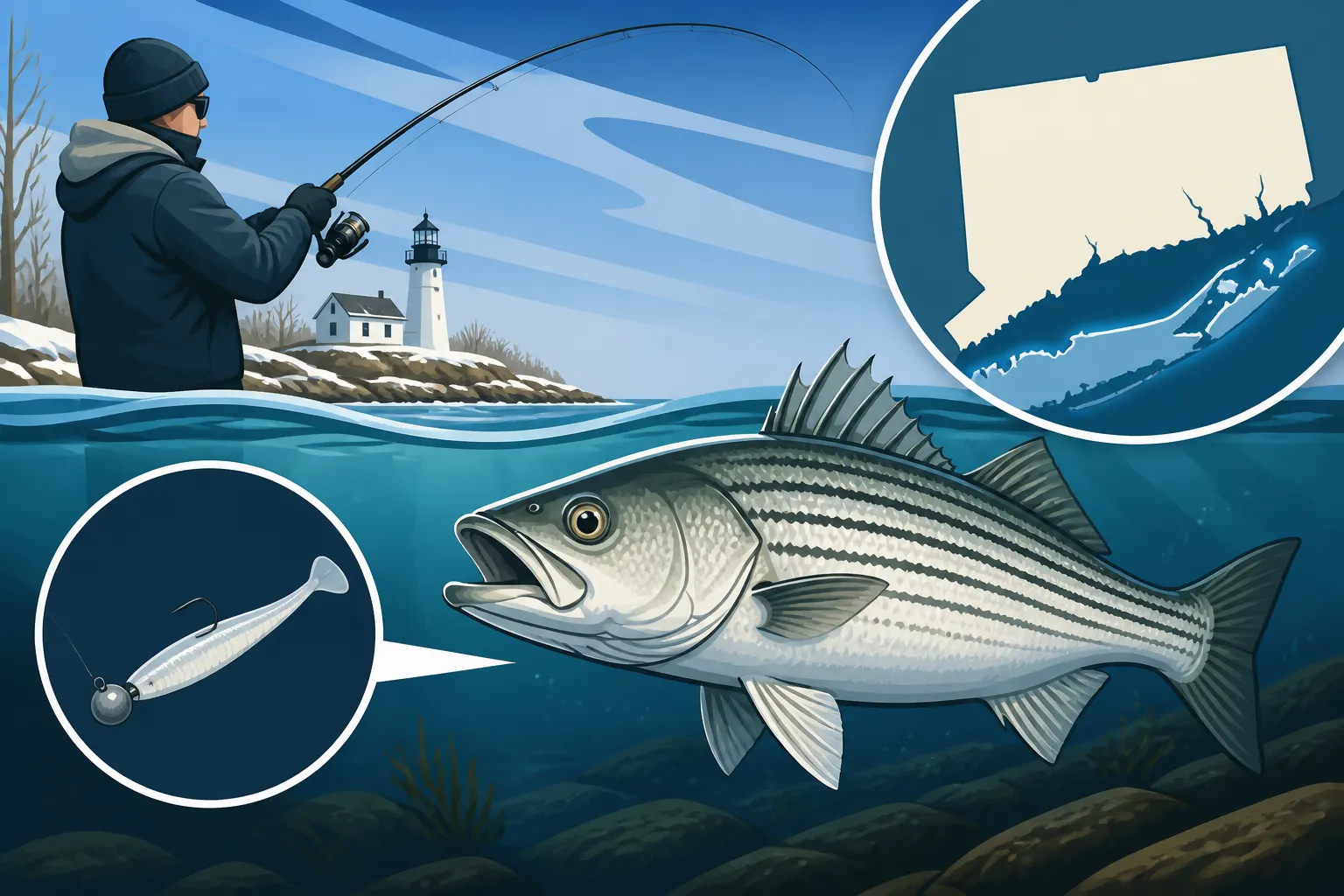
- Jig Heads and Soft Plastics: This is arguably the most effective cold water technique. Pairing a heavy jig head (½ oz to 2 oz, depending on depth and current) with a soft plastic paddle tail or "fin-S" style bait is a deadly combination. Colors like white, chartreuse, natural bunker, or dark purples often work well. Brands like Z-Man and Daiwa have excellent soft plastics for this. You can find a wide variety of jig heads and soft plastics on Amazon.
- Bucktail Jigs: A classic for a reason. Bucktails, especially those dressed with a pork rind or a soft plastic trailer, imitate baitfish or squid. Fish them with a slow lift-and-drop motion, letting them flutter enticingly near the bottom.
- Suspending Plugs/Minnows: These lures, such as the SP Minnow from Daiwa, are designed to suspend at a certain depth when paused. Cast them out, crank them down to depth, then incorporate long pauses in your retrieve. The subtle wobble on the pause can trigger a strike from a sluggish striper.
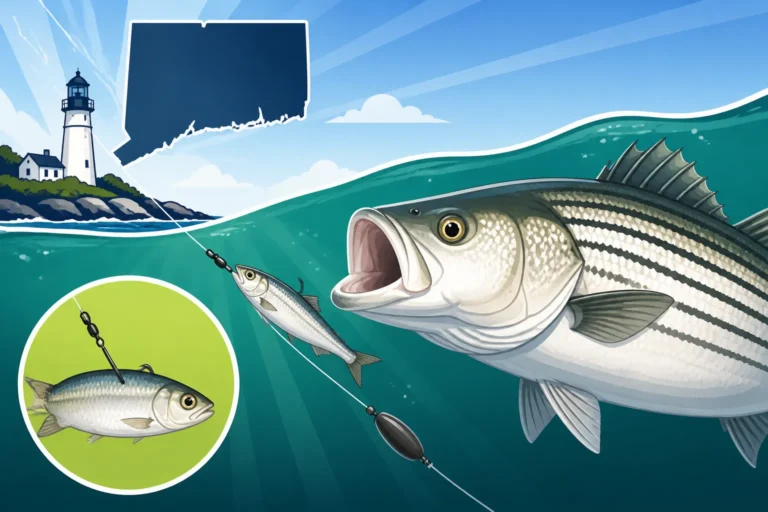
- Live Bait: If you can get your hands on fresh bunker, eels, or even large shiners, live bait is incredibly effective. Fished on a three-way rig or a fish-finder rig, allowing the bait to sit naturally near the bottom, often proves irresistible to lethargic stripers. Just be mindful of regulations regarding live bait, and always adhere to the Connecticut Fishing Regulations Explained.
Here's a quick comparison of popular cold water striped bass lure types:
| Lure Type | Ideal Depth | Action | Retrieve Style | Best Use Case |
|---|---|---|---|---|
| Jig Head & Soft Plastic | Bottom-Mid Water | Subtle flutter, tail kick | Slow hop, drag, lift-drop | Targeting bottom-dwelling stripers in channels/holes |
| Bucktail Jig | Bottom-Mid Water | Flutter, dart | Slow hop, jig, drag | Imitating baitfish near structure, current breaks |
| Suspending Plug | Mid Water | Subtle wobble, pause | Twitch, pause, slow retrieve | Attracting suspended fish, imitating dying baitfish |
| Live Bait | Bottom-Mid Water | Natural movement | Stationary or slow drift | Maximum appeal for lethargic or selective fish |
Dressing for Success (and Survival)
Cold water fishing in Connecticut isn't just about the fish; it's about you. Hypothermia is a real danger. Layering is key: start with a moisture-wicking base layer, add insulating layers like fleece or wool, and top it off with a waterproof and windproof outer shell. Don't forget insulated, waterproof boots, warm gloves (many good options on Amazon), and a hat. Hand warmers can be a lifesaver on particularly frigid days. Staying warm and dry will extend your fishing time and keep you safe.
Strategic Cold Water Techniques
Now that you're geared up and understand the fish's mindset, let's dive into the most effective ways to present your offerings in cold water. Remember, slow and methodical is the mantra.
The Art of the Slow Retrieve and Jigging
This is where the magic happens for cold water stripers. Whether you're using a jig and soft plastic or a bucktail, the retrieve should be agonizingly slow.
- Bottom Bouncing/Dragging: Cast out your jig, let it sink all the way to the bottom. Once it hits, engage your reel and retrieve just enough to keep contact with the bottom, occasionally lifting your rod tip gently to hop the jig a few inches, then letting it fall back. This mimics a wounded baitfish or a crustacean rooting along the bottom. This technique is especially effective in areas like the lower Connecticut River or deeper parts of Long Island Sound where stripers might be holding in winter.
- Vertical Jigging: If you're fishing from a boat over a known deep hole, wreck, or channel, vertical jigging can be deadly. Position your boat directly over the structure where fish are marked. Drop your jig straight down to the bottom, then lift your rod tip slowly about a foot or two, letting the jig fall back on a semi-slack line. Pay close attention to the fall – many strikes happen as the jig descends. This is a common strategy when fishing for black sea bass, and it works equally well for deep-holding stripers.
- Long Pauses with Suspending Plugs: When using suspending minnows or plugs, the "twitch-twitch-pause" retrieve needs to be exaggerated. After you've twitched the lure a couple of times, leave it absolutely still for 5 to 10 seconds, sometimes even longer. This pause allows the lure to hover tantalizingly, often triggering a strike from a curious but unaggressive striper. These plugs can be very effective for fish holding in mid-water over deeper flats.
Effective Live Bait Presentations
For many anglers, live bait is the ultimate cold water weapon. It offers natural scent and movement that can be irresistible when fish are finicky.
- Three-Way Rig: This rig allows your live bait to swim freely near the bottom or at a desired depth. Tie a three-way swivel to your main line. To one eye, tie a dropper line with a sinker (heavy enough to hold bottom in the current). To another eye, tie a leader (2-4 feet) to a circle hook. To the third eye, tie your main line. Presenting a lively bunker or eel with this rig in a deep hole or channel is often the ticket to a big cold water striper. Circle hooks are mandatory for striped bass when using bait, so familiarize yourself with the Connecticut Striped Bass Circle Hook Requirement.
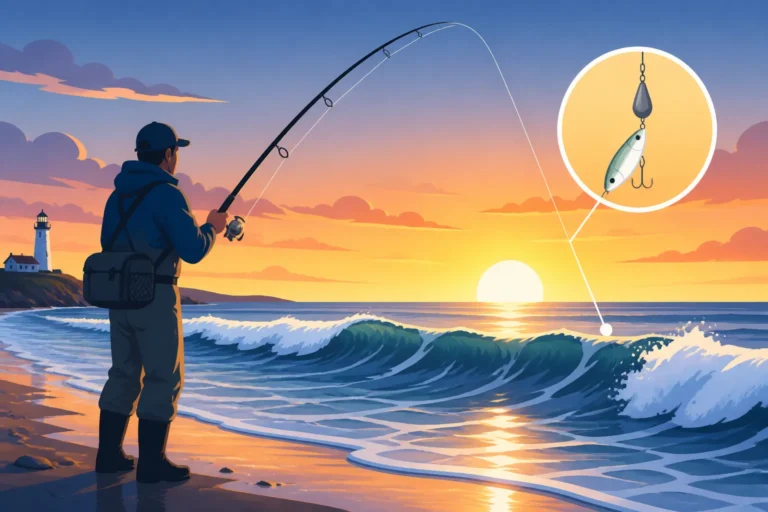
- Fish-Finder Rig: A simpler rig, ideal for letting your bait move more naturally with the current while still staying near the bottom. Thread an egg sinker or a fish-finder slide onto your main line, then tie on a swivel. To the other end of the swivel, attach a fluorocarbon leader (2-4 feet) and a circle hook. This allows the fish to pick up the bait and run without feeling the full weight of the sinker, increasing your hook-up ratio. This is a fantastic rig for shore anglers targeting deeper areas near jetties or river mouths.
- Patience is Key: Whether anchored or drifting, present your live bait and wait. Cold water stripers aren't usually going to smash it instantly. They'll often mouth the bait, or just slowly move off with it. Let them take it confidently before setting the hook – the circle hook will do most of the work for you.
Safety First on Frigid Waters
Fishing in cold weather, especially on the water, comes with inherent risks that cannot be ignored. Being prepared for emergencies is just as important as having the right lure.
Hypothermia and Cold Water Immersion
The biggest danger in cold water fishing is falling in. Water temperatures below 50 degrees Fahrenheit can lead to incapacitation in minutes and hypothermia rapidly. Always wear a Coast Guard-approved life jacket, even if you're a strong swimmer. Modern inflatable PFDs are comfortable and not bulky, making them easy to wear all day. Consider a full "survival suit" or a float coat if you're fishing from a boat in very cold conditions. Our guide on Connecticut Cold Water Life Jacket Rule October to May provides crucial details on mandatory wear periods. Always tell someone where you're going and when you expect to return.
Boat Safety and Navigation in Winter
If you're heading out on a boat, ensure all your safety equipment is in perfect working order. Check your marine radio, ensure your navigation lights function, and verify your bilge pump is clear and operational. Carry extra layers of dry clothing in a waterproof bag, along with a fully charged cell phone (in a waterproof case) and a portable power bank. Be extra vigilant for ice formation on your boat, especially on decks and cleats, as this can create treacherous footing. Keep an eye on the weather forecast and be prepared for rapidly changing conditions. Strong winds combined with cold temperatures can create dangerous wind chill.
On-Shore Precautions
Even if you're fishing from shore, safety is paramount. Wear appropriate footwear with good traction to prevent slips on icy or wet rocks. Be mindful of tides and rogue waves, especially when fishing jetties or exposed beaches. While shore fishing might seem safer than boating, a fall into frigid water from a rock can be just as deadly. Always scout your access points carefully and consider fishing with a buddy.
Final Thoughts on Cold Water Stripers
Chasing striped bass in cold water can be incredibly rewarding. The fish are often larger, and the peace and quiet of the off-season can be a welcome change from the summer crowds. It demands a different mindset, more patience, and a slower, more deliberate approach, but when you crack the code, the feeling of hooking into a powerful cold water striper is hard to beat. Remember to always respect the resource, practice responsible catch and release, and stay safe out there. Our comprehensive Connecticut Fishing License Guide for 2026 is a great resource to ensure you're always fishing legally.
Disclaimer
Please note that fishing regulations can change frequently. Always consult the latest Connecticut Department of Energy and Environmental Protection (DEEP) fishing guide or their official website before heading out. This guide is for informational purposes only and should not be considered a substitute for official regulations or professional safety advice.