Best panfish jig colors for winter
Oh, the crisp, cold air of a Connecticut winter, the promise of ice underfoot, and the challenge of coaxing panfish through a hole in the ice. If you've spent any time ice fishing, you know the frustration of seeing fish on your sonar but getting no bites. Often, the culprit isn't your technique, but the color of your jig. This guide dives deep into why jig color is paramount for winter panfish and helps you pick the perfect hue for your next ice fishing adventure.
Understanding Winter Panfish Behavior and Why Color Matters
Winter fishing for panfish isn't like summer fishing. Everything slows down, and the fish themselves become far more finicky. What worked well in open water might get you nothing but cold fingers through the ice. Understanding these fundamental shifts in behavior and environment is key to selecting the right jig colors.
How Light Penetration Changes Under Ice and Snow
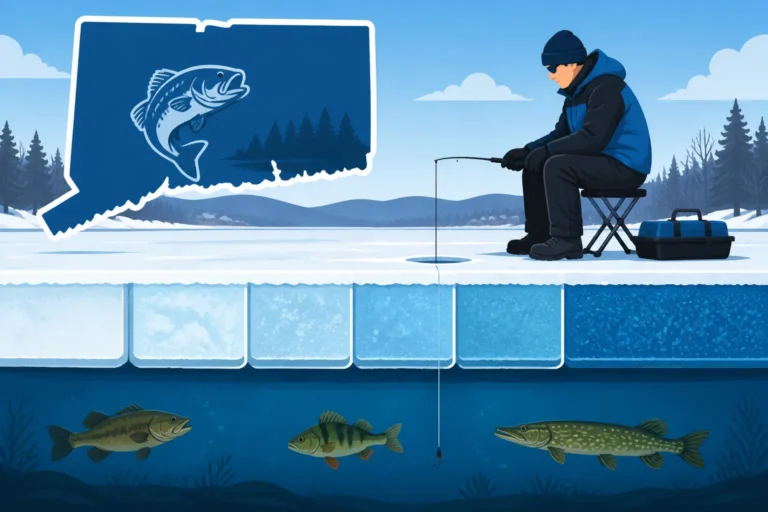
Think about standing outside on a sunny winter day, then stepping under a thick, snow-laden evergreen. The difference in light is dramatic, isn't it? The same principle applies beneath the ice. A layer of ice alone reduces light penetration significantly, and if there's snow cover on top of that ice, it plunges the underwater world into a perpetual twilight. This reduced light impacts how fish see and react to colors. Colors that pop in bright summer sun might appear dull or even invisible in the low-light conditions of winter. Fish rely heavily on contrast and silhouette in these environments, making your color choice critical for visibility. Sometimes, a bright color is needed to cut through the gloom, while other times, a more natural, subtle shade is best when fish are ultra-spooked by what little light there is.
The Metabolism and Mood of Winter Panfish
Just like us, fish slow down when it's cold. Their metabolism drops, meaning they don't need to eat as frequently or expend as much energy. They become lethargic and less aggressive. This isn't the time for flashy, fast retrieves that mimic fleeing baitfish. Instead, panfish are often looking for an easy meal, something that doesn't require much effort to chase. This change in mood directly influences their interest in various jig colors. A subtle, natural presentation might appeal to a lethargic crappie, while a small pop of bright color might be just enough to irritate a bluegill into striking, almost out of annoyance rather than hunger. When you're fishing for panfish in Connecticut, remember that subtlety often wins the day, but sometimes a small splash of the unexpected is what seals the deal. We cover more details on overall tactics in our guide to Best Techniques for Panfish in Connecticut.
Panfish Forage in Winter
What are panfish actually eating under the ice? Small insects, zooplankton, tiny larval forms, and very small minnows or fry are typically on the menu. These food sources tend to be drabber in color – think browns, greens, whites, and blacks. When fish are actively feeding, mimicking their natural forage with subtle, earthy tones can be incredibly effective. However, sometimes the goal isn't to imitate, but to attract. A bright, unnatural color can grab the attention of a panfish that's not actively hunting, drawing it in out of curiosity or a territorial instinct. Considering what the fish are supposed to be eating helps you decide whether to blend in or stand out with your jig color.
Top Jig Colors for Winter Panfish in Connecticut
When you're out on a frozen pond or lake in Connecticut, battling the elements, you want to be confident in your jig choice. Here's a breakdown of the most reliable colors for winter panfish and when to use them.
The Power of Subtle and Natural Tones
In many winter scenarios, especially when the water is clear and the fish are pressured, natural and subtle colors are gold. Think about white, black, brown, and muted greens or grays.
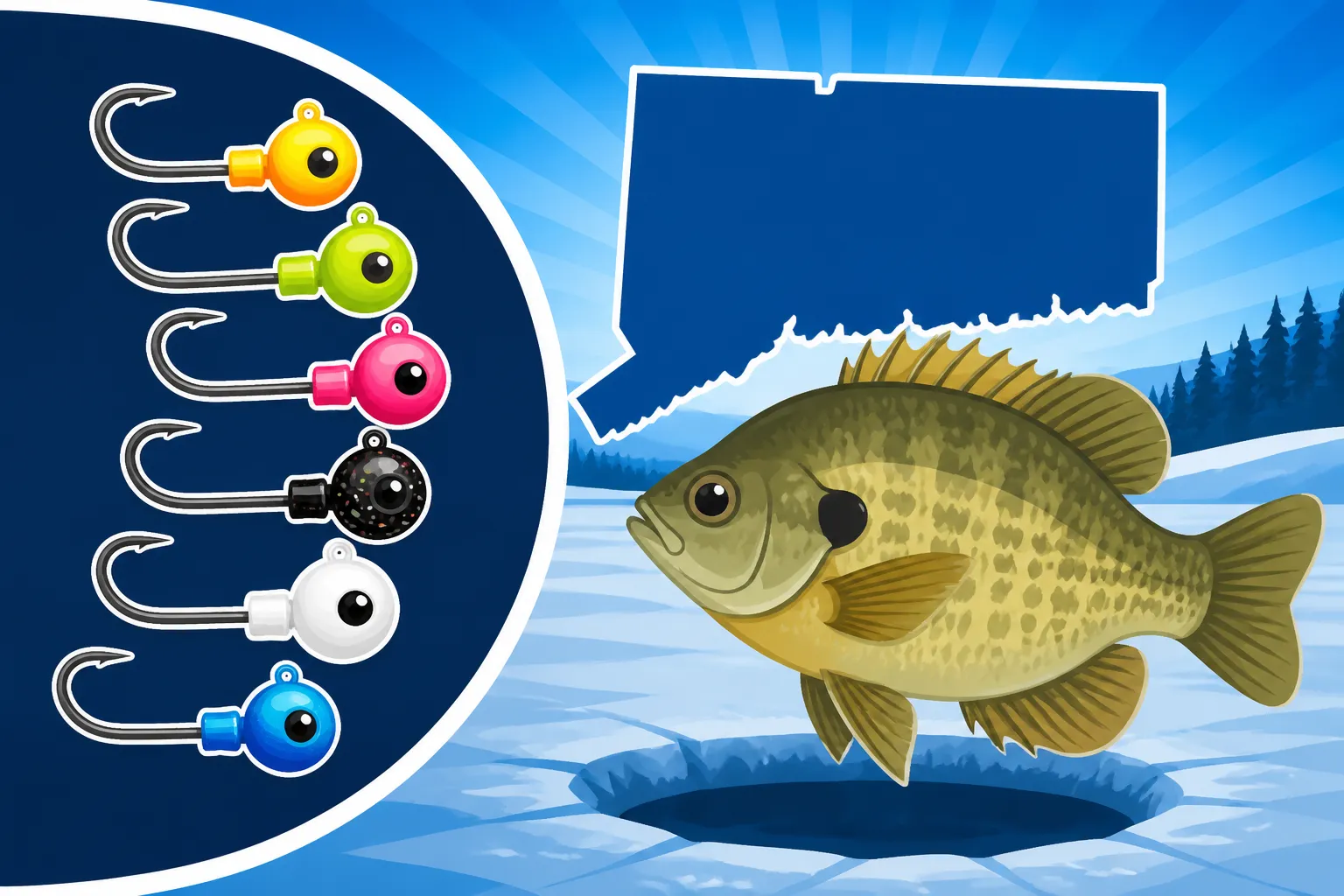
- White: This is often a go-to. White mimics many larval insects, zooplankton, and even tiny baitfish. It offers good contrast in low light without being overly aggressive. It’s particularly effective for crappie, which often feed on small, translucent prey. A small white or cream-colored jig tipped with a wax worm can be deadly.
- Black: Don't underestimate black. In extremely low light conditions, or even in surprisingly clear water, a black jig creates a very strong silhouette. Fish looking up towards the surface against the faint light will see this silhouette clearly. It can mimic small insects or even a leech. When panfish are particularly finicky, a tiny black jig often gets overlooked, yet it consistently produces.
- Brown and Olive: These colors mimic natural bottom debris, aquatic insects, and often blend into the environment, making your presentation seem more natural and less threatening. They work wonders in waters with a lot of natural vegetation or a stained bottom. For bluegills and sunfish, which often forage near the bottom, a small brown or olive jig can be incredibly effective, especially when paired with a tiny piece of bait. You can find a wide assortment of these natural-toned micro-jigs on Amazon, ready to be added to your tackle box.
When to Reach for Bright and Contrasting Hues
While subtlety is often key, there are definitely times when you want your jig to scream, "Look at me!" These are typically situations where you need to attract fish from a distance or when the water is murky.
- Chartreuse: This vibrant green-yellow is a panfish magnet. It has excellent visibility in stained or dark water, and even in clear water, it can trigger an aggressive response. It's especially good for active fish that might be patrolling a bit higher in the water column. If you’re seeing fish on your sonar but they’re not committing to more natural colors, switch to chartreuse. It’s a fantastic search bait to locate active fish.
- Orange and Hot Pink: These "hot" colors are fantastic attractors. They're often used to trigger a reactionary strike from less-than-enthusiastic panfish. These colors tend to stand out well in a variety of water conditions, particularly if there's any stain or sediment. For perch, in particular, a small orange or pink jig can be incredibly effective. Sometimes, the fish just need that little bit of extra flash to get them to bite.
- Two-Tone Combinations: Don't forget jigs that combine two colors, like chartreuse and white, or black and yellow. These offer excellent contrast and can appeal to different visual cues in varying light conditions. For instance, a black and white jig provides both strong silhouette and a flash of visibility.
The Understated Effectiveness of Glow and UV Jigs
In the lowest light conditions under heavy snow or during dawn and dusk, glow-in-the-dark and UV-reactive jigs become indispensable.
- Glow Jigs: These jigs are treated with phosphorescent materials that absorb light and then slowly emit it, literally glowing underwater. This creates an irresistible beacon in extremely dark conditions, drawing fish in from a greater distance. You "charge" them with a flashlight or a special UV light before dropping them down the hole. Crappie and perch, which often feed in deeper or darker waters, are especially susceptible to glow jigs.
- UV Jigs: Unlike glow jigs that emit light, UV jigs reflect ultraviolet light, which penetrates water deeper than visible light. Many fish species can see in the UV spectrum, meaning a UV jig will appear brighter and more vibrant to them, even in seemingly dark water. These aren't necessarily "glowing" but rather "popping" in a way fish can perceive better. Many modern jigs, even ones without overt "glow," incorporate UV finishes. Look for jigs labeled "UV" or "UV enhanced" on retailers like Amazon for an edge on those dreary winter days.
Matching Your Jig Color to Water Clarity and Conditions
Choosing the perfect jig color isn't just about what looks good to you; it's about what the fish can see and what triggers them. The conditions on and under the ice play a huge role.
Clear Ice, Clear Water
Imagine looking down a hole on a sunny day into perfectly clear, gin-clear water. The light penetration is still reduced compared to open water, but it's much better than under heavy snow. In these conditions, fish can be incredibly wary. They'll see your jig, and possibly your line, very clearly. This is when natural and subtle colors like white, black, brown, and olive truly shine. You want to present something that looks as natural as possible, mimicking the small prey they expect to find. A tiny black jig with a small piece of bait can be incredibly effective. Bright, flashy colors might spook these fish, making them retreat rather than strike. Consider using a lighter line too, as it's less visible. For more insights on general fishing in Connecticut during different times, check out our guide on Connecticut Fishing Seasons by Month.
Snow Cover and Murky Water
Now, picture a foot of fresh snow blanketing the ice, or a pond where the water is naturally stained or has a bit of churn from current or runoff. These conditions significantly reduce light penetration and visibility. Here, the goal is to make your jig stand out. This is prime territory for bright and contrasting hues such as chartreuse, hot pink, and orange. These colors are much easier for fish to see in low visibility, drawing them in from further away. A glow jig can also be a game-changer here, providing an undeniable beacon in the underwater gloom. The contrast against the dark background helps fish pinpoint your presentation quickly. This is where you might find that the "unnatural" colors actually produce the most action because they're simply more noticeable.
Overcast Days vs. Sunny Days
The weather above the ice also plays a role in what's happening below.
- Sunny Days: Even with ice and snow cover, bright sun can filter down and create more light underwater. On these days, fish might be more receptive to slightly brighter, but still natural, colors. Think a subtle pearl white or a light chartreuse. However, if the water is exceptionally clear, sticking with very natural tones like black or brown might still be best to avoid spooking fish.
- Overcast Days: These are the classic low-light conditions that call for maximizing visibility. Overcast days mean even less natural light reaching the water column. This is a perfect opportunity to deploy your brightest chartreuse, hot pinks, oranges, and glow jigs. You want to make your offering as noticeable as possible to encourage a strike from lethargic fish. The more light-starved the conditions, the more you need a jig that practically screams for attention.
Beyond Color: Size, Shape, and Presentation
While color is undeniably a critical factor in winter panfish success, it's never the only factor. Think of it as one piece of a puzzle. The size, shape, and how you present your jig are equally important, especially when the fish are in a sluggish winter mood.
The Importance of Downsizing Your Presentation
If there's one universal rule for winter panfish, it's this: go small. Panfish in winter have slower metabolisms, reduced appetites, and often focus on tiny, almost microscopic forage. A large jig might seem intimidating or simply not worth the effort.
- Micro-Jigs are Key: We're talking jigs in the 1/64, 1/80, 1/100, or even 1/200 ounce range. These tiny offerings perfectly mimic the zooplankton, insect larvae, and small minnow fry that make up the bulk of a panfish's winter diet. The smaller the jig, the more subtle and natural its action, which is exactly what lethargic fish are looking for.
- Light Line is Essential: To get these tiny jigs to work effectively and to detect the incredibly subtle bites of winter panfish, you need incredibly light line. Two-pound test monofilament or fluorocarbon is a standard, and some anglers even drop to one-pound test in ultra-clear water or for extremely finicky fish. The thin diameter allows the jig to fall naturally and doesn't hinder its delicate action. Check out our detailed guide on Best Techniques for Winter Pickerel for more insights on specific winter angling methods, though for panfish, you'll want to go even smaller on your tackle.
Attractors and Enhancements
Sometimes, color and size aren't quite enough. That's when you need to add a little something extra to seal the deal.
- Live Bait Tipping: A tiny piece of live bait is often the ultimate enhancement. A single wax worm, a small piece of a Gulp! maggot, or even a tiny piece of a minnow tail added to your jig hook provides natural scent, taste, and subtle movement that can be irresistible. The scent trail alone can draw fish in and convince them to hold onto the jig longer.
- Scent Applications: If you prefer not to use live bait, applying a commercial fishing scent to your jig can make a huge difference. These scents come in various flavors (garlic, anise, baitfish) and can mask human odors while adding an olfactory attractant to your visual presentation. They create a "scent cloud" that fish can detect even in murky water. Many anglers swear by these, especially for finicky crappie or bluegills.
Subtle Jigging Techniques for Finicky Winter Biters
You've got the perfect color and size, maybe even a little scent. Now, how do you fish it? In winter, less is almost always more.
- Ultra-Subtle Movements: Forget aggressive jigging. Winter panfish often respond best to extremely subtle movements. Think tiny twitches of the wrist, raising the rod tip just an inch or two, or simply holding the jig perfectly still. Sometimes, the mere suspension of the jig in the water column is enough to trigger a bite.
- Long Pauses: After a tiny twitch, let the jig sit motionless for 10, 20, even 30 seconds. Fish will often approach slowly, inspect the bait, and then, if they feel it's safe and worth the energy, they'll inhale it. Many strikes occur on the pause.
- "Deadsticking": This technique involves placing a second rod in a rod holder, set up with a simple jig and bait, and letting it sit completely still. While you actively fish another hole, the deadstick often gets bites from the most cautious fish who are put off by any movement. This is a great way to explore what works best. For more on safe ice conditions for these methods, always check How thick ice needs to be to fish safely in Connecticut.
Here's a quick reference table to help guide your winter panfish jig color choices:
| Water Clarity | Snow Cover | Light Conditions | Recommended Colors | Why It Works |
|---|---|---|---|---|
| Clear | None/Light | Sunny | White, Black, Olive, Brown, Pearl | Mimics natural forage, less spooky |
| Clear | None/Light | Overcast | White, Black, Chartreuse (subtle), Glow | Good contrast, some pop without overdoing it |
| Stained/Murky | Heavy | Any | Chartreuse, Hot Pink, Orange, Glow, UV | High visibility, attracts from a distance |
| Stained/Murky | Light | Sunny | Chartreuse, Orange, White, Glow | Cuts through stain, offers good contrast |
| All | Any | Dawn/Dusk | Glow, UV, Chartreuse | Maximize visibility in extremely low light |
Ultimately, finding the best panfish jig colors for winter is an ongoing experiment. What works one day might not work the next, even in the same body of water. Keep an open mind, try different colors, and pay attention to what the fish are telling you. Sometimes that subtle white jig is gold, and other times, a screaming chartreuse is the only thing that gets a bite. Having a variety of colors, sizes, and a little live bait on hand will always increase your chances of success on the ice!
Disclaimer
This article is for general informational purposes only and does not constitute professional advice. Laws, prices and regulations vary by location and change over time. Consult a qualified professional for guidance on your specific situation.