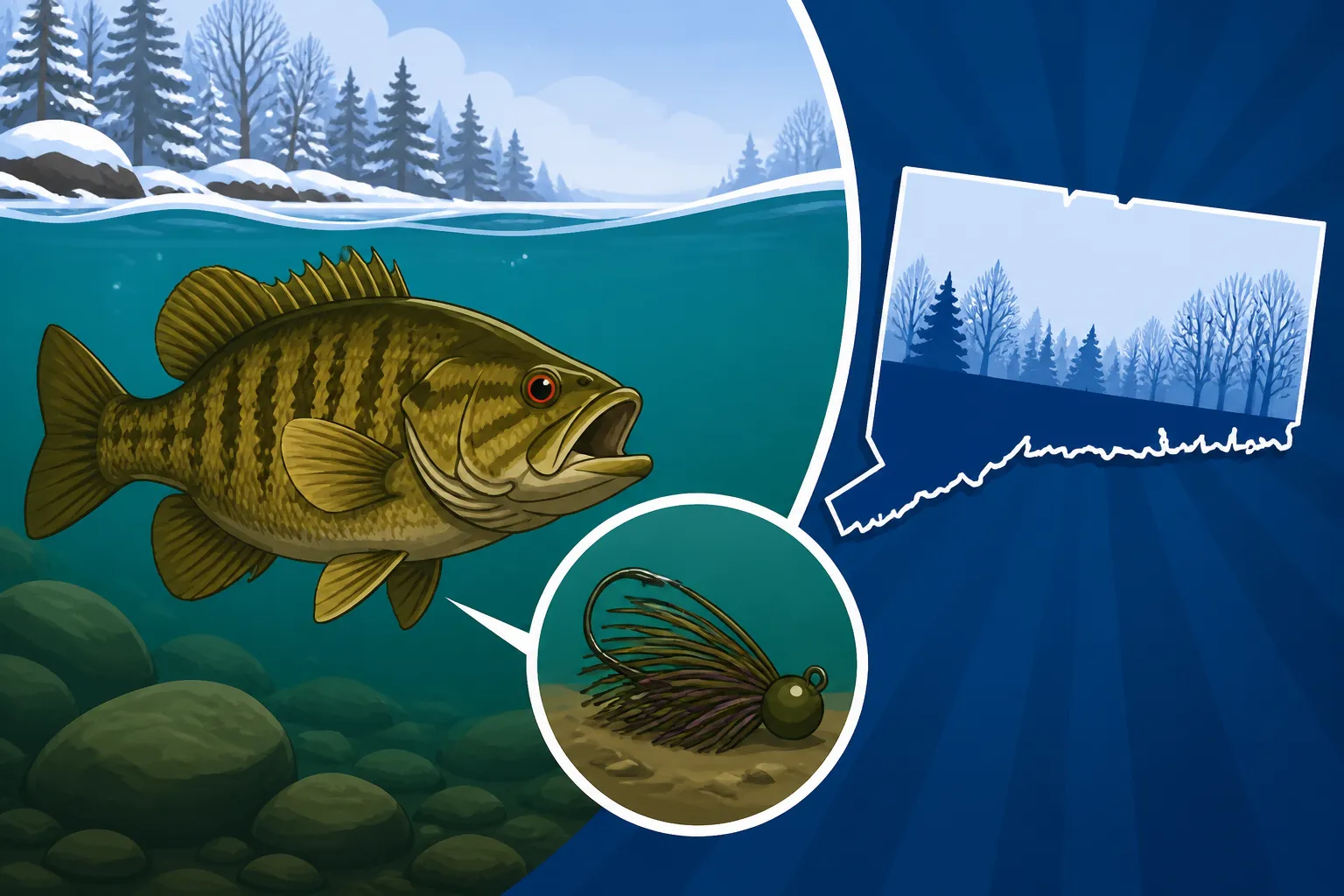
Best hair jig technique for winter smallmouth
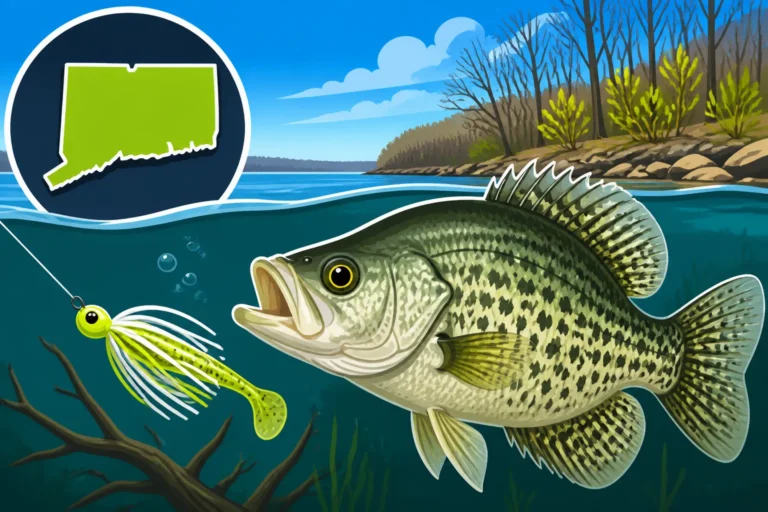
Winter smallmouth bass fishing in Connecticut can feel like a riddle wrapped in an enigma. Many anglers pack up their gear once the leaves fall, convinced that smallmouth become completely dormant and impossible to catch. This couldn't be further from the truth, but it certainly isn't like summer power fishing. The key to unlocking successful winter smallmouth action, especially in those crisp, cold Connecticut days, often lies in mastering the subtle art of the hair jig. If you've struggled to get bites when the water dips into the low 40s or even 30s, this guide is going to walk you through exactly why hair jigs are so effective and how to present them to entice those elusive, hard-fighting smallmouth.
Why Winter Smallmouth Are Worth the Effort and the Challenge
There's a common misconception that once the water gets truly cold, smallmouth bass just shut down entirely, burrowing into the mud like bears hibernating. While their metabolism slows significantly, making them less active, they certainly don't stop eating. They just become incredibly selective and conserve energy. This makes them a unique challenge, but one that can be incredibly rewarding. The fish you catch in winter are often some of the biggest and healthiest of the year, providing a real sense of accomplishment when you crack the code.
The Myth of Dormant Winter Bass
It's easy to look at a glassy, cold lake surface or a sluggish river in December and assume nothing is biting. Many anglers experience this frustration firsthand, trying the same aggressive presentations they used in summer and coming up empty. But smallmouth are still down there, albeit concentrated in specific areas and in a much more lethargic state. They're not chasing fast-moving baits across wide flats. Instead, they're often grouped tightly, waiting for an easy, high-protein meal to drift right into their strike zone. Understanding this fundamental shift in behavior is the first step toward successful winter fishing. Don't be fooled by the lack of surface activity; the action is happening much deeper and slower.
Understanding Winter Smallmouth Behavior
In the winter, smallmouth bass gravitate towards stable environments where they can conserve energy and find readily available, if sluggish, forage. This means they'll seek out the deepest parts of lakes and rivers, often relating to significant structure. Think about What Water Temperature Smallmouth Bass Prefer – once it drops, they’re looking for thermal refuge. They might be nestled against large rock piles, submerged timber, or along deep channel edges. Their movements are minimal, and their feeding windows are shorter and less aggressive. They won't expend much energy chasing a meal, so your presentation needs to be incredibly subtle and almost effortless for them to intercept. This is where the hair jig truly shines, mimicking the slow, natural movements of cold-stunned baitfish or insects.
The Hair Jig: Your Secret Weapon for Cold Water Bass
When the water gets icy, you need a bait that offers an irresistible, yet non-threatening, meal. Aggressive lures can often spook these already finicky fish. This is precisely where the hair jig enters the scene as a true hero for winter smallmouth anglers. Its unique characteristics make it perfectly suited for the challenging conditions of cold-water bass fishing.
Why Hair Jigs Excel in Winter
Hair jigs, particularly those tied with natural materials like bucktail or marabou, possess an inherent subtlety that hard plastic or rubber baits often lack. The natural hair fibers breathe and pulsate in the water with the slightest movement, even when the jig is barely moving or completely still. This lifelike action, even at a near-standstill, is absolutely crucial when smallmouth bass are lethargic and hesitant to commit. The fine strands of hair create a soft, undulating profile that perfectly imitates dying baitfish, crawfish, or even aquatic insects that are struggling in the cold water. It's a "finesse" presentation in its purest form, designed to appeal to a bass's instincts without triggering their flight response or requiring them to exert much energy to investigate. This soft visual and physical profile makes it an easy target for a bass that's looking to conserve every ounce of energy.
Choosing the Right Hair Jig Size, Color, and Material
Selecting the right hair jig is critical, and it often comes down to matching the hatch, so to speak, of the local forage and light conditions. For winter smallmouth, you'll generally want to lean towards smaller jigs, typically ranging from 1/8 ounce up to 1/2 ounce, depending on depth and current. Lighter jigs allow for a slower, more natural fall, which is paramount in cold water.
When it comes to materials:
- Marabou jigs offer an incredibly soft, pulsating action, even with minimal movement. They "breathe" beautifully and are excellent for slow, delicate presentations.
- Bucktail jigs are a bit stiffer but still offer a fantastic natural movement, especially when jigged subtly. They can be a bit more durable than marabou.
- Rabbit fur jigs combine the best of both worlds, with a soft, flowing action that holds up well.
For colors, think natural and subtle. White, grey, black, brown, and olive are excellent starting points. On bright, sunny days with clear water, lighter colors like white or grey can be effective. In cloudy conditions or stained water, black or dark brown can provide a better silhouette. Sometimes, a jig with a touch of chartreuse or orange flash can trigger a bite, especially if the fish are slightly more active. Don't be afraid to experiment, but always start with natural tones. If your local tackle shop has a limited selection, you can often find a wider variety of colors and weights of high-quality hair jigs on sites like Amazon.
Mastering the Hair Jig Technique for Winter Smallmouth
This isn't a technique where you throw and wind. Winter hair jigging is an exercise in patience, feel, and subtle execution. Your goal is to make the jig appear as natural and effortless as possible, almost as if it's drifting lifelessly, barely struggling.
Presentation Is Everything: The Slow, Subtle Approach
The cardinal rule of winter hair jig fishing is slow, slower, and then even slower. Forget aggressive snaps or fast retrieves. You want to impart just enough action to make the hair fibers pulsate without making the jig dart around wildly.
Here are a few effective retrieval techniques:
- The Drag and Pause: Cast your hair jig out and let it sink to the bottom. Once it hits, slowly drag it along the bottom using your rod tip, perhaps only a foot or two at a time. Then, pause. And I mean really pause. Let it sit for 5-10 seconds, or even longer, allowing the subtle currents to work the hair. Most bites will come on this pause or on the initial lift after a long pause. This methodical approach allows lethargic fish ample time to inspect the bait and decide to take it without expending too much energy. Imagine a cold-stunned baitfish barely able to move; that's the illusion you're trying to create.
- The Tiny Hop: Instead of a drag, try making very small, almost imperceptible lifts of your rod tip—just enough to hop the jig an inch or two off the bottom. Let it flutter back down on a semi-slack line. The key here is not to create a large jump, but rather a gentle "thump" on the bottom followed by a slow descent. This mimics a crawfish or small baitfish trying to move but quickly giving up. Keep those pauses long after each hop.
- Dead Sticking: Sometimes, the best technique is to do absolutely nothing. Cast your jig out, let it sink to the desired depth, and simply hold your rod still, allowing the current and micro-movements of the water to work the hair. This is particularly effective in current breaks or deep pools in river systems. It requires immense patience but can be incredibly effective when fish are at their most sluggish. This technique can be especially potent when fishing Connecticut Trout Management Area Regulations which often have slow-moving, deep sections.
Reading the Bite and Setting the Hook
Winter smallmouth bites on a hair jig are rarely the aggressive thumps you feel in warmer water. You'll need to develop a keen sense of touch and observation. Often, a bite will feel like a subtle "tick," a sudden heaviness, or simply your line going slack or moving sideways when it shouldn't. Sometimes, you won't feel anything distinct at all, but rather when you go to move the jig, it just feels "different," like a sponge.
- Line Watching: Pay close attention to your line where it enters the water. Any twitch, jump, or unexplained movement can indicate a bite. If you see the line suddenly go slack when it should be tightening, set the hook!
- Feeling the Weight: Many times, a smallmouth will simply suck in the jig and not move. It will feel like you've snagged a piece of weed or a soft rock. When you feel that subtle "weight" or "mushy" feeling, don't hesitate.
- The Sweep Set: Because the bites are often soft, a violent hookset can tear the small hook from their mouth. Instead, use a controlled "sweep set." When you detect a bite, firmly sweep your rod to the side, maintaining steady pressure, rather than snapping it straight up. This allows the fish to fully ingest the bait and drives the hook home securely.
Essential Gear for Winter Hair Jigging
Your gear setup can make a significant difference in your ability to detect those subtle winter bites.
- Sensitive Rod: A medium-light to medium power spinning rod, around 6'6" to 7' in length, with a fast or extra-fast action is ideal. The fast tip allows for casting lighter jigs and detecting subtle takes, while the backbone provides enough power to fight strong smallmouth. Materials like graphite are key for sensitivity. If you're looking for ultra-sensitive rods for finesse techniques, you might find some excellent options for diverse brands and price points on Amazon.
- Light Line: Fluorocarbon line is your best friend here. Its low stretch provides excellent sensitivity, and it's nearly invisible underwater, which is crucial for clear winter waters. A 6-8 lb test fluorocarbon main line or a braid main line (10-15 lb) with a 6-8 lb fluorocarbon leader (6-10 feet) is perfect. The low visibility of fluorocarbon helps avoid spooking wary smallmouth.
- Open-Face Spinning Reel: A 2000 or 2500 series spinning reel will balance well with your sensitive rod, allowing for smooth casting of light jigs and easy line management.
- Cold Weather Apparel: Don't forget to dress warmly! Layering is key, and good quality gloves that allow for dexterity are crucial for feeling those bites. When Connecticut Boaters Must Wear Life Jackets Year-Round also offers important safety considerations for any winter boating.
Where to Find Winter Smallmouth with Hair Jigs
Knowing where to present your meticulously selected and retrieved hair jig is just as important as the presentation itself. Winter smallmouth are highly predictable in their locations because they are seeking specific conditions.
Deep Structure and Vertical Cover
In large Connecticut lakes like Candlewood Lake or Lake Lillinonah, smallmouth will congregate in the deepest available structure. This includes:
- Deep Ledges and Drop-offs: Focus on the deepest breaks in a lake, especially where a flat transitions sharply into a deeper channel or basin. Smallmouth will often stack up right on the edge of these ledges.
- Rock Piles and Humps: Isolated rock piles or humps in deep water provide excellent ambush points and protection. These are prime areas for smallmouth to gather. Use your electronics to pinpoint these underwater features.
- Submerged Timber and Brush Piles: While more common for largemouth, deep timber can hold smallmouth, especially if it's near a sharp drop. Just be prepared for snags!
- Channel Swings: In reservoirs, bends in the old river channel can be magnets for smallmouth. Look for where the channel comes close to a steep bank.
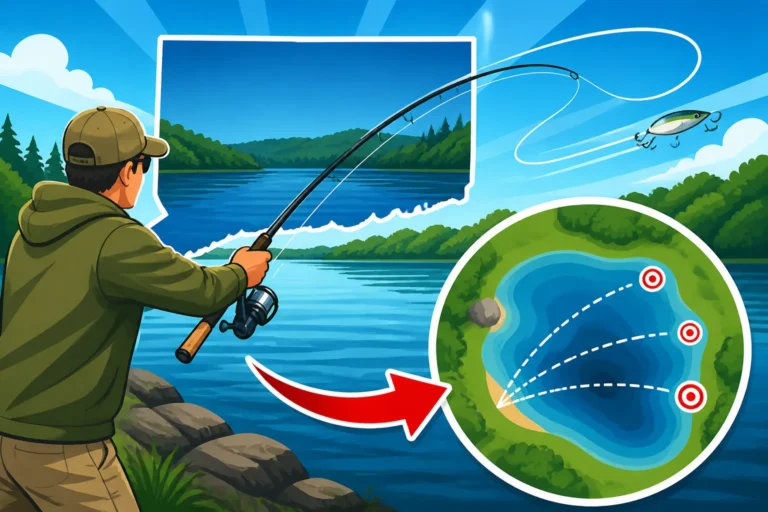
When fishing these areas, position your boat directly over or slightly upwind/upcurrent from the structure and make short, accurate casts to work your hair jig methodically. Remember, the fish are not moving much, so you need to put the bait right in front of them. For more specific location ideas, check out the Candlewood Lake Fishing Guide.
Current and River Systems
River smallmouth also seek out deep, current-protected areas during winter. On rivers like the Housatonic or the Connecticut River, look for:
- Deep Pools: The deepest, slowest-moving pools in a river system are winter havens for smallmouth. They offer shelter from strong currents and often hold warmer water than faster, shallower sections.
- Current Seams and Eddies: Smallmouth will tuck into eddies behind large boulders, bridge pilings, or sharp bends where the current slows significantly. They can rest here while still having access to food drifting by.
- Confluence Areas: Where two rivers or a major tributary meets the main stem, you often find deeper water and a mixing of currents, creating prime winter holding spots.
- Dam Tailwaters: Below dams, deep scour holes and current breaks can concentrate smallmouth. Just be mindful of Connecticut Housatonic River Seasonal Closure Explained and other specific regulations in these areas.
When fishing rivers, use the current to your advantage. Cast slightly upstream and allow your hair jig to drift naturally into the holding areas, maintaining just enough tension to feel the bottom and detect bites. The slow drift with the current often perfectly mimics a vulnerable baitfish. Many anglers find the Housatonic River Fishing Guide to be an invaluable resource for finding these riverine smallmouth honey holes.
To summarize, winter smallmouth fishing with hair jigs requires patience, precision, and an understanding of cold-water bass behavior. By slowing down, using the right gear, and focusing on key deep structures, you can turn those seemingly dead winter days into some of your most memorable fishing experiences.
| Hair Jig Type | Action / Movement | Ideal Conditions | Typical Retrieve | Pros | Cons |
|---|---|---|---|---|---|
| Marabou | Very soft, pulsing, "breathing" | Extremely cold water, very clear water, finicky fish | Slow drag, long pauses, dead stick | Unmatched subtle action, highly appealing | Can be less durable, absorbs water easily |
| Bucktail | Subtle, but slightly stiffer pulsation | Cold to cool water, light current | Slow drag, small hops | Durable, good in current, versatile | Can be too stiff for extreme finesse |
| Rabbit Fur | Soft, flowing, excellent movement | Cold water, moderate current, varied depths | Drag, hops, slow retrieve | Good hybrid action, durable fur | Can be harder to find, may require more weight |
Disclaimer
This article is for general informational purposes only and does not constitute professional advice. Laws, prices and regulations vary by location and change over time. Consult a qualified professional for guidance on your specific situation.