How to fish a swimbait for big smallmouth
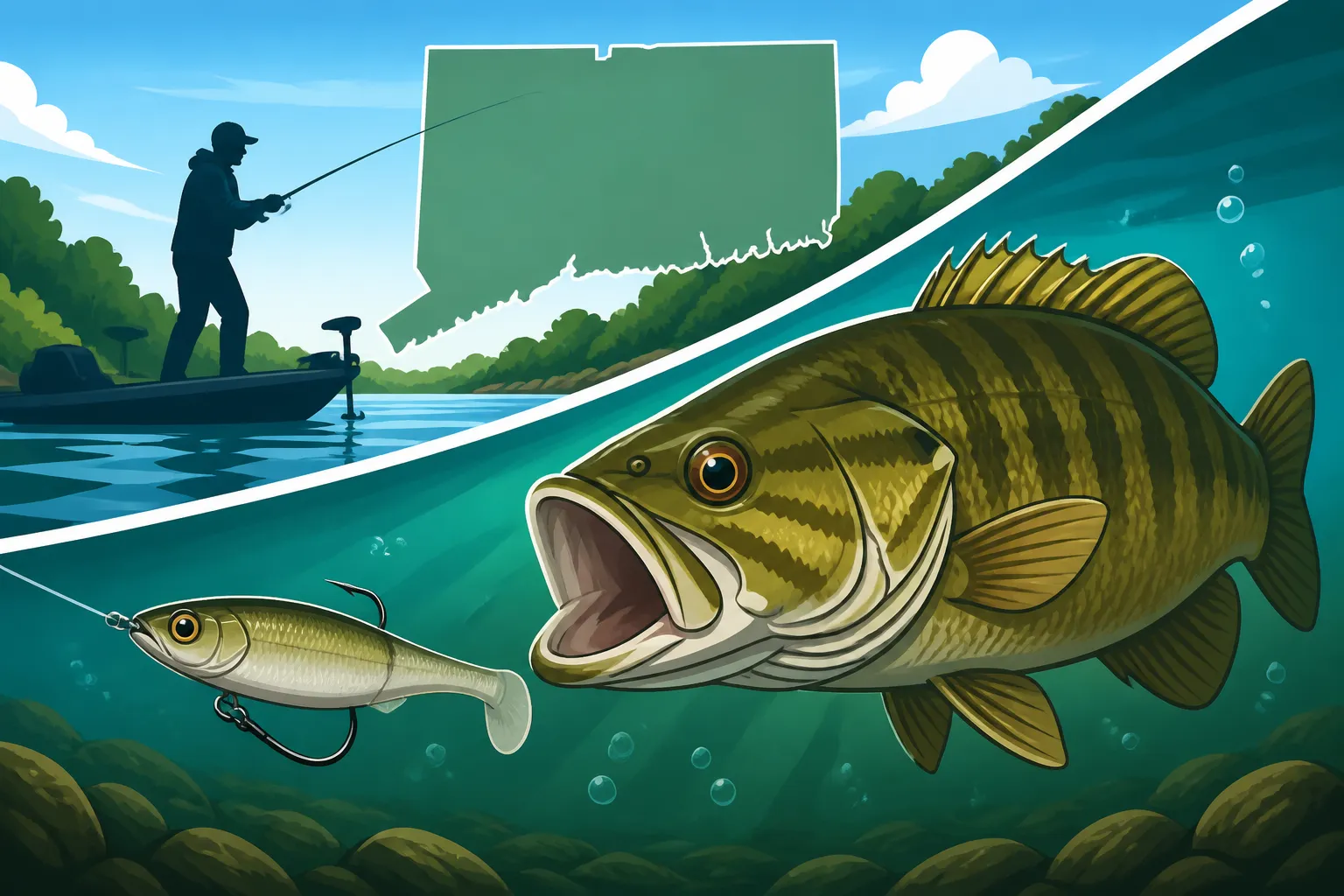
If you've ever felt that frustration of seeing smaller smallmouth bass eagerly chase your traditional lures while the true giants seem to scoff at them, you're not alone. Targeting those elusive, big bronze backs in Connecticut can feel like a riddle wrapped in an enigma, especially when they're keying in on larger forage. But what if I told you there's a technique that consistently unlocks their predatory instincts and can put you on the fish of a lifetime? This comprehensive guide will dive deep into the world of swimbait fishing, showing you how to effectively present these irresistible offerings to coax out the biggest smallmouth bass Connecticut has to offer.
Why Swimbaits for Connecticut Smallmouth?
Smallmouth bass, especially the trophy-sized ones, are apex predators in their ecosystems. They're not just looking for a quick snack; they're looking for a substantial meal. This is where swimbaits shine, presenting a profile and action that screams "easy prey" to a hungry smallmouth.
Mimicking Natural Forage
One of the primary reasons swimbaits are so effective for bigger smallmouth is their incredible ability to imitate the fish's natural diet. Think about what a large smallmouth eats: alewives, shiners, perch, trout, even bigger crayfish. These are substantial prey items, and a well-chosen swimbait replicates them almost perfectly. Unlike smaller, more erratic lures, a swimbait glides through the water with a lifelike swim, mimicking a confused or injured baitfish. This natural presentation is often too tempting for a large, opportunistic smallmouth to ignore. In many of our Connecticut lakes and rivers, like the Housatonic or parts of the Connecticut River, smallmouth grow large by feeding on these types of bigger forage, making a swimbait a highly accurate imitation of their preferred meal.
Triggering Reaction Strikes
Beyond just mimicking forage, swimbaits possess a unique ability to trigger powerful reaction strikes. The subtle yet distinct thumping of a paddle tail, the side-to-side glide of a hard swimbait, or the slow roll through the water column creates a predatory response that's hardwired into these fish. Sometimes, a big smallmouth isn't actively feeding, but the sight of a sizable, vulnerable swimbait swimming through its territory is enough to provoke an aggressive, territorial strike. It's often not a gentle tap; it's a rod-bending, drag-screaming thump that tells you a serious fish has committed. While it might require a bit more patience than power-fishing with cranks or jigs, the payoff, often in the form of a truly large smallmouth, makes it incredibly rewarding.
Versatility in Water Conditions
Don't let the realistic appearance fool you into thinking swimbaits are delicate or limited in their application. They are remarkably versatile and can be fished effectively across a wide range of water conditions and environments found throughout Connecticut. From the crystal-clear depths of Candlewood Lake to the swift currents of the Farmington River, there's a swimbait and a retrieve method for almost any situation. They can be slow-rolled along the bottom in cold water, ripped through submerged weed beds, or burned just under the surface during a twilight bite. This adaptability means you can keep a swimbait tied on for much of the fishing season, adjusting your technique rather than constantly changing lures. This versatility makes them a staple in the tackle box of any angler serious about How to Catch Smallmouth Bass in Connecticut Rivers.
Choosing the Right Swimbait for Connecticut Smallmouth
Selecting the perfect swimbait can feel a bit overwhelming given the sheer variety available. However, understanding the basic types and what makes them effective for smallmouth will simplify your choices.
Hard vs. Soft Swimbaits
The world of swimbaits broadly divides into hard and soft varieties, each with distinct advantages.
-
Hard Swimbaits: These lures are typically made of plastic or wood and often feature multiple jointed sections, giving them a very fluid, natural swimming action. Think of a realistic fish imitation that glides and wiggles as you retrieve it.
- Jointed Swimbaits: These have one or more hinges that allow the body sections to move independently, creating a distinct S-pattern swim. They're excellent for targeting active fish in clear water where visual appeal is paramount. Their realistic movement can draw fish from a distance.
- Glide Baits: These are often unjointed or have minimal joints, designed to "glide" side-to-side with a subtle twitch of the rod. They create a wide, sweeping action that can be incredibly effective on wary, larger smallmouth, mimicking a large baitfish slowly meandering. They excel in open water and around sparse cover.
- Wake Baits: These swimbaits are designed to be retrieved just under or on the surface, creating a "waking" V-pattern on the water. While less common for deep smallmouth, they can be phenomenal during low light conditions or when smallmouth are targeting baitfish near the surface.
- When to Use Hard Swimbaits: Opt for hard swimbaits when targeting active fish in clear water, especially around rocky points, deep humps, or open water where smallmouth are cruising. Their realistic profile and action are unmatched for visual appeal. You can find a huge variety of these, from high-end handcrafted models to more affordable production ones, often available on sites like Amazon.
-
Soft Swimbaits: These are molded from soft plastic, typically with a paddle tail or boot tail that creates vibration and a swimming action as it moves through the water.
- Paddle Tail Swimbaits: The most common type, featuring a flat, paddle-shaped tail that kicks and vibrates as you retrieve it. This creates a natural swimming motion and a subtle thumping sound that smallmouth can detect from a distance. They are incredibly versatile.
- Boot Tail Swimbaits: Similar to paddle tails but often with a chunkier, more defined "boot" at the end of the tail, creating a slightly different thumping action.
- Line-Thru Swimbaits: A design where your fishing line passes through the body of the swimbait before attaching to the hook, which hangs freely below or is embedded. This setup means the bait slides up the line during a fight, preventing the fish from using the leverage of the bait to throw the hook. Great for larger, aggressive fish.
- When to Use Soft Swimbaits: Soft swimbaits are fantastic when you need a more subtle presentation, want to fish around heavy cover (like weed beds or submerged timber with a weedless rig), or when smallmouth are less aggressive. Their soft, natural feel often encourages fish to hold on longer, giving you more time to set the hook. They are also generally more affordable and come in a vast array of colors and sizes.
Size, Color, and Action Considerations
Choosing the right size and color is critical, and often depends on the local forage and water conditions.
- Size: For big smallmouth, don't be afraid to go big! While standard bass lures might be in the 3-5 inch range, trophy smallmouth will readily engulf 6-8 inch swimbaits, and even larger in specific scenarios. Match the size to the predominant baitfish in the water you're fishing. If a lake has a healthy population of alewives, a 6-inch swimbait is a perfect starting point. Remember the adage: big bait, big fish.
- Color: Natural colors are almost always a safe bet. Shad, alewife, perch, trout, or bluegill patterns are excellent choices for clear water. In stained or murky water, brighter colors like chartreuse or darker colors like black and blue can provide better contrast and visibility. Don't overlook crayfish patterns, especially if you're fishing rocky river systems like the Housatonic or Naugatuck.
- Action: This refers to how the swimbait moves in the water. Some have a tight, subtle wiggle (often preferred in colder water or for wary fish), while others have a wider, more aggressive kick (great for active fish or to generate reaction strikes). Consider the water temperature and the fish's mood. In cold water, a slow, subtle action is often best. In warmer water, more erratic and aggressive actions can draw strikes.
Weighting and Rigging Options
How you weight and rig your swimbait will dictate its depth, action, and weedlessness.
- Jig Heads: The most common way to rig soft swimbaits. A lead head with a hook molded in. Available in various weights and hook sizes.
- Pros: Simple to rig, provides good balance, allows for precise depth control.
- Cons: Exposed hook can snag in heavy cover.
- Application: Open water, deeper structure, vertical jigging, slow rolling. Choose a weight that allows the bait to sink to your desired depth while maintaining its natural swimming action.
- Weighted Hooks: These hooks have a small weight molded or attached to the shank, allowing you to fish a soft swimbait weedless.
- Pros: Excellent for fishing through weeds, brush, or submerged timber without snagging.
- Cons: Can be harder to get good hooksets, less pronounced swimming action compared to a jig head.
- Application: Fishing thick cover, shallow water, weed lines, topwater presentation (lighter weights).
- Internal Weights/Keel Weights: Some soft swimbaits come with internal weights or have a slot for insert weights. Keel weights are often attached to the belly of the bait to keep it upright.
- Pros: Maintains the bait's natural profile, helps with casting distance, can create unique actions.
- Cons: Can be more complex to rig, not always weedless.
- Application: Specific swimbait designs, adding subtle weight without changing the external profile.
For hard swimbaits, the weighting is typically built into the lure's design, making rigging as simple as tying it to your line or using a small, strong snap. When fishing around deep rock piles or ledges in lakes like Candlewood or Lillinonah, the right jig head weight can make all the difference in getting your swimbait into the strike zone. You can find a huge selection of weighted hooks and jig heads on Amazon or at any local tackle shop.
Mastering Swimbait Presentation Techniques
Throwing a swimbait is one thing; making it dance for a trophy smallmouth is another. The retrieve and presentation are just as crucial as the bait itself.
The Steady Retrieve
This is the bread and butter of swimbait fishing, especially with paddle tail soft plastics. It's often the most effective method for covering water and triggering strikes from actively feeding fish. The goal is to simply reel the bait in at a consistent speed, allowing the paddle tail to do its work, creating that natural thumping vibration and swimming action.
- Varying Speed: Don't be afraid to experiment. Sometimes a slow, methodical crawl is what they want, especially in colder water or when fish are lethargic. Other times, a faster retrieve that pushes more water and creates a more aggressive action will trigger a chase.
- Pauses: Incorporating short pauses into your retrieve can be deadly. As the bait stops, it will slowly sink or glide, often appearing vulnerable. Many strikes occur on the pause or as you restart the retrieve. Count to two or three during the pause, then resume. This is particularly effective when fishing over rocky transitions or deep points in lakes.
- Reading the Bait: Pay attention to your rod tip. You should feel the subtle thumping or wiggling of the swimbait as it moves. If you stop feeling it, your bait might be fouled, or you're reeling too slow for its intended action.
Twitching and Jerking
When fish are a bit more aggressive, or you're trying to draw a reaction strike from a hesitant smallmouth, adding erratic twitches and jerks can be highly effective. This mimics an injured or fleeing baitfish, triggering an instinctive predatory response.
- Rod Tip Down: With your rod tip pointed towards the water, make sharp, short twitches or jerks of the rod, then pause. Retrieve slack line and repeat.
- Targeting Cover: This technique works wonders when fishing around isolated pieces of cover like a submerged tree or a large boulder. Twitch the swimbait near the cover, letting it pause and flutter, then twitch it away quickly. This "run and hide" action can provoke a strike from a smallmouth lurking nearby.
- Mix it Up: Don't be afraid to combine this with a steady retrieve. A few twitches, then a steady reel, then another pause. Keeping the fish guessing is key. This is a great approach for How to Catch Smallmouth Bass in Connecticut Rivers when they are holding in current seams.
Bottom Bouncing and Dragging
Sometimes, smallmouth are hugging the bottom, perhaps feeding on crayfish or just being lethargic. This is where bottom bouncing or dragging a swimbait, especially a soft plastic rigged on a jig head, can be incredibly productive.
- Contact is Key: Cast your swimbait out and let it sink all the way to the bottom. Once it hits, slowly lift your rod tip to pull the bait a few feet, then let it fall back, maintaining light line tension to feel for bites. You can also slowly drag it along the bottom, letting the paddle tail gently kick up sediment.
- Crayfish Imitation: This technique excels when using crayfish-patterned swimbaits. The lift-and-fall motion perfectly mimics a crayfish scuttling along the bottom or attempting to escape.
- Cold Water: In colder water, when smallmouth are less willing to chase, a slow, bottom-oriented presentation can be the ticket. It allows the fish to investigate the bait without expending too much energy. This is a valuable technique for early spring and late fall fishing in deeper parts of our lakes.
Fishing Current and Structure
Connecticut's smallmouth thrive in river systems like the Housatonic, where current and structure dictate their behavior. Fishing swimbaits here requires a nuanced approach.
- Current Seams: Smallmouth will often sit just out of the main current, in a seam or eddy, waiting for food to drift by. Cast your swimbait upstream of the seam and let the current carry it naturally into the strike zone, reeling just enough to keep tension and ensure the bait is swimming.
- Deep Pools and Eddies: These areas in rivers often hold larger smallmouth. Slow-roll a heavier swimbait through these spots, paying attention to depth changes and any submerged structure.
- Rocks and Ledges: Smallmouth love hard bottom and vertical structure. Present your swimbait parallel to rock walls, over submerged ledges, or by "bouncing" it off large boulders. The deflection can often trigger a strike. For more specific guidance on river fishing, check out How to Fish a River for Smallmouth Bass.
Gear Up for Swimbait Success
To effectively throw and retrieve swimbaits, especially those larger ones that entice trophy smallmouth, you need the right tools for the job. Skimping on gear will lead to frustration and lost fish.
Rod and Reel Selection
This isn't your average spinning rod setup; you need power and backbone.
- Rods: Look for a baitcasting rod with a medium-heavy to heavy power rating and a moderate-fast action. The power is essential for casting heavier swimbaits accurately and for driving a large hook into a smallmouth's bony mouth. The moderate-fast action provides enough bend to absorb head shakes and prevent hooks from pulling out during a fight, while still offering good casting distance and sensitivity. Rods in the 7' to 7'6" range are ideal for leverage and casting. A longer handle will help with two-handed casting of heavier baits.
- Reels: A sturdy baitcasting reel with a good gear ratio (6.1:1 to 7.1:1 is a versatile range) is crucial. You'll want a reel with a strong drag system to handle the powerful runs of big smallmouth and ample line capacity for longer casts. Make sure the reel can handle the heavier line you'll be using. Popular brands offer models specifically designed for heavier baits, and you can explore options on Amazon.
Line Choices
Your choice of line impacts casting distance, sensitivity, and strength.
- Fluorocarbon: Often the preferred choice for swimbaits due to its low visibility underwater, excellent sensitivity, and abrasion resistance. It sinks, which can help keep your swimbait deeper. Use 15-20 lb test for most applications. Its sensitivity allows you to feel subtle bites and the action of your swimbait.
- Braided Line: Offers incredible strength, zero stretch for maximum sensitivity and hook-setting power, and excellent casting distance. However, it's highly visible underwater. Many anglers will use 30-50 lb braided line as their main line and then tie on a fluorocarbon leader (15-20 lb) for stealth. This combination gives you the best of both worlds.
- Monofilament: While less common for dedicated swimbait fishing due to its stretch and higher visibility, a heavy monofilament (17-25 lb) can be used, particularly with treble-hooked hard swimbaits where the stretch can act as a shock absorber. However, its memory and lower abrasion resistance make it a less ideal primary choice for this technique.
Essential Accessories
Don't forget the small but mighty items that make a big difference.
- Leader Material: If using braided main line, a good quality fluorocarbon leader is non-negotiable. It provides the invisibility needed for clear Connecticut waters.
- Snap Swivels (Use with Caution): While generally avoided in bass fishing to maintain lure action, a small, high-quality snap can be useful for quickly changing hard swimbaits. Ensure it's strong enough and doesn't impede the bait's action. For soft plastics, tie direct or use a small split ring on the jig head.
- Pliers/Forceps: Crucial for safely removing hooks from a smallmouth's mouth, especially if it's deeply hooked.
- Landing Net: A good, rubberized landing net is invaluable for safely landing larger smallmouth, especially if you're practicing catch and release. It minimizes fish handling and stress. For those fishing from a kayak or smaller boat, a compact net is a must. Check out options on Amazon for nets suitable for kayak fishing.
Where to Find Big Smallmouth in Connecticut
Connecticut boasts several fantastic locations where big smallmouth thrive, making them prime targets for swimbait enthusiasts. Understanding the types of water and key structural elements will significantly increase your chances of success.
River Systems
Connecticut's rivers are renowned for their smallmouth bass populations, with some holding true giants. The dynamic environment of a river often concentrates fish in specific areas, making them easier to target.
- Housatonic River: This river is a smallmouth haven, particularly its upper stretches. Look for current breaks, deep pools, eddy lines behind large boulders, and areas with submerged timber. The Housatonic offers excellent opportunities for both wading and boat fishing. Focusing on areas where baitfish congregate, or where trout might be present, can be especially productive. Consider exploring the Housatonic River Fishing Guide for specific access points and seasonal tips.
- Farmington River: While primarily known for its trout, certain sections, especially below Unionville, hold impressive smallmouth. The deeper, slower pools and areas with rocky bottoms are prime. Fly anglers targeting smallmouth here often find success with larger streamers, which can be thought of as fly-fishing's version of a swimbait. Learn more in the Farmington River West Branch Trout Fishing guide.
- Connecticut River: The state's largest river holds smallmouth in its shallower, rocky sections, particularly upstream of Hartford. Focus on tributaries, bridge pilings, and rocky shorelines where current provides oxygen and concentrates bait.
- Naugatuck River: This river has seen a remarkable comeback and offers some fantastic smallmouth fishing. Look for deeper runs, rocky pockets, and structure created by fallen trees.
Large Lakes and Reservoirs
Connecticut's larger impoundments offer vast expanses of water, but big smallmouth tend to relate to specific types of structure in these environments.
- Candlewood Lake: This is arguably Connecticut's premier smallmouth fishery, consistently producing large bass. Swimbaits are a top choice here. Focus your efforts around rocky points, deep humps, main lake ledges, and transition areas where hard bottom meets softer sediment. Smallmouth often suspend over deep water, especially if schools of alewives are present. Vertical jigging a soft swimbait over deep structure can be incredibly effective. Dive deeper into tactics with the Candlewood Lake Bass Fishing guide.
- Lake Lillinonah: Another fantastic smallmouth lake with abundant forage and structure. Look for rocky shorelines, submerged humps, old roadbeds, and creek channels. Similar to Candlewood, smallmouth will suspend here, making sonar invaluable for locating them. The Lake Lillinonah Fishing Guide offers more detailed insights.
- Lake Zoar: This impoundment also offers excellent smallmouth opportunities. Pay attention to the main river channel, rocky bluff walls, and any prominent points or deep water adjacent to shallower flats. You can find more information on Lake Zoar Fishing Guide.
- Mashapaug Lake, Coventry Lake, Gardner Lake: These and other large lakes can also hold impressive smallmouth. The key is to find the deeper, rockier sections, especially those with access to open water where baitfish can roam.
Key Structural Elements
Regardless of whether you're on a river or a lake, big smallmouth consistently relate to specific structural elements.
- Submerged Timber: Fallen trees, brush piles, and stumps provide ambush points and cover for both smallmouth and their prey. Rigging a soft swimbait weedless is essential here.
- Rock Piles and Ledges: Smallmouth love rocks. Look for large boulder fields, rocky outcrops, and sharp ledges that drop into deeper water. These areas often hold crayfish, a favorite food source.
- Drop-offs and Transitions: Where shallow water abruptly meets deep water, or where rock changes to sand, these transition zones are highways for smallmouth moving between feeding and resting areas.
- Current Seams (Rivers): As mentioned, any break in the current, whether it's behind a boulder, a log, or along a shoreline irregularity, will likely hold smallmouth.
- Humps and Points (Lakes): Underwater humps and points that extend into deeper water are classic smallmouth magnets. These act as ambush points for cruising fish. Learning about Smallmouth Bass Habits on the Housatonic can give you a general idea of how these fish behave in various structures.
Fishing these locations with swimbaits demands patience, but the reward of a truly large Connecticut smallmouth is well worth the effort.
| Swimbait Type | Ideal Conditions | Retrieve Style | Pros | Cons |
|---|---|---|---|---|
| Hard Jointed Swimbait | Clear water, active fish, open areas | Steady retrieve, stop-and-go | Highly realistic movement, draws aggressive strikes | Prone to snagging, often higher cost |
| Hard Glide Bait | Clear water, wary fish, sparse cover | Long glides, subtle rod twitches, pauses | Wide searching action, entices big smallmouth | Requires practice, can be expensive, less weedless |
| Soft Paddle Tail (Jig Head) | Versatile, varying depths, current | Steady roll, lift-and-drop, twitch-pause | Natural vibration, good depth control, affordable | Exposed hook can snag, tails can get bitten off |
| Soft Paddle Tail (Weighted Hook) | Weedy areas, shallow cover, timber | Slow roll, subtle twitches, steady retrieve | Highly weedless, good for skipping under docks | Less pronounced swimming action, tougher hooksets |
| Soft Line-Thru Swimbait | Open water, deep structure, big fish | Slow roll, subtle twitch, bottom contact | Excellent hookup ratio, bait slides away on strike | More complex rigging, not weedless, specialized |
Disclaimer
This article is for general informational purposes only and does not constitute professional advice. Laws, prices and regulations vary by location and change over time. Consult a qualified professional for guidance on your specific situation.