Best technique for pre-spawn crappie
One of the most exciting, yet often overlooked, times to target crappie in Connecticut is during their pre-spawn phase. Many anglers wait until the fish are already on their beds, but by then, you’ve missed a fantastic window when crappie are hungry and congregating in predictable areas. If you've ever felt frustrated trying to locate these elusive panfish before the spawn, you're not alone! This comprehensive guide will arm you with the knowledge and techniques to consistently find and catch pre-spawn crappie, transforming your early spring fishing outings into memorable successes.
Decoding Pre-Spawn Crappie Behavior in Connecticut
Understanding what crappie are thinking (or rather, instinctually doing) during the pre-spawn is the first step to consistently catching them. This isn't just about throwing a hook in the water; it's about anticipating their movements and leveraging their natural instincts.
The Crappie's Annual Cycle and Pre-Spawn Phase
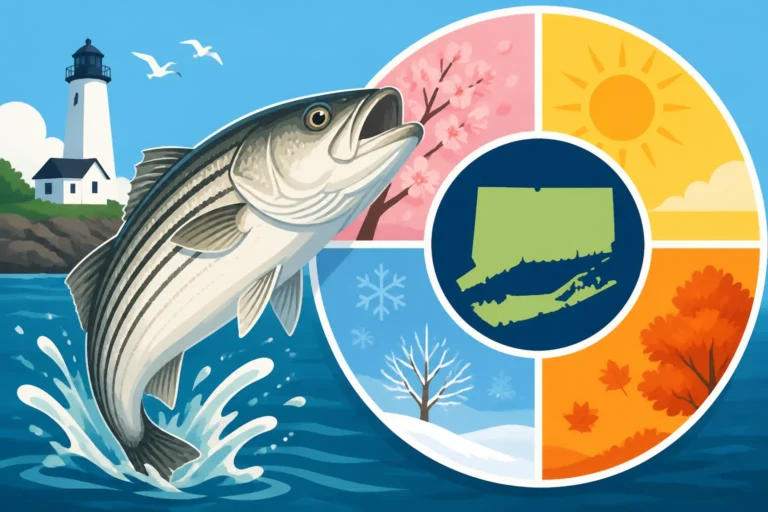
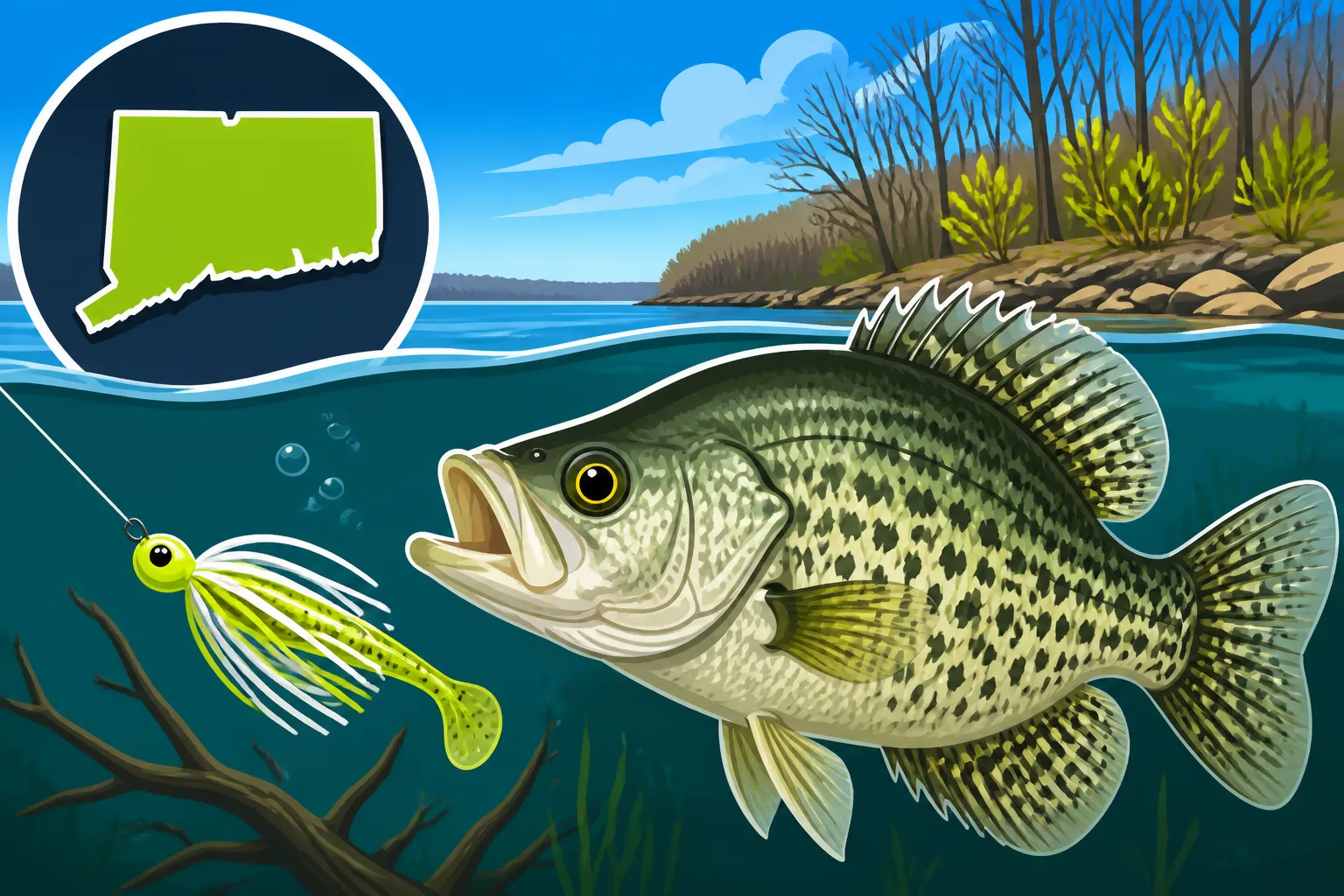
Connecticut crappie, both black and white, follow a distinct annual pattern. As winter's icy grip loosens and water temperatures slowly begin to climb, these fish start to emerge from their deep wintering holes. The "pre-spawn" phase is that sweet spot when they're actively feeding and staging in preparation for the upcoming spawn, but haven't quite committed to building nests. Think of it as their energetic warm-up act. They're still somewhat grouped together, making them easier to target, and their metabolic rates are picking up, driving them to feed aggressively. This period can last for several weeks, depending on how quickly the spring weather progresses. It’s a transition period where they move from deep, stable water towards the shallower areas they'll eventually spawn in.
This phase is critical because crappie are often at their heaviest, having spent the winter conserving energy and now actively gorging to build up reserves for the arduous spawning process. Unlike the spawn itself, where fish might be more focused on reproduction than eating, pre-spawn crappie are primarily driven by hunger, making them very susceptible to well-presented baits. If you're wondering about the broader picture, our guide on Connecticut Fishing Seasons by Month offers a great overview of what to expect throughout the year.
Water Temperature is Your Best Friend
If you take one piece of advice away from this guide, let it be this: pay attention to water temperature. It is, without a doubt, the single most crucial factor in locating pre-spawn crappie in Connecticut. Crappie are cold-blooded creatures, and their activity levels are directly tied to the thermometer.
Typically, crappie start to become truly active during pre-spawn once water temperatures hit the low to mid-40s Fahrenheit. As the water warms into the high 40s and low 50s, their activity will peak. When it pushes into the mid-50s and beyond, they're likely moving onto actual spawning beds. So, if you're out on a crisp spring morning, diligently checking the water temperature with a good thermometer, you're already ahead of the game. Look for areas where the water warms up even a degree or two faster than the surrounding areas – these can be crappie magnets. We’ll discuss where to find these warmer pockets in a moment.
The Importance of Cover and Structure
Crappie, regardless of the season, are almost always found near some form of cover or structure. During the pre-spawn, this becomes even more pronounced. They're looking for safety from predators, ambush points for feeding, and staging areas that offer easy access to shallower spawning grounds without exposing themselves too much.
In Connecticut, this means focusing on brush piles, submerged timber, standing dead trees, rocky points, bridge pilings, and even man-made structures like boat docks or old submerged roadbeds. These features provide vertical habitat, allowing crappie to suspend at various depths, adjusting to temperature and light conditions, while remaining close to a food source or escape route. The key is to think about how these structures offer a pathway from deeper water to shallower areas. Crappie will often suspend above the actual structure, not necessarily in the densest part of it, especially if they are feeding.
Locating Pre-Spawn Crappie Hotspots in Connecticut Waters
Now that we understand why crappie are doing what they're doing, let's talk about where to find them. This requires a bit of detective work and an understanding of typical crappie habitats in Connecticut's diverse waters.
Shallow Transition Zones and Main Lake Points
As crappie prepare to spawn, they don't just magically appear on the beds. They make a gradual migration from their deeper wintering holes. The "transition zones" are those pathways, typically leading from the main lake channels or deeper basins towards shallower coves, flats, or pockets where they'll eventually spawn. Main lake points, particularly those with a gradual slope or some submerged timber, are classic examples of these staging areas.
Imagine a large Connecticut lake like Candlewood Lake or even a smaller pond. Crappie will stage on points or humps that jut out into the deeper water but also have nearby access to shallower, warmer bays. They might hold in 10-20 feet of water, suspending over a deep channel, but they're positioned strategically to move quickly into 3-5 feet of water when conditions are right. These areas also tend to hold baitfish, which are equally attracted to the warming waters and structure. Our Best Fishing Lakes in Connecticut guide can give you some excellent starting points for your crappie search.
Targeting Man-Made and Natural Structure
Connecticut lakes and ponds are dotted with all sorts of fish-holding structures, both natural and artificial. Crappie absolutely love cover, so pinpointing these spots is essential.
- Docks and Piers: In many lakes, permanent docks and piers offer fantastic vertical structure. Crappie will suspend under or around the pilings, especially those on the sunny side where the water warms quicker. Focus on docks that extend into slightly deeper water.
- Fallen Trees and Brush Piles: These are crappie goldmines. Winter storms or natural decay often leave trees partially submerged or fully sunk, creating intricate underwater condos for crappie. If you see a fallen tree extending into the water from the bank, assume there's more to it below the surface.
- Bridge Pilings: Bridges that cross larger coves or smaller rivers (where crappie might be found) provide excellent current breaks and vertical structure. The deeper water around pilings can be key staging areas.
- Submerged Weed Lines: As spring progresses, submerged vegetation will start to grow. The outer edges of these weed lines, particularly where they meet a drop-off, are prime feeding and staging grounds.
If you have a boat with a fish finder, you can actively search for these submerged structures. Side imaging can be particularly helpful for spotting brush piles or ledges that aren't directly beneath your boat. Even entry-level fish finders can be a game-changer, and there are many affordable models on Amazon that offer decent scanning capabilities for finding those brush piles. For shore anglers, studying aerial maps (like those found on mapping apps) can reveal docks, points, or visible fallen trees that extend into the water. For specific state park options where crappie often thrive, check out our Connecticut State Park Fishing Guide.
Finding the Warmest Water First
Remember that bit about water temperature being your best friend? Well, finding the warmest water pockets is how you put that knowledge into action. Look for areas that receive direct sunlight for much of the day and are sheltered from cold winds.
- North-Facing Coves: In most Connecticut lakes, the northern shores or coves will warm up faster because they're protected from prevailing northerly winds and often receive more direct sunlight earlier in the spring.
- Dark Bottom Areas: Muck or dark bottom substrates absorb sunlight more efficiently, warming the water above them faster. Shallow, dark-bottomed pockets in a cove can be several degrees warmer than other areas.
- Wind-Sheltered Zones: A slight breeze can rapidly cool surface water. Pockets or coves that are protected from the wind will maintain higher temperatures.
- Shallow Bays and Pockets: These areas typically don't hold crappie during the pre-spawn, but they are the destinations. Crappie will often be found at the mouths or entry points of these bays, waiting for the water to warm sufficiently.
By combining an understanding of temperature, structure, and transition zones, you can narrow down your search significantly.
Top Techniques and Lures for Connecticut Pre-Spawn Crappie
Once you've located some potential hotspots, it's time to present your offering. Pre-spawn crappie can be finicky, but with the right approach, you can entice them.
Vertical Jigging and Drop-Shotting for Suspended Fish
Crappie are often suspended at a specific depth, usually just above structure or in the water column between their deeper holding areas and shallower feeding grounds. This is where vertical presentations shine.
- Vertical Jigging: This is a classic crappie technique. Use a very small jig head (1/32 oz to 1/16 oz is common) tipped with a soft plastic grub, tube jig, or tiny swimbait. The key is to drop the jig straight down to the depth where you've marked fish on your sonar or where you suspect they're holding. Then, gently lift and drop the rod tip, imparting a subtle "dance" to the jig. The bite is often incredibly light – sometimes just a slight tap or a feeling of "weight" on the line. You can find a wide variety of these tiny jigs and soft plastic bodies on platforms like Amazon, making it easy to experiment with different colors and profiles. Experiment with different colors, but chartreuse, white, and black are perennial favorites.
- Drop-Shotting: While often associated with bass, drop-shotting is incredibly effective for suspended crappie. Tie a hook (a small, fine-wire Aberdeen or octopus hook works well) directly to your main line, leaving a tag end to which you'll tie a small drop-shot weight. This allows your bait (a minnow or small soft plastic) to hover precisely at the fish's depth, independent of the weight sitting on the bottom. It's a finesse presentation that can tempt even the most hesitant crappie.
Slow Trolling with Spider Rigs or Multiple Rods
If crappie are scattered or you're trying to cover a larger area of a lake, slow trolling can be incredibly effective. This method allows you to present multiple baits at different depths and cover a lot of water efficiently.
- Spider Rigging: This technique uses multiple long rods (often 8-16 feet) fanned out around the boat, each with a jig or live bait rig suspended at a precise depth. You slowly troll, often at speeds less than 1 mph, allowing your baits to meander through crappie staging areas. This is particularly useful in larger bodies of water, giving you a "spread" of offerings. You can rig each rod with a single jig, or use a tandem rig (two jigs tied in series) to present even more options.
- Depth Control: Use small sinkers or even tiny planer boards to get your baits down to the desired depth. Experiment with different depths until you find where the crappie are holding. It might be 10 feet down over 20 feet of water, or 5 feet down over 15 feet.
Casting and Retrieving Small Baits Near Cover
When crappie are holding tighter to visible cover, or in slightly shallower areas, casting and retrieving can be the ticket. This is often the preferred method for shore anglers or those in smaller boats.
- Jig and Bobber: This classic setup is simple, effective, and perfect for crappie. Use a small slip bobber set to the depth you want your jig to suspend. Cast it out near a brush pile, dock piling, or weed line, and let it sit. A slight ripple on the water from the wind or a gentle twitch of the rod tip can impart enough action to the jig to trigger a strike. It’s also a fantastic way to fish with live minnows.
- Tiny Crankbaits and Spinners: For those who prefer casting, a selection of small crankbaits or inline spinners can be deadly. Brands like Strike King, Johnson, or Mepps offer excellent options, readily available through retailers including Amazon. Look for baits in the 1/16 oz to 1/8 oz range. Cast them parallel to submerged logs, along weed edges, or around docks, employing a slow, steady retrieve with occasional pauses. This can be particularly effective when crappie are aggressively feeding. Our article on Best Baits for Smallmouth Bass on the Housatonic shares some insights on lure selection, which can be adapted for other species.
The Power of Live Bait
While artificial lures are incredibly effective, never underestimate the appeal of live bait for pre-spawn crappie. A lively minnow is often irresistible.
- Minnows: Small fathead minnows or shiners are crappie magnets. You can rig them in various ways:
- Under a Bobber: Hooked lightly through the back or lips on a small, fine-wire hook (#4 or #6) under a slip bobber.
- Tipped on a Jig: A small minnow hooked through the head, added to a tiny jig, combines the flash and scent of live bait with the action of an artificial.
- Drop-Shotting: As mentioned earlier, a minnow on a drop-shot rig is a super effective way to present it at a precise depth.
Make sure your minnows are lively and stored properly in a bait bucket to keep them fresh.
Here's a quick comparison of some popular pre-spawn crappie techniques:
| Technique | Best Use | Bait/Lure Type | Pros | Cons |
|---|---|---|---|---|
| Vertical Jigging | Suspended fish, precise depth | Small jigs (tube, grub, swimbait) | Highly precise, good for finicky fish, sensitive | Covers less water, requires boat/kayak control |
| Drop-Shotting | Suspended fish, wary crappie | Minnows, small soft plastics | Excellent depth control, natural presentation | Can be slower to rig, less weedless |
| Slow Trolling (Spider) | Scattered fish, covering large areas | Jigs, minnows (single or tandem) | Covers maximum water, presents multiple options | Requires multiple rods/holders, slower boat speeds |
| Jig & Bobber | Visible cover, shallow edges, beginners | Jigs, minnows | Easy to use, great for kids, highly visible strike indicator | Less precise depth in strong wind, limited casting distance |
| Casting (Small Lures) | Aggressive fish, defined structure | Tiny crankbaits, inline spinners | Active fishing, covers horizontal planes | Less effective for highly suspended or lethargic fish |
Essential Gear for Your Pre-Spawn Crappie Expedition
Having the right tools for the job makes all the difference when targeting pre-spawn crappie. It's often about finesse, so your gear should reflect that.
Rods, Reels, and Line for Finesse Fishing
You'll want a light setup that can handle delicate presentations and detect subtle bites.
- Rods: A light to ultralight action spinning rod, typically 5 to 7 feet in length, is ideal. The softer tip allows for longer, more accurate casts with tiny baits and provides the sensitivity needed to feel light strikes. Look for rods designed for panfish or trout fishing. Many anglers opt for inexpensive yet reliable rods and reels, often found bundled together on Amazon, perfect for a dedicated crappie setup.
- Reels: Pair your ultralight rod with a small spinning reel (500 to 1000 series). These reels are lightweight, balance well with the rods, and have smooth drags crucial for protecting light lines when you hook into a slab crappie.
- Line: Light line is paramount for crappie fishing.
- Monofilament: 4-pound test monofilament is a popular choice. Its stretch can be forgiving, and its buoyancy helps keep light jigs suspended.
- Fluorocarbon: 2 to 4-pound test fluorocarbon is nearly invisible underwater, extremely sensitive, and has less stretch. Its sinking properties can also help jigs get down faster.
- Braided Line (with leader): Some anglers use 6-8 pound braided line for its incredible sensitivity and strength, but always tie on a 2-4 foot fluorocarbon or monofilament leader (2-4 lb test) to reduce visibility to wary crappie.
Remember, a Connecticut Fishing License Guide for 2026 is always the first piece of "gear" you need before heading out!
Electronic Aids and Mapping
While you can certainly catch crappie without fancy electronics, modern tools can significantly increase your success rate, especially for finding those hidden submerged structures.
- Fish Finders/Sonar: Even a basic fish finder can show you depth, water temperature, and fish arches. More advanced units with side imaging or down imaging can reveal brush piles, submerged logs, and schools of crappie holding near them, giving you a huge advantage. This information helps you target specific depths and structures.
- GPS/Mapping: On larger lakes, a GPS unit (either standalone or integrated into your fish finder) with detailed contour maps can help you identify points, humps, and channel swings. You can also mark waypoints for productive spots, allowing you to return to them easily on future trips. This is crucial for remembering where you found that brush pile last week!
Tackle Box Essentials
Keep your crappie tackle box organized and focused. You don't need a huge array of gear, but you do need the right stuff.
- Jig Heads: A variety of sizes (1/32 oz, 1/16 oz, 1/8 oz) and colors. Think about both lead and tungsten options.
- Soft Plastics: Small tube jigs, grubs, tiny swimbaits (1-2 inches) in various colors (chartreuse, white, black, pink, pearl).
- Bobbers: Both fixed (clip-on) and slip bobbers. Slip bobbers are excellent for fishing deeper water or making longer casts.
- Hooks: Small, fine-wire Aberdeen or octopus hooks (#4 or #6) for live bait.
- Weights: Split shot or small drop-shot weights for adjusting depth.
- Pliers/Nippers: Essential for cutting line, removing hooks, and making adjustments.
- Measuring Tape/Scale: To ensure you're adhering to Connecticut Fishing Regulations Explained and to document your catches! While many crappie are caught for the frying pan, it's always good practice to know the regulations.
- Live Bait Container: If using minnows, a good bait bucket with an aerator will keep them lively.
The beauty of pre-spawn crappie fishing is that it doesn't require a massive investment in gear. With a few key items and a good understanding of crappie behavior, you'll be well on your way to enjoying some of Connecticut's finest panfishing. You might also find our guide on Best Panfish Fishing in Connecticut helpful for targeting these delicious fish year-round.
Disclaimer
This article is for general informational purposes only and does not constitute professional advice. Laws, prices and regulations vary by location and change over time. Consult a qualified professional for guidance on your specific situation.