How to catch bass around submerged timber
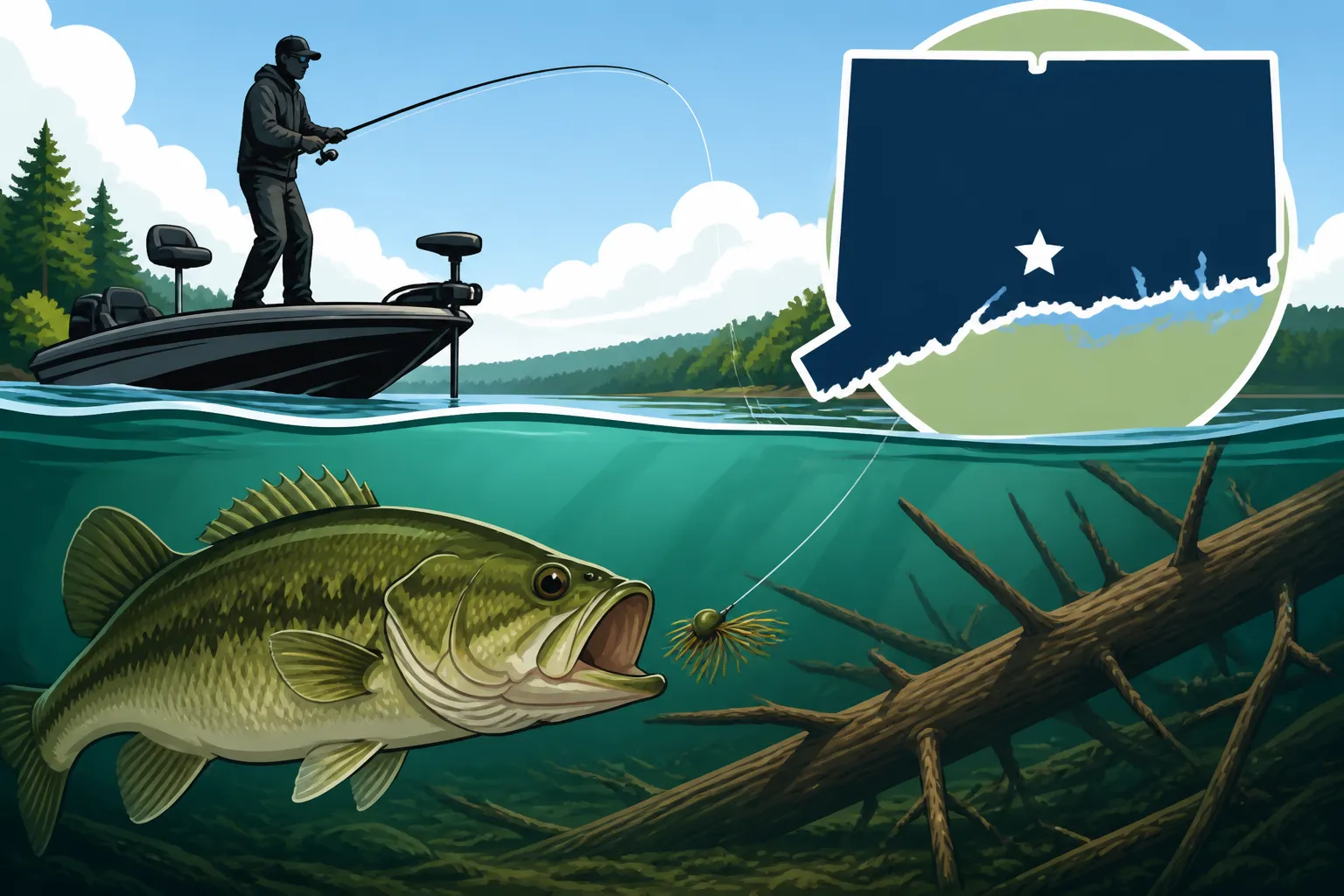
There’s a common frustration among bass anglers in Connecticut: you know those big lunkers love hiding in submerged timber, but every cast seems to end in a snag, a lost lure, or a broken line. It can feel like an impossible puzzle trying to get your bait to them without getting completely hung up. But don't despair! Targeting bass in submerged wood isn't about avoiding the snags entirely, it's about understanding why bass are there, equipping yourself properly, and employing specific techniques to get your lure in and out safely. This comprehensive guide will equip you with the knowledge and strategies to confidently fish around submerged timber in Connecticut, turning those frustrating hang-ups into exciting hook-ups.
Understanding Why Bass Love Submerged Timber
To effectively fish submerged timber, you first need to understand why bass are drawn to it. It’s not just a random hangout spot; it serves several crucial purposes for these fish, making it a prime target for anglers willing to tackle the challenge. Imagine being a bass in a vast lake or pond – where do you feel safest? Where do you find your next meal? More often than not, it’s going to be in and around that gnarly, tangled mess of sunken trees and branches.
Shelter and Ambush Points
Submerged timber provides unparalleled cover and protection for bass. Think about it: a big bass is an apex predator in its underwater world, but it still needs to conserve energy and feel secure. Dense wood offers a fantastic overhead canopy and complex structure that shields them from direct sunlight, especially on bright, clear days. This shade also provides a cooler water pocket during the hot summer months, making these spots irresistible. When bass feel comfortable and hidden, they're more likely to hold tight to that structure, rather than roaming open water.
Beyond mere shelter, submerged timber is a perfect ambush point. The irregular shapes and numerous crevices allow a bass to blend in seamlessly, waiting for unsuspecting prey to swim by. They can tuck themselves into a tight knot of branches, hidden from view, and then burst out with surprising speed to engulf a passing baitfish or crawfish. This makes fishing timber a game of patience and precision, as you're often trying to coax a territorial fish out of its fortress. It’s less about chasing them down and more about presenting an irresistible target right in their strike zone.
Forage and Food Sources
It’s not just about what eats bass; it’s also about what bass eat! Submerged timber is often a thriving ecosystem in itself, attracting a multitude of baitfish, insects, and crustaceans. Algae and aquatic plants can grow on the wood, which in turn attracts smaller baitfish, which then attract the bass. Crayfish, a favorite food of many bass, will also hide and forage among the nooks and crannies of sunken logs and branches. When you find timber, you're not just finding cover; you're often finding an entire buffet line for bass.
Furthermore, these timber-rich areas are often associated with other key bottom features like ledges, points, or creek channels. A sunken tree might have fallen from a bank that leads into a deeper channel, creating a natural highway for baitfish and, subsequently, for bass. This combination of shelter and abundant food makes timber an irresistible magnet for bass throughout the year. Understanding this connection helps you predict where bass will be holding and why they’re there, which is half the battle when trying to catch them.
Essential Gear for Timber Fishing
Fishing submerged timber demands a specific setup. If you go in with your finesse gear or a lightweight rod designed for open water, you're going to have a bad time. Snags and broken lines will be the norm, and you'll quickly get frustrated. To truly dominate the timber, you need gear that can withstand abuse, muscle fish out of heavy cover, and give you the confidence to probe those snaggy depths. Investing in the right tools is paramount, and thankfully, you can find a wide array of options on Amazon or at your local tackle shop.
Rods, Reels, and Line Selection
When it comes to rods, think power and backbone. A medium-heavy to heavy power casting rod, usually 7 to 7 and a half feet long, is your best friend. This length gives you leverage for casting accurately into tight spots and enough power to rip a bass out of the wood before it can bury itself deeper. The fast or extra-fast action allows for precise casts and instant hook sets, which is crucial when fishing heavy cover. For reels, a baitcasting reel with a high gear ratio (7.1:1 or higher) is ideal. This speed allows you to quickly take up slack, control a fish that tries to run back into the timber, and retrieve your lure quickly between pitches.
Line selection is perhaps the most critical component. Forget about light mono or fluorocarbon for this kind of work. You need something that can take a beating. Braided line, typically 30-65 pound test, is the undisputed champion for timber fishing. Its incredible strength, zero stretch, and abrasion resistance are exactly what you need. The lack of stretch means you get excellent sensitivity to feel bites and the power to set the hook hard. If you're concerned about visibility, you can tie a short leader of heavy fluorocarbon (20-30 pound test) to your braid, but often, the cover itself provides enough concealment. When looking for quality braided line or fluorocarbon leader material, check out the extensive selection on Amazon. Don't cheap out on your line here; it's the direct connection to that trophy bass.
Lures and Baits That Excel in Wood
The key to fishing timber effectively is using lures designed to be as snag-resistant as possible. Your trusty crankbaits and open-hook jigs will spend more time in the trees than in a fish's mouth. Instead, focus on weedless options that can deflect off wood or slide through gaps without constant hangups. Soft plastics, especially those rigged Texas-style, are fantastic. Creature baits, worms, and crawfish imitations with a heavy pegged weight are extremely effective. The weight helps them penetrate cover, and the Texas rig means the hook point is buried in the plastic, preventing snags.
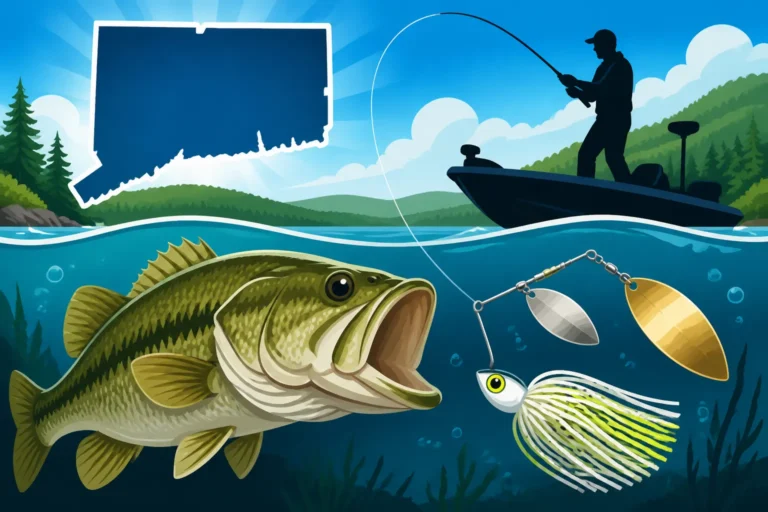
Jigs with weed guards are another excellent choice, particularly those designed for flipping and pitching. These jigs often have a brush guard that protects the hook point, allowing them to crawl over branches and logs. Spinnerbaits, surprisingly, can also be quite effective. The wire arm and spinning blades often help them deflect off wood, making them less prone to snagging than other treble hook baits. However, use single-hook models or those with a robust weed guard for best results. Always have a variety of colors and sizes on hand, as bass can be picky. You can find specialized jigs and soft plastics for heavy cover fishing easily online at retailers like Amazon, offering a wide range of colors and styles to match local forage.
Table: Common Lures for Fishing Submerged Timber
| Lure Type | Best Application | Pros | Cons |
|---|---|---|---|
| Texas-Rigged Soft Plastic | Dense brush, tight gaps, vertical timber | Highly snag-resistant, versatile, natural presentation | Slower retrieve, can get chewed up |
| Flipping/Pitching Jig | Heavy cover, deep wood, targeted presentations | Good hook-up ratio, weed guard, mimics crawfish/baitfish | Can still snag if rushed, requires precise casting |
| Bladed Jig (Chatterbait) | Sparse wood, outer edges, suspended timber | Excellent vibration, flash, weedless design for single hook | Treble hook models will snag, can be less precise in dense cover |
| Spinnerbait | Outer edges of cover, less dense wood | Good deflection off wood, flash, vibration, covers water quickly | Can snag if multiple trebles, not for extremely dense wood |
| Weightless Worm | Shallow timber, gentle fall, finicky bass | Extremely weedless, subtle presentation, good for pressured fish | Very slow fall, limited depth, harder to cast accurately |
Key Techniques for Success Around Timber
Fishing submerged timber isn't just about having the right gear; it's about mastering specific techniques that allow you to present your lure effectively and, crucially, get your fish out once it bites. It requires a different approach than casting to open water or even to docks. Precision, stealth, and a quick reaction time are your best friends. These tactics will help you trigger bites and successfully land fish from the toughest cover.
Pitching, Flipping, and Skipping
When targeting bass in submerged timber, simply making long, overhead casts often won't cut it. You need to be able to present your lure quietly and accurately into small openings or right next to a specific log. This is where pitching, flipping, and skipping come into play. Pitching involves a pendulum-like swing of the rod to send your bait on a low trajectory to a target, often just a short distance away. It’s quiet and precise. Flipping is even shorter range, using only a short amount of line outside the rod tip, literally "flipping" the bait into tight cover with a controlled swing. Both techniques allow for minimal splash and maximum accuracy, reducing the chance of spooking wary bass.
Skipping is another invaluable technique, especially for getting lures under overhanging branches or into incredibly tight spots. It involves casting your lure at a low angle across the water, making it skip like a stone across the surface until it reaches the desired target deep under cover. This is particularly effective for reaching areas that are otherwise inaccessible, such as under boat docks that have fallen into the water or beneath dense shoreline brush with submerged roots. Mastering these presentation methods will dramatically increase your success rate in timber. You'll find yourself able to hit those small pockets that other anglers might ignore, giving you an edge. Best technique for docks and laydowns is a good resource if you want to explore more specific tactics for horizontal wood structure.
Working Lures Through and Around Wood
Once your lure is in the strike zone, how you work it is paramount. The goal isn't necessarily to drag it through every piece of wood, but to make it interact with the cover in a way that triggers a bite, while also minimizing snags. For Texas-rigged plastics or jigs, a slow, methodical retrieve is best. Let the bait sink, then give it a slight twitch or hop, letting it fall again. Pay close attention to how the bait feels as it contacts branches. When you feel a "thump" or resistance, hesitate for a moment, then gently lift and pull the bait over the obstruction. Many bites happen immediately after the lure clears a piece of wood, as bass are waiting for prey to try to escape.
With spinnerbaits or bladed jigs, the approach is different. You want to make them "crash" into the wood. Retrieve the lure so it bumps off a log or branch, causing it to momentarily hesitate, then flare or change direction. This erratic movement often triggers a reaction strike from bass hiding nearby. Don't be afraid to experiment with retrieve speeds and pauses. Sometimes a dead-sticking approach, where you let the lure sit motionless in the cover for a few seconds, is all it takes to convince a hesitant bass to strike. Remember, you're trying to emulate a struggling or unaware prey item, which often means an unpredictable path.
Setting the Hook and Extracting Bass
This is where the heavy gear truly earns its keep, and where many anglers lose fish in timber. When a bass bites in heavy cover, it's often a solid thump, but sometimes it can be a subtle mushy feeling. Regardless, the second you feel a bite, you need to react instantly and decisively. Do not give the fish any slack or a second to think. A strong, sweeping hook set with braided line is essential. Use your entire body, leaning into the rod to drive that hook home. The no-stretch braid ensures all that power transfers directly to the hook point.
Once the hook is set, the fight isn't over—it's just beginning. A bass caught in timber will immediately try to bury itself deeper into the branches to get rid of the hook. Your job is to prevent this at all costs. Keep constant, heavy pressure on the fish and reel it out of the cover as quickly and forcefully as possible. Don't pump the rod gently; literally winch the fish out. Point your rod tip low to the water to keep the fish's head up and prevent it from diving deeper. If it tries to run, try to turn its head and guide it away from the densest cover. This aggressive approach might feel unnatural at first, but it's often the only way to successfully land a bass from its woody stronghold. Practicing with your setup will build confidence, preparing you for when that big one hits.
Minimizing Snags and Losing Fish
Let's be realistic: fishing submerged timber means you're going to get snagged. It's an unavoidable part of the game. However, there are numerous strategies you can employ to minimize these frustrating occurrences and, when they do happen, increase your chances of getting your lure back. It's a balance between aggressive fishing and smart fishing, and it’s a skill that comes with practice.
Employing Weedless Rigs
The foundation of snag prevention in timber is using weedless rigs. We've touched on Texas rigging, and it truly is your primary weapon. Ensure your hook point is properly skin-hooked into the plastic body, protecting it from catching on wood. Experiment with different weights; sometimes a lighter weight allows the bait to glide over branches more easily, while a heavier one helps it punch through thick mats of cover directly to the fish below. For jigs, always opt for those with sturdy fiber or wire weed guards. These guards are designed to compress when a fish bites, allowing the hook to penetrate, but they're stiff enough to deflect off wood when retrieved.
Another often overlooked aspect is your hook choice. Wide gap hooks are essential for Texas rigs, providing enough space for the plastic bait to slide down the hook shank during a hook set, ensuring maximum hook exposure. Offset hooks can also help keep the bait straight and prevent it from rotating and exposing the hook point prematurely. Sometimes, even when using weedless presentations, a snag is inevitable. However, by consistently using these specific rigs, you drastically cut down on the frequency of hangups, allowing you to spend more time fishing and less time re-tying. This is where researching different rigging options on Amazon can really pay off, allowing you to stock up on various weights, hooks, and plastics tailored for this challenging environment.
Strategies for Retrieving Snagged Lures
When a snag inevitably happens, don't just pull as hard as you can. That's a surefire way to break your line or bend your hook, costing you a valuable lure. First, try to "bowstring" your line. Point your rod directly at the snag, keeping the line tight with one hand while using your other hand to pluck the line like a guitar string. The vibrations can sometimes shake the lure free. If that doesn't work, give your line some slack, then quickly snap your rod tip back, sending a shockwave down the line. Repeat this a few times.
Another effective technique is to change your angle. If you're fishing from a boat, move around the snag. Try to pull the lure from the opposite side it got stuck on. Often, a lure will snag from one direction but come free if pulled from another. For particularly stubborn snags, if it's safe and feasible, you can try to get directly over the snag and use a lure retriever. These are specialized tools, often weighted chains or coils on a long pole, that you slide down your line to help dislodge the snagged lure. While not always successful, these methods significantly improve your chances of saving your tackle, which can add up to considerable savings over time. Learning how to pattern bass on an unfamiliar Connecticut lake also includes understanding the likely locations of such timber and planning your approach accordingly to minimize snags.
Disclaimer
This article is for general informational purposes only and does not constitute professional advice. Laws, prices and regulations vary by location and change over time. Consult a qualified professional for guidance on your specific situation.