The largest brown trout ever caught in Connecticut
Connecticut holds a state record brown trout weighing nineteen pounds and two ounces, caught at Saugatuck Reservoir in nineteen eighty six.

Connecticut holds a state record brown trout weighing nineteen pounds and two ounces, caught at Saugatuck Reservoir in nineteen eighty six.
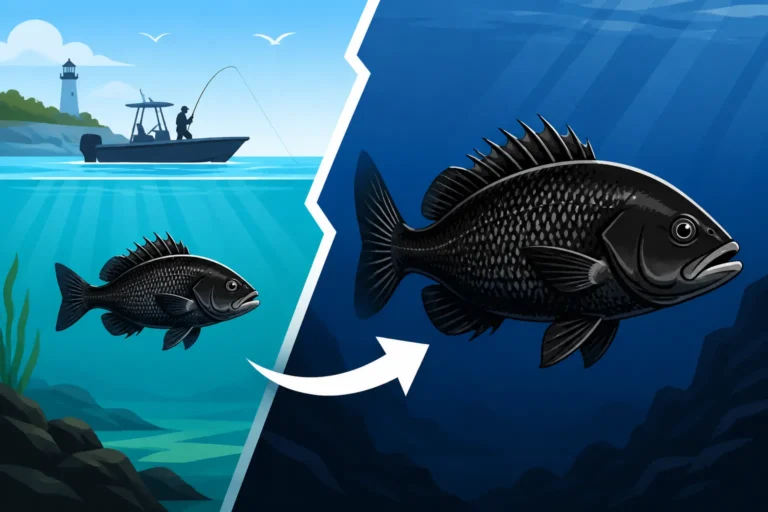
Water depth and blackfish size correlation explains why larger older tog inhabit deeper Long Island Sound wrecks and reefs.
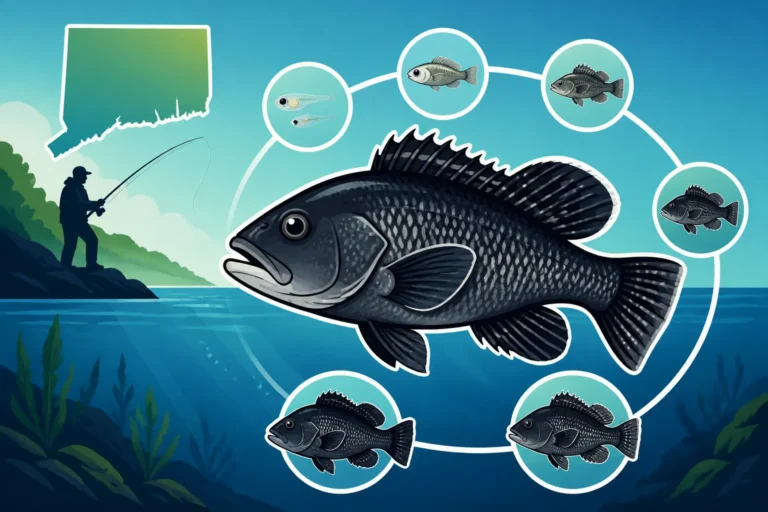
Connecticut blackfish live over twenty years, reaching late thirties due to slow growth and protective rocky reef habitats.
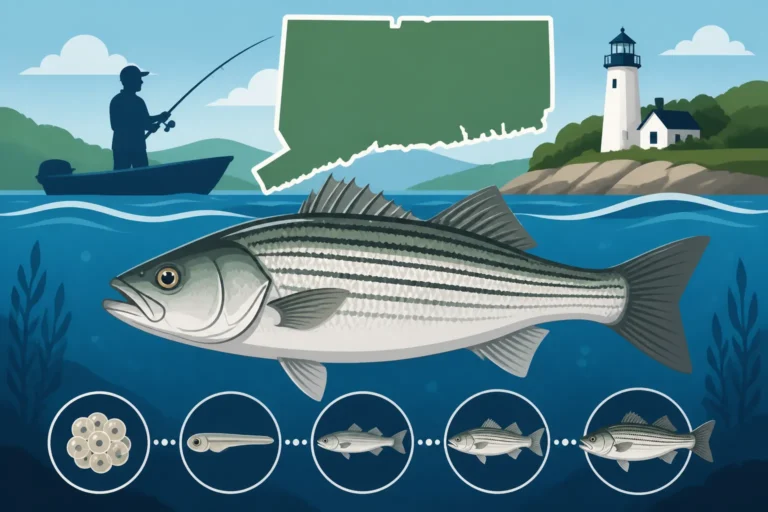
Wild striped bass typically live ten to twenty years in the wild, while rare trophy specimens survive nearly forty years.

Connecticut trout stocking programs release significant annual tonnage into state waters to maintain freshwater fisheries and angler opportunities.
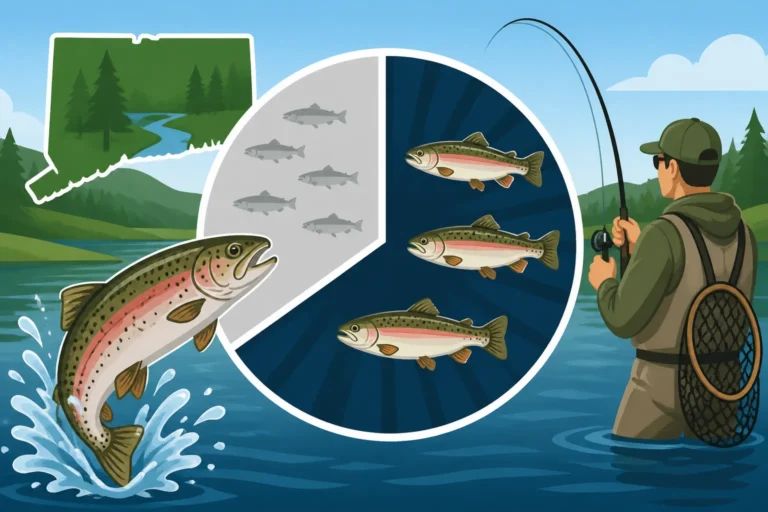
Stocked trout survival rates in Connecticut waters depend on various environmental factors and fishing pressure over time.
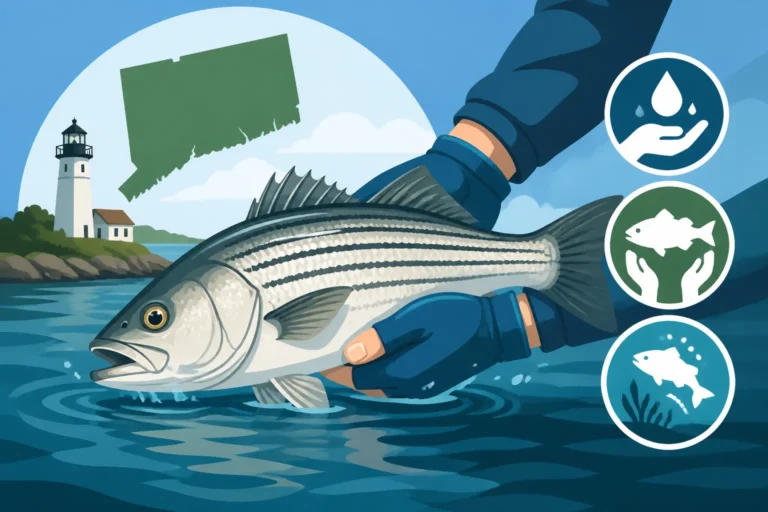
Connecticut striped bass conservation depends on proper handling techniques that reduce lactic acid buildup and increase release survival rates.
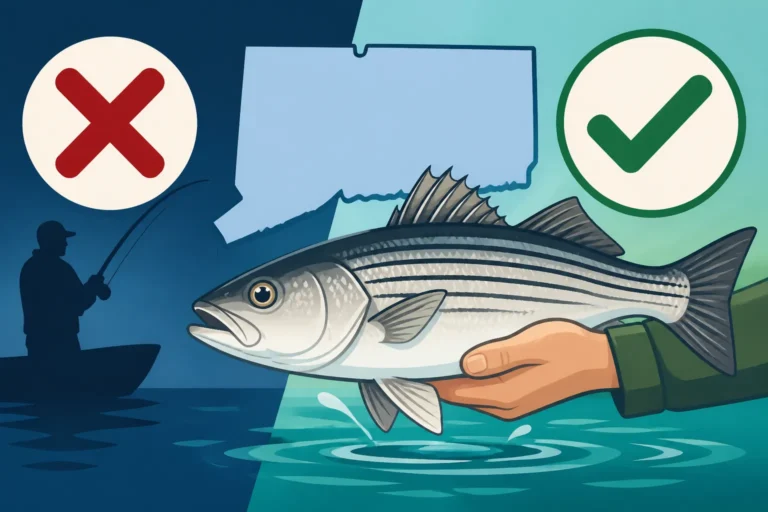
Connecticut fishing slot limits and conservation rules dictate when anglers must release striped bass in Long Island Sound.
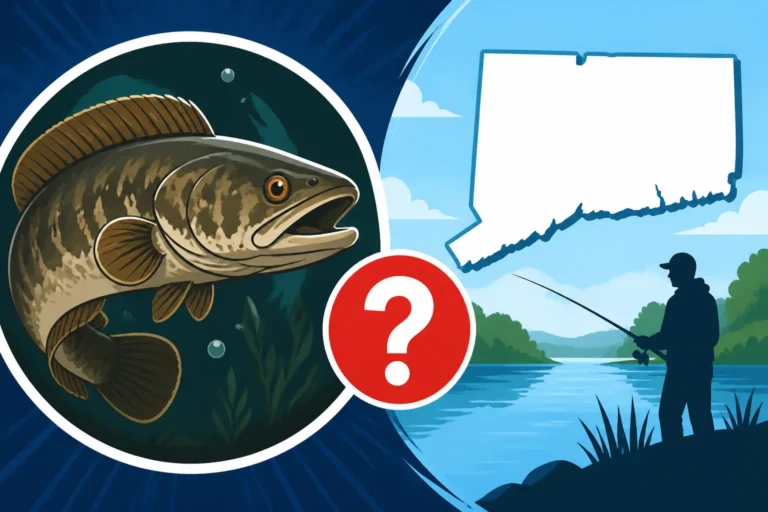
Northern snakehead presence in Connecticut waters, identification traits like long dorsal fins, and threats to native fish populations.

Connecticut anglers catching invasive fish learn proper identification methods and steps to protect local ecosystems.