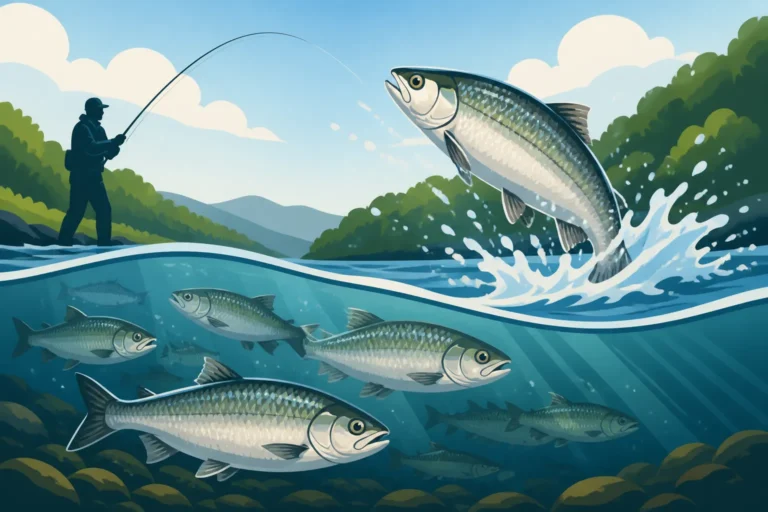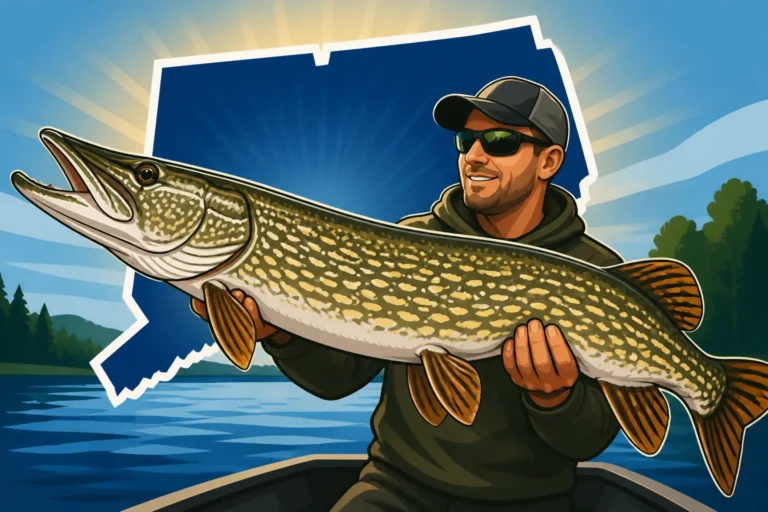
The largest brown trout ever caught in Connecticut
The dream of hooking into a truly monstrous brown trout is one that fuels many an angler's passion, especially here in Connecticut. It's not just about the size; it's about the challenge, the beauty of the fish, and the story that comes with it. If you've ever wondered about the pinnacle of brown trout fishing in our state – the largest one ever brought to the scales – you're in for a treat. This guide will take a deep dive into that legendary catch, explore where such giants might still roam, and offer insights into how you might pursue your own Connecticut trophy.
The Legendary Catch: Connecticut's State Record Brown Trout
There's something almost mythical about a state record fish. It represents the absolute peak of what a species can achieve in a particular region, a testament to ideal conditions, incredible luck, and often, an angler's profound skill and dedication. For brown trout in Connecticut, that record stands as a beacon, inspiring countless hours on the water.
Unveiling the Record Holder
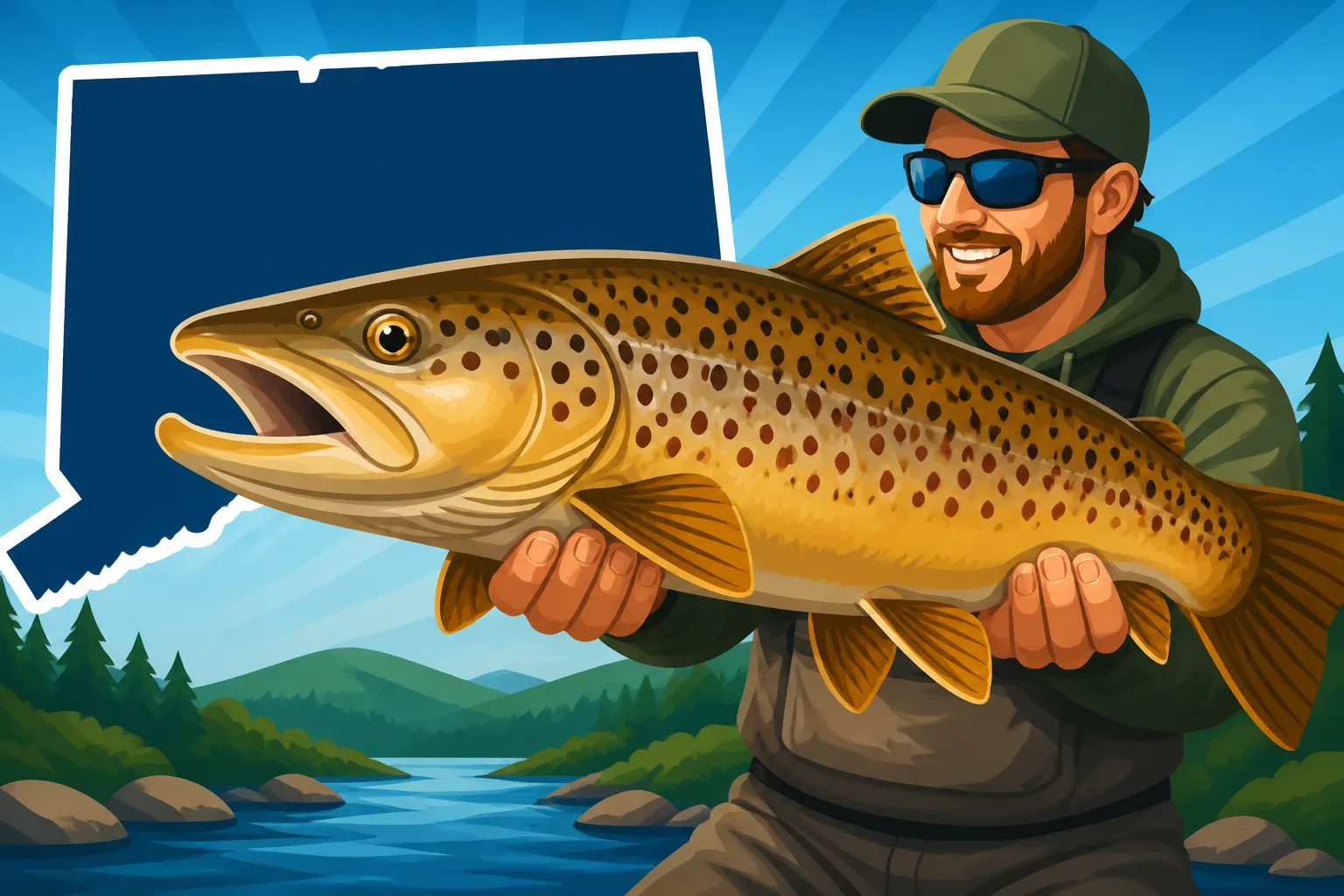
The official state record for brown trout in Connecticut is a truly magnificent specimen, weighing in at a jaw-dropping 19 pounds, 2 ounces. Imagine a trout that heavy – it’s a fish that would stretch your arms and your net to their limits! This colossal brown trout wasn't caught yesterday, nor was it a fluke in some backyard pond. It was landed way back in 1986 by an angler named Mike Foran, a name that's etched into Connecticut's fishing history.
This incredible fish was caught in the Saugatuck Reservoir, a sprawling body of water known for its deep, cold sections and abundant forage. The Saugatuck is a private reservoir, managed by Aquarion Water Company, which has specific access rules that make it a bit of a unique beast to fish. But clearly, its waters hold the potential for truly enormous trout. The fact that this record has stood for decades speaks volumes about its rarity and the incredible conditions that must have aligned for that fish to grow to such a size. Many anglers dream of a brown trout half that size, so to pull one nearly twenty pounds from Connecticut waters is a feat that continues to captivate us all.
The Angler Behind the Epic Catch
Behind every record fish is a story of the angler, and Mike Foran's achievement is no exception. While the specific details of that fabled day might be lost to time for many, the spirit of such a catch lives on. It wasn't just about being in the right place at the right time; it was about the cumulative knowledge, the hours spent on the water, and the sheer determination to pursue big fish.
Foran likely understood the nuances of the Saugatuck Reservoir, knowing its depths, its structure, and the feeding patterns of its inhabitants. Catching a brown trout of this magnitude isn't typically an accident; it's often the culmination of a deliberate strategy targeting large predators. This kind of angling requires heavy-duty tackle, patience that borders on obsession, and the ability to fight a truly powerful fish when it decides to make a run for it. It's a testament to the fact that even in our relatively small state, there are opportunities for truly world-class fishing experiences for those willing to put in the time and effort.
What Makes a Brown Trout Grow So Large?
When you hear about a nearly 20-pound brown trout, it begs the question: what exactly allows a fish to reach such gargantuan proportions? It's a complex recipe of factors, much like baking a perfect sourdough loaf – everything has to be just right.
First and foremost, genetics play a huge role. Some strains of brown trout simply have the genetic predisposition to grow larger and live longer than others. Combine that with a long lifespan, and you have the potential for a true leviathan. Water quality is another non-negotiable component. Brown trout, especially larger ones, thrive in cold, clean, well-oxygenated water. Reservoirs like the Saugatuck, with their deep, cool sections, provide exactly this kind of ideal environment, allowing fish to conserve energy and grow efficiently.
Perhaps most critically, abundant and high-quality forage is absolutely essential. A brown trout needs a constant supply of protein to pack on pounds. In many waters, this means a healthy population of baitfish like alewives, shiners, or even smaller trout and perch. When brown trout switch from an insect-based diet to a piscivorous (fish-eating) diet, their growth rate can explode. Imagine a brown trout spending years feasting on an endless buffet of smaller fish – it's no wonder they can reach incredible sizes. Finally, low fishing pressure on these larger, older fish can allow them to live undisturbed for many years, giving them the time they need to truly become giants. It's a delicate balance, and when all these elements align, you get a fish like Mike Foran's record-breaker.
Where Giants Might Still Roam: Prime Connecticut Waters
While the record brown trout came from a specific reservoir, it's natural to wonder if other waters in Connecticut hold similar potential for truly enormous brown trout. The good news is, our state has several prime locations known for producing impressive browns, even if they don't quite reach the 19-pound mark every season.
Legendary Brown Trout Habitats
When we talk about big brown trout in Connecticut, a few rivers and lakes immediately spring to mind. These are the places where the conditions often align to grow substantial fish.
- The Farmington River: Ah, the Farmington. It's arguably Connecticut's most celebrated trout stream, and for good reason. Known for its cold, consistent flows and rich insect life, the Farmington supports a healthy population of both stocked and wild brown trout. While many fish caught here are respectable "holdovers" or recent stockings, the deep pools and complex structure, especially in the trophy trout sections, absolutely hold some very large browns. These fish learn to be incredibly wary, but they are there. Anglers frequently report hooking into browns that are well over 20 inches, and every year, a few monsters pushing into the significant poundage are landed. The river's consistent flow from the bottom-release dams keeps water temperatures cool year-round, which is crucial for big browns. You can learn more about specific sections in our guide to Connecticut Farmington River Trophy Trout Stream Rules.
- The Housatonic River: Another powerhouse, the Housatonic River, particularly its "Trout Management Area" (TMA) sections, is a haven for brown trout. This large, powerful river offers diverse habitat, from swift riffles to deep, slow pools. The sheer size of the river means there's more room for big fish to roam and find ample food. The Housatonic also has a strong reputation for growing holdover brown trout, which means fish that have survived multiple seasons and put on serious weight. These fish often feed heavily on baitfish, and anglers targeting them will use larger lures and streamers. If you're looking for a detailed overview, check out our Housatonic River Fishing Guide.
- Larger Connecticut Lakes and Reservoirs: Beyond these rivers, several of Connecticut's larger lakes and reservoirs also harbor impressive brown trout. These deeper, colder bodies of water can provide the consistent cold-water refuge and abundant forage that browns need to thrive. Lakes like Candlewood Lake, for instance, are primarily known for bass, but their deep, cold sections can support trophy trout. Other reservoirs, though often with restricted access like the Saugatuck, might also hold significant fish. The key is finding waters that maintain cold temperatures even in summer and have a robust population of baitfish for brown trout to prey upon.
The Role of Forage and Water Quality
It cannot be stressed enough: a truly massive brown trout is a product of its environment, and that environment must provide two critical things: impeccable water quality and an endless buffet of food.
When we talk about water quality, we're thinking about cold, clean, well-oxygenated water. Brown trout are very temperature-sensitive; their metabolism slows down dramatically in warm water, and prolonged exposure can be deadly. That's why tailwater fisheries (rivers below large dams, like the Farmington) are often so productive – the water released from the bottom of the reservoir is consistently cold. Clean water also means less stress on the fish's system, allowing them to allocate more energy to growth rather than fighting off disease or pollutants. Rivers and lakes with strong currents or aeration also help keep oxygen levels high, which is essential for large, active predators. Understanding What water temperature trout need to survive is key to finding these productive areas.
As for forage, think of it this way: a trout needs to eat a lot to get big. While smaller browns might nibble on nymphs, dries, and midges, the true giants become apex predators. Their diet shifts to include a substantial amount of other fish. This could be smaller trout, sculpins, shiners, dace, or even juvenile panfish. Waters with a healthy population of these baitfish are prime candidates for growing trophy browns. These large trout are opportunistic hunters, and they'll expend energy wisely, often waiting for an easy meal to pass by. Anglers targeting these fish learn to "match the hatch" not with tiny flies, but with lures and flies that imitate larger prey.
Identifying Trophy Water: More Than Just a Map
Finding waters that can hold big browns is one thing; identifying the specific spots within those waters where they do hold is another art form entirely. Trophy brown trout are survivors, and they are incredibly smart and wary. They seek out prime real estate that offers several advantages:
- Deep, Cold Holding Water: Especially during warmer months, big browns will retreat to the deepest, coldest pools or lake sections. Look for sharp drop-offs, submerged springs, or areas with significant depth.
- Structure and Cover: These fish are ambush predators and need places to hide from overhead threats and strong currents, and to stage attacks on unsuspecting prey. Think undercut banks, fallen trees, large boulders, complex rock gardens, and bridge pilings. In lakes, submerged humps, weed lines, and old foundations can be gold mines.
- Proximity to Forage: The best holding lies will be close to where their food supply is abundant. This could be near riffles that wash insects into a pool, alongside baitfish schools, or at the mouths of tributaries.
- Low Light Ambush Points: Many truly large brown trout become nocturnal feeders, venturing out from their daytime lies under the cover of darkness. This means structure that offers good ambush points near shallower feeding flats can be excellent.
Successfully identifying these "trophy lies" often comes down to experience, reading the water, and understanding Brown Trout Habits in Connecticut Streams. It’s about more than just casting randomly; it’s about thinking like a predator.
Strategies for Targeting Connecticut's Monster Browns
Catching a truly giant brown trout is often considered the pinnacle of freshwater angling. It requires a specific approach, a blend of specialized gear, carefully selected baits, and a whole lot of patience. This isn't your everyday panfish outing; it's a dedicated hunt.
Gear Up for the Big One
When you're pursuing a brown trout that could weigh as much as a small dog, your ultralight panfish rod isn't going to cut it. You need tackle that can handle significant weight and powerful runs.
- Rods: Look for a medium-heavy to heavy power spinning or casting rod, typically 6'6" to 7'6" in length. The longer rod helps with casting heavier lures and absorbing the shock of a powerful fish. A moderate-fast to fast action is generally preferred, providing enough backbone to set a hook firmly while retaining enough flex to prevent break-offs. If you're fly fishing, a 7-weight or 8-weight rod is often necessary, especially for casting large streamers.
- Reels: Pair your robust rod with a high-quality spinning reel in the 3000-4000 series size, or a baitcasting reel capable of handling heavy lines and big lures. Smooth drag is absolutely paramount. A sticky or jerky drag will lead to snapped lines and heartbreak when that trophy brown makes its initial run.
- Line: Don't skimp on line strength. For conventional gear, a main line of 10-20 lb braided line is a good starting point, as it offers strength and sensitivity. You'll then typically use a fluorocarbon leader of 8-15 lb test, which is nearly invisible underwater and highly abrasion-resistant – crucial when a big fish tries to rub your line on rocks or logs. For fly fishing, a heavy-duty leader and tippet setup designed for streamer fishing will be necessary. You can find a great selection of robust fishing lines and reels on Amazon if you're looking to upgrade your setup.
Baits and Lures for Trophy Trout
Big brown trout are apex predators, and their diet reflects that. They're often looking for a substantial meal, not just a tiny insect. Your bait and lure choices should reflect this.
- Large Streamers (Fly Fishing): For fly anglers, big streamers are the name of the game. Patterns that imitate baitfish like sculpins, dace, shiners, or even juvenile trout are highly effective. Think articulated flies with plenty of flash and movement. Colors often mimic natural baitfish (olive, brown, white, black), but sometimes a vibrant chartreuse or pink can trigger an aggressive strike. Learning Best Streamer Patterns for Connecticut Brown Trout is essential for success on the fly.
- Swim Baits and Jerk Baits: These lures are designed to imitate larger baitfish and can be incredibly effective in both rivers and lakes. Soft swimbaits, particularly those in the 3-6 inch range, can be deadly when retrieved slowly near structure. Hard jerkbaits, when twitched and paused, can often elicit aggressive reaction strikes from territorial browns.
- Spoons: Classic metal spoons, especially those with a wobbling action, have been catching big trout for decades. Their flash and erratic movement can mimic a wounded baitfish, irresistible to a hungry brown. Gold, silver, and copper finishes are usually reliable.
- Live Bait: If legal and allowed in the specific water you're fishing (always check Connecticut Fishing Regulations Explained), live bait can be incredibly effective. Large shiners, suckers, or even substantial worms or nightcrawlers can entice a trophy brown. Presenting these baits naturally, either under a float or on the bottom, can be deadly, especially in areas with deep pools or current seams. Using a high-quality circle hook with live bait can also improve catch-and-release survival rates if you plan to let that monster swim free.
Patience, Persistence, and Precision
Catching a record-breaking or even trophy-sized brown trout is not a numbers game. You won't typically catch dozens of them in a day. It's a game of patience, persistence, and precise execution.
- Timing is Everything: Big browns are often most active during low-light conditions – dawn, dusk, and even throughout the night. They are also known to be more active during cooler weather, particularly in spring and fall. These fish can be incredibly wary during bright daylight hours, retreating to deep cover.
- Stealth: These fish are acutely aware of their surroundings. Approach your fishing spots quietly, minimize your silhouette, and avoid stomping along the bank. Long casts can help keep you out of their line of sight.
- Finesse and Presentation: While you're using robust gear, the presentation of your bait or lure still needs to be natural. Think about how a real baitfish would move in the current or how a large insect would drift. Subtle twitches, pauses, and controlled retrieves are often more effective than simply cranking your reel.
- Hit the Right Spots: Remember those "trophy lies" we talked about? Focus your efforts on these high-percentage areas. Don't waste time casting into unproductive water. One well-placed cast into a deep, brushy pool might be all it takes.
- Learn from Every Cast: Even if you don't hook a fish, pay attention to every detail. Did you see a swirl? Did you feel a subtle bump? Did your lure get snagged on something interesting? These clues can help you refine your approach. Investing in a good pair of polarized sunglasses, available on Amazon, can greatly aid in spotting subtle underwater features.
The Life of a Trophy Brown Trout
Understanding the biology of brown trout can significantly increase your chances of finding and catching larger specimens. Their growth, lifespan, and behaviors are all intertwined with their environment.
Factors Influencing Size: Beyond Genetics
While genetics provide the blueprint, environmental factors are what truly shape a brown trout into a trophy. It's a delicate dance between nature and nurture.
- Food Availability: As we've discussed, this is paramount. A brown trout needs a consistent, abundant, and high-quality food source. Waters rich in baitfish are critical. Without a steady supply of protein, even a genetically gifted trout won't grow large.
- Water Temperature and Oxygen: Ideal temperatures (typically 50-65°F) and high dissolved oxygen levels allow brown trout to grow efficiently. If water is too warm, they become stressed, their metabolism slows, and they may stop feeding. Conversely, extremely cold water in winter can also slow growth.
- Habitat Complexity: Waters with diverse habitats – deep pools, rocky runs, undercut banks, woody debris – offer both protection from predators (like eagles, otters, and even other large fish) and ambush points for hunting prey. This complexity reduces stress and increases feeding opportunities.
- Fishing Pressure: In heavily fished waters, larger, older fish are often removed quickly. Waters with less pressure, or those managed with strict catch-and-release regulations for larger fish (like some TMA sections), allow trout to reach older ages and bigger sizes. This is a key reason why understanding Connecticut Trout Limit and Possession Rules is so important for conservation.
The Lifespan of a Trophy Brown
Brown trout are not short-lived fish. In ideal conditions, they can live for a surprisingly long time, especially when compared to some other trout species. While many stocked trout might only live a year or two in the wild, a trophy brown trout that reaches 15-20 pounds is likely many years old, often in the 8-12 year range, or even older in exceptional circumstances.
Think about it: that record 19-pounder from the Saugatuck Reservoir would have had to evade countless predators, survive numerous harsh winters and warm summers, and find enough food to sustain its massive growth for over a decade. Each year it survived, it learned more, became more wary, and had more opportunity to pack on pounds. It's a testament to the fish's resilience and intelligence. These old, large fish are truly the patriarchs of their waters.
Conservation and Catch & Release: Protecting Our Giants
The existence of a state record brown trout, and the continued hope of catching another, relies heavily on responsible angling practices and robust conservation efforts. For trophy brown trout, catch and release is often the most critical aspect.
- Minimizing Stress: When you do hook into a large brown trout, it's essential to fight it efficiently but not to the point of exhaustion. Get it to the net as quickly as possible without horsing it in. Keep the fish in the water as much as possible for photos, and use wet hands if you must handle it. Avoid dragging it onto hot, dry surfaces.
- Proper Release Techniques: Support the fish horizontally in the water, allowing it to recover and swim off on its own power. Don't simply toss it back. This ensures the best chance of survival for these valuable, older fish.
- Understanding Regulations: Always be intimately familiar with the specific regulations for the water you're fishing. Many trophy trout waters in Connecticut have special regulations, such as catch-and-release only, artificial lures only, or specific slot limits. These rules are in place to help protect and grow larger fish populations. Our Trout Fishing in Connecticut and Connecticut Fishing Regulations Explained guides offer comprehensive details on these rules.
- Habitat Protection: Beyond individual angling choices, supporting conservation organizations and efforts that protect and restore cold-water habitats is vital. Clean water, healthy riparian zones, and proper stream flows are the foundation upon which all trophy trout populations are built.
The pursuit of "The largest brown trout ever caught in Connecticut" isn't just about one fish; it's about the entire ecosystem that supports such magnificent creatures. By respecting the resource and understanding these powerful fish, we can all contribute to the continued legacy of trophy brown trout fishing in our beautiful state. And who knows? Maybe, just maybe, the next record-breaker is out there, waiting for you.
Disclaimer
This article is for general informational purposes only and does not constitute professional advice. Laws, prices and regulations vary by location and change over time. Consult a qualified professional for guidance on your specific situation.