Total pounds of trout stocked into Connecticut waters annually
It’s a common question among Connecticut anglers, one whispered at bait shops and pondered on riverbanks: just how much trout does the state actually put into our waters each year? This isn't just idle curiosity; it’s about understanding the incredible effort behind maintaining our vibrant freshwater fisheries. Anglers often face the frustration of finding certain streams fished out quickly, or wondering why some spots seem to produce endlessly while others are hit-or-miss. This comprehensive guide will pull back the curtain on Connecticut's trout stocking program, exploring its massive scale, its purpose, how it works, and how you can best enjoy the enhanced fishing opportunities it creates.
Understanding Connecticut's Trout Stocking Program
Connecticut's trout stocking program is a monumental undertaking, designed to ensure that anglers across the state have ample opportunity to pursue these beautiful and feisty fish. It's not just a casual release of a few fish here and there; it's a carefully planned, year-round operation involving dedicated professionals and significant resources. The sheer volume of trout stocked annually is a testament to the state's commitment to freshwater fishing.
Why Trout are Stocked in Connecticut
The decision to stock trout isn't arbitrary; it stems from a combination of ecological realities and recreational demands. Many of Connecticut's streams and lakes, while beautiful, simply don't possess the ideal conditions to support robust, naturally reproducing trout populations year-round. Factors like warmer summer water temperatures, limited natural spawning habitat, and predation can make it difficult for wild trout to thrive in the numbers needed to sustain popular angling pressure.
By stocking, the state aims to achieve several critical goals. Firstly, it provides immediate fishing opportunities, especially in areas easily accessible to the public, such as many state park ponds and lower river sections. This is crucial for introducing new anglers to the sport and ensuring that experienced anglers have consistent success. Secondly, it helps spread fishing pressure away from the more sensitive wild trout fisheries, protecting those precious, self-sustaining populations. Lastly, it ensures that even urban and suburban areas, which might lack pristine wild trout habitat, can offer quality trout fishing experiences, making the sport more accessible to everyone.
The Sheer Scale of Stocking Efforts
When we talk about the "total pounds of trout stocked," we're not talking about a small operation. The state's fisheries division embarks on a truly massive undertaking each year, distributing a significant tonnage of trout across hundreds of water bodies. This commitment translates into countless individual fish being raised in hatcheries, transported, and carefully released into rivers, streams, and lakes. The program operates with remarkable consistency, delivering a steady supply of fish to refresh waters throughout various seasons, particularly in spring.
Imagine hundreds of miles of rivers and dozens of lakes and ponds, all needing their share of trout to keep anglers happy. The volume is substantial enough to support consistent angling pressure in highly popular areas and provide a continuous supply of fish for anglers seeking a productive day on the water. While exact figures fluctuate based on hatchery production and program needs, the overall scale represents a deep investment in Connecticut's angling heritage and future. You can often get a sense of this dedication by exploring resources like the Connecticut Interactive Trout Stocking Map, Explained, which visually demonstrates the widespread nature of these efforts.
Types of Trout You'll Find
Connecticut's stocking program focuses primarily on three species of trout:
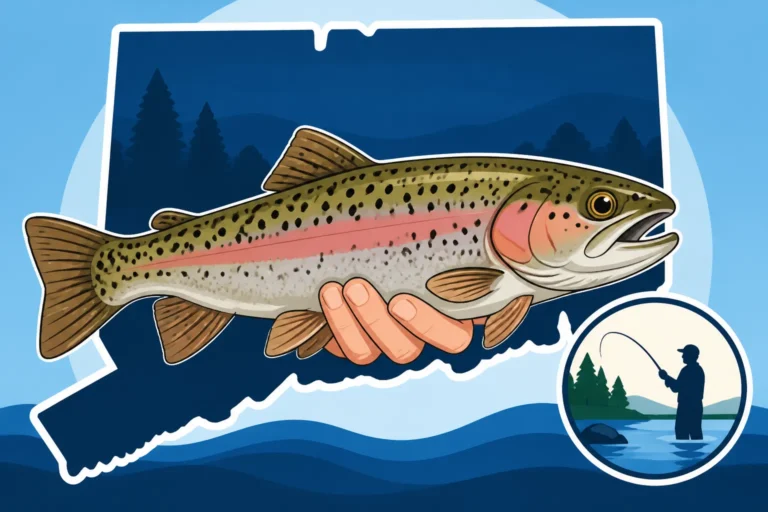
- Rainbow Trout: These are arguably the most commonly stocked trout due to their adaptability, fast growth, and willingness to strike at a variety of baits and lures. They provide an excellent fight and are a favorite for many anglers, especially those new to trout fishing. You'll find them in almost every stocked water body.
- Brown Trout: Known for their wary nature and often larger size, brown trout are prized by many experienced anglers. While some streams hold naturally reproducing brown trout, the stocked browns contribute significantly to trophy opportunities in many waters. They often survive longer in stocked waters than rainbows, becoming "holdover" fish.
- Brook Trout: Connecticut's native trout species, brookies are often stocked in smaller, colder streams and ponds, sometimes to supplement existing wild populations. Their beautiful coloration and preference for pristine environments make them a cherished catch, though they are often smaller than their rainbow and brown cousins. For more on identification, check out the Trout Species Identification Guide for Connecticut.
This diverse approach ensures that anglers have a variety of experiences, whether they're targeting eager rainbows for a family outing or trying to outsmart a seasoned brown trout.
The Journey from Hatchery to Stream: How Trout Get to You
The process of getting trout from a hatchery tank to the end of your fishing line is a complex dance of biology, logistics, and dedicated manpower. It's far more involved than simply dumping fish into a stream; it's a systematic approach designed to maximize the survival and distribution of the stocked fish, ensuring a healthy fishery for all.
The Role of State Hatcheries
At the heart of Connecticut's trout stocking program are its state-of-the-art hatcheries. These facilities are where the vast majority of the trout you'll encounter in stocked waters begin their lives. Here, millions of trout eggs are carefully incubated, hatched, and raised through various life stages, from tiny fry to fingerlings, and finally to catchable-sized trout. The hatcheries are meticulously managed environments, controlling water quality, temperature, and diet to promote optimal growth and health.
Raising trout on such a large scale requires significant expertise and resources. Hatchery staff are constantly monitoring the fish, ensuring they are fed appropriately, preventing disease, and preparing them for the transition to natural environments. It's a year-round commitment that ensures a consistent supply of healthy trout ready for release into various fishing destinations across the state. Without these crucial facilities, the level of trout fishing we enjoy in Connecticut simply wouldn't be possible.
The Stocking Process
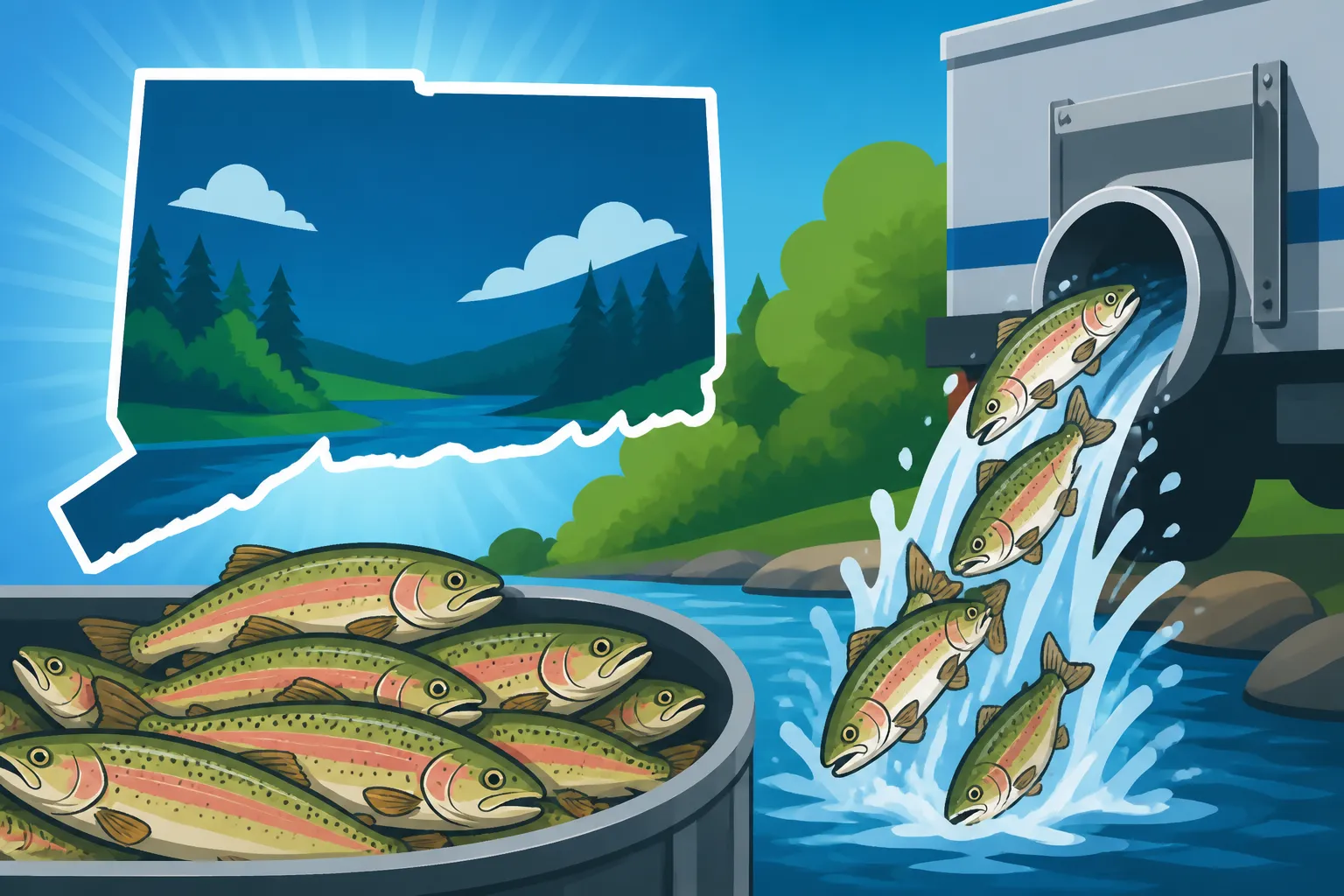
Once the trout reach a suitable size, typically ranging from about 9 to 12 inches for most stocked fish, they are ready for their journey to the rivers, streams, and lakes. This is where the logistical ballet begins. Specialized stocking trucks, equipped with aerated tanks, transport the trout from the hatcheries to their designated release points. These trucks are designed to maintain optimal conditions for the fish, minimizing stress during transport.
The actual stocking process often involves state fisheries biologists and technicians carefully releasing the trout into various access points along a water body. This isn't just a haphazard drop; thought is given to dispersing the fish, ensuring they have a chance to acclimate and spread out, rather than congregating in one small area. Depending on the location, this might involve carrying buckets of fish to remote stream sections or releasing them directly from the truck into larger, accessible ponds. This detailed approach aims to create more uniform fishing opportunities and reduce the immediate impact of fishing pressure on concentrated groups of fish. Knowing these patterns can help you locate trout, as discussed in Best Techniques for Opening Day Trout.
Interactive Maps and Resources for Anglers
Connecticut takes angler engagement seriously, offering valuable tools to help you stay informed about stocking efforts. One of the most popular resources is the state's interactive trout stocking map. This online tool allows anglers to see which waters have been stocked, often including the dates of recent stockings. It’s an invaluable resource for planning your next fishing trip, helping you identify areas that have recently received a fresh infusion of trout.
Beyond the interactive map, the state also publishes comprehensive guides that detail Connecticut Trout Season and Stocking Rules and specific regulations for various water bodies. These resources are essential for any angler looking to maximize their success and ensure they are fishing legally and responsibly. Regularly consulting these tools can give you a significant advantage, helping you understand stocking schedules and anticipate where the best opportunities might be.
The Impact of Extensive Stocking on Connecticut Fishing
The sheer volume of trout introduced into Connecticut's waterways each year has a profound and multifaceted impact on the state's fishing landscape. It shapes angler experiences, supports local communities, and plays a crucial role in managing the overall health and accessibility of our freshwater fisheries.
Creating Diverse Fishing Opportunities
One of the most significant benefits of extensive trout stocking is the creation of incredibly diverse fishing opportunities. Whether you're a seasoned fly angler seeking a challenge on a classic trout river like the Farmington, or a family looking for a fun day catching panfish and trout at a local pond, the stocking program has something for everyone. It ensures that popular spots, which might otherwise be quickly depleted by heavy fishing pressure, remain productive throughout the season.
This diversity means you can explore different environments and try various techniques. One weekend you might be targeting freshly stocked rainbows in a pond with bait, and the next you could be wading a stream for brown trout with spinners. Many anglers appreciate this variety, knowing that even if one spot is slow, there are always other options that have recently received a fresh supply of fish. This broad appeal encourages more people to get out and enjoy the natural beauty of Connecticut.
Supporting Angler Participation and Local Economies
Beyond the fish themselves, the stocking program is a vital driver of angler participation and, consequently, local economies. When there's a reliable supply of fish, more people are encouraged to buy fishing licenses, purchase gear from local tackle shops, and visit bait and tackle retailers. Think about the bustling activity on opening day of trout season – it's a testament to the excitement generated by predictable stocking.
These anglers often buy specialized trout baits, lures, and tackle. You can find a vast array of options, from worms and corn to various brands of PowerBait and inline spinners, readily available at local shops and online marketplaces like Amazon. Many also invest in essential gear such as waders, nets, and tackle boxes, all contributing to a vibrant fishing economy. This influx of activity supports small businesses, creates jobs, and generates revenue that can be reinvested into conservation efforts and improving public access to fishing spots. It's a positive feedback loop that benefits both nature and the community.
Managing Expectations: Stocked vs. Wild Trout
It's important for anglers to understand the distinction between stocked trout and wild trout, as their behaviors and the fishing experiences they offer can be quite different. Stocked trout, having been raised in a hatchery environment, are often less wary and more accustomed to prepared baits or common lures. They are released primarily for the purpose of being caught, providing immediate recreational value. These fish are fantastic for beginners, children, and anyone looking for a more consistent bite.
Wild trout, on the other hand, are fish that have successfully hatched and grown in a natural environment, facing all the challenges that entails. They are typically much warier, more sensitive to pressure, and often require more refined techniques and stealth to catch. While stocked trout provide the backbone of Connecticut's recreational trout fishery, wild trout populations are treasured for their ecological significance and the challenge they present to experienced anglers. Understanding this difference helps manage expectations and appreciate the unique qualities of each type of fishery, allowing anglers to choose their adventure wisely. You can learn more about these differences in What a holdover trout is.
Maximizing Your Catch in Stocked Waters
Catching stocked trout isn't always as simple as dropping a line, but it’s certainly more predictable than chasing elusive wild fish. With a little strategy and the right gear, you can significantly increase your chances of success and enjoy a rewarding day on the water.
Best Techniques and Baits for Stocked Trout
Stocked trout are often eager feeders, especially shortly after they've been introduced into a new environment. This makes them susceptible to a variety of traditional baits and lures. For bait fishing, classics like power bait (in various colors and forms), corn, worms, and salmon eggs are perennial favorites. These baits are easy for trout to find and recognize as a potential food source. Rigging them on a small hook with a light sinker, either on the bottom or suspended under a bobber, is often highly effective.
For lure fishing, small inline spinners (like Mepps, Rooster Tail, or Panther Martin), tiny spoons, and small jigs are excellent choices. These lures imitate small baitfish or aquatic insects, triggering a predatory response. Vary your retrieve speed and depth until you find what the fish are keying in on. Fly anglers can also find success with stocked trout using nymph patterns, wet flies, or even small streamer patterns, especially early in the season or in less pressured areas. For more detailed strategies, consider looking into Spring Trout Fishing Techniques for Connecticut Streams.
Locating Freshly Stocked Areas
Knowing where and when trout are stocked is a huge advantage. As mentioned, the Connecticut DEEP's interactive stocking map is your best friend here. Keep an eye on the stocking reports, especially in the spring and fall when the bulk of the trout are released. Look for public access points on rivers and streams, as well as designated state park ponds and lakes that are routinely stocked. These are often highlighted in the Reading the Connecticut Fishing Guide.
When you arrive at a stocked location, observe the water. Look for areas with slower currents, deeper pools, or submerged structures where trout might congregate. Stocked trout often seek cover and a sense of security, so targeting these spots can be very productive. Early morning and late afternoon are generally prime times, as trout tend to be more active feeders during cooler parts of the day. Don't be afraid to move around if a spot isn't producing; sometimes just a short walk up or down the bank can put you on fish.
Essential Gear for Stocked Trout
You don't need a massive amount of specialized equipment to enjoy fishing for stocked trout, which is great news for beginners! A lightweight spinning rod and reel combo, spooled with 4-6 pound test monofilament or fluorocarbon line, is perfect. This light setup allows for sensitive feel and good casting distance for smaller baits and lures. A small tackle box with a selection of hooks (sizes 8-12), split shot weights, small bobbers, and swivels will cover most bait fishing needs.
For artificial lures, a few inline spinners and small spoons are all you really need to start. Many anglers also find a small landing net invaluable, especially for safely handling and releasing fish. Don't forget essentials like a pair of pliers for hook removal, a stringer or cooler if you plan to keep your catch within Connecticut Trout Limit and Possession Rules, and a comfortable chair if you're bank fishing a pond. Most of this gear, from basic rod and reel combos to a variety of lures and baits, can be easily found and purchased through online retailers like Amazon, offering convenience and a wide selection to get you started or upgrade your kit.
The state's commitment to stocking provides countless hours of enjoyment for anglers of all ages and skill levels. By understanding how the program works, where to find the fish, and what techniques to use, you'll be well on your way to a successful day on Connecticut's trout-filled waters.
| Trout Species | Typical Size Stocked | Common Behaviors | Best for Anglers Who… |
|---|---|---|---|
| Rainbow Trout | 9-12 inches | Eager feeders, active, good fighters | Want consistent action, are beginners, or enjoy bait/lure fishing. |
| Brown Trout | 10-14 inches (can be larger for holdovers) | Wary, often hold to cover, more challenging | Seek a bigger fish, enjoy finesse techniques, or fly fish. |
| Brook Trout | 8-10 inches | Prefer colder, cleaner water, beautiful coloration | Appreciate native species, enjoy smaller stream fishing, or seek solitude. |
Disclaimer
This article is for general informational purposes only and does not constitute professional advice. Laws, prices and regulations vary by location and change over time. Consult a qualified professional for guidance on your specific situation.