Best Half-Day Fishing Charters in Connecticut
Let's be real, life is busy. Between work, family commitments, and everything else vying for your attention, finding a whole day to dedicate to fishing can feel like an impossible dream. But that doesn't mean you have to give up on the joy of reeling in a big one! This guide is here to show you that a half-day fishing charter in Connecticut offers the perfect solution, providing a condensed yet incredibly fulfilling angling experience for busy folks, families, and even seasoned pros looking for a quick fix.
Why Choose a Half-Day Fishing Charter in Connecticut?
Choosing a half-day fishing charter is like opting for an express ticket to fishing bliss. You get all the excitement, the potential for a great catch, and the beautiful scenery of Connecticut's waters, but in a manageable timeframe that respects your schedule. It’s a fantastic way to dip your toes into the charter world without committing to an all-day offshore adventure, which can sometimes be more than what you bargained for, especially with new anglers or younger kids on board.
Perfect for Busy Schedules
One of the biggest hurdles many of us face when planning an outing is finding a substantial block of free time. A full-day charter, often running 8-10 hours, can chew up an entire weekend day, making it tough to balance with other obligations. Half-day charters, typically lasting 4-5 hours, are a game-changer. Imagine heading out early, being back by lunchtime with a cooler full of fish, and still having your afternoon free for family time, chores, or just relaxing. Or maybe you prefer an afternoon trip, giving you the morning to sleep in or handle errands before casting off. This flexibility is a huge draw for parents, professionals, and anyone who cherishes their precious free time but still craves the thrill of the bite. It means more fishing, more often, without the guilt of neglecting other responsibilities.
Ideal for Families and Beginners
If you're introducing kids to fishing, or you're a beginner yourself, a half-day trip is almost always the way to go. Let's face it, little ones (and sometimes even adults!) have a limited attention span. Eight hours on a rocking boat under the sun can quickly turn excitement into seasickness or boredom, ruining the experience for everyone. A half-day adventure strikes the perfect balance: enough time to get to the fishing grounds, learn the ropes, catch some fish, and build lasting memories, but short enough to keep spirits high. The action is usually more concentrated on half-day trips, as captains tend to focus on closer, more reliable spots, which means less travel time and more lines in the water. This also applies to novice anglers who might still be finding their sea legs or getting comfortable with the gear. It’s a low-pressure environment where enjoyment is the top priority, making it a fantastic entry point into the world of saltwater angling. For specific advice on bringing the little ones, you might want to read Best Family-Friendly Fishing Charters in Connecticut.
A Taste of Connecticut's Diverse Waters
Connecticut boasts an incredible variety of fishing environments, from the tidal rivers flowing into Long Island Sound to the expansive marine waters themselves. While a half-day trip might not take you to the far offshore canyons, it absolutely provides ample opportunity to experience the richness of our local fisheries. Depending on where you depart from, you could be targeting striped bass and bluefish in the rips of the Sound, drifting for fluke in bays and estuaries, or even jigging for black sea bass over local reefs. These trips often focus on species that are abundant and relatively close to shore, ensuring a good chance of success within the shorter timeframe. It's a fantastic way to sample different types of saltwater fishing and discover what you enjoy most, all while soaking in the beautiful Connecticut coastline.
What to Expect on a Half-Day Charter
When you book a half-day charter, it's natural to wonder what the experience will entail. Will it be worth the cost? What kind of fish can you realistically catch? Knowing what to expect beforehand can really help set the stage for a great trip and ensure you make the most of your time on the water. Most reputable captains running half-day trips are masters at maximizing efficiency and delivering a memorable experience in a condensed period.
Typical Trip Duration and Targets
A half-day charter generally runs for about four to five hours, though some might stretch to six depending on the boat and the target species. The captain's goal during this shorter window is typically to get you on fish quickly and efficiently. This means they'll likely stick to productive, closer-to-shore fishing grounds. You won't be steaming out to Block Island for tuna on a half-day trip, but you'll have excellent opportunities for popular inshore species. For example, departing from a port on Long Island Sound, you could be primarily targeting striped bass and bluefish, especially during their peak seasons. Other common targets include fluke (summer flounder) during the warmer months, black sea bass over rocky bottom, or even blackfish (tautog) around structure if regulations permit and conditions are right. Captains will often choose a primary target based on current conditions, recent fishing reports, and what they know is biting well. This focused approach ensures that your limited time is spent actively fishing, not just traveling. To get a broader sense of what's available, check out What to Expect on a Connecticut Fishing Charter.
Gear, Bait, and Licensing Included
One of the greatest benefits of booking a charter, especially for beginners or those traveling from out of state, is that everything you need for fishing is typically provided. This usually includes all the necessary rods, reels, tackle, and fresh or live bait. You won't have to worry about buying expensive equipment or figuring out what baits work best; the captain and crew are pros who already have it all covered. They'll also handle the state fishing license requirements for everyone on board, which is a huge relief. You don't need to purchase your own individual Connecticut Fishing License Guide for 2026 for most charter trips, as the boat's federal or state permit covers all passengers. However, it's always a good idea to confirm this detail when booking. This all-inclusive approach makes charter fishing incredibly convenient, allowing you to simply show up and enjoy the experience without any pre-trip gear hassles.
Common Fish Species Targeted
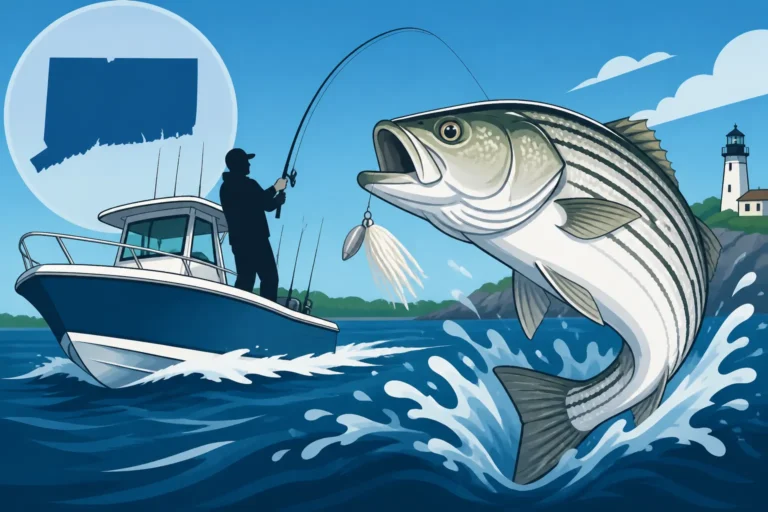
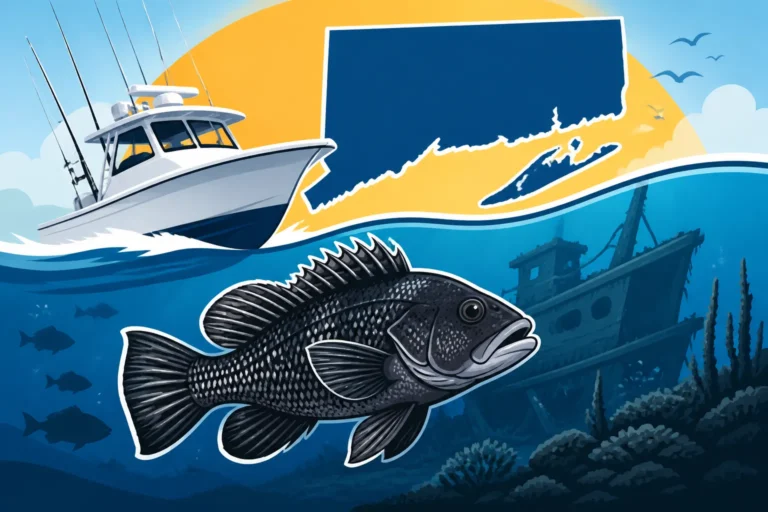
Connecticut's waters are teeming with various species that are perfect for a half-day charter. When you're fishing Long Island Sound, you'll most commonly be after Striped Bass (the quintessential inshore sportfish, known for their powerful fights), and their aggressive cousins, Bluefish. Both put up a fantastic battle and are often found in the same areas, providing plenty of action. During late spring through early fall, Fluke (Summer Flounder) are a popular target, often caught by drifting baits or jigs along sandy bottoms. Anglers looking for a challenge might find themselves jigging for Black Sea Bass over reefs and wrecks, or even trying their hand at Blackfish (Tautog) fishing around rocky structures, though these usually require more specific techniques and might be seasonal. The beauty of a half-day trip is that captains usually have a good pulse on what's biting best right now and can tailor the trip to give you the best chance at success with these local favorites. You can learn more about specific regulations for these species in Connecticut Saltwater Fishing Regulations by Species.
Finding the Right Half-Day Charter for Your Needs
Choosing the right half-day charter can feel a bit like sifting through a tackle box full of lures—lots of options, and you want to pick the one that's going to catch you the most fish (and fun!). It's not just about the boat, but the captain, the location, and what kind of experience you're truly hoping for. A little bit of research goes a long way here.
Location, Location, Location: Coastal vs. Inland
Connecticut's charter scene is primarily concentrated along its extensive coastline, offering access to Long Island Sound. So, when thinking "location," you're largely considering which coastal town you want to depart from. Do you prefer the eastern end of the state, with ports like Stonington, Niantic, or Old Saybrook? Or are the western harbors of Norwalk, Stamford, or Greenwich more convenient? Each area can offer slightly different fishing grounds and proximities to certain hot spots. For instance, eastern ports might have quicker access to certain reefs or the mouth of the Connecticut River, while western ports are closer to New York City and often fish the central and western Sound.
While freshwater charter guides exist, especially for specific species like pike or bass on larger lakes like Candlewood Lake or Bantam Lake, the term "half-day fishing charter" in Connecticut almost universally refers to saltwater trips on Long Island Sound. If your heart is set on freshwater, be sure to clarify this when searching. Otherwise, assume you'll be smelling the salt air! Your choice of departure point will significantly impact travel time to fishing grounds and the local scenery.
Researching Captains and Boats
This is where the real legwork comes in, but it's totally worth it. Not all charters are created equal. Look for captains with a strong track record, plenty of positive reviews, and a clear passion for putting people on fish. Many captains specialize in certain types of fishing (e.g., light tackle, trolling, bottom fishing) or target specific species, so make sure their expertise aligns with your goals. A great place to start your search is on platforms like FishingBooker. They aggregate listings, allow you to filter by trip length (like half-day), and display genuine customer reviews, which are invaluable for getting a real sense of what an experience will be like.
Don't be shy about calling captains directly with questions. Ask about their typical half-day targets, what happens in case of bad weather, and what their catch-and-release policy is. A good captain will be happy to chat and make sure you feel comfortable and informed. Also, consider the boat itself. Is it clean, well-maintained, and suitable for your group size? If you’re bringing young kids, a boat with a head (restroom) might be a priority.
Understanding Pricing and Inclusions
Half-day charter costs vary based on the boat size, the number of passengers, the duration, and even the time of year. Generally, you can expect to pay a set rate for the entire boat, not per person, up to a certain capacity. Always clarify what is included in the price. As mentioned, rods, reels, tackle, and bait are almost always included. Fish cleaning services at the end of the trip might also be part of the package or offered for a small additional fee. Some captains might provide bottled water, but it's best to assume you'll need to bring your own snacks and beverages.
When comparing prices, make sure you're looking at comparable trips. A 4-hour trip will naturally be less expensive than a 6-hour one, even if both are called "half-day." Don't just go for the cheapest option; sometimes paying a little more for a highly-rated captain with a comfortable boat can make all the difference in your experience. Always confirm deposit requirements and the cancellation policy before booking anything, especially for weather-related cancellations. For more detailed information, check out Connecticut Fishing Charter Cost Guide.
| Charter Type (Half-Day) | Typical Duration | Primary Focus | Ideal For | Common Fish Targeted |
|---|---|---|---|---|
| Inshore Striped Bass | 4-5 hours | Casting/Trolling | Anglers of all levels | Striped Bass, Bluefish |
| Fluke & Bottom Fish | 4-5 hours | Drifting/Jigging | Families, beginners | Fluke, Black Sea Bass |
| Mixed Bag Inshore | 5-6 hours | Versatile methods | Those wanting variety | Striper, Bluefish, Fluke, Scup |
Top Areas for Half-Day Charters in Connecticut
Connecticut's coastline is relatively short compared to some states, but it packs a punch when it comes to fishing opportunities. Half-day charters depart from numerous harbors, each offering access to slightly different parts of Long Island Sound and its productive fisheries. Knowing which areas are popular can help you narrow down your choices, especially if you have a specific species in mind or a preferred departure point.
Eastern Connecticut: Niantic, Stonington, Old Saybrook
The eastern end of Connecticut's shoreline is a hub for fishing activity, renowned for its diverse waters and proximity to some excellent fishing grounds.
-
Niantic: This charming coastal town is a fantastic jumping-off point. Charters from Niantic have quick access to the numerous reefs and rocky outcroppings that dot the eastern Sound, making it a prime location for targeting black sea bass and blackfish, as well as cruising schools of striped bass and bluefish. The Niantic River also offers some protected waters if the Sound gets a little choppy. You'll find many reputable captains operating out of this area, ready to lead you on a productive half-day trip. To find out more, look into Best Charters Out of Niantic Connecticut.
-
Stonington: Further east, Stonington offers a picturesque fishing village vibe with direct access to some of the deeper, more fertile parts of the eastern Sound. Charters here often head towards the mouth of Fishers Island Sound, where strong currents create rips that are irresistible to striped bass and bluefish. The area also holds excellent fluke grounds. Stonington's captains are experienced in navigating these productive waters, making it a solid choice for a half-day adventure. For details, consider Best Charters Out of Stonington Connecticut.
-
Old Saybrook: Situated at the mouth of the mighty Connecticut River, Old Saybrook provides a unique advantage. Charters here can fish the river's estuary, which is a significant migratory pathway for striped bass and bluefish, or venture directly into Long Island Sound. The blend of freshwater influence and saltwater currents creates a rich feeding ground. In spring, the shad run in the river can also be an exciting, albeit less common, half-day target for some specialized guides. Its strategic location makes it versatile for a range of inshore species. More information can be found in Best Charters Out of Old Saybrook Connecticut.
These eastern ports often provide a more "classic" New England fishing experience, with rugged shorelines and a sense of being out in open water, even on a shorter trip.
Western Connecticut: Norwalk, Greenwich, Bridgeport
Moving towards the western end of the state, the ports here offer different dynamics and access points, often closer to larger population centers and sometimes featuring slightly calmer waters depending on the day.
-
Norwalk: Norwalk is a bustling maritime city with a significant fishing fleet. Charters from Norwalk have excellent access to the central and western portions of Long Island Sound, an area known for strong currents and diverse bottom structures. This region is particularly good for striped bass and bluefish, especially around the Norwalk Islands and various artificial reefs. Fluke fishing can also be very productive in the many bays and coves nearby. Norwalk's captains are well-versed in navigating these busy waters and finding fish efficiently.
-
Greenwich: As the westernmost point in Connecticut for many charters, Greenwich offers proximity to some of the Sound's rich fishing grounds that extend towards New York waters. Charters here often target striped bass and bluefish, taking advantage of the numerous shoals and rips in the area. The captains operating out of Greenwich are accustomed to catering to a clientele looking for a high-quality experience, often providing well-equipped boats. To explore options, check out Best Charters Out of Greenwich Connecticut.
-
Bridgeport: As Connecticut's largest city, Bridgeport offers easy access for many anglers. Its harbor connects directly to Long Island Sound, and charters from Bridgeport can quickly reach productive grounds for striped bass, bluefish, and fluke. The area has a good mix of shallow flats and deeper channels, providing habitat for a variety of species. Bridgeport captains offer a convenient departure point for a quick fishing escape.
Western Connecticut charters are often a great choice for those living in or near larger metropolitan areas, providing an accessible gateway to the productive waters of Long Island Sound.
Making the Most of Your Half-Day Fishing Adventure
So you've booked your half-day charter, done your research, and you're ready to go. What else can you do to ensure your trip is not just good, but truly memorable? A little preparation and consideration for your experience (and the crew's) can go a long way.
What to Bring Along
Even though the charter typically provides fishing gear, there are several essentials you should definitely pack for your half-day trip. Remember, you'll be out on the water, exposed to the elements, so thinking about comfort and safety is key.
- Sun Protection: This is non-negotiable. The sun's rays are amplified on the water. Bring a wide-brimmed hat, sunglasses (polarized ones are great for spotting fish!), and plenty of sunscreen, even on cloudy days. Trust me, a bad sunburn can ruin an otherwise perfect day.
- Appropriate Clothing: Dress in layers. Even on a warm day, it can be cooler on the water, especially in the morning or if the wind picks up. A waterproof or water-resistant jacket is a smart addition, just in case of spray or a sudden shower. Non-slip shoes are a must for safety on a wet deck.
- Food and Drink: While some charters might offer bottled water, it's always best to bring your own supply of water, juice, or soda. Pack some snacks too – granola bars, sandwiches, fruit – anything that will keep your energy up. Half a day might not seem long, but fishing can make you hungry!
- Cooler (for your catch): If you plan on keeping fish, bring a cooler filled with ice. Leave it in your car, and you can transfer your cleaned fish directly into it after the trip. This keeps your catch fresh for the journey home.
- Motion Sickness Medication: If you're at all prone to seasickness, take preventive medication before you board the boat. It's much less effective once you're already feeling queasy. Ginger chews can also help.
- Camera: You'll want to capture those memories, especially if you land a prize catch or witness some amazing marine wildlife. Just make sure it's protected from water spray.
For a more exhaustive list, refer to What to Bring on a Connecticut Fishing Charter. Remember, less is often more on a boat, so focus on the essentials rather than overpacking.
Tipping Etiquette and Post-Trip Care
Just like in other service industries, tipping your charter crew is customary and very much appreciated. They work hard to ensure you have a safe, enjoyable, and productive trip. A good rule of thumb is to tip the mate (if there is one) and captain around 15-20% of the total trip cost. If the mate was particularly helpful—baiting hooks, untangling lines, gaffing fish, and cleaning your catch—a generous tip reflects their hard work.
After the trip, if you've kept fish, the crew will often clean and bag your catch for you. Be sure to transfer them to your cooler with ice promptly. Once home, clean the cooler thoroughly to prevent odors and store your fish properly. If you're new to handling fresh fish, ask the mate for tips on storage and preparation. Many charter captains also appreciate a positive online review if you had a great time; it helps their business immensely. More details on this important topic can be found in Tipping Etiquette for Connecticut Fishing Charters.
Safety First: Understanding Protocols
Your safety is paramount on any fishing charter. Reputable captains and crews adhere to strict safety protocols and are typically US Coast Guard licensed. Before the boat leaves the dock, the captain will usually conduct a brief safety talk, pointing out where the life jackets are, how to use them, and other emergency procedures. Pay attention to these instructions!
Always listen to the captain and crew. They are the experts on the water conditions, safe operating procedures, and where it's safe to stand or move around the boat. If the weather looks iffy, a good captain will prioritize your safety and might reschedule or cancel the trip. While it can be disappointing, it's always the right call. The ocean can be unpredictable, and respecting its power, along with the expertise of your captain, ensures everyone has a safe and enjoyable outing. Don't hesitate to ask questions if you're unsure about anything related to safety while on board.
Disclaimer
This article is for general informational purposes only and does not constitute professional advice. Laws, prices and regulations vary by location and change over time. Consult a qualified professional for guidance on your specific situation.