Best catch-and-release only charters in Connecticut
There's a special kind of satisfaction that comes from fishing, isn't there? It's not always about filling the cooler, but more about the thrill of the chase, the connection with nature, and the challenge of outsmarting a clever fish. For many anglers, the focus has shifted from "catch and keep" to "catch and release," embracing the joy of the sport while also contributing to conservation. If you're looking to find the best catch-and-release only charters in Connecticut that prioritize the health of the fish and the purity of the experience, you're in the right place. This guide will walk you through what makes a truly great catch-and-release charter, what to expect, and how to make the most of your conservation-minded fishing adventure.
Why Embrace Catch-and-Release Fishing?
Choosing a catch-and-release charter isn't just a trend; it's a commitment to the future of fishing. Many of us grew up thinking a successful day meant a full stringer, but as we learn more about fish populations and ecosystem health, the perspective shifts. It's about respecting the resource and ensuring that future generations can enjoy the same incredible fishing experiences we do.
The Conservation Mindset
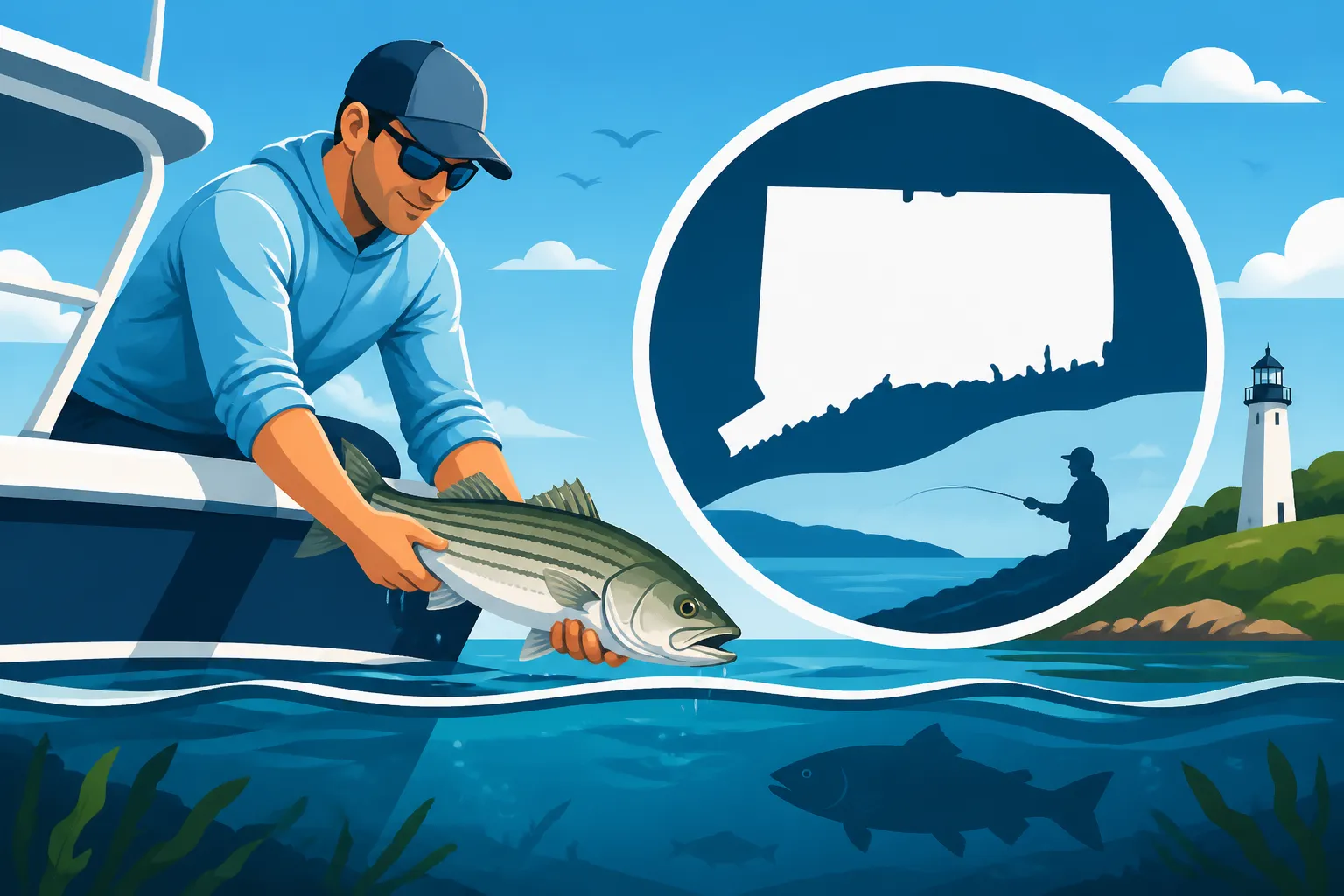
When you practice catch-and-release, you're actively participating in the sustainability of fish populations. For species that are particularly vulnerable, or in areas where fish stocks are managed carefully, releasing your catch helps ensure that those fish can continue to grow, spawn, and contribute to the health of the fishery. This is particularly important for larger, older fish, often the trophy specimens, which are vital breeders. Imagine the joy of landing a magnificent striped bass in Long Island Sound, admiring its power and beauty, snapping a quick photo, and then watching it swim off strongly, knowing it will live to fight another day and perhaps create many more fish. It's a powerful feeling of stewardship.
The Pure Sport and Skill Development
Beyond conservation, catch-and-release fishing elevates the sport itself. When the pressure to "harvest" is removed, the focus shifts entirely to the art of angling. It becomes about the perfect cast, the subtle bite detection, the masterful fight, and the careful handling required to ensure the fish's survival. This mindset often encourages anglers to try new techniques, experiment with different lures and flies, and truly hone their skills. Fly fishing for trout in Connecticut streams, for example, is often primarily a catch-and-release endeavor, pushing anglers to refine their presentation and understanding of the water. It’s a pursuit of perfection in the interaction with the fish, not just the outcome of a meal. You learn to appreciate the intelligence and resilience of the fish even more.
Minimizing Impact and Enjoying the Experience
A dedicated catch-and-release charter will emphasize minimizing stress on the fish. This means using appropriate tackle, employing quick and careful handling techniques, and being prepared for a swift release. It means prioritizing the fish's well-being above all else. This focus on ethical angling can actually enhance your overall experience. Instead of worrying about slot limits or cooler space, you can fully immerse yourself in the moment – the splash of the lure, the tug on the line, the vibrant colors of a fresh catch before it slips back into its watery home. It's a less stressful, more mindful way to enjoy the great outdoors.
What to Look for in a Catch-and-Release Only Charter in Connecticut
Finding a charter that genuinely commits to catch-and-release isn't just about finding a boat; it's about finding a captain and crew who share your values and have the expertise to make it happen safely and effectively. It’s not enough for them to simply allow catch-and-release; they should actively promote and facilitate it.
Captain's Philosophy and Experience
The very first thing to consider is the captain's personal philosophy. A truly dedicated catch-and-release captain will not only advocate for it but will also have years of experience implementing best practices. They'll understand the specific needs of different fish species, knowing how to land them quickly and handle them gently to minimize stress. They might specialize in particular species known for their fight, like striped bass or smallmouth bass, but perhaps not be as focused on species typically kept for the table, like some bottom fish.
Look for captains who are active in conservation groups or who talk passionately about protecting the fishery. You want someone who views the fish as a valuable resource to be protected, not just a commodity. When talking to potential captains, ask about their approach to catch-and-release: Do they use barbless hooks? What are their techniques for reviving a tired fish? How do they handle fish for photography? Their answers will tell you a lot about their commitment. Platforms like FishingBooker often allow you to read detailed profiles and reviews, which can give you insight into a captain's approach before you even call them.
Appropriate Gear and Techniques
A proper catch-and-release charter will be outfitted with gear specifically chosen to facilitate quick and safe releases. This often includes:
- Barbless Hooks or De-barbed Hooks: Essential for easy, minimal-harm hook removal.
- Circle Hooks: Especially for striped bass, these are mandated by law in some cases and significantly reduce gut hooking, increasing survival rates. Connecticut Circle Hook Requirement for Striped Bass
- Heavy Enough Tackle: Using tackle that is too light can prolong the fight, exhausting the fish and reducing its chances of survival. A good C&R captain will ensure you're using gear matched to the target species.
- Knotless Rubber Landing Nets: These nets protect the fish's delicate slime coat and fins much better than traditional knotted nylon nets.
- De-hooking Tools: Long-nose pliers, hook removers, and jaw spreaders (for toothy fish) are crucial for quick and safe hook extraction.
- Measuring Boards: For quick, accurate measurements without having to lay the fish on rough surfaces.
The techniques employed by the crew are just as important. They should guide you on how to properly handle fish in the net, how to support their body weight horizontally, and how to revive them before release. This includes practices like keeping the fish in the water as much as possible for photos and minimizing time out of the water. You can learn a lot from a good C&R captain about Striped bass catch and release survival tips or how to properly release a big trout.
Target Species and Locations
While you can technically catch and release almost any fish, some species and locations are better suited for a dedicated catch-and-release experience. In Connecticut, you'll find excellent opportunities for:
- Trout: The Farmington River and Housatonic River are famous for their excellent trout fishing, with many sections managed as Trophy Trout Streams or Catch-and-Release Only waters. Fly fishing guides on these rivers almost exclusively practice C&R. Fly Fishing for Trout in Connecticut
- Smallmouth Bass: Rivers like the Housatonic are prime for smallmouth bass, which are fantastic fighters and do well with careful release. Smallmouth Bass Fishing in Connecticut
- Striped Bass: Long Island Sound is a world-class striped bass fishery. While some are kept, many charters focus on the thrill of catching these powerful fish and releasing them, especially the larger breeders. Striped Bass Fishing in Long Island Sound
- Largemouth Bass: Connecticut's numerous lakes and ponds offer great largemouth bass action, often with a strong C&R ethic among dedicated bass anglers. Largemouth Bass Fishing in Connecticut
When researching, look for charters that specifically highlight these species in a catch-and-release context. Some charters might operate in special regulation waters where catch-and-release is either mandatory or strongly encouraged, simplifying your choice.
Testimonials and Reputation
Word of mouth and online reviews are incredibly valuable. Look for charters with testimonials that specifically mention their commitment to fish welfare, their patience in teaching catch-and-release techniques, and the overall quality of the fishing experience rather than just the size of the cooler. Online platforms, including FishingBooker, are excellent resources for finding these specific kinds of reviews. A good reputation for catch-and-release will often come from anglers who appreciate the conservation aspect and the ethical approach.
Finding Your Ideal Catch-and-Release Charter
Navigating the options can feel a bit overwhelming, but with a clear focus on catch-and-release, you can narrow down your search effectively.
Online Charter Directories and Filters
Many online platforms are invaluable tools for finding charters. Sites like FishingBooker allow you to filter your search by location, target species, and even specific types of trips. While a "catch-and-release only" filter might not always be explicit, you can often infer a captain's philosophy by reading their description, looking at their photos (do they show fish being properly handled and released?), and, most importantly, reading customer reviews. Look for keywords like "conservation-minded," "trophy catch-and-release," "fly fishing trips," or "sport fishing."
Direct Communication with Captains
Once you've identified a few potential charters, don't hesitate to call them directly. This is your chance to ask specific questions about their catch-and-release policies and practices. Here are some questions you might consider:
- "What is your philosophy on catch-and-release fishing?"
- "Do you provide barbless hooks, or should I bring my own?"
- "What are your procedures for handling fish for photos to ensure their survival?"
- "Do you target specific species primarily for catch-and-release?"
- "What kind of gear do you use to minimize stress on the fish?"
- "Are there any specific regulations or techniques you emphasize for catch-and-release on your trips?"
A captain who is truly passionate about catch-and-release will be happy to discuss these topics in detail and will likely have a clear, well-thought-out approach. If you feel rushed or their answers are vague, it might not be the best fit for a dedicated C&R trip.
Local Fishing Clubs and Tackle Shops
Sometimes, the best resources are local. Visiting a local tackle shop in areas known for excellent fishing, like those near the Farmington River or the coast, can yield fantastic recommendations. The staff often know the local captains personally and can steer you towards those with a strong catch-and-release ethic. Similarly, joining or inquiring with local fishing clubs can connect you with experienced anglers who have first-hand experience with various charters. They can often provide insights that you won't find online.
Making Your Catch-and-Release Trip a Success
Once you've booked your ideal charter, there are steps you can take to ensure not only your enjoyment but also the maximum survival rate for every fish you encounter.
Understand Local Regulations
Even on a catch-and-release only trip, it’s vital to be aware of the general fishing regulations in Connecticut. Species minimum sizes, slot limits, and seasonal closures still exist, even if you plan to release everything. This knowledge demonstrates respect for the fishery and ensures you're never inadvertently breaking a rule. For instance, knowing the Connecticut Trout Season and Stocking Rules can help you understand why certain areas might be C&R focused during specific times. Your captain will certainly be up-to-date, but being informed yourself adds to the experience.
Practice Proper Fish Handling
This is arguably the most crucial aspect of catch-and-release fishing. Your captain will guide you, but knowing the basics beforehand can be helpful:
- Minimize Air Exposure: Keep the fish in the water as much as possible. If taking a photo, do it quickly and hold the fish horizontally, supporting its weight. Never hold a large fish vertically by the jaw, as this can damage its internal organs.
- Wet Hands Only: Always wet your hands before touching a fish to protect its protective slime coat, which guards against disease.
- Gentle De-hooking: Use appropriate tools to remove the hook quickly and cleanly. If a fish is deeply hooked, it's often best to cut the line as close to the hook as possible rather than tearing tissue trying to extract it. This is why barbless or circle hooks are so important.
- Revive the Fish: If a fish is lethargic after the fight, hold it gently in the water, facing into the current (if any), and move it back and forth to push oxygenated water over its gills. Wait until it can swim off under its own power.
Communicate Your Expectations Clearly
Before or at the start of your trip, reiterate to your captain that your priority is catch-and-release. This ensures everyone is on the same page and helps the captain tailor the experience, focusing on fish care and maximizing opportunities for good fights rather than filling a cooler. You're not just a client; you're a partner in conservation for the day.
Be Prepared for the Elements
No matter how dedicated to conservation your captain is, you still need to be comfortable and prepared for a day on the water. Bring layers of clothing, sun protection, polarized sunglasses (they help spot fish!), snacks, and drinks. A comfortable angler is a focused angler, and focus is key to proper fish handling and maximizing the C&R experience. Remember, the goal is to enjoy the journey, the thrill of the catch, and the satisfaction of knowing you've contributed to a healthier fishery.
| Key Characteristics of a Catch-and-Release Only Charter |
|---|
| Captain's Philosophy |
| Gear & Tackle |
| Handling Techniques |
| Target Species |
| Communication |
| Boat and Crew |
| Reviews & Reputation |
Choosing a dedicated catch-and-release charter in Connecticut is a wonderful way to deepen your appreciation for fishing, improve your skills, and make a tangible difference in preserving our aquatic resources. Tight lines, and happy releasing!
Disclaimer
This article is for general informational purposes only and does not constitute professional advice. Laws, prices and regulations vary by location and change over time. Consult a qualified professional for guidance on your specific situation.