Best jigging spoon for winter pike
There's nothing quite like the crisp, silent air of a Connecticut winter morning, the kind that bites at your cheeks but invigorates your spirit as you head out onto the ice. However, the thrill of chasing toothy northern pike through a hole in that ice can quickly turn to frustration if you're not equipped with the right tools. Many anglers struggle to find a lure that truly entices these often lethargic cold-water predators. This guide is here to cut through the confusion and pinpoint the best jigging spoons that will help you put more winter pike on the ice across our beautiful state.
Understanding Winter Pike Behavior and Habitat
To effectively target winter pike, you first need to get inside their cold-water minds a bit. Unlike their aggressive, high-energy summer counterparts, pike under the ice tend to be more deliberate, conserving energy in the frigid water. They're still apex predators, no doubt, but their feeding windows might be shorter, and their strikes more subtle. Knowing where they prefer to hang out and how they behave in these conditions is the first step to choosing the right jigging spoon.
Where Pike Hold in Winter
In Connecticut's lakes and larger ponds, pike are often creatures of structure, even in winter. They gravitate towards areas where they can ambush prey. Think about what might attract baitfish: oxygenated water, subtle depth changes, and remnants of vegetation.
You'll typically find winter pike lurking around:
- Remaining Weed Lines: Even if summer weeds have died back, submerged remnants or deeper, healthier green weeds can still hold baitfish, which in turn attract pike. Look for the edges of these weed beds, especially where they meet a sharp drop-off.
- Drop-offs and Ledges: Pike love a good ambush point. A sudden change in depth, like a ledge or a steep bank, provides them with easy access to different water columns without expending much energy. They can sit just below the lip of a shelf, waiting for an unsuspecting panfish to swim by.
- Deep Water Flats Adjacent to Structure: While they prefer structure, pike will also cruise deeper flats, especially if those flats are near a prominent point, a submerged hump, or an old creek channel. These areas can be overlooked, but they often hold larger, solitary pike.
- Inflows and Outflows: Any area where there's a slight current, like an inflowing stream or an outflowing culvert, can draw baitfish seeking slightly warmer or more oxygenated water. Pike will definitely follow.
Understanding these preferences is crucial. You can learn more about finding these elusive fish in specific bodies of water by checking out resources like Northern Pike Waters in Connecticut.
How Pike React to Lures in Cold Water
When water temperatures drop to near freezing, pike's metabolism slows down significantly. This means their reaction time is slower, and they might not be willing to chase a fast-moving lure very far. They're looking for an easy meal, something that presents itself as injured or slow.
This is why jigging spoons are so effective. A well-presented spoon can mimic a struggling baitfish, flashing and fluttering on the drop, then hanging tantalizingly in the water column during the pause. The key is often patience and a more subtle presentation. An overly aggressive jigging motion might spook a lethargic pike, while a slower, more methodical approach can draw them in for a closer look and a decisive strike. Remember, a pike often uses its lateral line to detect vibrations, so even a subtle flash and wobble can be enough to pique its interest from a distance.
Key Characteristics of an Effective Jigging Spoon for Winter Pike
Not all jigging spoons are created equal, especially when it comes to tempting winter pike. The best spoons have a combination of features that appeal to these cold-water predators. When you're standing on the ice, shivering but hopeful, having the right spoon tied on can truly make or break your day.
Weight and Size for the Conditions
The weight and size of your jigging spoon are paramount. Too light, and it won't get down to the deeper holding areas quickly or effectively. Too heavy, and its action might be too fast or unnatural for sluggish pike.
- Weight: For most Connecticut pike ice fishing, spoons in the 1/2 ounce to 1 ounce range are ideal. This weight allows for a good, controlled drop, even in deeper water or slight current, without sacrificing the lure's natural flutter. For shallower areas (under 10 feet), you might drop down to 1/4 or 3/8 ounce, but keep in mind that larger pike prefer a larger meal.
- Size (Length): Pike are opportunistic, and they have large mouths! A spoon between 2.5 inches and 4 inches in length is generally a good starting point. This size range mimics common baitfish like shiners, perch, and small suckers, which are staples in a pike's winter diet. Don't be afraid to go a bit larger, especially if you're targeting trophy pike. A 5-inch spoon might seem big, but a hungry pike won't hesitate.
Flash, Color, and Action
These visual and kinetic aspects are what ultimately convince a pike to strike. Pike have excellent eyesight and are drawn to flash and movement, even in low light or cloudy water.
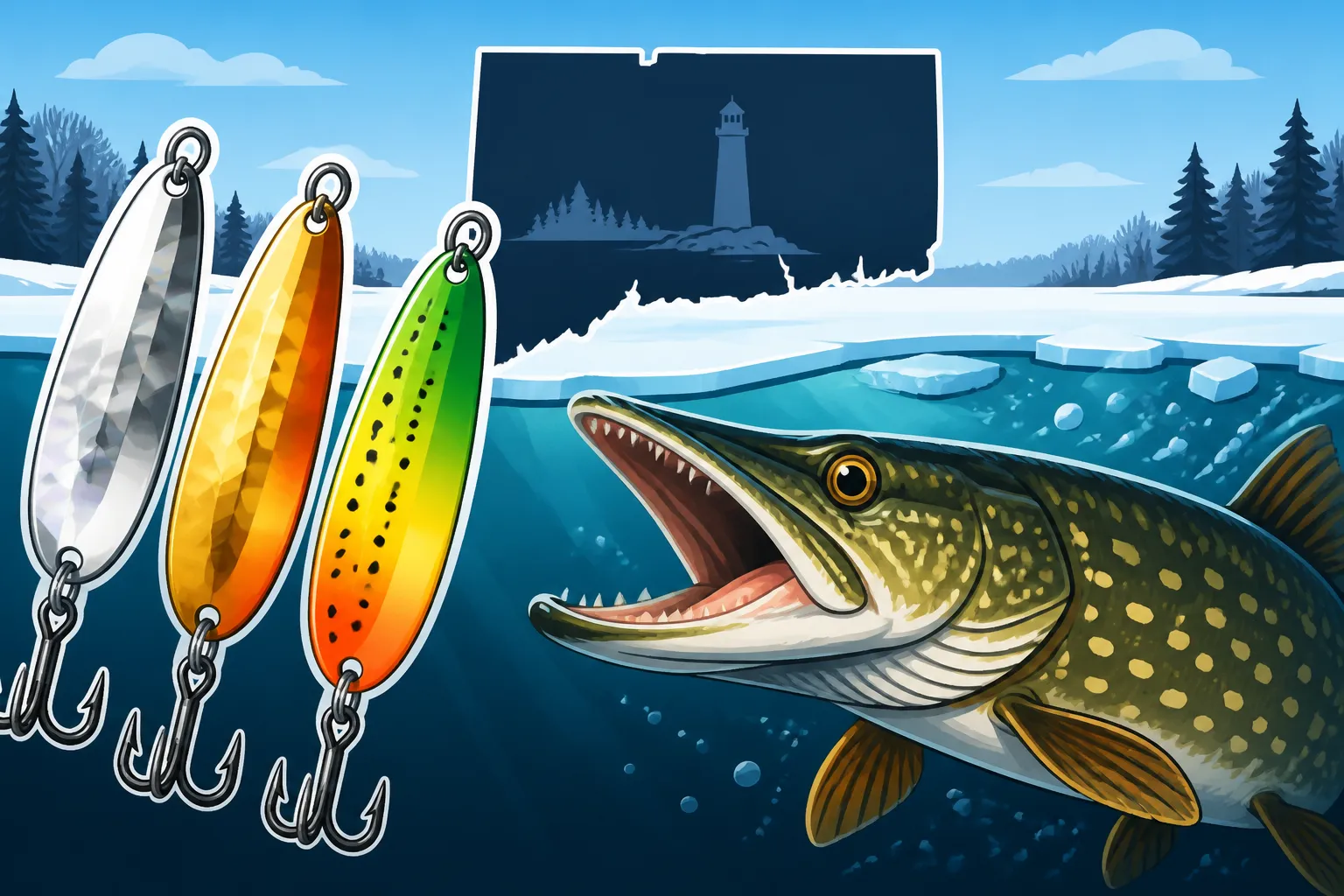
- Flash: This is arguably the most important attribute. The erratic glint of a spoon tumbling through the water column mimics a distressed baitfish, sending out visual signals that pike can't ignore. Silver, gold, chrome, or even holographic finishes are excellent for creating this flash. Many effective spoons are designed with facets or curves that maximize light reflection.
- Color: While flash is primary, color can play a significant supporting role, especially in stained water or specific conditions.
- Natural Baitfish Patterns: Silver/blue, gold/perch, or silver/black are always safe bets, mimicking common forage.
- Bright "Attractor" Colors: Sometimes, a pike needs to be provoked. Chartreuse, orange, or firetiger patterns can really stand out in dingy water or when fish are being particularly stubborn. These colors are often most effective on the underside or painted accents of the spoon, allowing the primary flash to remain dominant.
- Glow-in-the-Dark: For deeper water or low-light conditions (dawn, dusk, or even inside an ice shanty), a glow-in-the-dark option can be a game-changer. Charge it with a flashlight for maximum effect.
- Action: This refers to how the spoon moves in the water.
- Flutter: A slow, wide flutter on the drop is often deadly. This makes the spoon look like a dying baitfish, an easy target for a pike.
- Wobble: A side-to-side wobble during the retrieve or on the pause can also be very enticing, suggesting a swimming or injured fish.
- Erratic Fall: The best spoons have an unpredictable, tantalizing fall that changes direction slightly, mimicking natural prey movements.
When considering spoons, it's always a good idea to check out reviews and popular options on platforms like Amazon to see what other anglers are having success with.
Top Jigging Spoon Recommendations for Connecticut Pike
Now that we understand what makes a jigging spoon effective, let's talk about some specific types and styles that consistently put Connecticut pike on the ice. These aren't just random picks; they're chosen for their proven ability to appeal to a pike's predatory instincts in cold water.
Slender Profile Spoons
These spoons are typically longer and narrower, designed for a fast drop and a seductive, fluttering fall. They cut through the water efficiently, making them great for reaching deeper fish quickly.
- Acme Kastmaster: This is an absolute classic for a reason. Its unique design gives it an incredibly erratic, wild action on the drop, mimicking a fleeing or injured baitfish perfectly. The Kastmaster is known for its incredible flash. It comes in various weights and colors, but the chrome, gold, and blue/silver finishes are perennial pike producers. It's durable and a staple in many ice anglers' tackle boxes. You can easily find these on Amazon in various sizes to suit your needs.
- Swedish Pimple: Another legendary spoon, the Swedish Pimple has a more subtle, gliding action. It's often tipped with a piece of bait (like a minnow head or a small chunk of sucker) to enhance its appeal. The hammered finishes, especially silver or gold, create an alluring flash. Its slow, natural fall is often irresistible to lethargic pike.
Wider-Bodied Spoons
These spoons have a broader profile, which translates to a slower, more pronounced wobble and flutter. They move more water and can displace a greater visual presence, which is excellent for getting the attention of distant or curious pike.
- Johnson Silver Minnow: While often thought of as a weedless spoon for open water, smaller versions of the Silver Minnow can be incredibly effective through the ice, especially in areas with sparse weeds. Its wider profile gives it a pronounced side-to-side wobble, and the single hook helps minimize snags. The flash is intense, and tipping it with a minnow can make it deadly.
- Northland Buck-Shot Rattle Spoon: This spoon combines flash and sound, which is a powerful combination for winter pike. The rattle chamber emits vibrations that can draw pike from a greater distance, especially in stained water or during low-light conditions. The spoon itself has a nice, erratic fall. Perch and firetiger patterns, along with the classic silver, are excellent choices.
Here's a quick comparison of some popular jigging spoon styles for winter pike:
| Spoon Style | Profile | Primary Action | Ideal Pike Mood | Best for Depth | Key Feature |
|---|---|---|---|---|---|
| Acme Kastmaster | Slender | Erratic Flutter | Active to Neutral | Mid to Deep (15-40 ft) | Intense Flash, Fast Drop |
| Swedish Pimple | Slender | Gliding Flutter | Neutral to Lethargic | Mid (10-30 ft) | Natural Fall, Bait Tipping |
| Johnson Silver Minnow | Wide | Pronounced Wobble | Active to Neutral | Shallow to Mid (5-20 ft) | Weedless Design, Strong Flash |
| Northland Buck-Shot Rattle | Wider | Flutter/Rattle | Neutral to Active | Mid to Deep (15-40 ft) | Sound Attraction, Flash |
Jigging Techniques and Strategies for Success
Having the best jigging spoon is only half the battle; knowing how to work it effectively through the ice is the other. Winter pike require a nuanced approach, often responding best to specific jigging cadences and presentations. Patience, observation, and adaptability are your best friends here.
Varying Your Jigging Cadence
Pike, especially in winter, can be particular about how they want a lure presented. What works one day might not work the next, or even one hour to the next.
- The Lift-Drop: This is the foundational jigging technique. Start by dropping your spoon to the desired depth (often a foot or two off the bottom, or just above any marks on your fishfinder). Then, execute a sharp, yet moderate, lift of about 1-3 feet. Immediately let the spoon free-fall back down. The strike often comes on this fall or just as the spoon settles. Pause for a few seconds – sometimes up to 10-15 seconds – before repeating. This mimics a struggling or dying baitfish.
- Short Snaps and Quivers: When pike are more active, or if you're trying to provoke a reaction from a hesitant fish, short, sharp snaps of the rod tip can create quick, darting movements. Interspersed with these snaps, add subtle quivers or shimmies of the rod tip without moving the spoon much from its position. This can create a tantalizing vibration and flash without aggressive movement.
- Dead Sticking: Sometimes, the least amount of action is the best action. Pike, particularly trophy-sized ones, can be incredibly lazy. After a series of lifts and drops, let the spoon hang perfectly still for an extended period, sometimes up to a minute. The subtle sway of the water might be all it takes. This is also where tipping your spoon with a minnow head or small piece of cut bait can really shine.
Remember, always watch your line. A pike strike on a jigging spoon can be subtle – sometimes just a slight tap, a feeling of "heaviness," or your line simply going slack on the fall. For more detailed insights into effective tactics, check out Best Techniques for Ice Fishing Pike.
Targeting Depths and Zones
Pike will roam different depths depending on the lake's structure, baitfish presence, and light conditions.
- Bottom to Mid-Column: While pike are often thought of as shallow-water predators, they will hold deeper in winter, especially if baitfish are congregated there. Always start by exploring the bottom 5-10 feet of the water column. If your fishfinder shows marks higher up, adjust accordingly.
- Hovering Above Marks: If your fishfinder marks a fish, don't drop your spoon right on top of it. Instead, drop it a foot or two above the fish. Pike typically feed upwards, so presenting the lure slightly above them makes it an easier target and often triggers a predatory instinct to rise and strike.
- Ice Holes as Zones: When fishing multiple holes, don't just fish one depth in each. Vary your presentation across your holes. For example, fish one hole strictly near the bottom, another in the mid-column, and another just under the ice. This helps you quickly dial in on the pike's preferred depth for the day. This kind of systematic approach is key to success on the hard water.
Considerations Beyond the Spoon: Line, Rod, and Electronics
While the jigging spoon is the star of the show, it’s just one part of a successful winter pike fishing setup. Your line, rod, and electronics work together to maximize your chances of detecting those often-subtle cold-water strikes and successfully landing a powerful pike through a relatively small hole.
Rod and Reel Setup
The right rod and reel can transmit those subtle bites and provide the backbone needed for a tough fight.
- Ice Rod: Look for a medium to medium-heavy action ice rod, typically 28 to 36 inches in length. This length provides good leverage when fighting a fish in a confined space. A sensitive tip is crucial for detecting light bites, while a strong backbone is necessary to handle the initial powerful runs of a pike. Some anglers prefer a fast action tip for quick hook sets.
- Reel: A spinning reel in the 1000 to 2500 size range is usually sufficient. Ensure it has a smooth drag system, as a large pike can spool you in a hurry if the drag isn't set correctly. Smooth retrieve and good line capacity are also important features.
- Line: This is often where anglers make mistakes.
- Main Line: 8-12 lb test fluorocarbon or braided line is a good starting point. Fluorocarbon is less visible in clear water and has minimal stretch, enhancing sensitivity. Braided line offers superior sensitivity and strength for its diameter, but it can absorb water and freeze, making it challenging to manage. If using braid, a quality monofilament or fluorocarbon leader is essential.
- Leader: Pike have razor-sharp teeth that will make short work of most fishing lines. A steel, fluorocarbon, or titanium leader is non-negotiable. Many anglers opt for a 12-24 inch, 20-30 lb test fluorocarbon leader for its low visibility and abrasion resistance. However, if targeting truly large pike in toothy conditions, a light wire leader (like a tie-able titanium leader) offers the best protection against bite-offs. Don't skimp here; it's heartbreaking to lose a trophy pike because of a frayed leader.
For insights on preparing your gear for the hard water, consider reading Ice Fishing in Connecticut.
The Role of Electronics
Modern electronics have revolutionized ice fishing, making it far more efficient to locate fish and present your spoon effectively.
- Flasher/Fishfinder: A dedicated ice fishing flasher (like a Vexilar, Humminbird Ice Helix, or Marcum) is arguably the most valuable tool for winter pike fishing. It provides real-time sonar readings, showing you not only the depth and bottom structure but also the presence of baitfish and, most importantly, pike. You can see your jigging spoon descending, watch how fish react to it, and adjust your presentation on the fly. This instant feedback is invaluable.
- Marking Fish: When you see a "mark" appear on your flasher, indicating a fish, pay close attention. How does the fish react to your spoon? Does it rise to meet it, or stay glued to the bottom? This intel helps you refine your jigging cadence.
- Depth Control: A flasher helps you precisely present your spoon at the exact depth where pike are holding, especially when they are suspended.
- GPS and Mapping: For larger bodies of water like Bantam Lake or Candlewood Lake, a GPS unit with detailed lake mapping (or an app on your smartphone) can be incredibly helpful. This allows you to pinpoint those productive weed lines, drop-offs, and humps that you've identified as prime pike habitat, ensuring you're dropping your jigging spoon in the most promising spots. These mapping features can often be integrated into your fishfinder unit.
Finding good electronics at competitive prices, along with all the gear mentioned, is often a matter of browsing major outdoor retailers or checking platforms like Amazon, where many brands offer a wide selection. Keep an eye out for sales, as quality gear can be an investment but pays dividends in success.
Final Thoughts on Jigging for Winter Pike
Chasing northern pike through the ice in Connecticut is a rewarding challenge, one that combines the solitude of winter angling with the thrill of battling a powerful freshwater predator. The right jigging spoon, coupled with a keen understanding of pike behavior and a well-tuned setup, can drastically increase your success rate.
Remember to always prioritize safety when venturing onto the ice. Check ice conditions thoroughly, tell someone where you're going, and carry appropriate safety gear. How thick ice needs to be to fish safely in Connecticut is a critical read before your first outing. Once you're out there, armed with your knowledge and your chosen jigging spoon, be patient, experiment with your presentation, and pay close attention to what the fish are telling you. You might just find yourself staring down a true Connecticut trophy pike, caught on a lure you learned to master right here.
Disclaimer
This article is for general informational purposes only and does not constitute professional advice. Laws, prices and regulations vary by location and change over time. Consult a qualified professional for guidance on your specific situation.