Endangered and Protected Fish Species in Connecticut
Endangered shortnose sturgeon in Connecticut waters require careful release by anglers to protect vulnerable aquatic ecosystems.
Know what’s on the line.
Gamefish and panfish profiles — identification, behavior, feeding habits, and species-specific strategies for every catch.
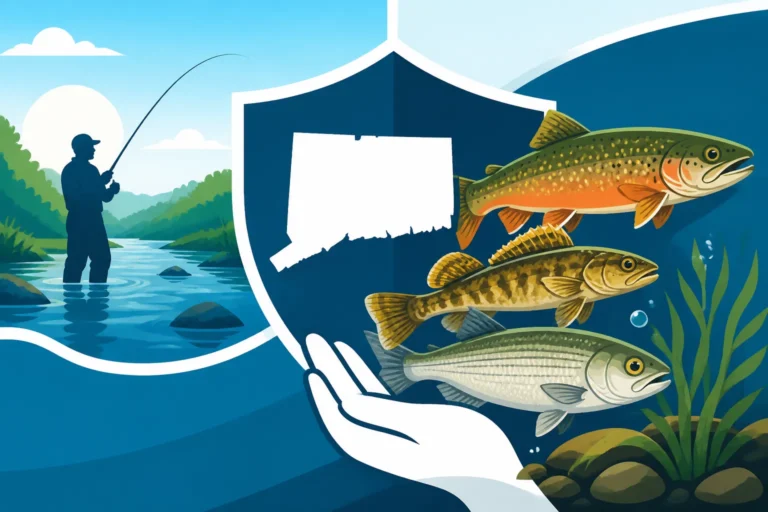
Endangered shortnose sturgeon in Connecticut waters require careful release by anglers to protect vulnerable aquatic ecosystems.
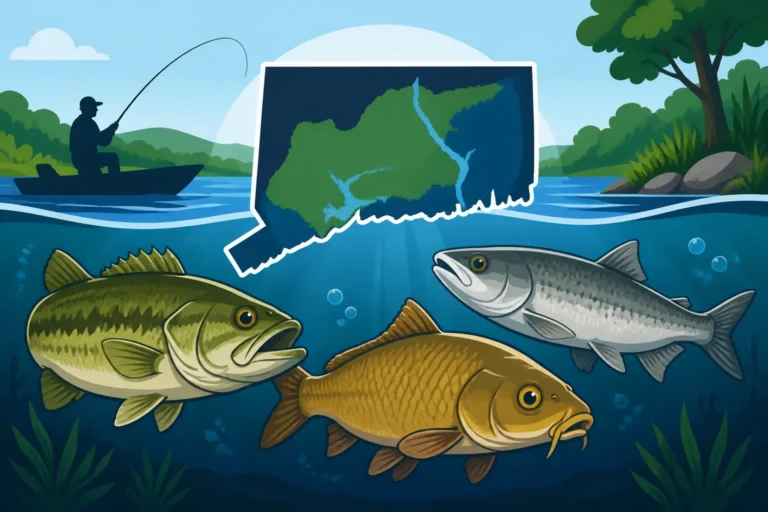
Invasive fish species in Connecticut waters threaten local ecosystems, outcompeting native trout and spreading diseases through unauthorized releases.
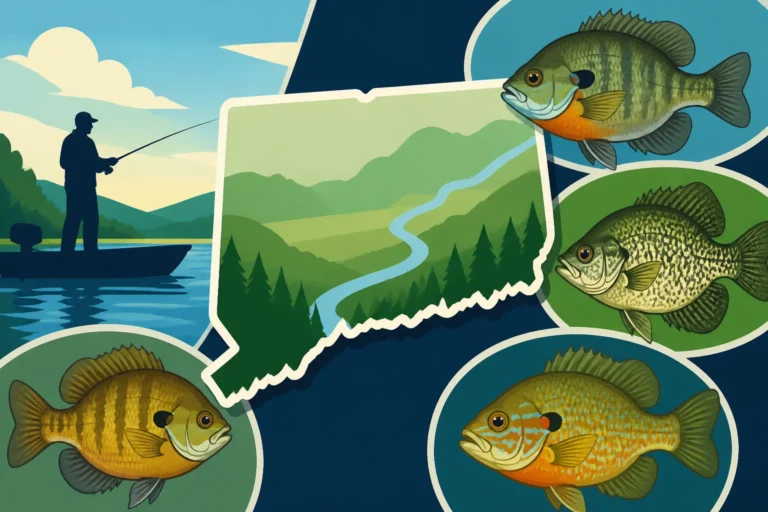
Connecticut panfish identification details traits, habitats, and species differences for freshwater fish found in local lakes.
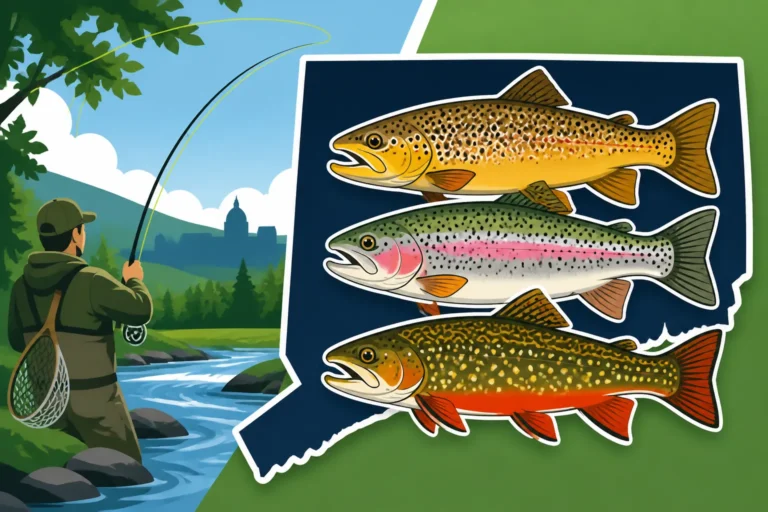
Brook, rainbow, and brown trout identification helps Connecticut anglers follow fishing regulations and understand local stream ecosystems.
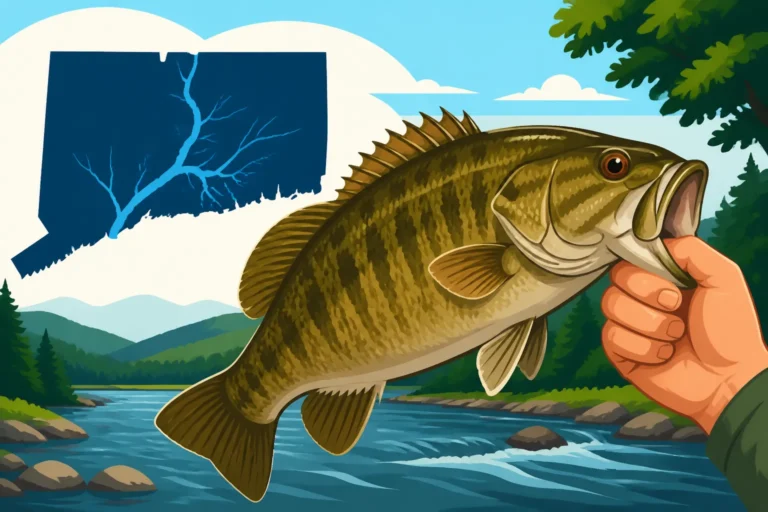
Connecticut river smallmouth bass average length and weight ranges, plus factors influencing growth and local habitat conditions.
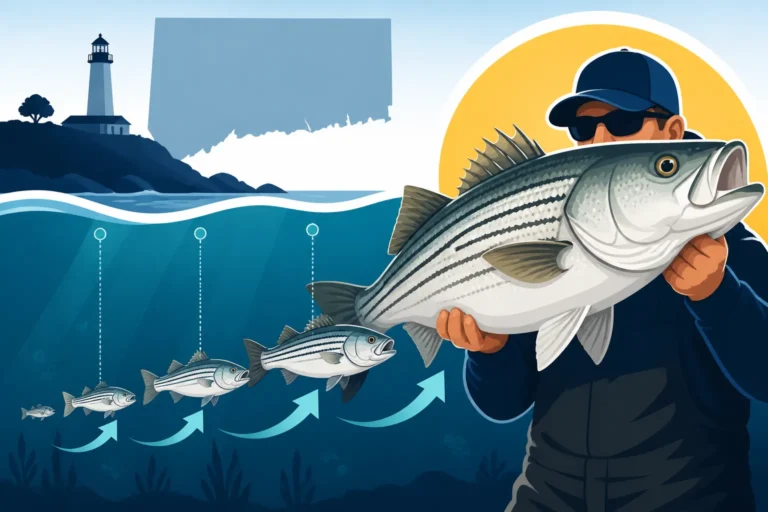
Striped bass growth rates depend on food availability, water quality, and genetics during their migration from estuaries.
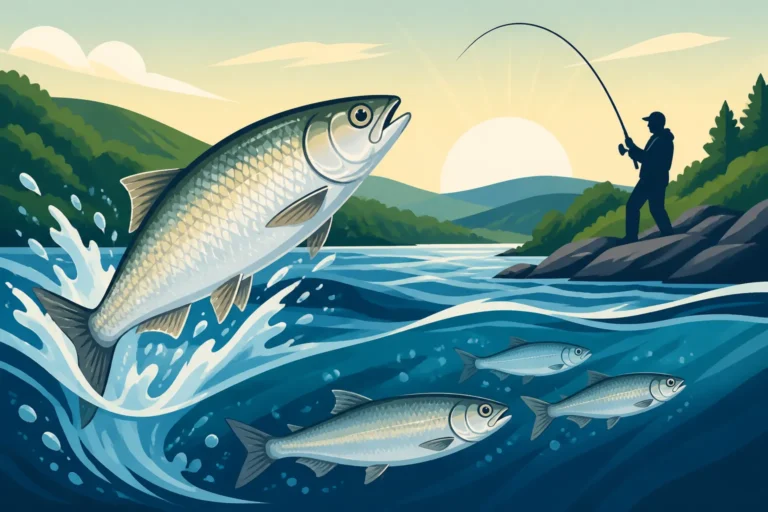
Nicknamed the poor man’s tarpon, these anadromous fish enter the river each spring from saltwater to spawn, a centuries-old run that once fed whole communities.
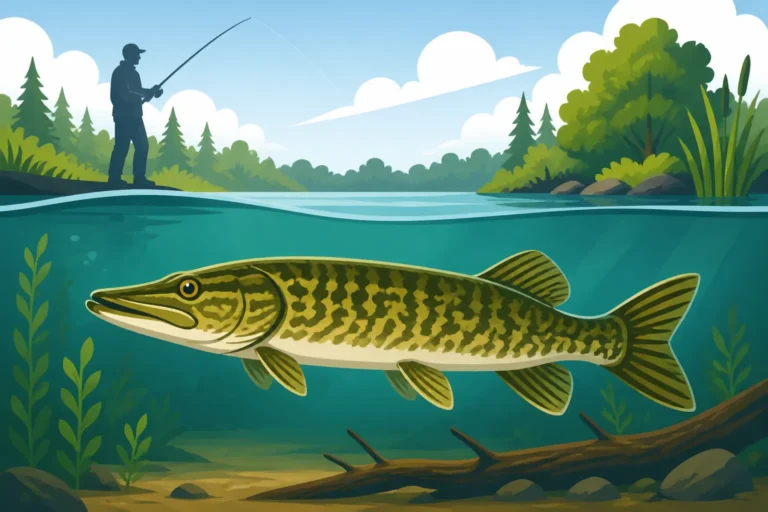
Chain pickerel habits in Connecticut ponds reveal where these fish hide in vegetation and how they hunt throughout the year.
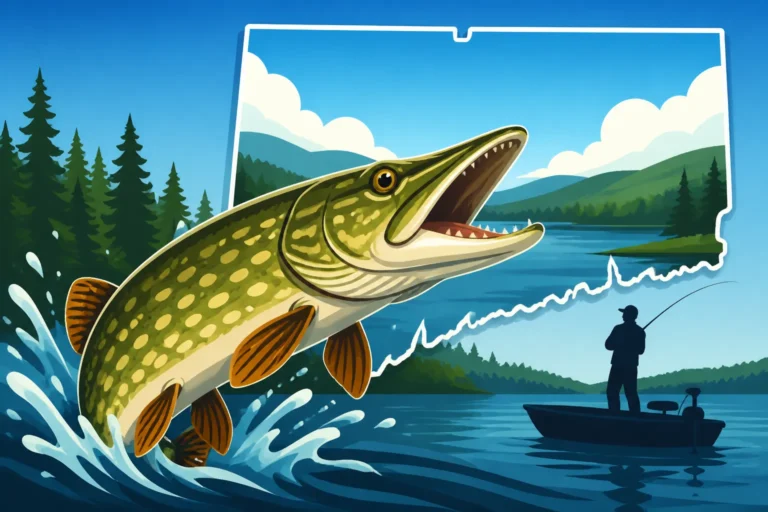
Northern Pike fishing in Connecticut involves finding prime waters and understanding the habits of these aggressive freshwater predators.
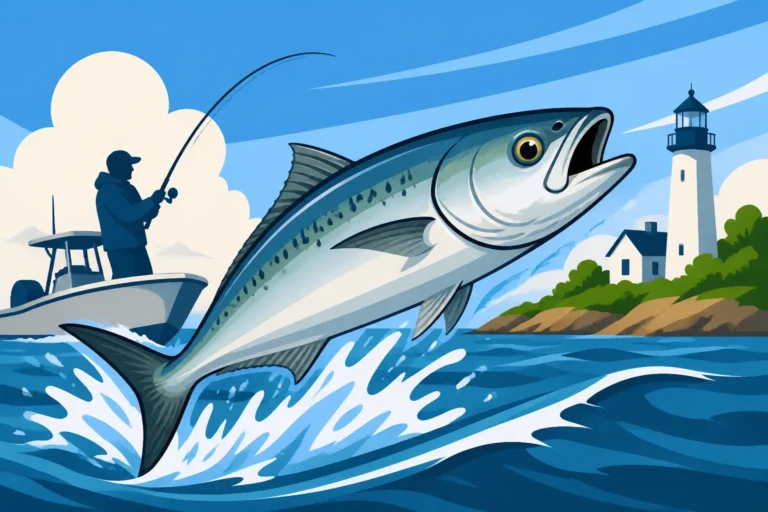
Bluefish habits and habitats in Long Island Sound reveal where aggressive predators feed on bunker, spearing, and anchovies.