Black Sea Bass Habits in Connecticut Waters
Black sea bass habits in Connecticut waters include seasonal migrations and preferred hideouts near rocky reefs and ledges.
Know what’s on the line.
Gamefish and panfish profiles — identification, behavior, feeding habits, and species-specific strategies for every catch.
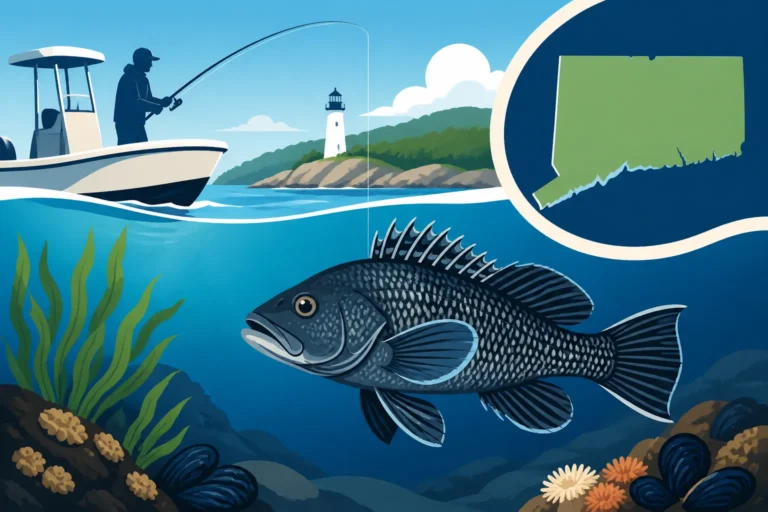
Black sea bass habits in Connecticut waters include seasonal migrations and preferred hideouts near rocky reefs and ledges.
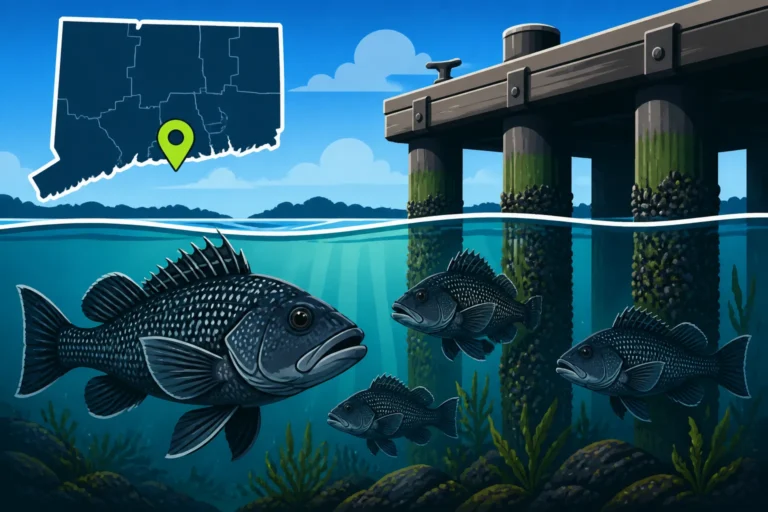
Blackfish habits around structure explain tautog localized behavior, feeding strategies, and seasonal movements in rocky coastal waters.
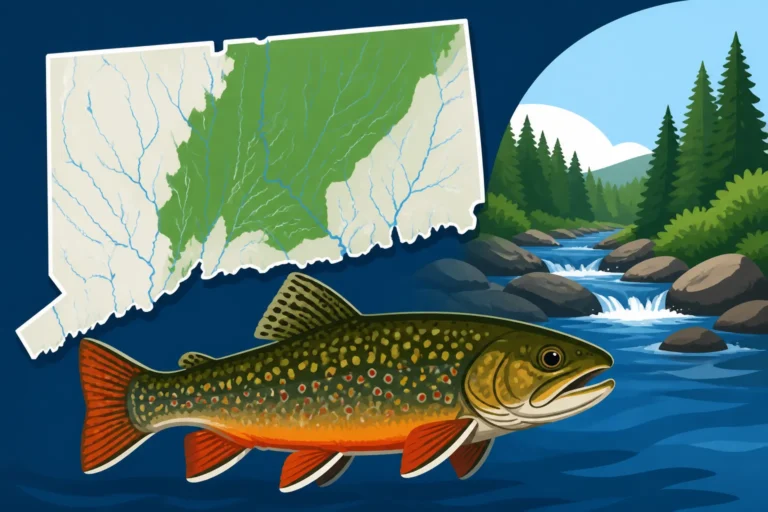
Connecticut native brook trout populations, their distinct physical characteristics, and their ecological significance in pristine streams.
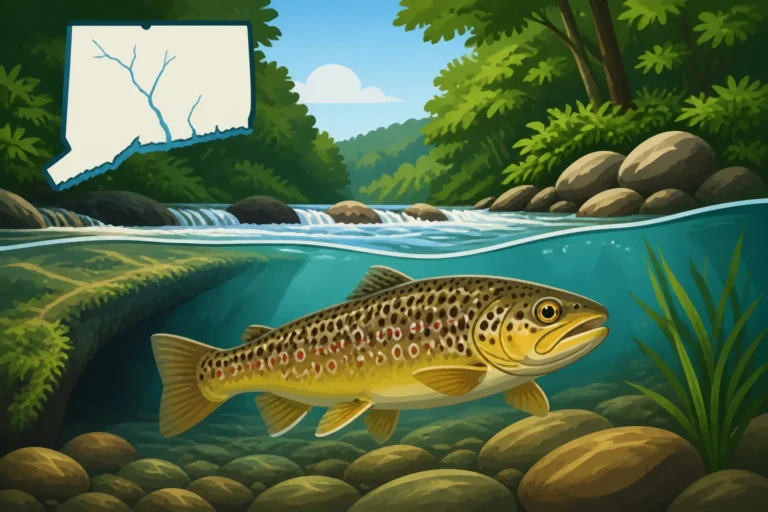
Brown trout habits in Connecticut streams reveal wild behaviors and physical traits, helping anglers predict fish movements.
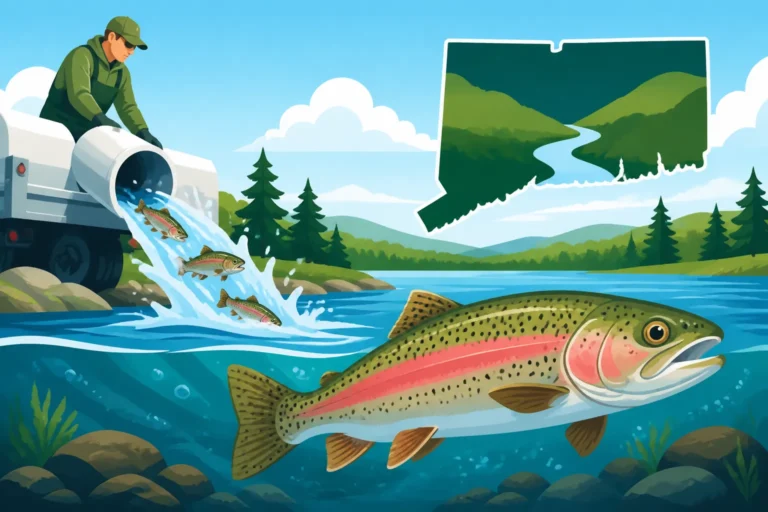
Rainbow trout stocking schedules and locations by the Department of Energy and Environmental Protection sustain recreational fishing.
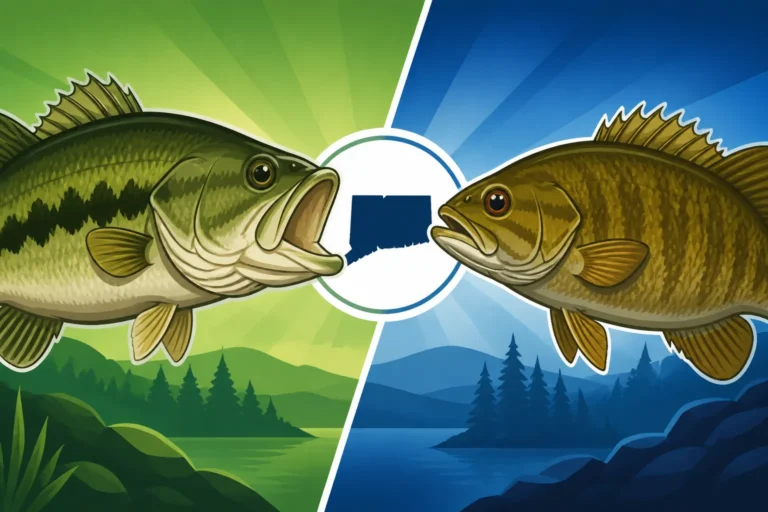
Largemouth and smallmouth bass identification details explain jawline differences, dorsal fin separation, and distinct coloration patterns.
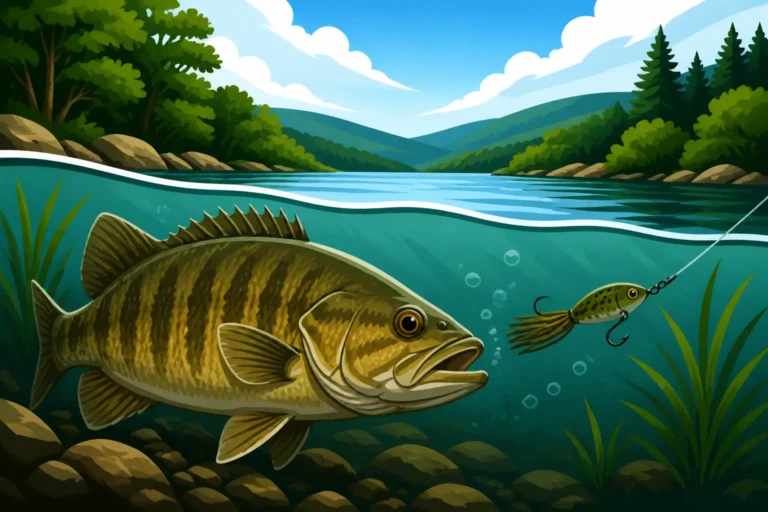
Smallmouth bass habits on the Housatonic River include adapting to changing water flows, depths, and seasonal river structures.
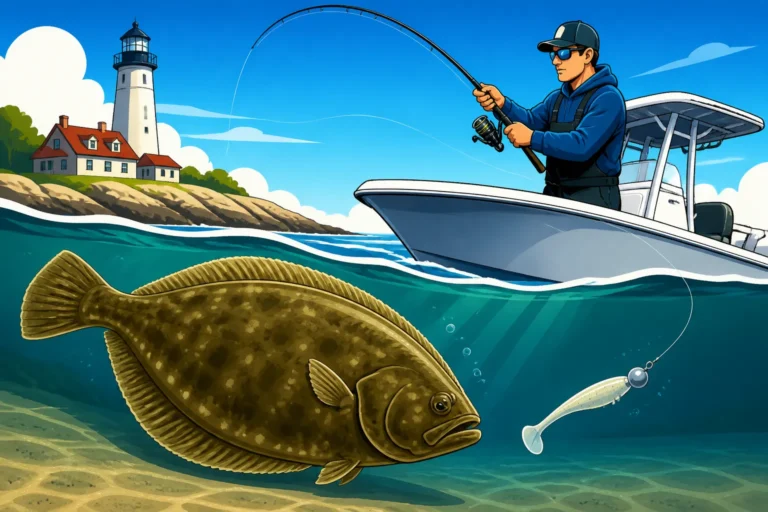
Fluke habits in Long Island Sound reveal seasonal migration patterns, feeding behaviors, and physical traits of summer flounder.

Striped bass migration patterns along the Connecticut coast explain seasonal movements, feeding habits, and coastal timing for anglers.
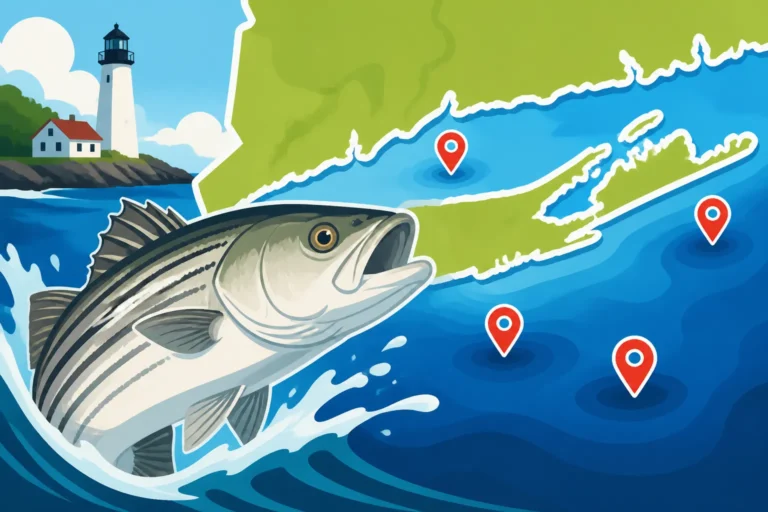
Striped bass locations and feeding habits across Long Island Sound help anglers find Atlantic menhaden and river herring.