Largemouth Bass vs Smallmouth Bass Identification
It’s a tale as old as time for Connecticut anglers: you reel in a beautiful bass, and then the head-scratching begins. Is it a largemouth or a smallmouth? The truth is, these two popular game fish, while both incredibly fun to catch, have distinct differences that can sometimes be tricky to spot, especially for beginners or in varied lighting. This guide is here to untangle that confusion, providing clear visual cues, behavioral insights, and even fishing tips to help you confidently identify your catch every single time.
Visual Identification: The Most Obvious Clues
Understanding the physical differences between largemouth and smallmouth bass is the first step to becoming a more knowledgeable angler. While they share a similar torpedo-shaped body, a closer look reveals key distinctions that are almost always reliable.
Mouth Size and Jawline
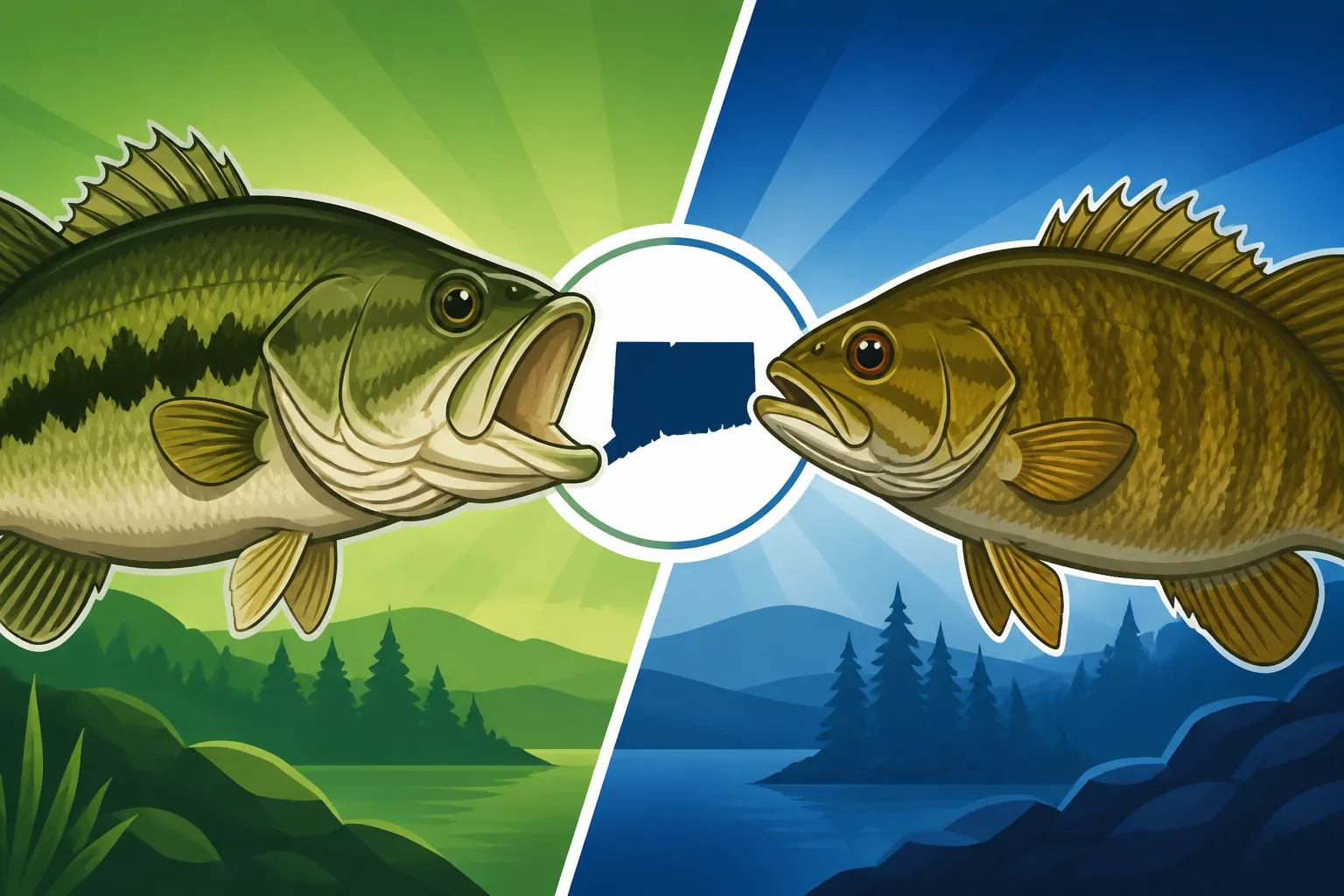
This is often the most talked-about and clearest indicator, hence their names! When you're holding a bass, take a good look at its mouth. For a largemouth bass, the jaw extends quite far back. If you imagine a vertical line dropping down from the rear edge of the eye, a largemouth's jaw will typically extend beyond that line. It looks like its mouth is disproportionately large for its head, which is exactly why it's called a "largemouth." This adaptation allows them to swallow surprisingly large prey, from smaller fish to frogs and even ducklings.
Smallmouth bass, on the other hand, have a noticeably smaller mouth. Their jawline will almost always end before or directly in line with the middle of the eye. It gives them a more compact, almost "trout-like" profile in comparison to their big-mouthed cousins. You can literally use your thumb and forefinger to trace that imaginary line from the back of the eye down to the jaw to quickly confirm. This smaller mouth also dictates what baits they might prefer, often favoring smaller, more subtle presentations.
Dorsal Fin Separation
Another critical and often overlooked physical characteristic is the dorsal fin. Both largemouth and smallmouth bass have two dorsal fins, but the way these fins are connected (or not connected) is a dead giveaway. The dorsal fins are those pointy fins running along the top of the fish's back. For a largemouth bass, you'll find a deep, almost complete, indentation or separation between the front (spiny) dorsal fin and the rear (soft-rayed) dorsal fin. If you were to run your finger along their back, you'd feel a distinct dip where the two fins almost become two separate entities.
Conversely, a smallmouth bass has dorsal fins that are only slightly notched or barely separated. The two sections of the dorsal fin appear much more connected, forming a continuous line with only a subtle dip, if any. This continuous appearance is a hallmark feature, and once you've seen it a few times, it becomes incredibly easy to spot. Always check the dorsal fins, especially if the mouth size seems ambiguous or you're dealing with a particularly large specimen of either species that might challenge the usual jawline rule.
Coloration and Markings
While coloration can vary greatly depending on water clarity, diet, and habitat, there are general patterns that tend to hold true. Largemouth bass typically exhibit a distinct dark, horizontal stripe or series of blotches running along their lateral line, from their gill plate to their tail. This stripe can be very pronounced in some fish, looking almost like a solid black line, while in others, it might be more broken or faded into dark patches. Their overall body color tends to be a darker green, sometimes appearing almost black on the back, fading to lighter green or white on the belly. The scales often have a somewhat rougher appearance. You can find beautiful examples of these patterns in many of Connecticut's lakes and ponds.
Smallmouth bass are often referred to as "bronzebacks" for a good reason. Their primary coloration is a brownish-gold or bronze, transitioning to a lighter, almost white belly. Instead of a horizontal stripe, they usually have several dark, vertical bars or blotches along their sides. These bars can be quite striking, especially in clear water fish, giving them a tiger-striped appearance. Their eyes often have a reddish or orange tint, which is another subtle clue. Remember, though, that a smallmouth caught from dark, tannic water might appear much darker than one caught from a clear, rocky river like the Housatonic. Always consider the habitat when evaluating color, but the pattern of the markings (horizontal vs. vertical) is usually a consistent differentiator.
| Feature | Largemouth Bass | Smallmouth Bass |
|---|---|---|
| Jawline | Extends beyond the back of the eye | Ends at or before the middle of the eye |
| Dorsal Fins | Deeply separated, almost two distinct fins | Slightly notched, appearing more continuous |
| Body Color | Dark green to olive, often with distinct black splotches | Brownish-gold to bronze, often with vertical bars |
| Lateral Line | Prominent dark horizontal stripe or blotches | Typically no horizontal stripe, more vertical bars |
| Overall Shape | Robust, deeper body | More streamlined, slenderer body |
| Eye Color | Usually dark or gold | Often reddish-orange |
Habitat and Behavior Differences
Beyond their looks, largemouth and smallmouth bass have developed distinct preferences for where they live and how they act, which directly influences how and where you'll find them in Connecticut. Understanding these tendencies can significantly improve your chances of success.
Preferred Water Types and Structure
This is perhaps the biggest behavioral difference and a key to locating each species. Largemouth bass are the kings of warm, weedy, and often muddier waters. Think lily pads, submerged timber, dense aquatic vegetation, docks, and slow-moving rivers or ponds. They thrive in lakes and ponds with soft bottoms and plenty of cover to ambush prey. They love hiding in the shadows, waiting for an unsuspecting bluegill or frog to swim by. In Connecticut, you'll find largemouth in abundance in places like Candlewood Lake, Bantam Lake, and countless smaller ponds and coves throughout the state. Best Bass Fishing Lakes in Connecticut will often feature prime largemouth waters.
Smallmouth bass, conversely, are typically found in cooler, clearer, and often rockier environments. They prefer rivers with strong currents, deep, rocky lakes, and areas with gravel or sandy bottoms. Structure for smallmouth means boulders, ledges, drop-offs, and swift current breaks where they can ambush baitfish. They are less dependent on dense overhead cover and more on bottom structure. The Farmington River and the Housatonic River are prime smallmouth habitats in Connecticut, known for their clear, flowing waters and rocky beds. When fishing in these environments, knowing how to approach different structures is key. For more on this, check out our guide on Smallmouth Bass Fishing in Connecticut.
Aggression and Fight Style
Both species are aggressive predators, but their fighting styles can feel quite different on the end of your line. Largemouth bass are known for their explosive, head-shaking jumps and powerful runs into cover. When hooked, a largemouth will often try to "dig in" to weeds, wrap around submerged logs, or make a break for the thickest cover it can find. This makes landing them a real challenge, often requiring heavier tackle and quick reactions to keep them out of snags. The initial strike from a largemouth can be incredibly violent, especially when they're hitting topwater lures near cover.
Smallmouth bass are often lauded for their bulldog tenacity and acrobatic leaps. While they might not try to bury themselves in cover as much as a largemouth, they'll make repeated, powerful runs and incredible aerial displays. They fight with a constant, unwavering pull, often feeling like a much larger fish than they are. When you hook a smallmouth in a river, they'll use the current to their advantage, making for a truly exhilarating battle. Many anglers consider the smallmouth fight to be superior, especially in rivers where their strength is amplified by the flow. This difference in fight style means you might need slightly different strategies for tiring them out.
Spawning Habits
Understanding spawning habits is crucial not only for conservation but also for knowing when and where to target these fish. Both species are "nest builders," with males guarding the eggs and fry. Largemouth bass typically spawn in the spring when water temperatures reach a consistent 60-68 degrees Fahrenheit. They will create saucer-shaped nests in shallower, protected areas, often near submerged vegetation or woody debris, usually in water depths of 2-6 feet. During this time, they are highly aggressive in protecting their nests, making them somewhat easier to catch, though responsible anglers practice catch and release during the spawn to ensure future generations. Learning When largemouth bass spawn in Connecticut can help you time your fishing trips appropriately.
Smallmouth bass also spawn in the spring, but they prefer slightly cooler water temperatures, typically around 58-65 degrees Fahrenheit. Their nests are usually found in areas with gravel, rubble, or sandy bottoms, often on points, flats, or shelves in lakes, or in eddies and slower currents in rivers. They might spawn a bit deeper than largemouth, sometimes in 5-15 feet of water, especially in clear lakes where they need protection from predators. Like largemouth, the males are fierce nest guardians, making them vulnerable. Observing these periods can inform your approach to fishing, ensuring you're ethical while enjoying the sport.
Diet and Preferred Baits
Knowing what these bass prefer to munch on is a huge advantage when you're trying to fool them into biting. While there's certainly overlap, their dietary mainstays often reflect their distinct habitats.
Largemouth Forage Profile
Largemouth bass are opportunistic predators with a broad diet. They are known to eat almost anything they can fit into their sizable mouths. In their typical weedy, warmer habitats, their diet includes a wide array of prey. Common forage includes smaller fish like bluegill, shiners, perch, and juvenile catfish. Frogs are a significant food source, especially in shallow, vegetated areas. Crayfish, salamanders, and even small snakes or ducklings can also end up on a largemouth's menu. Insects, both aquatic and terrestrial that fall into the water, are also fair game. This varied diet means a wide range of lures can be effective. If you're looking for Best Techniques for Largemouth Bass in Connecticut Ponds, understanding their diet is paramount.
This diverse diet makes largemouth bass highly responsive to a variety of artificial baits that mimic their natural food sources. Spinnerbaits, chatterbaits, plastic worms, jigs, topwater frogs, crankbaits, and swimbaits are all staples in a largemouth angler's tackle box. The key is often to match the lure's action and profile to the prevalent forage in the specific body of water you're fishing. For instance, if you're fishing a pond heavy with bluegill, a bluegill-patterned swimbait or a jig in shades of green and brown might be incredibly effective. Many anglers swear by a good selection of soft plastics, readily available on platforms like Amazon, to imitate worms and creature baits.
Smallmouth Forage Profile
Smallmouth bass have a somewhat more specialized diet, heavily influenced by their clear, rocky, and often current-rich environments. Their primary food source in many Connecticut rivers and lakes is crayfish. If you flip over rocks in a smallmouth stream, you'll almost certainly find crayfish scurrying away, and the smallmouth are keenly aware of their presence. Beyond crayfish, smallmouth will feast on various baitfish, including shiners, darters, and sculpins that inhabit rocky bottom structures. In certain larger lakes, alewives and smelt can be important forage. Terrestrial insects and even aquatic insect nymphs can also be part of their diet, particularly in rivers. Knowing What water temperature smallmouth bass prefer can also give you clues as to when their metabolism is highest and they are feeding most actively.
Given their diet, effective smallmouth lures often mimic crayfish or baitfish. Jigs, tube baits (which excel at imitating crayfish), crankbaits that dive to rocky bottoms, blade baits, and various soft plastics designed to look like small fish are all excellent choices. Fly anglers targeting smallmouth will often use crayfish patterns, clouser minnows, and hellgrammite imitations. Because smallmouth often feed in current, lures that can be worked effectively with the flow or bounced along the bottom are frequently successful. Having a range of these baits, perhaps picked up from Amazon for convenience, can make a huge difference in your success rate. For river fishing, specifically, checking out Best Baits for Smallmouth Bass on the Housatonic can give you an edge.
Matching the Hatch with Lures
While both species can be caught on a wide array of lures, the presentation and profile often differ based on their typical diet and hunting grounds. For largemouth, think bulkier, weedless presentations that can be dragged through thick cover. Big plastic worms, jigs with trailers, frogs, and swimbaits are fantastic for pulling them out of the weeds or from under docks. The goal is often to create a commotion and imitate a struggling prey item that's easy for the largemouth to ambush.
For smallmouth, finesse often plays a bigger role, especially in clear water. Think smaller profile baits, subtle movements, and presentations that imitate crayfish scurrying along the bottom or baitfish darting erratically. Drop shots, Ned rigs, smaller jigs, and shallow-running crankbaits that mimic a minnow are often deadly. In rivers, working baits that drift naturally with the current can be incredibly effective. However, don't shy away from aggressive tactics; smallmouth will absolutely crush a topwater lure or a spinnerbait when they're in an aggressive mood, especially around sunrise or sunset. Matching your retrieve and lure choice to the specific conditions and known forage will always yield better results.
Fishing Techniques and Gear Selection
Because of their differing habitats and behaviors, successful fishing for largemouth and smallmouth bass often involves distinct techniques and gear setups. While some crossover exists, optimizing your approach for each species will greatly enhance your angling experience.
Targeting Largemouth Bass
When you're after largemouth, you're generally going to be focusing on areas with plenty of cover: lily pads, thick weed beds, fallen trees, brush piles, and dock pilings. This means your techniques will often involve getting your lure into or around these snags. Flipping and pitching jigs or Texas-rigged plastic worms into tight cover are quintessential largemouth tactics. Topwater frogs and hollow-body lures are incredible for fishing over mats of vegetation, triggering explosive strikes. Crankbaits and spinnerbaits are excellent for covering larger areas of submerged weeds or along shorelines.
Your gear will typically be heavier than what you might use for smallmouth. A medium-heavy to heavy action casting rod, often 7 feet or longer, paired with a baitcasting reel spooled with strong monofilament, fluorocarbon, or braided line (15-50 lb test, depending on cover) is standard. This heavier setup gives you the power to pull big bass out of dense cover and the backbone to drive large hooks home. Weedless presentations are absolutely key; always ensure your hooks are protected from snags when fishing in thick vegetation. Remember, if you’re fishing in a state park pond, certain regulations might apply, so always check Connecticut Fishing Regulations Explained.
Targeting Smallmouth Bass
For smallmouth, especially in Connecticut's rivers like the Housatonic or Farmington, or rocky lakes, you'll be focusing on current seams, eddy lines, rock piles, ledges, and drop-offs. Techniques often involve bouncing jigs and tube baits along the bottom to imitate crayfish, throwing crankbaits that dive to match the bottom contour, or working swimbaits and soft plastics to mimic baitfish. Drop-shotting and Ned rigs are excellent for targeting smallmouth holding tight to structure in clear water. In rivers, learning to "read the water" – identifying current breaks, eddies, and submerged rocks – is crucial for placing your lure effectively.
Given their habitat and fight style, a slightly lighter and more sensitive setup is often preferred for smallmouth. Medium to medium-heavy action spinning rods, typically 6'6" to 7'6" in length, are very popular, especially when paired with a good quality spinning reel and 6-12 lb test fluorocarbon or braid. This allows for longer casts, better feel for subtle bites, and the finesse needed for lighter lures. However, if you're throwing larger crankbaits or fishing in heavy current, a medium-heavy casting setup with heavier line can still be advantageous. Precision casting and a natural presentation are often more important than sheer power when chasing smallmouth.
Essential Tackle Differences
While both species can be caught with a versatile "all-around" bass setup, having specialized tackle can truly optimize your experience. For largemouth fishing, a robust baitcasting rod and reel are often essential, especially for heavy cover applications like flipping jigs or frog fishing. Having an assortment of weedless hooks (like EWG hooks for soft plastics) is also non-negotiable. Don't forget a pair of sturdy pliers for hook removal, as largemouth can really engulf a lure. For smallmouth, a sensitive spinning combo shines. The ability to cast lighter baits accurately and detect those subtle "thumps" when a smallmouth picks up a tube jig is invaluable. Having a selection of jig heads in various weights and shapes, along with plenty of soft plastic tubes and grubs, will serve you well. Many anglers keep a net handy for both species, particularly for those acrobatic smallmouth leaps. Having a well-stocked tackle box with diverse options, easily organized with tackle trays you might find on Amazon, makes all the difference.
Conservation and Regulations in Connecticut
Responsible angling is paramount to ensuring healthy bass populations for future generations. Connecticut has specific regulations in place to manage both largemouth and smallmouth bass, and understanding these is a critical part of being a good steward of our natural resources.
Connecticut's Bass Management
The Connecticut Department of Energy and Environmental Protection (DEEP) actively manages bass populations through stocking programs, habitat protection, and fishing regulations. While largemouth bass are widely distributed across the state's lakes and ponds, smallmouth bass thrive particularly well in certain river systems and deeper, rockier lakes. DEEP's efforts aim to maintain a balance, allowing for sustainable recreational fishing while protecting the species' ability to reproduce and flourish. They frequently conduct surveys and research to assess population health and adjust regulations as needed. Knowing about Connecticut Fishing License Guide for 2026 is the first step in legally participating in these conservation efforts.
Anglers play a vital role in this management. By adhering to size limits, creel limits (the number of fish you can keep), and season dates, we directly contribute to the health of the fishery. Catch and release practices, especially for larger breeding fish, also have a significant positive impact. Connecticut's unique mix of waters means that management strategies can differ slightly depending on whether you're fishing a small pond for largemouth or a large river for smallmouth. Always check the current Reading the Connecticut Fishing Guide or the DEEP website for the most up-to-date information before you head out.
Catch and Release Best Practices
Practicing proper catch and release is crucial for the survival of the fish you decide not to keep. Both largemouth and smallmouth bass are fairly resilient, but improper handling can still lead to delayed mortality. Here are some key tips:
- Minimize Fight Time: Try to land the fish as quickly as possible without overstressing it. Prolonged fights can exhaust a fish, making it less likely to recover.
- Handle Gently: Wet your hands before touching the fish to protect its protective slime coat. Avoid squeezing the fish, especially around its internal organs.
- Support Horizontally: If you must hold the fish for a photo, support its body horizontally with one hand under its belly and the other gripping its lower jaw (bass thumb). Never hold a large bass vertically by just the jaw, as this can damage its internal organs and jaw structure.
- Quick Hook Removal: Use needle-nose pliers or a hook-remover tool to quickly and carefully extract the hook. If the fish is deeply hooked, it's often better to cut the line as close to the hook as possible rather than risk further injury trying to remove it.
- Revive if Necessary: If the fish seems sluggish, hold it gently in the water, facing into the current (if in a river) or moving it gently back and forth to force water over its gills. Release only when it swims away strongly on its own.
- Barbless Hooks: Consider using barbless hooks or pinching down the barbs on your hooks. This makes hook removal much easier and less traumatic for the fish. Many anglers find quality barbless hooks for bass fishing available on Amazon.
These practices not only help the fish but also ensure that other anglers can enjoy the thrill of catching a healthy bass down the line.
Understanding Size and Creel Limits
Connecticut has specific regulations regarding the minimum length and daily creel (possession) limits for both largemouth and smallmouth bass. These rules are in place to allow fish to reach maturity and reproduce, contributing to a stable population. For example, there's a statewide minimum length limit for bass, meaning any fish shorter than that must be immediately released. There's also a daily creel limit, which dictates how many bass of legal size you can keep in a single day. These limits can sometimes vary by water body, especially in special regulation areas.
It's your responsibility as an angler to know and abide by these rules. Failing to do so can result in fines and penalties, and more importantly, negatively impact the fishery. Always consult the official Connecticut Angler's Guide or the DEEP website for the most current regulations, as they can change annually. The information regarding Connecticut Fishing Regulations Explained will provide a comprehensive overview, but specific length and creel limits are detailed in the official guide. Being well-informed is a crucial part of enjoying bass fishing in Connecticut while also safeguarding its future.
Disclaimer
This article is for general informational purposes only and does not constitute professional advice. Laws, prices and regulations vary by location and change over time. Consult a qualified professional for guidance on your specific situation.