Difference between a tiger trout and a brown trout
Tiger trout and brown trout identification details, including their unique hybrid origins, Connecticut waters, and distinct fish markings.
Know what’s on the line.
Gamefish and panfish profiles — identification, behavior, feeding habits, and species-specific strategies for every catch.
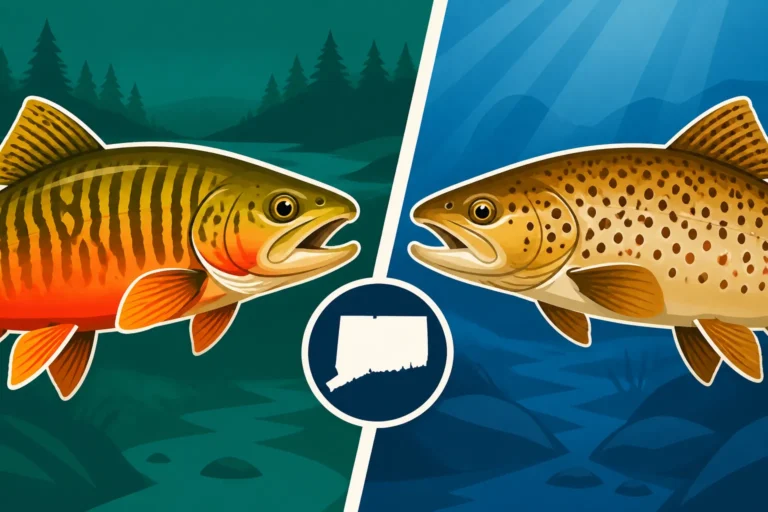
Tiger trout and brown trout identification details, including their unique hybrid origins, Connecticut waters, and distinct fish markings.
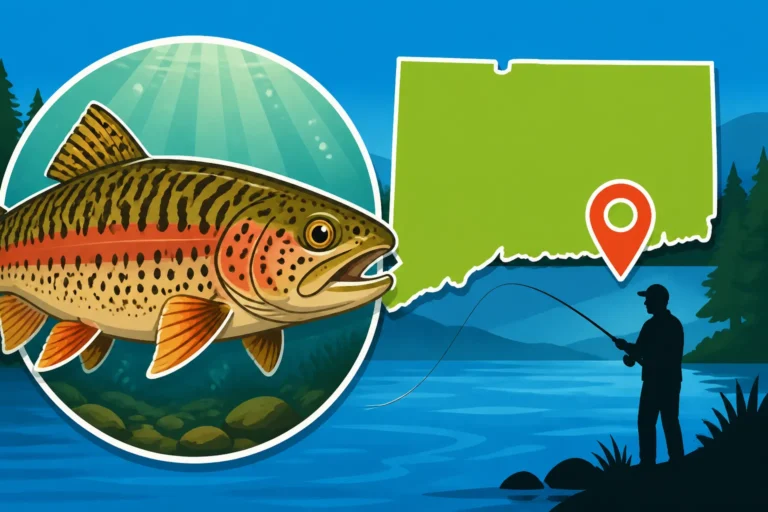
Tiger trout biology, sterile hybrid genetics, and their absence in Connecticut Department of Energy and Environmental Protection stocking programs.

Connecticut fish consumption advisories explain how mercury, PCBs, and PFAS contaminate certain lakes, rivers, and coastal waters.
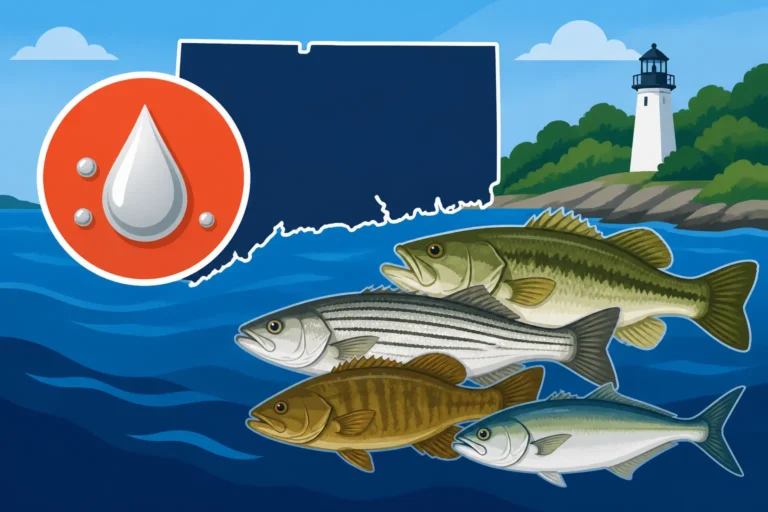
Connecticut fish consumption advisories explain mercury risks, identifying specific species and waterbody guidelines for safe eating choices.
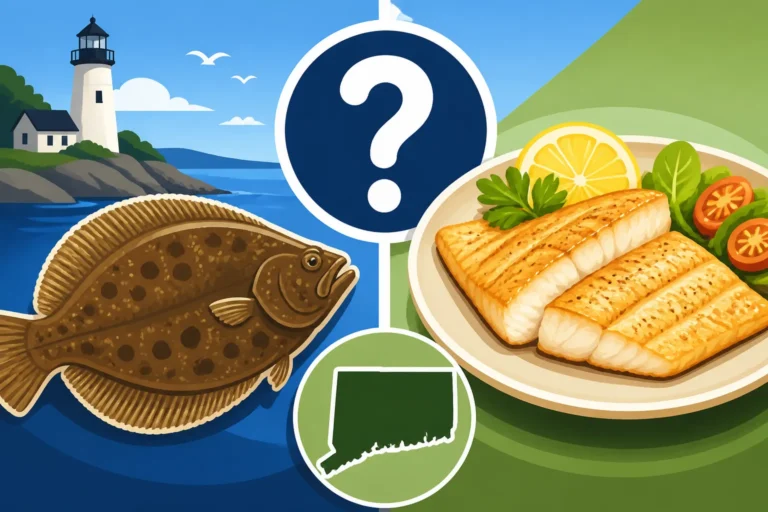
Connecticut fluke provides lean protein and B vitamins, featuring a mild sweet taste, tender flaky flesh, and low oil content.

Connecticut blackfish features firm, sweet white flesh and clean flavor, making it a versatile culinary choice for pan-frying or baking.
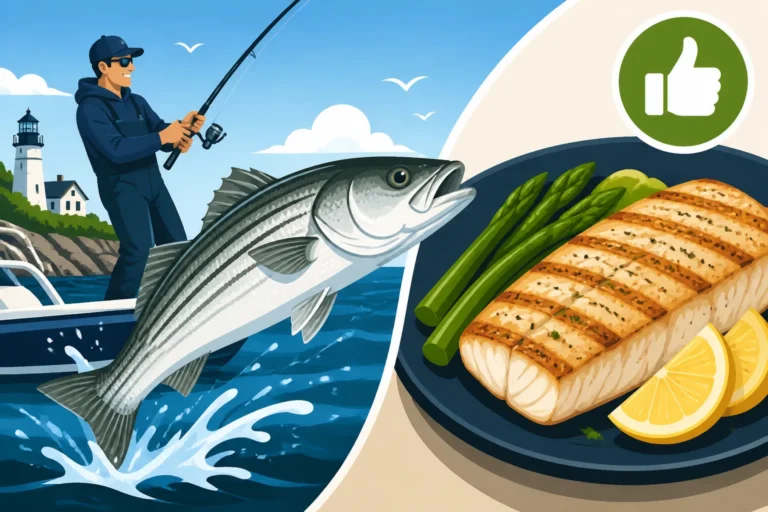
Striped bass flavor profile, firm flaky texture, and cooking methods explain whether wild-caught Connecticut fish is good to eat.
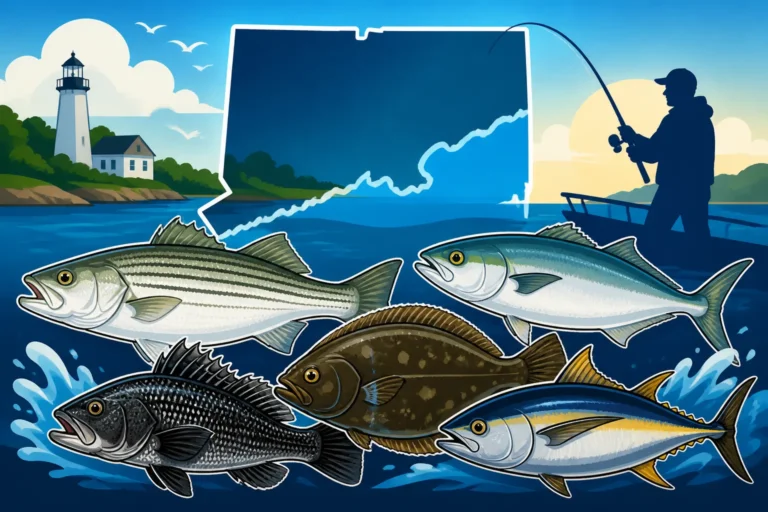
Panfish like bluegill, sunfish and yellow perch offer mild, sweet, flaky white flesh, alongside trout, bass and saltwater species, plus preparation tips.

Connecticut warm pond ecosystems support largemouth bass and other resilient fish species that thrive during summer heat.
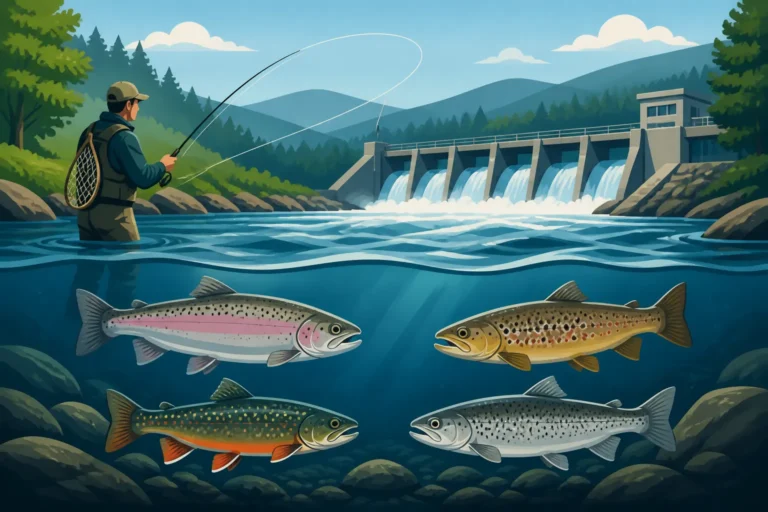
Connecticut cold tailwaters provide stable, oxygen-rich river habitats where trout and other fish species thrive year-round.