What fish species thrive in cold tailwaters
It's a common frustration among anglers, especially here in Connecticut, to find reliable fishing spots that offer consistent action and diverse species throughout the year, particularly when the weather gets a bit wild. Many of our natural rivers and streams can get too warm in summer or too cold and frozen in winter, making fishing tough. This guide is going to shed some light on a unique and highly productive environment: cold tailwaters. We'll explore what these special sections of rivers are, why certain fish absolutely thrive in them, and precisely which species you can expect to encounter when you cast your line.
Understanding Connecticut's Cold Tailwater Fisheries
Before we dive into the magnificent fish that call these places home, let's clarify what we mean by "cold tailwaters." It’s a term you'll hear often among serious anglers, especially those pursuing trout, but it’s not always immediately obvious what it implies. In Connecticut, these are some of our most productive and reliable fishing grounds, often offering fantastic opportunities even when other waters are struggling.
Defining Tailwaters in Connecticut
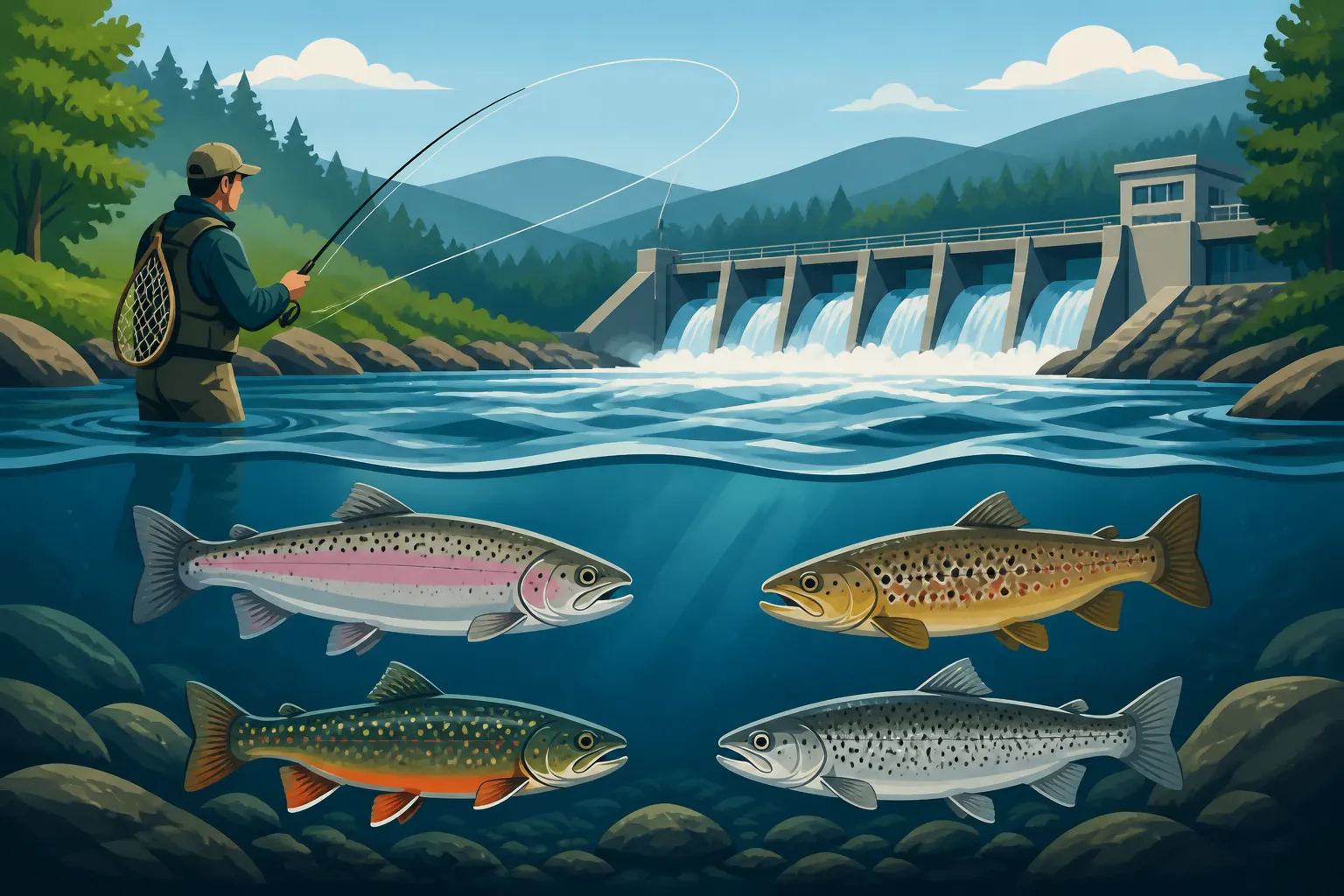
A tailwater refers to the section of a river or stream immediately downstream from a dam or large reservoir. The key characteristic of a cold tailwater is that the water released from the dam comes from the deeper, colder layers of the reservoir. Think about it: a deep lake has a thermocline, a layer where the water temperature changes rapidly. When water is drawn from below this thermocline, it remains consistently cold, even during the dog days of summer. This is a game-changer for fish that prefer cooler temperatures.
In Connecticut, prime examples of cold tailwaters include sections of the Farmington River below the Hogback Dam and the West Branch of the Farmington. Another significant system is the Housatonic River below the Falls Village Dam, offering unique conditions for various species. These aren't just any old river sections; they are unique ecosystems artificially created by human engineering, yet they provide stable, life-giving conditions that many native and stocked fish species absolutely thrive in. For an in-depth look at specific areas, check out Housatonic River Trout Management Area Fishing or Farmington River West Branch Trout Fishing.
Characteristics of a Cold Tailwater Ecosystem
The consistent cold temperature is just one piece of the puzzle. Cold tailwaters possess several other characteristics that make them ideal habitats.
Firstly, the water flow is often regulated. While this means the river might not always look "natural" in terms of fluctuating water levels, it does create a more predictable environment for the fish. This predictability can lead to stable insect populations, which are crucial food sources. Secondly, the water released from deep reservoirs is typically rich in oxygen, even through colder periods or warmer spells, which is vital for fish health and activity levels. Many rivers can suffer from oxygen depletion during hot summer months, but tailwaters often maintain excellent oxygenation.
Thirdly, the consistent flow often leads to a nutrient-rich environment. As water passes through the reservoir and is then released, it carries various organic materials and plankton, creating a constant food chain foundation. This, combined with the often rocky substrate of these riverbeds, provides perfect hiding spots and feeding lanes for fish. When you wade into these waters, you immediately feel the difference – the chill even on a hot day, and the steady, often strong, current telling you this is a healthy, vibrant ecosystem.
Key Fish Species Thriving in Connecticut's Cold Tailwaters
So, which finned friends really hit the jackpot in these perpetually cool, oxygen-rich environments? While many fish might pass through, certain species truly find their ideal homes in Connecticut’s cold tailwaters, growing large, strong, and offering some of the best fishing opportunities in the state.
Brown Trout: The Tailwater Champion
Without a doubt, the brown trout (Salmo trutta) is the undisputed king of Connecticut's cold tailwaters. These magnificent fish are incredibly resilient and adaptable, but they truly flourish in stable, cold-water conditions. Brown trout are known for their predatory nature and ability to grow to impressive sizes, often reaching trophy class in places like the Farmington River. The consistent cold water allows them to maintain high metabolic rates and feed aggressively throughout the year.
Unlike some species that might struggle in temperature fluctuations, brown trout in tailwaters can gorge on a steady diet of aquatic insects, crayfish, and smaller baitfish. Anglers pursuing browns in these environments often use a variety of techniques, from fly fishing with nymphs and streamers to spin fishing with minnow imitations or even live bait. You might find them lurking in the deeper pools, tucked behind boulders, or patrolling current seams, always on the lookout for an easy meal. For more on their behavior, delve into Brown Trout Habits in Connecticut Streams.
Rainbow Trout: Stocked and Sustaining
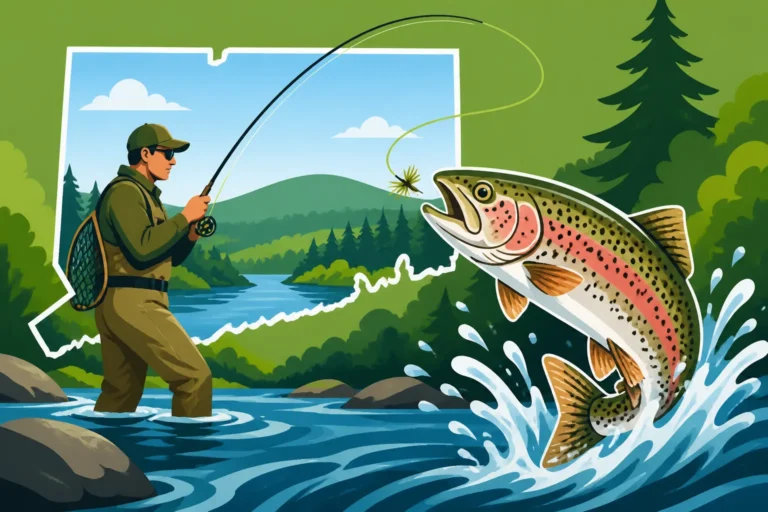
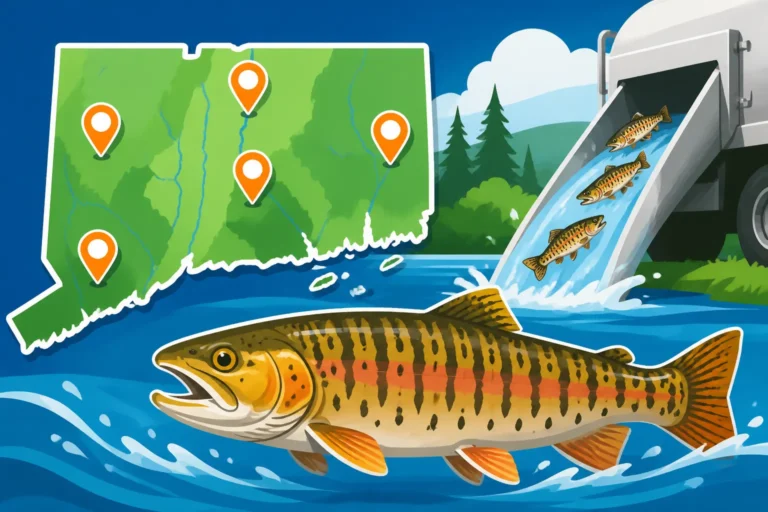
Rainbow trout (Oncorhynchus mykiss) are another incredibly popular species that thrive in Connecticut's cold tailwaters. While some wild rainbows exist, many of the fish you'll encounter are part of the state's robust stocking program. The steady cold water and abundant food sources in tailwaters mean that stocked rainbows don't just survive; they often "hold over" incredibly well, growing larger and adapting to a wilder existence than their pond-stocked cousins. These "holdover" rainbows develop impressive fighting prowess and can be quite challenging to catch.
They are often more active feeders than browns, sometimes willing to rise to dry flies on the surface or chase down a spinner with gusto. Their acrobatic jumps and strong runs make them a favorite among many anglers. The sheer volume of rainbows stocked, combined with the excellent conditions for survival, ensures that tailwaters remain a go-to destination for consistent rainbow trout action. Understanding Rainbow Trout Stocking in Connecticut can give you an edge in knowing when and where to find the freshest fish.
Brook Trout: Native and Hardy
While often associated with smaller, colder mountain streams, our native brook trout (Salvelinus fontinalis) can also be found in certain sections of cold tailwaters, especially where smaller, pristine tributaries feed into the main stem. These fish are a true gem, identified by their worm-like markings and vibrant orange fins. They require the coldest, cleanest water and tend to be less tolerant of warmer temperatures than browns or rainbows.
In tailwaters, brook trout often occupy the most sheltered, oxygen-rich pockets, particularly where there's overhead cover or dense vegetation. They might not grow as large as the other trout species in these environments, but their beauty and the challenge of coaxing a strike from a wild brook trout make them a prized catch. Protecting their delicate habitat is paramount, and understanding their preference for cold, clean water highlights the importance of tailwater ecosystems. Learn more about them in Brook Trout: Connecticut's Native Trout.
Other Less Common but Resilient Species
While trout are the stars of the show in cold tailwaters, you might occasionally encounter other species benefiting from the stable conditions. Smallmouth bass (Micropterus dolomieu) can sometimes be found in the slightly warmer, slower-moving sections downstream, especially where the tailwater gradually transitions back to a more natural river temperature. They appreciate the abundant forage base and strong currents that bring them food.
Similarly, various panfish species might inhabit the margins or calmer backwaters of these systems. However, their presence is usually secondary to the prolific trout populations, which are the primary draw for most anglers seeking the cold-water bounty of Connecticut's tailwaters.
Why These Species Love Cold Tailwaters
It's not just a preference; for many trout species, cold tailwaters offer not just ideal living conditions but often a sanctuary. Understanding why these environments are so crucial helps us appreciate their value and fish them more effectively.
Stable Water Temperatures Year-Round
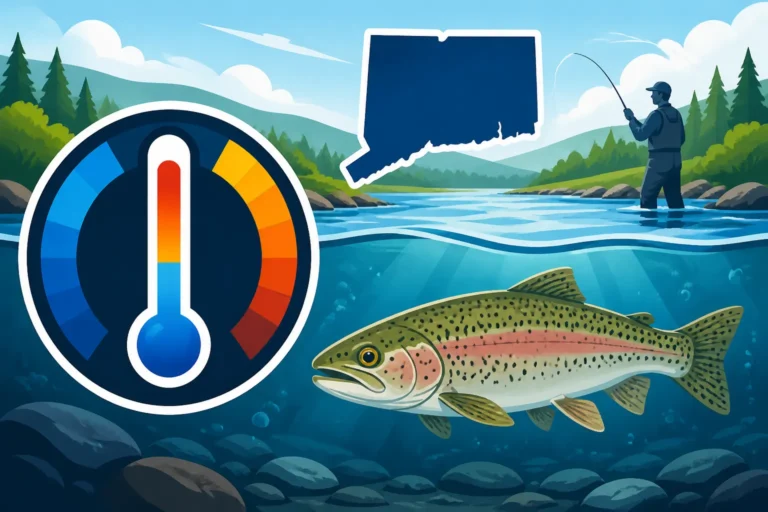
The most critical factor for cold-water species is, naturally, temperature stability. In a typical free-flowing river, water temperatures fluctuate wildly with the seasons. Summer heat can push temperatures above the survivable threshold for trout, leading to stress, disease, and even death. Winter can bring extreme cold, ice, and reduced feeding opportunities.
In contrast, the deep-release water from reservoirs keeps tailwaters at a remarkably consistent temperature range, often staying cool (in the 50s Fahrenheit) even during scorching summer heatwaves. This means trout can remain active, feed regularly, and grow efficiently without the energy drain of thermal stress. They don't have to seek out thermal refuges or hunker down for long periods. This stability is like a year-round air-conditioned paradise for them, allowing anglers to target active fish across multiple seasons. This is why you often hear about excellent winter fly fishing on rivers like the Farmington.
Abundant Food Sources
Cold tailwaters are often teeming with life, creating a consistent buffet for fish. The regulated flow and stable temperatures contribute to robust populations of aquatic insects like caddisflies, mayflies, and stoneflies, which are the cornerstone of a trout's diet. These insects often undergo predictable hatches, providing surface feeding opportunities for discerning trout. You can find specialized flies and lures designed to mimic these insects on platforms like Amazon, making it easier to match the hatch.
Beyond insects, the currents dislodge terrestrial insects, small baitfish, and even crayfish, all contributing to a diverse and rich food web. The steady flow ensures that this food is constantly delivered, making tailwaters highly productive feeding grounds. Trout don't have to work as hard to find their next meal, allowing them to conserve energy and grow faster.
High Oxygen Levels
Fish, like all animals, need oxygen to survive. Cold water holds more dissolved oxygen than warm water, and the consistent, often turbulent flow through a tailwater further oxygenates the water. This combination creates an environment with consistently high oxygen levels, which is crucial for active, healthy fish.
During summer, when many rivers experience oxygen depletion due to warmer temperatures and increased biological activity, tailwaters remain well-oxygenated. This allows fish to maintain higher metabolic rates, grow faster, and be more resistant to disease. For anglers, this means encountering more active fish, even on days when other fisheries might be sluggish due to low oxygen. This environmental resilience is a major reason why tailwaters are so prized.
Tips for Fishing Connecticut's Cold Tailwaters
Now that you know what fish to expect and why they love these spots, let's talk about how you can best approach fishing Connecticut's cold tailwaters. These unique environments often require specific strategies and gear to maximize your success.
Gear Considerations for Cold Water
When heading to a cold tailwater, especially in Connecticut, your gear choices are paramount. For trout fishing, fly fishing is incredibly popular and effective. A 5 or 6-weight fly rod with a matching reel and a floating line is a versatile setup. You'll want to carry a variety of flies, including nymphs, streamers, and dry flies, to match whatever the fish are feeding on. A good selection of fly patterns can be easily sourced from Amazon before your trip.
Spin fishermen will find success with light to ultra-light spinning rods paired with small reels spooled with 4-6 lb test monofilament or fluorocarbon line. Small spinners, spoons, stickbaits, and soft plastics rigged on jig heads are often effective. Regardless of your preferred method, waders are almost a necessity. The water is cold, often deep, and being able to safely navigate the riverbed is key. Neoprene or breathable chest waders, coupled with studded wading boots, will keep you comfortable and secure. Don't forget layers of clothing, even on warm days, as the air temperature near the water can be surprisingly cool. A quality waterproof jacket from Amazon is always a good investment for unpredictable weather.
| Gear Type | Fly Fishing Recommendation | Spin Fishing Recommendation | Essential for Both |
|---|---|---|---|
| Rod & Reel | 5-6 weight fly rod, matching reel | Ultra-light/Light spinning rod, small reel | N/A |
| Line | Floating fly line, various leaders | 4-6 lb mono/fluorocarbon | N/A |
| Lures/Flies | Nymphs, streamers, dry flies | Spinners, spoons, stickbaits, jigs | Tackle box/fly box, various sizes/colors |
| Waders & Footwear | Chest waders (neoprene/breathable), studded boots | Chest waders (neoprene/breathable), studded boots | Yes, for comfort and safety |
| Clothing | Layered, waterproof outer shell | Layered, waterproof outer shell | Warm hat, gloves (especially in colder months) |
| Accessories | Net, forceps, tippet, nippers | Pliers, line clippers | Sunscreen, polarized sunglasses, water |
Understanding the Flow and Structure
Tailwaters often have distinct features created by the regulated flow. Understanding these can help you pinpoint where fish are holding. Look for current seams, which are the lines where fast water meets slow water. Fish often sit in the slower water, waiting for food to be swept by in the faster current. Deeper pools, especially those with submerged boulders or log jams, are prime holding areas for larger trout.
Riffles, those shallower, turbulent sections, are oxygen-rich feeding zones where insects are often dislodged. Don't overlook the undercut banks, which provide excellent cover and ambush points for predatory browns. Reading the water and identifying these structures will dramatically increase your chances of success. It's not just about casting anywhere; it's about casting smart. Many anglers find success by learning to drift nymphs or streamers naturally through these high-probability zones. Learning How to fish a run and pool trout stream can be very beneficial here.
Seasonality and Best Practices
One of the greatest advantages of cold tailwaters in Connecticut is their year-round fishability. While spring and fall are often considered prime times for trout everywhere, tailwaters offer consistent action even through summer and winter. In summer, when natural rivers can get too warm, tailwaters remain cool and productive, offering a vital refuge for trout. In winter, while other waters freeze over, the flowing water in tailwaters often remains ice-free, providing unique cold-weather fishing opportunities.
Always be mindful of Connecticut Trout Management Area Regulations and specific rules for catch and release or special harvest limits. Many tailwater sections have specific regulations designed to protect their precious fish populations. Practicing responsible catch and release, using barbless hooks, and minimizing handling time, especially with larger fish, helps ensure these incredible fisheries remain healthy for future generations. Carrying a good quality landing net will also help you handle fish gently before release. If you're passionate about preserving these incredible fisheries, understanding how to handle fish for catch and release is key. For more on general rules, consult the Connecticut Fishing Regulations Explained.
Disclaimer
This article is for general informational purposes only and does not constitute professional advice. Laws, prices and regulations vary by location and change over time. Consult a qualified professional for guidance on your specific situation.