Mercury advisory fish species in Connecticut waters
There's nothing quite like the satisfaction of reeling in a beautiful fish from one of Connecticut's stunning rivers or the sparkling Long Island Sound. You've worked hard, enjoyed the peace of the water, and now you're dreaming of a delicious meal. But then a little worry creeps in: Is this fish safe to eat? What about mercury? It’s a very real and valid concern for many anglers, and it can take some of the joy out of an otherwise perfect day on the water. This comprehensive guide is here to shed light on mercury advisories in Connecticut waters, helping you understand the risks, identify species of concern, and make informed, confident choices about enjoying your catch.
Understanding Mercury in Fish: What It Is and Why It Matters
Mercury is a naturally occurring element, but human activities like industrial processes and burning fossil fuels have significantly increased its presence in our environment. When it gets into aquatic ecosystems, it undergoes a transformation that makes it problematic for fish and, consequently, for us.
What is Methylmercury and How Does It Get Into Fish?
The mercury we worry about in fish isn't elemental mercury, but rather its organic form: methylmercury. This potent neurotoxin forms when bacteria in water and sediments convert inorganic mercury into methylmercury. Once formed, methylmercury is readily absorbed by microscopic organisms like plankton.
Think of it like a tiny, invisible ripple effect. Small fish eat the plankton, accumulating methylmercury in their tissues. Then, larger fish eat the smaller fish, and the methylmercury compounds up the food chain. This process is called bioaccumulation (the buildup of a substance in an organism over time) and biomagnification (the increasing concentration of a substance in the tissues of organisms at successively higher levels in a food chain). Each step up the ladder, the concentration of methylmercury intensifies. This is why top predators, those fish at the very peak of the aquatic food chain, often have the highest levels of mercury.
Why Certain Fish Are More Prone to Higher Mercury Levels
It's not arbitrary which fish carry more mercury; it’s a direct result of their biology and their place in the ecosystem. Several factors contribute to a fish's mercury content:
- Species: As mentioned, predatory fish that eat other fish tend to have higher levels. Think of species like large bass, pike, or sharks.
- Age and Size: Generally, older and larger fish of the same species have had more time to accumulate mercury from their diet and environment, so they often contain higher concentrations than their younger, smaller counterparts.
- Diet: Fish with diets rich in other fish will have higher levels than those that primarily consume insects or plant matter.
- Waterbody Characteristics: The specific waterbody a fish lives in can also play a role. Some lakes or rivers may have higher background levels of mercury due to local geology or historical pollution, leading to higher mercury concentrations in the fish that reside there. This is why Special Regulation Waters in Connecticut can sometimes include consumption advisories.
Connecticut's Fish Consumption Advisories: What You Need to Know
Understanding that mercury is present in fish is one thing, but knowing how to navigate the official advisories can sometimes feel like trying to untangle a stubborn fishing knot. Thankfully, the guidance is designed to help you make healthy choices without giving up fishing or eating your catch entirely.
Statewide vs. Specific Waterbody Advisories
Connecticut provides advisories from the Department of Public Health (DPH), often in conjunction with the Department of Energy and Environmental Protection (DEEP). It's crucial to understand that these come in two main flavors:
- Statewide Advisories: These are general recommendations that apply to certain species across most of the state's waters, based on typical mercury levels found in those types of fish. For instance, top predatory freshwater fish or certain larger saltwater species often fall under these broader guidelines.
- Specific Waterbody Advisories: In some cases, particular lakes, ponds, or stretches of rivers have elevated mercury or other contaminants due to localized issues. For these specific locations, there will be more stringent, localized advisories that override the general statewide advice. Always check the most up-to-date information for the specific body of water you're fishing. When you're looking up Connecticut Fishing Regulations Explained, it's a good idea to also seek out these advisories.
These advisories don't usually say "don't eat this fish ever." Instead, they offer recommendations on how much of a certain type of fish, from a specific location, different populations should safely consume over a given period (e.g., "one meal per week" or "one meal per month").
Who is Most Vulnerable to Mercury Exposure?
While methylmercury can affect anyone, certain groups are far more vulnerable to its adverse health effects. This is why advisories often have different recommendations for these sensitive populations:
- Pregnant Women: Methylmercury can cross the placenta and affect the developing fetus. Exposure during pregnancy can impair a child's neurological development, impacting cognitive skills, memory, attention, and fine motor skills.
- Nursing Mothers: Methylmercury can pass into breast milk, potentially exposing infants.
- Young Children: Their developing nervous systems are particularly sensitive to methylmercury's effects, and their body weight is lower, meaning a smaller amount of mercury has a greater impact.
- Women of Childbearing Age (especially those planning pregnancy): Mercury can remain in the body for a significant period. Reducing exposure before conception helps ensure lower levels when pregnancy occurs.
For these groups, the recommendations for consumption are much stricter, often advising significantly fewer or smaller meals of certain fish species, or even complete avoidance of those known to be higher in mercury. The potential for serious, irreversible harm to a developing brain is why this caution is so paramount.
General Guidelines for Healthy Anglers
For the general adult population, the advisories are less restrictive but still important to heed. The core idea is about moderation and variety. If a fish species or waterbody has a "one meal per week" recommendation, it means that, for a typical healthy adult, consuming that amount on a weekly basis is considered safe over the long term. A "meal" is generally defined as about 6 ounces of cooked fish for adults.
It's all about minimizing chronic exposure. If you eat a lot of fish, especially large, predatory species, those mercury levels can build up in your system. By following the advisories, even if you don't fall into a vulnerable group, you're practicing good health habits and ensuring that the delicious fish you catch remains a healthy part of your diet.
Specific Fish Species Under Connecticut Mercury Advisories
Knowing which fish commonly fall under these advisories can help you decide what to keep and what to release, or at least how often to enjoy certain species at the dinner table. It’s not just about one or two fish; it’s a whole ecosystem at play.
Freshwater Species of Concern
In Connecticut's lakes, ponds, and rivers, some of our most sought-after freshwater game fish are also the ones that tend to accumulate more mercury due to their position as top predators.
- Northern Pike: These toothy predators are at the very top of many freshwater food chains. Because they grow large and eat a lot of other fish, Northern Pike Waters in Connecticut often come with advisories, especially for larger specimens. Their long lifespan means more time to accumulate mercury.
- Largemouth Bass & Smallmouth Bass: Both of these popular species, especially larger, older individuals, can have elevated mercury levels. They are active predators, consuming smaller fish, frogs, and crayfish, contributing to mercury bioaccumulation. If you're targeting Largemouth Bass Fishing in Connecticut or Smallmouth Bass Fishing in Connecticut, consider releasing the trophy-sized fish and keeping smaller, younger ones for the table.
- Chain Pickerel: Similar to pike, pickerel are efficient ambush predators found in many of Connecticut's slower-moving waters and ponds. While generally smaller than pike, larger pickerel can still carry significant mercury loads.
- Walleye: Though less common than bass, walleye in certain Connecticut lakes can also be subject to advisories due to their predatory nature.
- Catfish (Larger Specimens): Bottom-dwelling omnivores like catfish can also accumulate mercury, particularly the larger, older individuals who have had more time exposed to sediment-bound mercury and a varied diet.
For these species, especially from water bodies with specific advisories, following the guidelines on meal frequency is especially important for vulnerable populations.
Saltwater Species of Concern in Long Island Sound
Long Island Sound offers a bounty of saltwater species, and while many are generally safe, some of the larger, longer-lived predators warrant attention due to mercury levels.
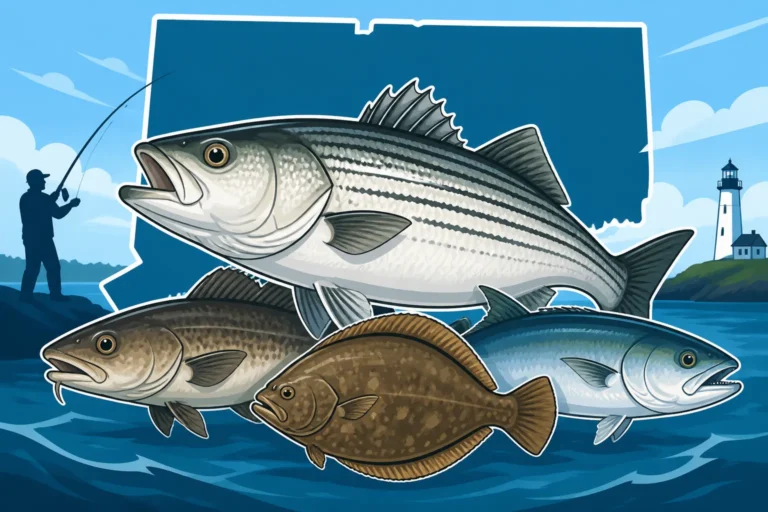
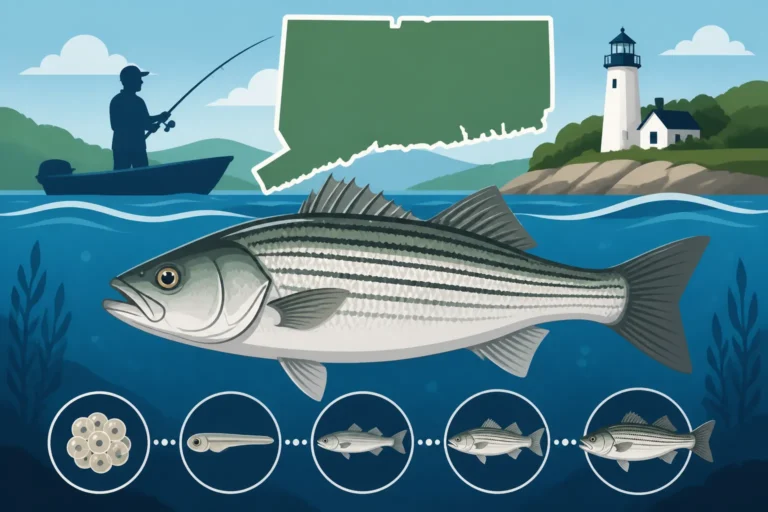
- Striped Bass: The king of Long Island Sound, striped bass are highly migratory and formidable predators. Larger, older stripers, particularly those caught further offshore or in deeper waters, are known to have higher mercury concentrations. This is why catch and release is so popular, especially for trophy fish. If you're planning a trip for Striped Bass Fishing in Long Island Sound, remember to check current advisories. The Connecticut Striped Bass Slot Limit and Season also encourages releasing larger fish, which aligns with mercury advisories.
- Bluefish: While not as consistently high in mercury as the largest stripers, bigger bluefish, especially the choppers that roam the Sound, are also predatory and can accumulate mercury. Like stripers, their diet consists primarily of other fish, which pushes them higher on the mercury ladder. Learn more about Bluefish in Long Island Sound.
- Swordfish, Shark, Tilefish (from offshore): While not typically caught directly in Connecticut's immediate coastal waters by recreational anglers, these species are often listed in general nationwide mercury advisories because they are extreme apex predators in the ocean. If you ever purchase these from a market, be aware of their higher mercury content.
- Tuna (certain types): Larger, long-lived tuna species like bigeye and yellowfin (often caught offshore) are higher in mercury than smaller skipjack or canned light tuna.
When you're out fishing for Connecticut Fluke and Summer Flounder Regulations, these bottom dwellers tend to have lower mercury levels than the pelagic predators.
Fish Species Generally Lower in Mercury
It's not all doom and gloom! Many delicious and popular fish species are generally lower in mercury, making them excellent choices for more frequent consumption, even for sensitive groups.
- Trout: Stocked trout, like rainbow trout and brown trout, are generally considered very low in mercury, making them a fantastic and safe option for anglers and families. They typically have shorter lifespans and are not top-tier predators that consume large quantities of other fish. This is great news for anyone enjoying Trout Fishing in Connecticut or following Connecticut Trout Season and Stocking Rules.
- Panfish (Bluegill, Perch, Crappie): These smaller, prolific fish are typically low in mercury. They feed primarily on insects, small crustaceans, and plant matter rather than other fish. They are excellent for new anglers or for anyone looking for a safe, tasty meal.
- Fluke (Summer Flounder): These delicious flatfish, commonly caught in Long Island Sound, are generally lower in mercury. They are predatory but typically consume smaller baitfish, squid, and crustaceans, and they don't reach the immense sizes or lifespans of large pelagic predators.
- Scup (Porgy): Another popular saltwater species, scup are usually low in mercury and are a great option for the dinner table.
- Mackerel (smaller varieties): Smaller mackerel (not king mackerel) are good choices, often having lower mercury levels.
Choosing a variety of fish, with an emphasis on these lower-mercury options, is a smart strategy for anyone who loves to fish and eat their catch.
Here's a simplified table illustrating general mercury advisory categories for some common Connecticut fish. Always consult official Connecticut DPH and DEEP resources for the most current and specific advisories for your target waterbody and species.
| Fish Species | Typical Habitat | General Mercury Advisory Risk (for typical consumption) | Notes |
|---|---|---|---|
| Freshwater Species | |||
| Northern Pike | Lakes, rivers | Higher (especially larger fish) | Top predator, long-lived; limits often recommended. |
| Largemouth Bass | Lakes, ponds | Moderate to Higher (especially larger fish) | Predatory; limits often recommended for vulnerable groups. |
| Smallmouth Bass | Rivers, lakes | Moderate to Higher (especially larger fish) | Predatory; limits often recommended for vulnerable groups. |
| Chain Pickerel | Lakes, ponds | Moderate to Higher (especially larger fish) | Predatory; similar considerations to bass and pike. |
| Walleye | Lakes | Moderate to Higher | Predatory fish; advisories may exist for specific lakes. |
| Catfish (larger) | Lakes, rivers | Moderate | Bottom feeder, larger/older fish accumulate more. |
| Brook Trout | Streams, ponds | Lower | Native, shorter lifespan, feeds on insects; excellent choice. |
| Brown Trout | Streams, lakes | Lower | Stocked, feeds on insects/small baitfish; generally safe for frequent consumption. |
| Rainbow Trout | Streams, lakes | Lower | Stocked, feeds on insects/small baitfish; generally safe for frequent consumption. |
| Perch (Yellow & White) | Lakes, rivers, Sound | Lower | Smaller panfish, typically insect/crustacean eaters; very safe. |
| Bluegill / Sunfish | Lakes, ponds | Lower | Smaller panfish, insect/plant eaters; very safe. |
| Crappie | Lakes, ponds | Lower | Panfish, eats insects/small baitfish; very safe. |
| Saltwater Species | |||
| Striped Bass | Long Island Sound | Moderate to Higher (especially larger fish) | Large predator, often advised for limited consumption, especially for vulnerable groups. Circle hook requirements help preserve fish. |
| Bluefish | Long Island Sound | Moderate | Predatory; larger individuals may have higher levels. |
| Fluke (Summer Flounder) | Long Island Sound | Lower | Feeds on smaller baitfish/crustaceans; generally safe. |
| Scup (Porgy) | Long Island Sound | Lower | Feeds on crustaceans/mollusks; generally safe. |
| Winter Flounder | Long Island Sound | Lower | Bottom feeder; generally safe. |
Note: This table provides general guidance. Specific advisories can vary by the size of the fish, the specific waterbody, and the vulnerability of the consumer group. Always refer to official DPH/DEEP advisories.
Making Informed Choices and Reducing Mercury Exposure
Navigating fish consumption advisories doesn't have to be complicated. With a few smart strategies, you can confidently enjoy the bounty of Connecticut's waters while keeping health in mind.
How to Interpret and Use the Advisory Information
The most important step is to actively seek out the official advisories. The Connecticut Department of Public Health (DPH) and the Department of Energy and Environmental Protection (DEEP) maintain current fish consumption advisories on their websites. These resources are your best friends in staying informed.
- Check Before You Go: Make it a habit to quickly look up the advisories for the specific lake, river, or section of Long Island Sound you plan to fish. You might be surprised to find unique recommendations for certain spots.
- Understand the "Meal" Definition: Advisories often refer to "meals per week" or "meals per month." A "meal" for an adult is typically a 6-ounce serving of cooked fish. For children, it's usually smaller, around 1-3 ounces, depending on age.
- Know Your Audience: Always remember the specific guidelines for vulnerable populations: pregnant women, nursing mothers, young children, and women planning to conceive. If you're fishing for a family meal, lean towards fish species and locations with the fewest restrictions.
- Don't Guess: If you're unsure about a specific fish or waterbody, err on the side of caution. It's better to release a fish or choose another meal option than to risk health.
Being proactive with this information is key. It's like checking the Connecticut Fishing Season Dates and Closures – you wouldn't go out without knowing the season, so why not apply the same diligence to consumption advisories?
Cooking and Preparation Myths vs. Facts
When it comes to mercury in fish, there's a common misconception that you can cook or clean it away. Unfortunately, that's just not the case.
- Myth: You can reduce mercury levels by cleaning, skinning, or cooking the fish.
- Fact: Methylmercury is bound to the protein in the fish's muscle tissue, not in the fat or skin, and it is not destroyed by cooking. Therefore, filleting, skinning, trimming fat, or cooking methods like frying, baking, or grilling will not reduce the mercury content of the fish.
So, while properly cleaning and cooking your catch is essential for taste and safety from other contaminants, it won't impact the mercury levels. The only way to manage mercury intake is by selecting fish species that are generally lower in mercury or by limiting your consumption of those known to have higher levels.
Balancing the Benefits of Fish Consumption with Mercury Concerns
Fish offers incredible nutritional benefits. It's packed with lean protein, omega-3 fatty acids that are vital for heart and brain health, and essential vitamins and minerals. The goal isn't to scare you away from eating fish, but to empower you to enjoy it safely and wisely.
- Variety is Key: Don't put all your eggs (or fish) in one basket. Instead of eating large striped bass every week, mix it up with some freshly caught Trout Fishing in Connecticut, panfish, or fluke. This approach helps reduce your exposure to mercury from any single source.
- Focus on Smaller, Younger Fish: Even within species that might have advisories, smaller and younger individuals almost always have lower mercury levels. Consider keeping the "plate-sized" bass or pickerel and practicing catch-and-release for the big, old trophies.
- Stay Informed: The advisories are updated periodically as new data becomes available. Keep an eye on official state resources for the latest information.
Fishing is more than just catching fish; it's about connecting with nature, enjoying the outdoors, and creating memories. By being smart about mercury advisories, you can ensure that enjoying your catch at the dinner table remains a healthy and happy part of that experience.
Disclaimer
This article is for general informational purposes only and does not constitute professional advice. Laws, prices and regulations vary by location and change over time. Consult a qualified professional for guidance on your specific situation.