What fish species thrive in warm pond water
For many anglers in Connecticut, the thought of fishing in the scorching summer heat can be a bit daunting. You might worry that the fish have all gone deep, shut down, or simply aren't biting in those toasty pond waters. But don't let warm temperatures keep you from enjoying a fantastic day out! This guide is all about shining a light on the incredible fish species that not only tolerate but actually thrive in Connecticut's warm pond environments, and how you can successfully target them.
Understanding Warm Pond Water Environments in Connecticut
When we talk about "warm pond water" in Connecticut, we're really honing in on a specific type of aquatic ecosystem. These are often shallower, less shaded bodies of water that naturally heat up quite a bit during the summer months. While some cold-water species, like certain trout, might struggle or retreat in these conditions, other species are built to flourish.
What Makes a Pond "Warm"?
Several factors contribute to a pond becoming what we consider "warm." First and foremost, water temperature is directly influenced by air temperature and sunlight exposure. Shallow ponds, by their very nature, have less thermal mass, meaning they absorb and release heat much more quickly than deep lakes or fast-flowing rivers. Lack of significant tree cover along the banks can also lead to more direct sunlight hitting the water throughout the day.
Another critical factor in warm ponds is oxygen levels. As water temperature increases, its ability to hold dissolved oxygen decreases. This can stress fish that require high oxygen concentrations. However, the species that thrive in these environments are often more tolerant of lower oxygen levels, or they've adapted behaviors like feeding in shallower, oxygenated areas early and late in the day. Pond structure, including weed beds, submerged timber, and varying depths, also plays a crucial role in providing thermal refuge and ambush points for these warm-water specialists.
Challenges of Warm Water Fishing
Fishing in warm pond water certainly presents its own set of challenges, and it's completely normal to feel a bit frustrated if you're not seeing the same action you might in cooler conditions. One of the biggest hurdles is often fish metabolism. Warm water can make fish more active, requiring more food, but it can also make them more lethargic during the hottest parts of the day if oxygen levels drop too low. This means their feeding windows might shift to dawn, dusk, or even nighttime.
Another challenge is finding the fish. While they might be spread out in cooler water, warm water often concentrates fish in specific areas where conditions are more favorable. This could be in deeper pockets, under dense cover, near cooler inlets, or where there's a good oxygen exchange. Plus, dense aquatic vegetation, which often flourishes in warm ponds, can make casting and retrieving a real chore. Understanding these challenges is the first step to overcoming them and having a productive day on the water.
Top Fish Species That Thrive in Connecticut's Warm Ponds
When you're exploring the many beautiful ponds and smaller lakes across Connecticut, especially during the warmer parts of the year, there's a fantastic array of fish species that are just waiting to bite. These fish are perfectly adapted to the higher temperatures and often abundant vegetation found in these waters, making for some truly exciting fishing opportunities.
The Mighty Largemouth Bass
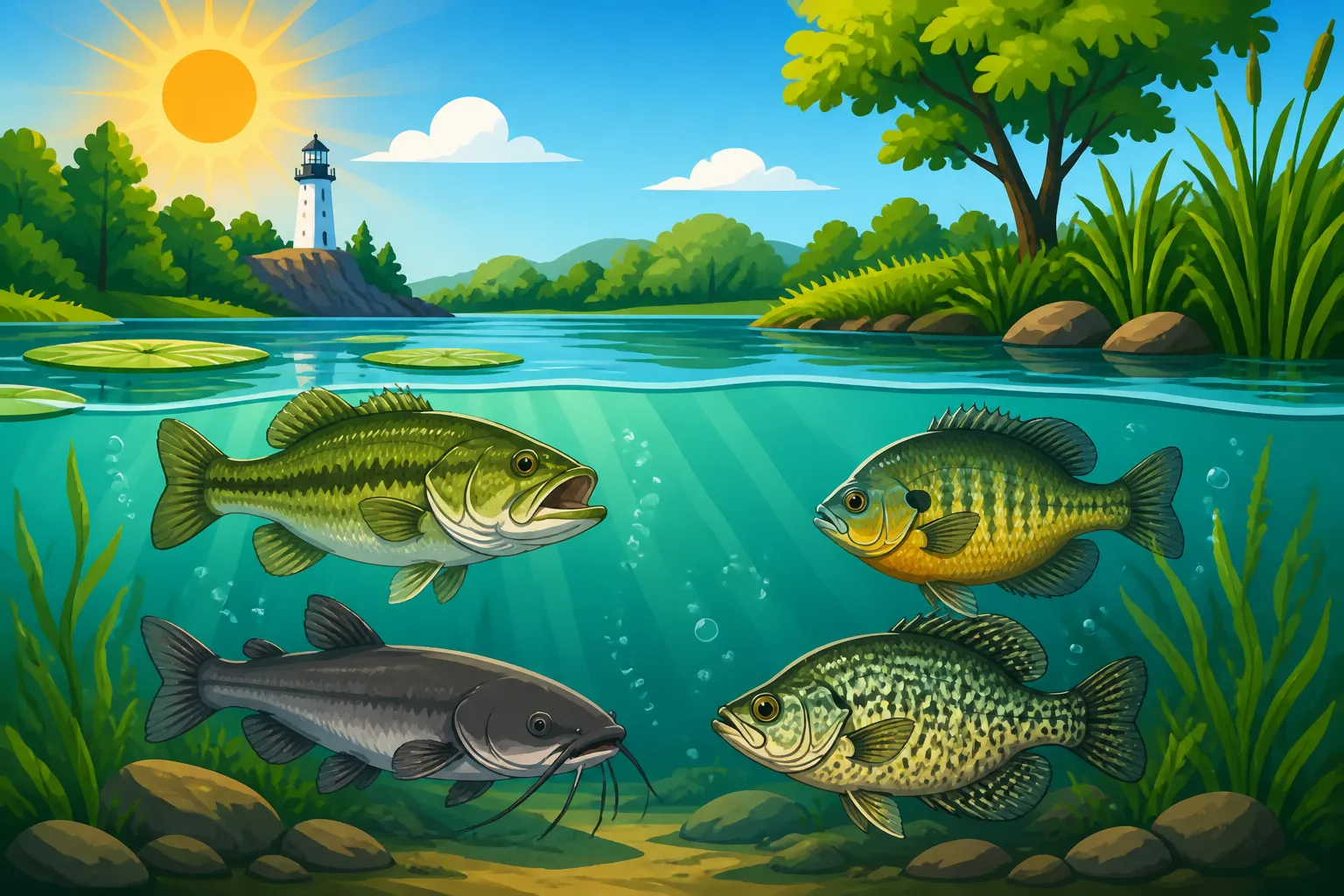
Ah, the largemouth bass – the king of warm water. If there's one species that truly thrives in Connecticut's warm ponds, it's this feisty fighter. Largemouth bass absolutely love warm, shallow water, especially when it's packed with cover. Think lily pads, dense weed beds, submerged brush, fallen trees, and even old dock pilings. These areas provide perfect ambush points for them to surprise their prey. Their dark coloration helps them blend into these environments, and their broad, bucket-like mouth is perfectly designed for inhaling frogs, baitfish, and even small rodents or birds that happen to fall into the water.
In warm ponds, largemouth bass are highly active predators. They'll often cruise the edges of weed lines or patrol open water sections during prime feeding times. As the water heats up through the summer, you'll find them holding tight to thick cover, seeking shade and slightly cooler temperatures while still being ready to strike at an unsuspecting meal. Targeting them often involves punching through vegetation with heavy jigs, slithering weedless worms through sparse weeds, or generating explosive topwater strikes at dawn and dusk. For more specific tactics, check out How to Catch Largemouth Bass in Connecticut. Connecticut boasts some truly impressive largemouth fishing in its ponds, making them a perennial favorite for bass anglers.
Prolific Panfish: Crappie, Bluegill, and Perch
When it comes to sheer numbers and consistent action in warm ponds, you simply can't beat panfish. This group includes a variety of species like black crappie, white crappie, bluegill, pumpkinseed, and yellow perch, all of which thrive in warmer, often weedy pond environments. They might not offer the same trophy potential as a largemouth bass, but they provide endless fun, especially for families and beginner anglers, and they make for some excellent table fare.
- Bluegill and Pumpkinseed: These sunfish cousins are incredibly abundant in nearly every warm pond in Connecticut. They love to congregate around docks, fallen trees, and weed lines. They're not picky eaters and will readily strike small worms, crickets, or tiny jigs. Their prolific breeding cycles ensure healthy populations, even under intense fishing pressure. You can often find them in huge schools, making for fast and furious action.
- Black Crappie and White Crappie: Crappie are another warm-water superstar, though they often prefer slightly deeper water than bluegill, especially during the heat of the day. They'll hang out around submerged brush piles, standing timber, and deeper weed edges. Crappie are schooling fish, so when you find one, you're likely to find many more. They are particularly responsive to small jigs, minnows, and spinnerbaits. If you're looking for Best Crappie Lakes in Connecticut, many of these are indeed warm pond environments.
- Yellow Perch: Easily identifiable by their distinctive vertical stripes, yellow perch are another schooling species that flourish in warm ponds. While they tolerate cooler water, they do exceptionally well in the warmer, nutrient-rich environments. They feed on insects, small crustaceans, and baitfish. Like crappie, they're often found in schools and can be caught on small minnows, worms, or various lures.
All these panfish species play a vital role in the pond ecosystem and offer a fantastic opportunity for anglers to enjoy continuous bites throughout the warmer months. You can often find a wide selection of suitable lures and baits for these species on platforms like Amazon.
The Aggressive Chain Pickerel
Don't let their toothy grins scare you off – chain pickerel are fantastic sportfish that truly embrace the warm, weedy habitats of Connecticut's ponds. These torpedo-shaped predators are perfectly camouflaged to hide among aquatic vegetation, waiting to ambush any unsuspecting baitfish, frog, or even smaller panfish that swims by. They have an insatiable appetite and are incredibly aggressive, often striking lures with startling force.
Chain pickerel thrive in ponds with ample weed beds because it provides both cover for hunting and protection. They are surprisingly tolerant of fluctuating water temperatures and lower oxygen levels compared to some other game fish. While they might be less active during the absolute peak of the midday heat, they remain highly catchable in the mornings and evenings. Fishing for pickerel in warm ponds means casting spoons, inline spinners, or jerkbaits over and through the weeds. Just be sure to bring a pair of pliers for hook removal, as those teeth are no joke! For some of the best spots to find these toothy critters, check out Best Pickerel Ponds in Connecticut.
Other Warm Water Contenders
While largemouth bass, panfish, and pickerel are the mainstays of warm pond fishing, other species can also make an appearance and provide exciting action.
- Bullhead Catfish: These bottom-dwelling fish are incredibly resilient and thrive in warm, often murky pond waters. They are nocturnal feeders but can be caught throughout the day on baits like worms, dough balls, or cut bait fished on the bottom. They're tenacious fighters and provide excellent table fare.
- Common Carp: Known for their size and strength, common carp are another species perfectly at home in warm pond environments. They are often found rooting around in the soft bottom for insects and vegetation. While not traditionally targeted by many anglers, they offer an incredible fight and can be caught on corn, bread, or specialized carp baits.
- Eels: American eels are fascinating creatures that inhabit many of Connecticut's freshwater ponds and rivers, often finding their way into isolated ponds during their migratory journeys. They prefer warmer water and are largely nocturnal predators, feeding on baitfish, insects, and crustaceans. They can be caught on chunks of bait or worms, often after dark.
These diverse species add even more variety to the warm pond fishing experience, ensuring there's almost always something biting, no matter the time of year.
Gear and Tactics for Success in Warm Ponds
Fishing in warm pond water often requires a slight adjustment to your typical gear and tactics. The fish are there, but understanding their behavior in these specific conditions will drastically improve your success. It's about being prepared and knowing how to adapt.
Essential Gear for Warm Pond Angling
Having the right equipment can make all the difference when you're targeting warm-water species in Connecticut's ponds. You don't necessarily need anything exotic, but durability and versatility are key.
- Rods and Reels: For largemouth bass and pickerel, a medium to medium-heavy spinning or baitcasting rod, around 6'6" to 7' long, is ideal. This gives you enough backbone to fight larger fish and to pull them out of thick cover. Pair this with a reliable reel spooled with 10-20 lb monofilament or braided line. Braided line is particularly effective for fishing in weeds, as it cuts through vegetation easily and offers superior sensitivity. For panfish, lighter tackle – an ultralight spinning rod with 4-6 lb test line – will provide maximum sport. You can find a vast selection of these rod and reel combos on Amazon, offering options for every budget and skill level.
- Lures and Baits: This is where things get fun!
- Largemouth Bass: Think weedless options! Soft plastic worms, creature baits, and jigs with weed guards are essential. Topwater lures like hollow-body frogs and poppers are incredible for early morning and late evening strikes over lily pads. Spinnerbaits and chatterbaits are great for working edges of weed beds.
- Panfish: Small jigs (1/32 to 1/16 oz) tipped with a tiny piece of worm, minnow, or a soft plastic grub are highly effective. Live bait like mealworms, wax worms, crickets, and small minnows are always a hit. Small inline spinners also work wonders.
- Chain Pickerel: Spoons (especially red and white), inline spinners, jerkbaits, and even large shiners or minnows on a bait rig are fantastic for pickerel. Always use a steel leader to prevent bite-offs from their sharp teeth.
- Accessories: A good pair of pliers or a hook remover is crucial for safe hook extraction, especially with toothy pickerel. A wide-brimmed hat, polarized sunglasses (to spot fish and structure), sunscreen, and plenty of water are non-negotiable for sunny, warm days. A small tackle box or bag to keep your essential lures and tools organized is also super helpful. For heavier cover, a landing net can be invaluable, too.
Strategies for Locating Warm Water Fish
Finding fish in a warm pond often boils down to identifying key structures and understanding how fish react to temperature. It's not always about casting blindly into the middle of the pond.
- Seek Out Cover: This is rule number one for warm-water species. Largemouth bass, pickerel, and panfish all use cover for ambush, shade, and protection. Look for dense weed beds, lily pad fields, fallen trees, brush piles, docks, and even culverts or bridge pilings. Fish will often be holding tight to these features.
- Target Depth Transitions: While warm ponds are generally shallower, they still have variations in depth. Fish will often position themselves along the edges of drop-offs, especially where a shallow flat transitions into a deeper channel or hole. These areas offer easy access to both shallow feeding grounds and deeper, potentially cooler, sanctuary.
- Exploit Low Light Conditions: During the peak heat of summer, fish activity often ramps up dramatically during dawn and dusk. The water is cooler, and oxygen levels are generally higher, making fish more comfortable and active feeders. These are prime times for topwater action and aggressive strikes. Don't overlook night fishing for species like catfish and even large bass, which become more active after the sun goes down.
- Look for Inflow and Outflow: Any small stream, culvert, or spring feeding into a pond can introduce slightly cooler, more oxygenated water. Fish will often congregate near these inflows. Conversely, areas near an outflow can create subtle current, which can also attract baitfish and, consequently, predators.
- Utilize Your Electronics (if available): If you're fishing from a boat or kayak, a fish finder can be an invaluable tool for locating submerged structure, depth changes, and even schools of baitfish or game fish. Even a basic model available on platforms like Amazon can give you a significant advantage.
Adapting to Seasonal Changes
While the focus here is on warm water, it's important to remember that ponds in Connecticut experience all four seasons. The "warm pond" characteristics are most pronounced in late spring through early fall.
- Spring: As water temperatures begin to rise from their winter lows, fish become incredibly active. This is often pre-spawn for bass and panfish, and they'll be found in shallower waters, feeding heavily.
- Summer: This is peak warm-water fishing season. Fish will be seeking cover, feeding in low light, and using every available piece of structure. Heavy weed growth is common, requiring weedless presentations.
- Fall: As water temperatures cool, fish often go on a feeding frenzy to bulk up for winter. They can become more aggressive and spread out a bit more from the densest cover. This can be some of the most exciting fishing of the year.
- Winter: Even warm ponds can freeze over in Connecticut, opening up opportunities for Ice Fishing in Connecticut. Species like pickerel, perch, and even largemouth bass can be targeted through the ice.
Understanding these seasonal shifts allows you to adjust your approach and maximize your time on the water, ensuring you're always fishing effectively for the species that are most active. Remember, checking Connecticut Fishing Regulations Explained before each trip is always a good practice.
Conservation and Best Practices for Warm Pond Fishing
Fishing in warm pond water in Connecticut is not just about catching fish; it's also about being a responsible steward of our natural resources. Practicing good conservation habits is especially crucial in these environments, where fish can be more susceptible to stress.
Minimizing Stress on Warm Water Fish
Warm water can be physiologically demanding for fish. When caught, they are already under stress, and the added strain of warm water and low oxygen can increase mortality rates if not handled properly.
- Quick Release: If you're practicing catch and release, try to land the fish as quickly as possible. Prolonged fights exhaust fish, making them less likely to survive.
- Wet Hands, Gentle Handling: Always wet your hands before touching a fish. Dry hands can remove the protective slime coat, leaving the fish vulnerable to disease. Support the fish horizontally, especially larger ones, to avoid damaging their internal organs.
- Minimize Air Exposure: Keep the fish in the water as much as possible. If you need to take a photo, do it quickly and get the fish back into the water right away. Every second out of the water counts.
- Proper Hook Removal: Use pliers or a de-hooking tool to remove hooks cleanly. If a fish is deeply hooked, it's often better to cut the line as close to the hook as possible rather than tearing the fish's gills or gut attempting to remove it.
- Revival: If a fish appears lethargic after release, hold it gently in the water, facing into any current if available, until it regains its strength and swims away on its own. Never throw a struggling fish back into the water.
- Know When to Stop: On extremely hot days, or if you notice fish are struggling more than usual, consider calling it a day or switching to targeting species you intend to keep for the table. It's a small sacrifice for the health of the fishery.
Respecting Pond Ecosystems
Our local ponds are delicate ecosystems, and it's up to all of us to ensure they remain healthy and vibrant for future generations. This goes beyond just handling fish carefully.
- Leave No Trace: Always pack out everything you pack in. This includes all fishing line, bait containers, plastic wrappers, and any other trash. Fishing line, in particular, can be deadly to wildlife.
- Prevent Invasive Species: Be mindful of not introducing invasive plants or animals. Clean your boat, kayak, and gear thoroughly between fishing different bodies of water. This helps prevent the spread of things like zebra mussels or invasive aquatic plants, which can severely damage local ecosystems.
- Follow Regulations: Always be aware of and adhere to Connecticut Fishing Regulations Explained, including creel limits, size limits, and any special regulations for specific ponds or species. These rules are in place to protect fish populations.
- Respect Private Property: Many ponds in Connecticut are surrounded by private land. Always ensure you have legal access before fishing, and respect any posted signs. If you're fishing in a state park pond, familiarize yourself with the Connecticut State Park Fishing Guide for specific access points and rules.
- Educate Others: Share your knowledge of responsible angling and conservation with fellow anglers, especially newer generations. By setting a good example and offering helpful advice, we can collectively ensure the health of Connecticut's incredible warm-water fisheries.
Disclaimer
This article is for general informational purposes only and does not constitute professional advice. Laws, prices and regulations vary by location and change over time. Consult a qualified professional for guidance on your specific situation.