Is Blackfish Good to Eat?
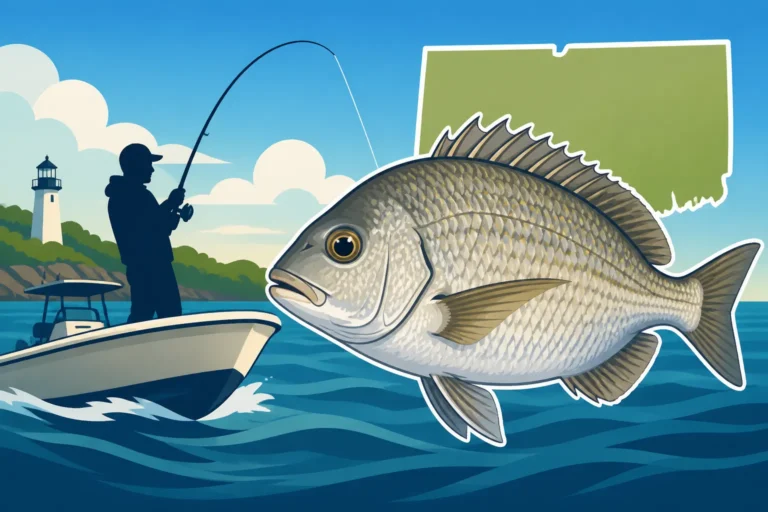
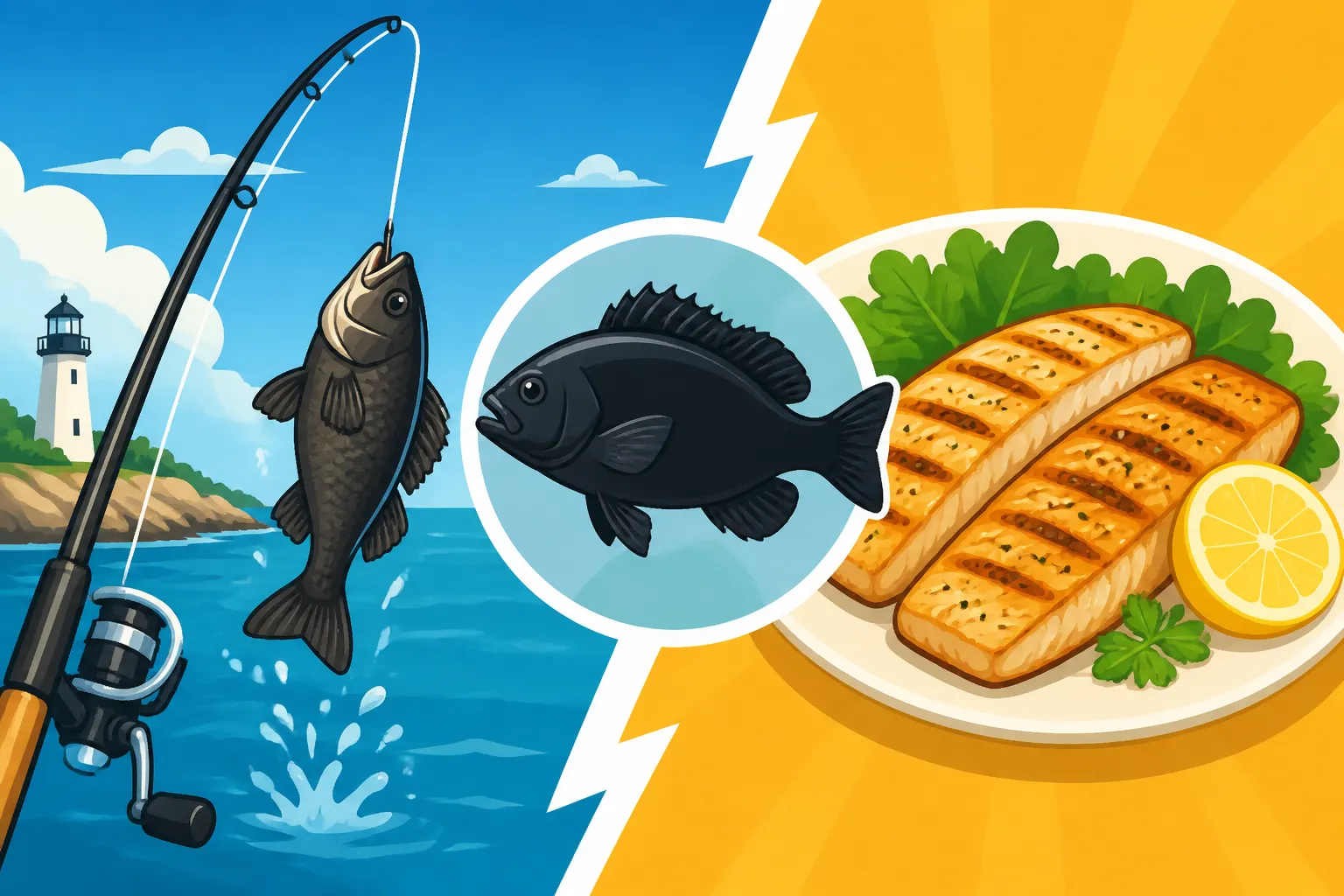
One of the most common questions I hear from fellow anglers, especially those new to saltwater fishing in Connecticut, is whether that hard-fighting blackfish they just wrestled off a rocky bottom is actually good to eat. It’s a valid question! After all, you’ve put in the effort to brave the elements, master the tackle, and bring in a tough-skinned tautog, so you want to know if it’s worth the culinary effort. This guide is here to tell you definitively that yes, blackfish are absolutely delicious, and we'll dive into why and how to make the most of your catch.
The Culinary Appeal of Connecticut Blackfish (Tautog)
Let's be honest, not every fish that puts up a good fight ends up being a star on the dinner plate. But blackfish, or tautog as they're also known, break that mold. These stout, powerful bottom dwellers might not win any beauty contests, but their firm, white flesh is a genuine culinary treasure that often surprises first-timers. There's a reason why seasoned Connecticut anglers eagerly await the tautog seasons.
What Makes Blackfish a Prized Catch for the Table?
What truly sets blackfish apart in the culinary world is its incredibly clean, mild, and slightly sweet flavor. It's a taste profile that many compare favorably to high-end white fish like snapper or even cod, but with a unique firmness that prevents it from flaking apart too easily during cooking. Unlike some oilier fish, blackfish doesn't have a strong "fishy" taste, which makes it incredibly appealing even to those who are typically hesitant about seafood. Imagine a fresh ocean breeze on your palate, with just a hint of brininess. That's the essence of blackfish.
The flesh itself is strikingly white, dense, and lean, a testament to the tautog's diet of crabs, mussels, and other crustaceans it pries from rocky structures. This diet not only contributes to its sweet flavor but also its desirable firm texture. When you fillet a blackfish, you'll immediately notice the thick, pearly white meat, free from the dark bloodline that can sometimes be present in other species. This pristine appearance translates directly to a fantastic eating experience. It's truly a fish that exemplifies the "you are what you eat" adage, dining on the best shellfish the Long Island Sound Fishing Guide has to offer.
Texture and Versatility in the Kitchen
The texture of blackfish is arguably one of its greatest assets. It’s firm, almost steak-like, yet still flaky. It's not mushy, and it holds its shape beautifully whether you're pan-frying, baking, grilling, or even adding it to a stew. This resilience means you can experiment with various cooking techniques without worrying about your beautiful fillet disintegrating in the pan. Have you ever tried to flip a delicate flounder fillet only to have it break apart? That's far less likely with blackfish.
Its lean nature also means it's not overly oily, making it a healthy option that won't leave a heavy feeling after your meal. This versatility is a chef's dream. You can dress it up with bold spices and sauces, or keep it simple with just salt, pepper, and a squeeze of lemon to let its natural flavor shine through. From elegant entrees to casual fish tacos, blackfish adapts wonderfully. For anglers who put in the effort to master Blackfish (Tautog) Fishing in Connecticut, the reward on the plate is truly worth it, making all those cold mornings and snagged rigs a distant memory.
Preparing Your Connecticut Blackfish Catch
So you’ve successfully landed some beautiful tautog. Fantastic! Now comes the next crucial step: preparing them for the kitchen. While blackfish are a delight to eat, getting them ready requires a bit of effort and the right approach. Don’t let their tough skin and sharp spines intimidate you; with a few tips, you’ll be filleting like a pro.
From Hook to Plate: Cleaning and Filleting Tautog
Cleaning a blackfish can be a bit of a challenge for the uninitiated, mainly due to their incredibly tough, leathery skin and sharp dorsal spines. This isn't a delicate flounder you're dealing with! Many experienced anglers opt to use a dedicated filleting knife with a sturdy blade, and some even prefer an electric knife to tackle the skin. The key is patience and a sharp blade. Start by making an incision behind the gill plate, running down to the backbone. Then, cut along the top of the fish, following the backbone towards the tail.
Once you’ve got that initial cut, you'll need to work the knife under the skin and meat, separating the fillet from the ribs. Some anglers find it easier to cut the fillets off the bone with the skin still on, then use their knife to "skin" the fillet by cutting between the flesh and the skin, pulling the skin taught as they go. Others might choose to try and scale them first, but that tough skin makes it a tedious task often best skipped in favor of a clean fillet. Remember, safety first! Those spines are no joke, so handle your fish with care. After all the hard work to land them on the Best Blackfish Charters in Connecticut, you want to treat your catch with respect.
Top Cooking Methods to Bring Out the Best Flavor
Blackfish shines with a variety of cooking methods thanks to its firm texture and mild flavor. Here are some of my favorite ways to prepare it:
- Pan-Frying/Sautéing: This is a classic for a reason. Lightly dredge your fillets in seasoned flour or cornmeal, or simply season with salt, pepper, and a touch of paprika. Sauté in a hot pan with a mix of olive oil and butter until golden brown and cooked through. The exterior gets beautifully crispy while the inside remains moist and tender. This method is quick and fantastic for showcasing the fish's natural taste.
- Baking/Roasting: For a hands-off approach, baking is excellent. Place fillets on a baking sheet, drizzle with olive oil, season with herbs like dill or parsley, lemon slices, and a splash of white wine. Bake at a moderate temperature until the fish flakes easily with a fork. This keeps the fish incredibly moist and allows for minimal cleanup.
- Grilling: If you love that smoky char, grilling is a superb option. Make sure your grill grates are clean and well-oiled to prevent sticking. Thicker fillets hold up best. Brush with olive oil, season, and grill over medium-high heat. The firm flesh prevents it from falling through the grates, giving you a beautiful crust and tender interior.
- Fish Tacos: The firm, white meat of blackfish is absolutely perfect for fish tacos. Cut the fillets into strips, pan-fry or grill them, then serve in warm tortillas with your favorite slaw, salsa, and a squeeze of lime. It’s a fresh, vibrant meal that’s hard to beat after a day out on the water.
When it comes to seasonings, keep it simple to let the blackfish flavor sing. Lemon, garlic, butter, fresh herbs (parsley, dill, chives), salt, and black pepper are often all you need. If you're looking for new recipe inspiration or quality kitchen tools for filleting and preparing your catch, a quick search on Amazon can reveal a treasure trove of cookbooks and gear.
Pairing Blackfish with Complementary Flavors
Because blackfish has such a mild and clean flavor, it's incredibly versatile when it comes to pairings. You don't want to overpower it, but rather complement and enhance its delicate notes.
- Citrus: Lemon and lime are natural companions. A simple squeeze of fresh lemon juice over a cooked fillet brightens the flavor considerably.
- Herbs: Fresh herbs like parsley, dill, chives, and tarragon add a lovely aromatic touch without being too strong. Consider a light herb butter sauce or a fresh salsa verde.
- Vegetables: Almost any vegetable pairs well. Roasted asparagus, sautéed spinach, grilled zucchini, or a fresh garden salad are all excellent choices. For a heartier meal, roasted root vegetables or a creamy risotto can stand up to the fish's firm texture.
- Sauces: Keep sauces light. A simple beurre blanc, a lemon-butter sauce, or even a light tomato salsa can elevate the dish. Avoid heavy cream sauces that might mask the fish's natural flavor.
- Wine: A crisp, dry white wine like Sauvignon Blanc, Pinot Grigio, or even a lighter Chardonnay complements blackfish beautifully. Their acidity cuts through any richness and highlights the fish's freshness.
Ultimately, the best pairing is what you enjoy most. Experiment and find your perfect combination. The goal is to create a harmonious meal that celebrates the distinct qualities of this prized Connecticut catch.
Nutritional Value and Health Considerations
Beyond its delicious taste, blackfish also offers a healthy addition to your diet. Like most seafood, it's packed with beneficial nutrients that contribute to overall well-being. However, as with any wild-caught food, it’s always wise to be aware of local regulations and general consumption guidelines.
Health Benefits of Eating Blackfish
Blackfish is a fantastic source of lean protein, which is essential for muscle repair, growth, and overall bodily function. For those looking to increase their protein intake without adding excessive fat, tautog is an excellent choice. But the benefits don't stop there. This fish is also a good source of Omega-3 fatty acids. While perhaps not as high as fattier fish like salmon, the Omega-3s in blackfish still contribute to heart health, brain function, and reducing inflammation.
Furthermore, blackfish provides a decent helping of important vitamins and minerals, including B vitamins (especially B12), which are crucial for energy and nerve function, and minerals like selenium, which acts as an antioxidant. It's a low-calorie option that's naturally gluten-free and can be a fantastic part of a balanced diet. Replacing red meat with fish like blackfish a few times a week can have significant positive impacts on your health, making that fishing trip even more worthwhile.
Understanding Consumption Advisories and Regulations
While blackfish is generally a very healthy choice, it's always smart to be mindful of local consumption advisories, especially for any fish caught from wild waters. These advisories are issued by state health departments and environmental agencies to ensure public safety, usually based on levels of contaminants like mercury or PCBs, which can accumulate in fish over time.
For specific guidance, it’s crucial to check the Connecticut Department of Energy and Environmental Protection (DEEP) website or their annual fishing guide. They provide detailed information on specific water bodies and species, including any recommended limits on consumption for sensitive populations like pregnant women or young children. While tautog are typically not among the species with the highest advisories, staying informed is paramount. You can find comprehensive information on these topics in resources like Connecticut Fishing Regulations Explained and Connecticut Saltwater Fishing Regulations by Species. Always familiarize yourself with these guidelines before planning your menu.
It's also important to remember that strict regulations govern the harvest of blackfish in Connecticut waters. This includes specific seasons, minimum length limits, and daily creel limits. These rules are in place to ensure the sustainability of the fishery for future generations. For example, knowing the Connecticut Blackfish minimum length limit and Connecticut Blackfish (Tautog) Season Dates is not just about legality, but about responsible harvesting. Adhering to these rules helps keep the blackfish population healthy and abundant, ensuring there's always a chance to catch and enjoy this fantastic fish.
Catching and Enjoying Your Own Blackfish
There's a special kind of satisfaction that comes from catching your own dinner, and with blackfish, that feeling is amplified. These fish are notorious for their strong fight, their ability to hug structure, and their somewhat stubborn nature. But once you land one, the journey from the water to your plate is incredibly rewarding.
The Thrill of Tautog Fishing in Connecticut
Tautog fishing in Connecticut is an experience unto itself. These fish are masters of their rocky domain, often found lurking around jetties, wrecks, reefs, and rocky bottom structures throughout Long Island Sound. Anglers targeting them often use crab baits – green crabs, fiddler crabs, or Asian shore crabs – dropped directly into the "tog zone." When a tautog bites, you'll know it! They deliver a distinctive "thump" that requires a quick and powerful hookset to pull them away from the snags they're so fond of. It’s a test of skill, patience, and often, sheer will.
The challenge of enticing a bite, feeling that unmistakable tug, and then fighting a powerful fish that tries to drag you back into the rocks, makes the eventual harvest all the more satisfying. There's nothing quite like the feeling of pulling a hefty, legal-sized blackfish onto the boat or kayak. It's a testament to your angling prowess, and the freshest possible meal is your prize. Learning about Blackfish Habits Around Structure can really up your game and help you find these elusive fish. And of course, before you even cast a line, make sure you understand the basics by checking out the Connecticut Fishing License Guide for 2026.
Maximizing Freshness for the Best Eating Experience
To truly enjoy the culinary delights of blackfish, maximizing its freshness from the moment it's caught is absolutely critical. A properly handled fish will taste infinitely better than one left to warm in a bucket.
Here are a few tips:
- Bleeding: If you plan to keep your catch, bleeding the fish immediately after landing it can significantly improve the taste and quality of the meat. A quick cut to the gills allows the blood to drain, resulting in whiter, cleaner-tasting fillets.
- Icing: Get your blackfish on ice as quickly as possible. A cooler full of ice is your best friend. This rapid cooling slows down spoilage and keeps the flesh firm and fresh until you can clean it.
- Cleaning Promptly: While chilling is important, cleaning your fish as soon as you get home, or even on the boat if conditions allow, is ideal. The sooner you fillet and rinse the meat, the better the final product will be.
- Storage: Once filleted, pat the fillets dry and store them in airtight bags or containers in the coldest part of your refrigerator. For longer storage, vacuum sealing and freezing is an excellent option. Properly stored blackfish can last for several months in the freezer without significant loss of quality.
By taking these extra steps, you ensure that the delicious flavor and firm texture of your Connecticut blackfish are preserved, making every bite a testament to your successful day on the water. Whether you’re fishing from a private boat, a charter, or even trying your luck at Connecticut State Park Fishing Guide spots, a fresh catch is a happy catch!
Disclaimer
This article is for general informational purposes only and does not constitute professional advice. Laws, prices and regulations vary by location and change over time. Consult a qualified professional for guidance on your specific situation.