Best eating fish species from Connecticut waters
One of the greatest joys of a successful fishing trip in Connecticut isn't just the tug on the line or the thrill of the catch; it's bringing home fresh, delicious fish to share with family and friends. But let's be honest, standing there with a cooler full of fish, you might wonder, "Which ones are really good to eat?" and "How do I even prepare this?" This guide is here to demystify the best eating fish species from Connecticut waters, both freshwater and saltwater, and help you turn your catch into a culinary triumph.
Freshwater Favorites: Panfish, Trout, and Bass
When you're out on one of Connecticut's many beautiful lakes, ponds, or rivers, there's a whole world of delicious freshwater fish waiting for you. These species are often overlooked by anglers focused on trophy sizes, but they offer some incredible dining experiences.
Panfish: The Underrated Delicacy
Panfish are called "panfish" for a reason: they fit perfectly in a frying pan! This category includes a few stars that are truly delicious. Think of bluegill, sunfish, and yellow perch. These aren't the biggest fish, but what they lack in size, they make up for in flavor and abundance. They're often found in many of Connecticut's lakes and ponds, making them accessible even for beginner anglers.
Their flesh is typically white, flaky, and has a mild, sweet flavor that's hard to beat. They’re fantastic for a simple shore lunch, lightly breaded and fried until golden brown. Imagine a quiet afternoon by Lake Waramaug or Squantz Pond, catching a mess of these tasty morsels, then heading home to enjoy them just hours later. It’s a classic New England experience. The key is to keep them on ice immediately after catching to maintain that pristine flavor. A good, insulated cooler, like those readily available on Amazon, is essential for this. For more on where to find them, check out Panfish Fishing in Connecticut.
Trout: A Connecticut Classic
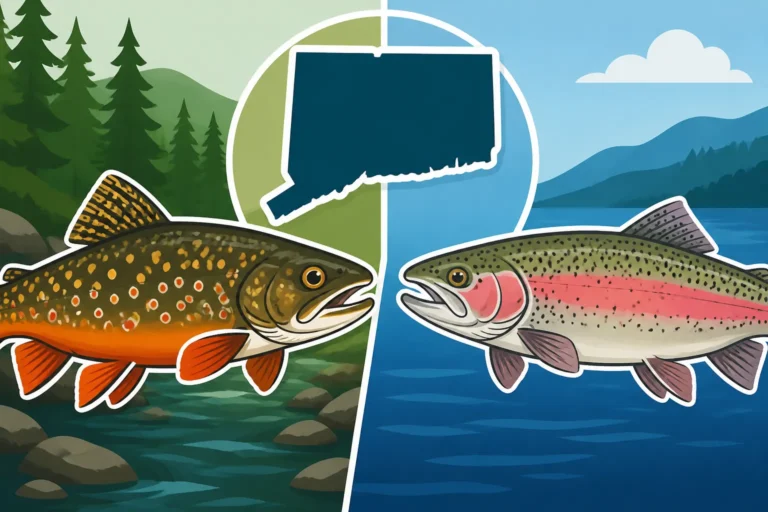
Connecticut is renowned for its trout fishing, and for good reason. From the wild brown trout in the Farmington River to the regularly stocked rainbow trout in countless streams and ponds, these fish are a true culinary gem. While many anglers practice catch and release, especially in certain Connecticut Catch and Release Fly Fishing Only Waters, harvesting a few within legal limits can provide a fantastic meal.
Rainbow trout, often stocked by the Connecticut DEEP, have a delicate, slightly sweet flavor and tender, pinkish flesh. They're excellent baked, broiled, or pan-fried with a squeeze of lemon and some fresh herbs. Brown trout, especially the larger, wilder specimens, tend to have a richer, nuttier flavor. Brook trout, Connecticut's native trout species, are smaller but offer perhaps the finest flavor of all, often described as sweet and clean, particularly those caught from pristine, cold mountain streams. If you're looking for where to find them, our Trout Fishing in Connecticut guide has plenty of information. Just remember to check Connecticut Trout Limit and Possession Rules before you keep your catch.
Bass: Largemouth and Smallmouth
While often pursued for sport, both largemouth and smallmouth bass can be surprisingly good table fare, especially smaller to medium-sized fish caught from clean, cold waters. The key here is water quality; bass from warm, murky ponds can sometimes have a "muddy" taste, but those from clear lakes or cool rivers are often quite delicious.
Largemouth bass typically have white, firm, flaky meat with a mild flavor. They can be excellent filleted and grilled, baked, or fried. Smallmouth bass, particularly those from crystal-clear river systems like the Housatonic, tend to have even firmer, whiter flesh and a very clean taste, making them a favorite for many anglers. When you're out Smallmouth Bass Fishing in Connecticut, consider keeping a few for dinner, especially those in the 12-16 inch range, which often have the best flavor and texture. Just be sure to bleed them out quickly and get them on ice to preserve their quality.
Coastal Delights: The Bounty of Long Island Sound
Connecticut's coastline on Long Island Sound is a treasure trove of saltwater species, many of which are absolutely fantastic to eat. From popular game fish to bottom dwellers, there's a diverse menu for the discerning angler.
Striped Bass: The Coveted Game Fish
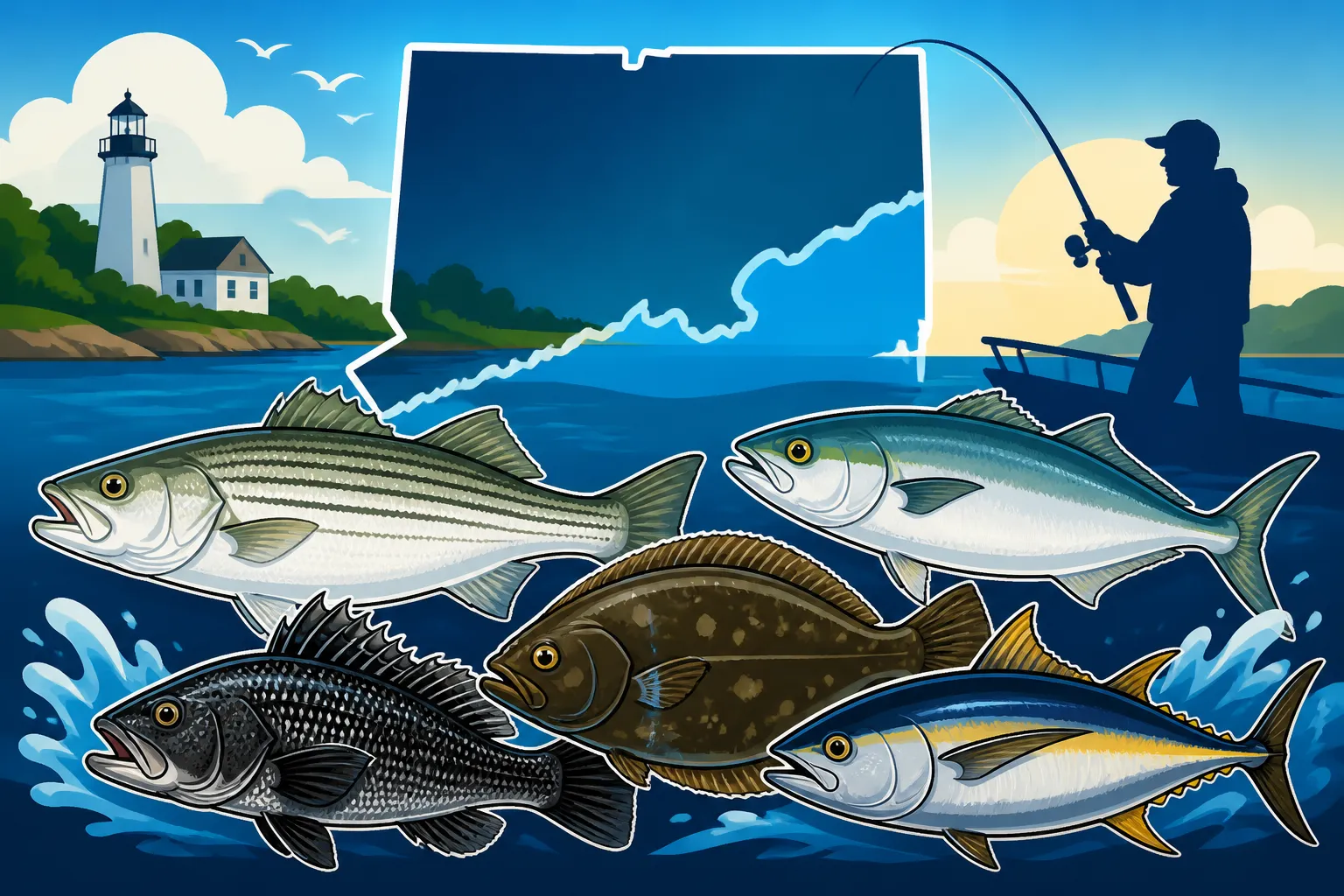
The striped bass is arguably the most iconic saltwater game fish in Connecticut, and it's also highly prized for its firm, white, flaky meat. Anglers flock to Long Island Sound during their migrations, not just for the thrilling fight, but for the delicious reward. You can find these beauties along the entire Connecticut coastline, from the western Sound near Greenwich to the eastern reaches around Stonington. Our guide on Striped Bass Fishing in Long Island Sound provides excellent insights into targeting them.
Smaller "schoolie" stripers (in the slot limit) tend to have the best flavor and texture, often sweeter and less oily than very large fish. Their robust flavor holds up well to grilling, baking, or even smoking. Many anglers swear by baked striped bass with lemon and herbs, or even pan-seared fillets. If you're wondering Is Striped Bass Good to Eat?, the answer is a resounding yes, provided they're handled correctly after the catch. Make sure you're aware of the Connecticut Striped Bass Slot Limit and Season before keeping any fish.
Fluke (Summer Flounder): The Mild-Mannered Flatfish
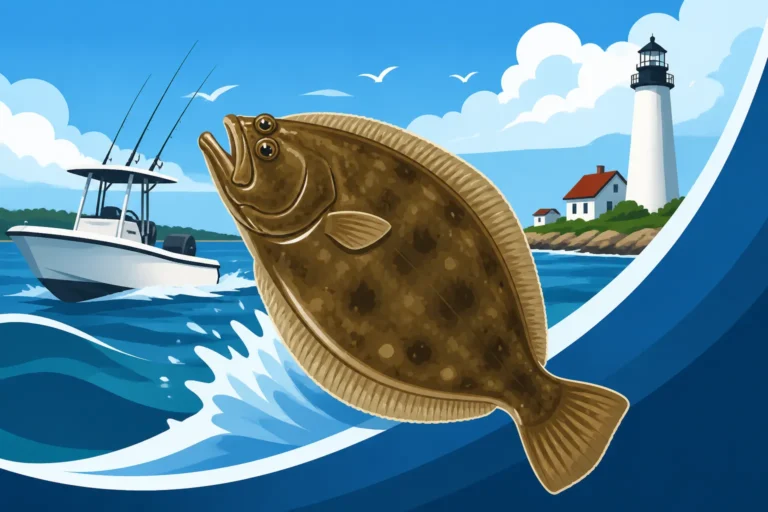
Fluke, also known as summer flounder, is a flatfish that offers incredibly delicate, white, and mild-flavored fillets. It's a favorite among seafood lovers and easily one of the best eating fish species in Connecticut. They spend their lives on the bottom, often camouflaged, and can be found throughout Long Island Sound, especially over sandy or muddy bottoms. Check out our Fluke Fishing in Long Island Sound guide for tips on where to find them.
The flesh is very tender and cooks quickly, making it ideal for lighter preparations like baking, broiling, or pan-searing with minimal seasoning to let its natural sweetness shine. Fried fluke is also a classic, and the fillets hold together well. Fresh fluke fillets are a true delicacy that can rival anything you'd find at a high-end seafood restaurant. Before you clean your catch, familiarize yourself with Connecticut Fluke and Summer Flounder Regulations.
Blackfish (Tautog): The Challenging but Rewarding Bottom Dweller
Blackfish, or tautog, are notorious for their strong fight and their tendency to live in rocky, oyster-covered areas. But once you get them to the boat, you're in for a treat. They are an incredibly delicious fish, known for their exceptionally firm, white, and clean-tasting meat. Their diet of crabs, mussels, and other crustaceans contributes to their superb flavor profile.
Catching blackfish can be a test of patience and skill, often requiring specific techniques around structure. Our Blackfish (Tautog) Fishing in Connecticut article delves into the best ways to target these fish. Once cleaned, the fillets are thick and meaty, holding up well to various cooking methods. Many prefer blackfish baked whole, steamed, or in stews and chowders, as the firmness of the flesh prevents it from falling apart. If you're wondering Is Blackfish Good to Eat?, many Connecticut anglers would say it's one of the best in the Sound. Remember to consult Connecticut Blackfish Tautog Season Dates for current regulations.
Black Sea Bass: A Delicious Deep-Water Option
Black sea bass are another fantastic eating fish found in the deeper, rockier areas of Long Island Sound and around offshore structures. They're a beautiful fish with distinctive markings and offer firm, white, and exceptionally flavorful meat. Their taste is often described as sweet and delicate, making them a prized catch for any angler.
These fish are usually caught by jigging or bait fishing over reefs and wrecks. Our guide to Black Sea Bass Fishing in Connecticut can help you locate these tasty bottom dwellers. Their fillets are quite versatile, excellent for grilling, baking, pan-frying, or even ceviche. They cook up beautifully, maintaining their flaky texture without drying out easily. Just ensure you know the Connecticut Black Sea Bass Regulations for 2026 before you decide to keep any.
Important Considerations Before You Cook Your Catch
Catching fish is only half the battle; knowing how to handle them properly and understanding local advisories is crucial for a safe and delicious meal.
Fish Handling and Preparation for Optimal Flavor
The moment a fish comes out of the water, its quality for eating begins to degrade. Proper handling is absolutely paramount to ensure your catch tastes its best.
- Bleeding: If you plan to keep a fish, bleeding it immediately after catching (by cutting the gills) is highly recommended. This removes blood from the flesh, resulting in cleaner, milder tasting meat and better texture.
- Icing: Get your fish on ice as quickly as possible. A slushy mix of ice and water in a cooler will chill them down rapidly and preserve their quality. Avoid just tossing them into a dry cooler, as they'll warm up too fast.
- Cleaning: Clean your fish promptly. Whether you're filleting or cooking whole, removing the guts, scales, and often the head, as soon as possible prevents spoilage. A sharp filleting knife, easily found on Amazon, and a sturdy cutting board are indispensable tools for this task.
- Storage: If you're not eating your fish right away, store fillets in airtight bags in the refrigerator for a day or two, or freeze them for longer storage. Vacuum sealing is ideal for freezing, preventing freezer burn and maintaining quality for several months.
Understanding Fish Consumption Advisories
It's vital for all anglers to be aware of the Connecticut Department of Public Health's (DPH) fish consumption advisories. These advisories are in place to inform the public about potential contaminants, like mercury or PCBs, in certain fish species from specific waters.
While many of Connecticut's waters are perfectly safe for consuming fish, some areas or larger, older fish of certain species might have elevated levels of contaminants. The DPH provides detailed guidelines, often recommending limits on how frequently certain fish should be eaten, especially for vulnerable populations like children and pregnant women. Always check the latest advisories on the Connecticut DPH website or consult resources like Which Connecticut waters have fish consumption advisories to ensure your culinary experience is both delicious and safe.
Preparing Your Catch for the Plate: Simple Steps to Deliciousness
Once you've caught your desired species and handled them with care, it's time to turn them into a meal. Even the most intimidating fish can be simplified into a delicious dish with a few basic techniques.
Basic Cleaning and Filleting
Don't let the idea of cleaning a fish deter you. It's a skill that improves with practice, and once mastered, opens up a world of fresh dining.
- Scaling: For fish with scales you plan to cook whole or leave skin-on, a scaler tool (or even the back of a knife) will quickly remove them. Work against the grain of the scales under running water.
- Gutting: Make a shallow cut from the vent to the gills. Remove all internal organs, making sure to scrape out the kidney line along the backbone if present. Rinse thoroughly.
- Filleting: This is where a sharp, flexible filleting knife really shines. Start by cutting behind the gill plate down to the backbone, then turn the knife flat and run it along the backbone towards the tail, separating the fillet. Flip the fish and repeat. Then, carefully remove the skin from the fillet by holding the tail end and sliding the knife between the skin and the meat. You can find many instructional videos online to guide you, but practice makes perfect!
Popular Cooking Methods for Connecticut Fish
The beauty of fresh fish is its versatility. Here are some tried-and-true methods that highlight the natural flavors of your Connecticut catch:
- Pan-Frying: A go-to for many, especially for panfish, trout, and smaller bass. Lightly breaded or floured, pan-frying creates a crispy exterior and a moist, flaky interior. Use a neutral oil and don't overcrowd the pan.
- Baking/Roasting: Excellent for whole trout, striped bass fillets, or tautog. Place fish on a baking sheet, season with salt, pepper, lemon, and herbs. A little butter or olive oil helps keep it moist. Bake until the flesh is opaque and flakes easily with a fork.
- Grilling: Perfect for firmer fish like striped bass, blackfish, or larger bass fillets. Brush with oil to prevent sticking and season well. Direct heat grilling works quickly, leaving beautiful char marks and a smoky flavor. For delicate fish like fluke, use a fish basket or foil packet to prevent it from falling through the grates.
- Broiling: Similar to grilling but uses overhead heat. Great for quick cooking fillets, achieving a nice browned top. Keep a close eye on it to prevent overcooking.
- Steaming: A very healthy and gentle way to cook fish, preserving its delicate flavor and moisture. Best for fish with tender flesh like fluke or smaller trout. Add aromatics like ginger and scallions for extra flavor.
A Quick Comparison of Top Connecticut Eating Fish
| Species | Typical Flavor Profile | Texture | Best Cooking Methods |
|---|---|---|---|
| Bluegill/Perch | Mild, sweet, clean | Flaky, tender | Pan-fried, baked |
| Rainbow Trout | Delicate, mild, slightly sweet | Pink, tender | Pan-fried, baked, broiled |
| Brown Trout | Richer, nutty | Firm, flaky | Baked, grilled, pan-fried |
| Smallmouth Bass | Clean, mild, slightly sweet | Firm, white | Pan-fried, grilled, baked |
| Largemouth Bass | Mild | White, flaky | Baked, fried, grilled |
| Striped Bass | Rich, savory | Firm, white | Grilled, baked, pan-seared, smoked |
| Fluke | Very mild, delicate, sweet | White, very flaky | Pan-fried, broiled, baked, steamed |
| Blackfish (Tautog) | Sweet, clean, shellfish notes | Very firm, dense | Baked (whole), steamed, chowder, grilled |
| Black Sea Bass | Sweet, delicate, clean | Firm, white | Grilled, baked, pan-fried, ceviche |
No matter which delicious fish you decide to target, the journey from water to plate in Connecticut is a truly rewarding one. Enjoy your fresh catch!
Disclaimer
This article is for general informational purposes only and does not constitute professional advice. Laws, prices and regulations vary by location and change over time. Consult a qualified professional for guidance on your specific situation.