How to fish deep structure for summer striped bass
Summer striped bass behavior in Long Island Sound reveals why fish move to deep water and how to find them using reefs and ledges.
Match the method to the moment.
Seasonal patterns, proven tactics, rigging and presentation basics, bait choices, and how to adapt as conditions change.
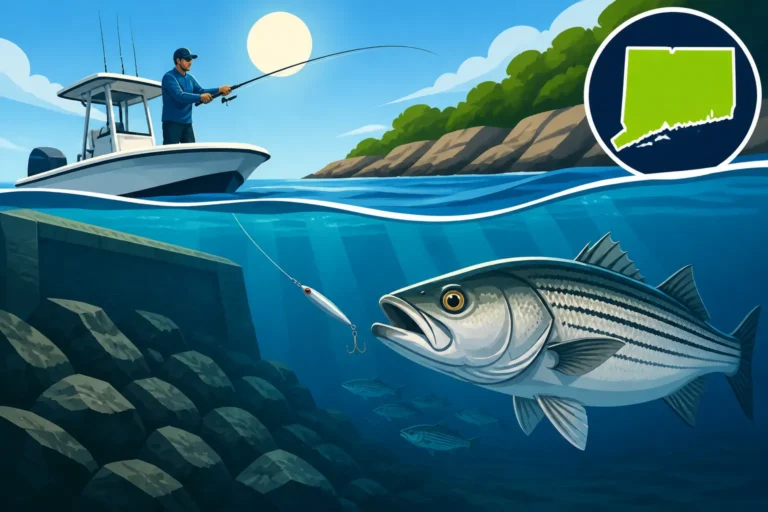
Summer striped bass behavior in Long Island Sound reveals why fish move to deep water and how to find them using reefs and ledges.
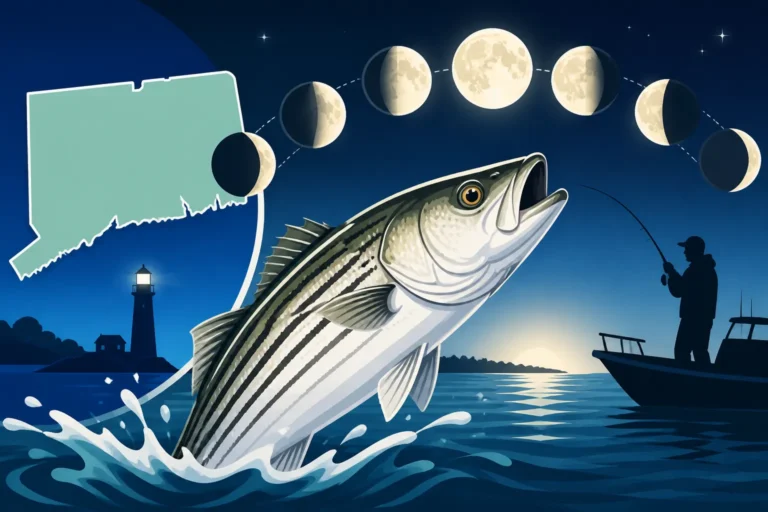
Lunar phases and gravitational pull create tidal currents that dictate striped bass feeding patterns in Connecticut waters.
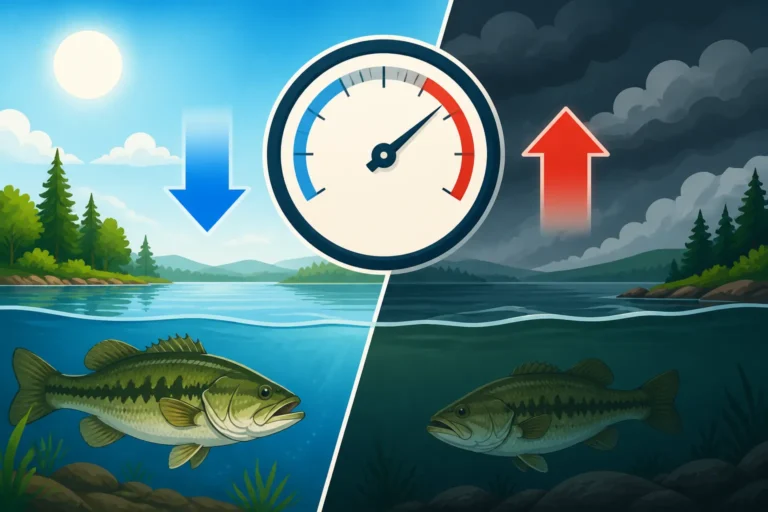
Barometric pressure changes affect Connecticut bass behavior and physiology, dictating where fish hide and how they feed.
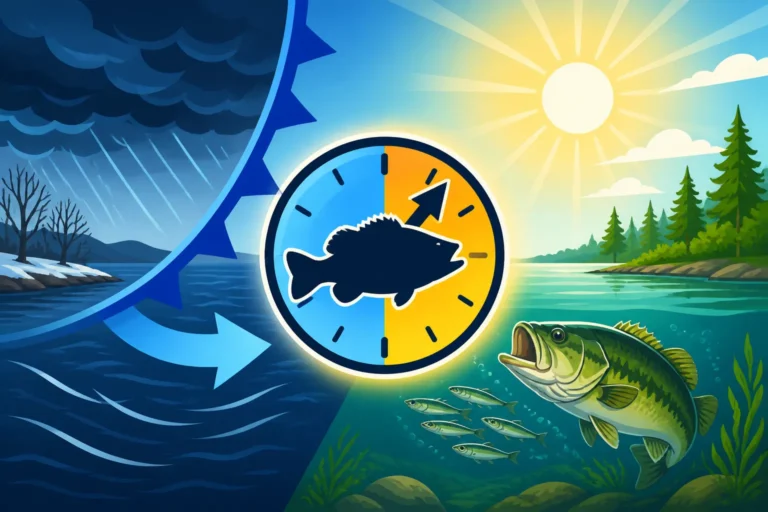
Cold fronts in Connecticut alter barometric pressure and water temperature, causing fish to become lethargic and inactive.
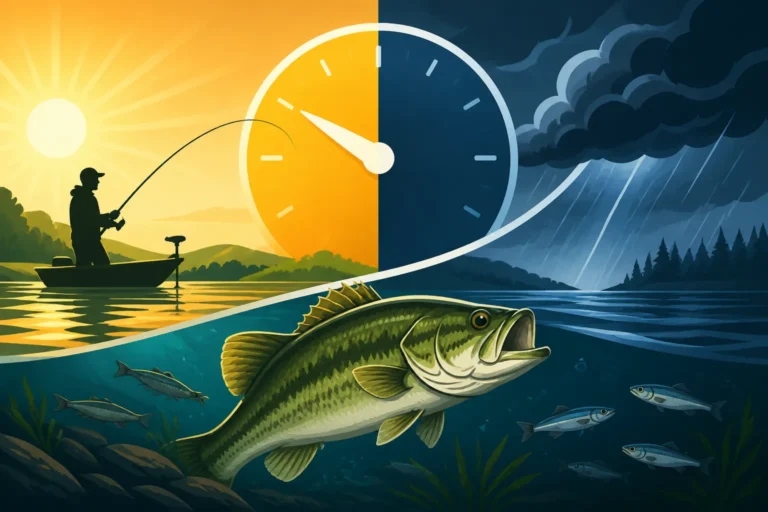
Barometric pressure drops before a cold front, triggering an aggressive feeding frenzy in fish across Connecticut waters.
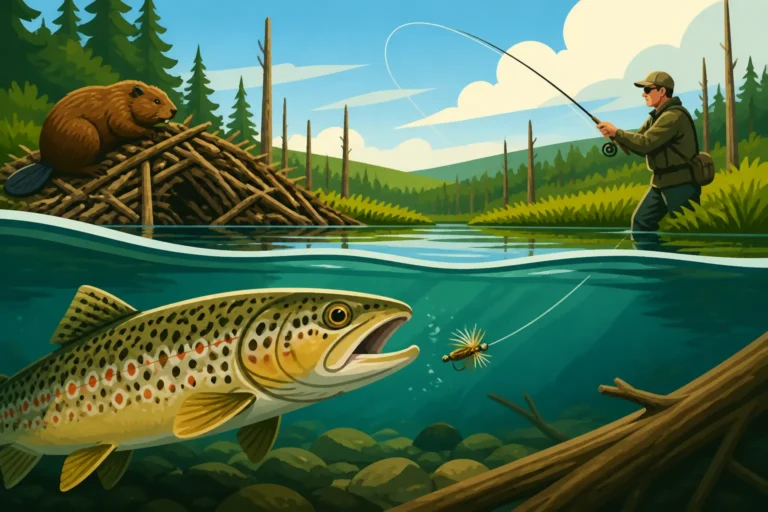
Connecticut anglers targeting trout in beaver pond streams learn practical techniques, bait choices, and how to navigate dense brush.
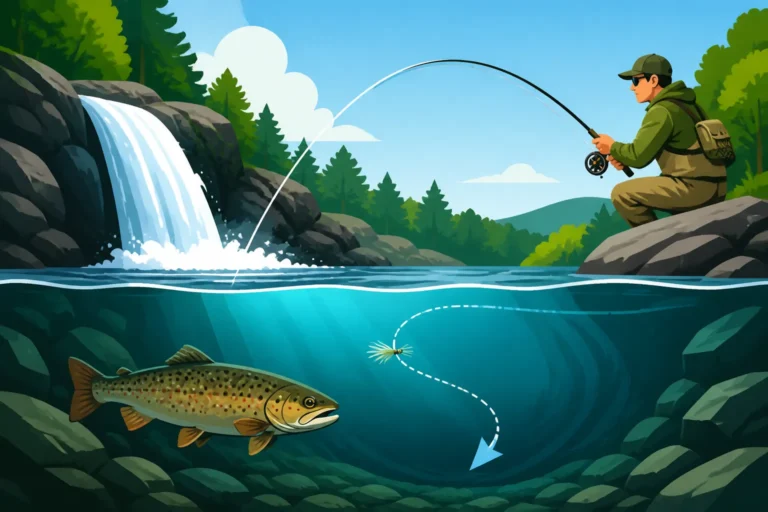
Connecticut plunge pool fishing techniques help anglers catch trout and smallmouth bass in turbulent river and stream waters.
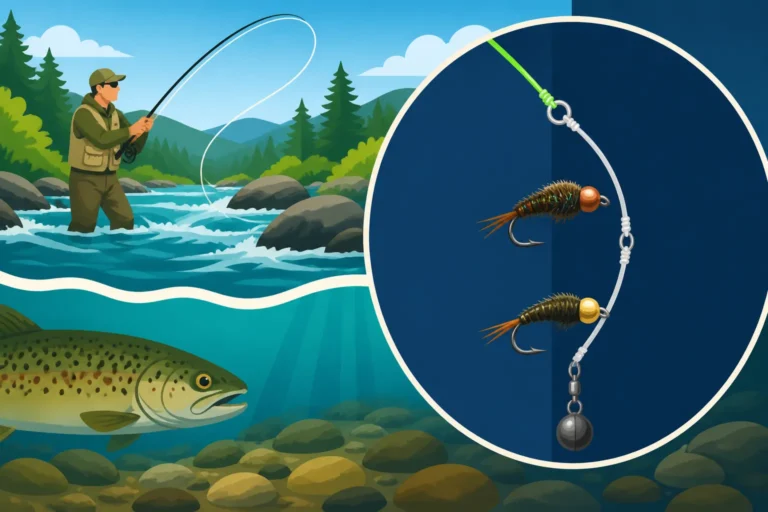
Connecticut freestone streams require a specialized nymph rig and proper weight to achieve a drag-free drift and catch trout.
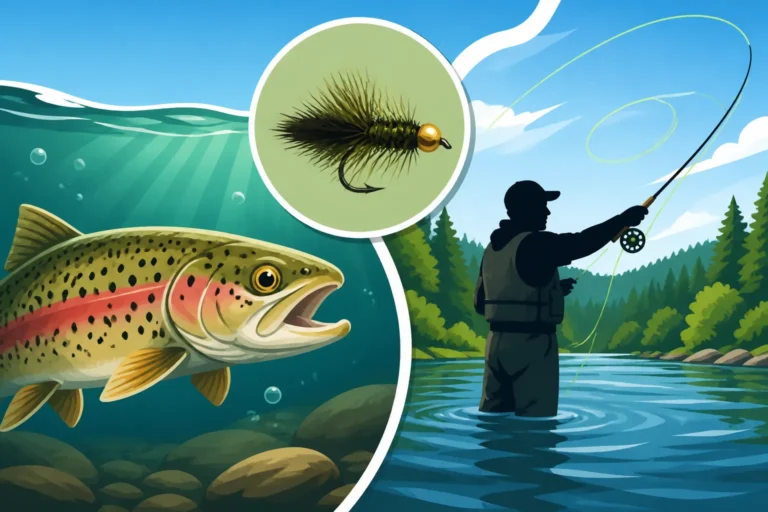
Effective presentation techniques for the Wooly Bugger help anglers catch more brown and rainbow trout in rivers and ponds.
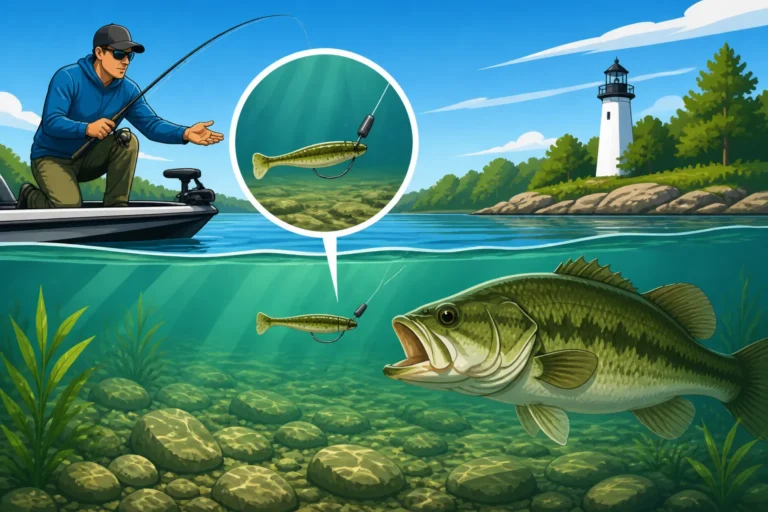
Sight fishing bass techniques for clear Connecticut waters help anglers catch visible fish using stealth and precision gear.